



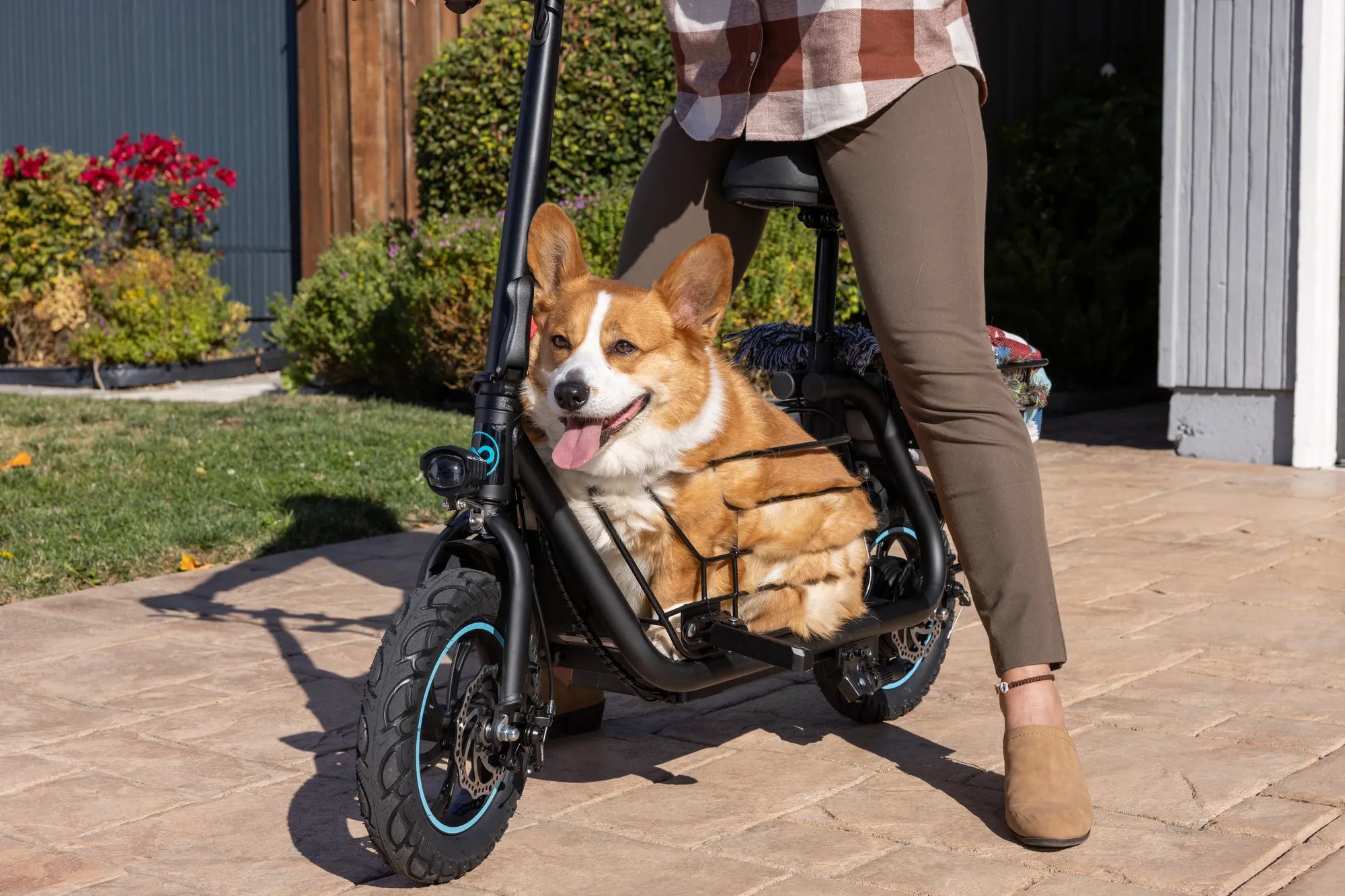
The Family-Friendly E-Bike Revolution
Forget the second car. The modern solution for school runs, park trips, and errands is a purpose-built electric bike. The best ebike to carry kids transforms short car trips into daily adventures, combining practicality with pure fun.
This guide cuts through the noise. You will learn the critical engineering specs that matter for safety, compare every kid-carrying configuration, and get a actionable checklist for your purchase. Not every e-bike is built for the vital job of carrying precious cargo, making informed selection essential.
What Makes an E-Bike "Kid-Carrying" Ready? Key Features to Prioritize
A standard commuter e-bike often lacks the foundational strength for family duty. The best ebike to carry kids is defined by a suite of specific, non-negotiable features designed for added weight and unpredictable conditions.
These features ensure stability under load, provide sufficient power for hills, and guarantee long-term reliability. Overlooking any of these core areas compromises safety and the overall experience.
Frame Design, Weight Capacity, and Stability
The frame is the foundation. A low-step or step-through design is crucial for easy mounting and dismounting, especially when you have a child waiting to be buckled in. This design prevents awkward leg swings over a high top tube.
Payload capacity is the most critical spec. It's the combined maximum weight of the rider, passengers, and any gear. For carrying one child, seek a minimum capacity of 300 lbs. For two children, 400 lbs or more is essential.
A longer wheelbase—the distance between the front and rear wheels—enhances stability at the cost of some agility. For family hauling, stability is paramount. A robust, integrated rear rack rated for high weight (often 55 lbs+) is also a must for seats or cargo.
Motor Power and Battery Range for Added Load
Motor power dictates hill-climbing ability and smooth acceleration under load. A 500W hub or mid-drive motor is a realistic minimum. For hilly areas or carrying multiple children, a 750W motor provides necessary headroom.
Battery range plummets when carrying extra weight. If a manufacturer claims a 50-mile range, expect 20-30 miles with a child and gear. Always choose a model with a high-capacity battery (e.g., 48V 15Ah or higher) to ensure real-world usability.
This is where brands like Gyroor, trusted by over 100,000 riders, engineer their e-bikes with high-torque motors and large-capacity, UL-certified batteries to maintain performance reliably.
Safety and Security: Brakes, Lighting, and Attachments
Stopping power is safety power. Hydraulic disc brakes are the gold standard, offering consistent, strong braking in all weather conditions with minimal hand fatigue. Mechanical discs are a good secondary option.
Integrated, always-on lighting (front and rear) powered by the main battery is a major advantage for visibility. It ensures you're seen during evening rides or unexpected delays.
Secure attachment points for child seats are non-negotiable. The frame must have standard mounting points or a sufficiently strong rear rack. Proprietary or flimsy attachment systems are a significant safety risk.
Top E-Bike Configurations for Carrying Kids
Your choice of how to carry your child is as important as the bike itself. Each method has distinct advantages, limitations, and ideal use cases based on your children's ages and your typical routes.
Understanding these configurations allows you to match the setup to your family's specific needs, ensuring comfort and safety for everyone on board.
Rear Rack-Mounted Child Seats
This is the most common and accessible option. A hard-shell seat attaches to a sturdy rear rack, typically for children aged 9 months to 5 years (up to ~48 lbs). It's cost-effective and keeps the child contained.
The primary drawback is a high center of gravity, which can affect handling, especially during sharp turns or stops. The child is also out of your direct line of sight. It's best for smooth paths and shorter trips with a single young child.
Ensuring your chosen ebike has a manufacturer-approved rack rated for the seat's dynamic weight is absolutely critical for this setup.
Front-Mounted Seats and Purpose-Built Cargo Bikes
Front-mounted seats (attached to the frame or handlebar stem) place younger toddlers (approx. 1-3 years) in your view, allowing for easier interaction. Weight distribution is more central, improving handling.
True front-loading cargo bikes, or "box bikes," represent the ultimate family hauler. They feature a large integrated bucket between the handlebars and front wheel, capable of carrying multiple children and groceries.
These bikes are incredibly stable due to a low center of gravity but are larger, heavier, and more expensive. They excel as primary urban family vehicles, replacing car trips entirely for families with young children.
Towing a Bike Trailer
Bike trailers hitch to the rear axle or seat post and offer unparalleled versatility. They can carry one or two children (with higher age/weight limits), provide weather protection with covers, and include storage for bags.
Trailers keep the bike's handling largely unchanged but add significant rolling resistance and width. The added drag requires more motor assistance, reducing range.
This setup is ideal for families with two young children, for longer rides, or for those who need to navigate rougher terrain where a seated child might feel more bumps.
Why Gyroor E-Bikes Are Engineered for Family Adventures
When evaluating the best ebike to carry kids, engineering integrity is paramount. Gyroor's design philosophy prioritizes the safety and reliability that family transportation demands, building on a foundation of certified components and robust construction.
Their models, from commuter-focused e-bikes to more robust haulers, incorporate features that directly address the unique stresses of carrying extra cargo day in and day out.
UL-Certified Battery Packs: The Foundation of Safety
There is no compromise on battery safety. Every Gyroor e-bike uses a UL 2271 or UL 2849 certified battery pack. This independent certification means the battery's cells, BMS, and housing have passed rigorous electrical, mechanical, and environmental stress tests.
For parents, this translates to profound peace of mind. It mitigates fire risk—a critical concern with uncertified batteries—and ensures the battery will deliver consistent power through 500+ charge cycles, even when regularly supporting the extra load of children and gear.
IPX5 Water Resistance: Ready for Real Life
Family life doesn't stop for a drizzle. An IPX5 water-resistant rating means the e-bike's electrical components can withstand water jets from any direction. You can confidently ride on wet roads, through puddles, or in light rain on the way to daycare.
This durability is essential for a vehicle that becomes part of your daily routine. It protects the motor, controller, and wiring from moisture-related corrosion and failure, ensuring long-term reliability where cheaper models might falter.
Robust Warranty and Support: Your Long-Term Peace of Mind
A 1-year comprehensive warranty on the frame, motor, battery, and controller is a commitment to quality. For a complex machine carrying your children, this support is invaluable.
It means you're not left alone to troubleshoot major components. This warranty, backed by responsive customer support, protects your investment and ensures your family ebike remains a dependable asset for years.
Comparison: E-Bike Kid Transport Configurations
| Configuration | Best For | Child Age/Weight | Key Advantages | Key Considerations |
|---|---|---|---|---|
| Rear Rack Seat | Single young child, short trips | 9 mos - 5 yrs (up to ~48 lbs) | Affordable, easy to install, widely available | High center of gravity, child out of sight, requires strong rack |
| Front Frame Seat | Single toddler, interactive rides | 1 - 3 yrs (up to ~33 lbs) | Child in view, better weight distribution | Lower weight limit, can interfere with pedaling |
| Bike Trailer | 1-2 children, long/all-weather trips | Infant to ~6 yrs (up to 100 lbs total) | Carries more, weather protection, stable for bike | Very wide, high drag reduces range, storage needed |
| Cargo Bike (Front Load) | Multiple children, car replacement | Toddlers to young kids | Ultimate stability & capacity, low center of gravity | High cost, large size & weight, specialized |
Practical Considerations and Final Checklist Before You Buy
Turning research into a purchase requires aligning specs with your daily reality. The best ebike to carry kids for your neighbor may not fit your routine, route, or children.
This final stage is about practical application, ensuring the bike you choose integrates seamlessly into your family's life for the long term.
Matching the E-Bike to Your Daily Routine
Map your most common trips: distance to school, the library, the grocery store. Consider the terrain—are there steep hills? Evaluate route safety: Are there bike lanes or quiet streets?
If your trips are under 10 miles round-trip on flat ground, range is less critical. If you have a 5-mile hill on the way home with a toddler, motor torque and battery capacity become your top priorities. Think of the e-bike as a tool for specific, regular tasks.
Test Ride and True Budget Planning
If possible, test ride with weight. Load a pannier with 40-50 lbs of sandbags to simulate a child. Feel how the bike accelerates, brakes, and handles at low speed. Is the step-through height truly manageable?
Your budget must include all necessary accessories: a high-quality, properly sized child helmet, the child seat or trailer, a heavy-duty lock, and potentially fenders and a better kickstand. The true cost is the bike plus these essential add-ons.
Pre-Purchase Checklist
- Payload: Bike capacity ≥ (Your weight + Child's weight + 25 lbs for gear/seat).
- Local Laws: Motor wattage and top speed comply with local e-bike (Class 1, 2, 3) regulations.
- Attachment: Frame/rear rack has secure, standard mounting points for your chosen child seat.
- Battery Certification: Battery is UL-certified (UL 2271 or UL 2849) for safety.
- Brakes: Hydraulic or high-quality mechanical disc brakes are installed.
- Support: Warranty covers key components (motor, battery, frame) for at least 1 year.
Frequently Asked Questions (FAQ)
What is the safest way to carry a child on an e-bike?
The safest method is the one that uses age-appropriate, professionally manufactured equipment correctly installed on an e-bike rated for the total weight. For infants and toddlers, a certified child seat (rear or front) or a bike trailer with a five-point harness is required. Always ensure the child wears a properly fitted helmet.
How much does weight reduce an e-bike's range?
Weight significantly impacts range. As a rule of thumb, add 50-100 lbs of cargo (a child and seat), and you can expect a 30-40% reduction from the manufacturer's tested range (which is usually for a lone, lightweight rider). Always buy more battery capacity than you think you need.
Can I carry two children on one e-bike?
Yes, but it requires specific configurations. Your options are: a cargo bike with a large front/rear box, a long-tail cargo e-bike with two rear seats, or a standard e-bike towing a two-child trailer. The e-bike must have a payload capacity exceeding the combined weight of you, both children, and all equipment.
Are there age or weight limits for child bike seats?
Yes, strictly follow the seat manufacturer's limits. Rear seats typically support children from about 9 months (able to sit upright unassisted) up to 5 years or 48 lbs. Front seats have lower weight limits, often around 33 lbs. Trailers have higher total weight limits (e.g., 100 lbs for two children).
What maintenance is crucial for a kid-carrying e-bike?
Increased maintenance frequency is key due to higher loads. Prioritize: monthly brake pad inspection and adjustment, weekly tire pressure checks (under-inflation is dangerous under load), regular bolt checks on the child seat or trailer hitch, and keeping the chain clean and lubricated. Professional annual servicing is recommended.
Conclusion: Redefining Family Mobility on Two Wheels
Choosing the best ebike to carry kids is an investment in freedom, health, and unforgettable shared moments. The right model turns errands into expeditions and commutes into connections. By prioritizing certified safety, honest payload capacity, and durable construction, you select a vehicle built for real family life.
The journey begins with identifying your needs and matching them to a machine engineered for the task. Explore the designs that put safety first, like the Gyroor collection, where UL-certified batteries and IPX5 water resistance provide the reliable foundation every family ride deserves.
Ready to start your family's next adventure? Browse the full, meticulously engineered Gyroor collection at gyroorboard.com to find the e-bike that's ready to carry your most precious cargo.
Ebike 2 Wheels Motor Price: A Complete 2024 Cost & Value Guide
Speed Mountain Bike: The Ultimate Guide to Velocity on the Trail