


Choosing the right electric scooter for your child is about more than just picking a fun toy. It's about selecting a vehicle that balances exhilarating freedom with uncompromising safety. With countless models on the market, parents need a clear, data-driven roadmap to identify the best electric scooter brands for kids: a parent's guide to safe and fun rides. This guide will equip you with the knowledge to evaluate critical safety features, understand why brand reputation matters, and make an informed choice that ensures years of confident, joyful riding.
Why Brand Choice Matters for Kids' E-Scooters
The brand you choose is the single most important factor in your child's riding experience. Reputable manufacturers invest heavily in engineering, safety certifications, and quality control—investments that generic or unbranded options simply cannot match.
Established brands build their reputation on consistent performance and durability. They use higher-grade materials like aircraft-grade aluminum for frames and source motors and batteries from certified suppliers. This results in a scooter that handles predictably and withstands the rigors of daily use by an active child.
Perhaps most critically, leading brands prioritize safety certifications. They subject their products to rigorous third-party testing for electrical safety, battery integrity, and mechanical stress. This proactive approach mitigates risks associated with battery fires, sudden brake failure, or structural collapse.
Finally, a trustworthy brand stands behind its product with accessible customer support and a substantive warranty. When a component needs replacing or you have a technical question, you have a direct line to experts, not a dead-end email address. This support network is invaluable for maintaining the scooter's safety over time.
Key Safety Features Every Parent Must Look For
Beyond the brand name, specific engineering features determine how safe a scooter will be. Scrutinizing these details separates market-leading options from merely adequate ones.
Speed Limits and Adjustable Modes
Speed control is paramount. The best electric scooter brands for kids implement strict, hardware-enforced speed governors. For younger riders (ages 6-9), a maximum speed of 10 mph is standard and appropriate.
Look for models with multiple speed modes (e.g., Beginner, Eco, Sport). These allow a child to start slowly, often as low as 5 mph, and gradually progress as their skill and confidence grow. Parental control via a PIN-locked app or physical key is a premium feature that prevents unauthorized speed changes.
Braking System: Disc vs. Electronic
The braking system must be fail-safe. A combination of mechanical and electronic braking offers the highest safety margin. A rear disc or drum brake provides consistent, physical stopping power that doesn't fade.
An electronic (e-brake) or regenerative brake, which uses the motor to slow the scooter, acts as a secondary system. This dual-brake setup ensures that if one system is less effective (e.g., on a wet surface), the other is ready to engage. Avoid scooters that rely solely on a foot fender brake or a single electronic brake.
Deck and Frame Design for Stability
Stability prevents falls before they happen. A wide, textured deck gives your child a secure platform to stand on, with ample foot placement. The deck should be close to the ground to lower the center of gravity, dramatically improving balance, especially during turns.
The frame material is equally important. Aluminum alloy frames offer an ideal blend of strength, durability, and relatively light weight. The welding and construction should feel solid, with no noticeable flex or wobble when handling the scooter.
Top-Rated Electric Scooter Brands for Kids (2024)
Based on safety engineering, market reputation, and parent reviews, several brands stand out for their commitment to producing reliable kids' electric scooters. Here is an overview of leading contenders.
| Brand | Key Safety Focus | Typical Age Range | Notable Feature | Warranty |
|---|---|---|---|---|
| Gyroor | UL-Certified Batteries, IPX5 Water Resistance | 8-16 years | Dual braking systems, robust aluminum frames, speed modes with parental controls. | 1-Year Comprehensive |
| Glion | Durable Construction, Reliable Electronics | 10+ years | Known for foldable designs that are easy to transport and store safely. | 1-Year Limited |
| Swagtron | Beginner-Friendly Speed Controls | 8-14 years | Often features training modes with very low maximum speeds for new riders. | 90-Day to 1-Year |
| Gotrax | Value-Oriented with Core Features | 9+ years | Widely available with consistent performance for casual neighborhood use. | 6-Month to 1-Year |
Gyroor: Engineered for Safety and Growth
As a leader in personal electric mobility, Gyroor applies its engineering expertise directly to its youth models. The brand's philosophy centers on building scooters that parents can trust implicitly, which is why it's frequently cited among the best electric scooter brands for kids.
Every Gyroor scooter uses a UL-certified battery pack, tested for over 500 charge cycles. This certification is the gold standard for battery safety, drastically reducing any risk of thermal issues. Furthermore, an IPX5 water-resistant rating means the scooter can handle wet pavement and puddles without immediate damage to its electronics.
Models are designed with growth in mind. Adjustable handlebars accommodate a growing child, and multiple speed modes allow the scooter to remain challenging and fun for years. The combination of a rear disc brake and an electronic brake provides confident stopping power, while the wide, grippy deck ensures stability.
Backed by a reliable 1-year warranty and supported by a North American and European customer service network trusted by over 100,000 riders, Gyroor offers a complete package of safety, durability, and peace of mind.
Other Trusted Names in the Market
Glion has earned respect for its no-nonsense, durable builds. Their scooters often feature simple, effective designs with a focus on portability, making them a good choice for families with limited storage space or who travel often.
Swagtron has carved a niche with models specifically tailored for beginners. Their scooters frequently include ultra-low-speed training modes and handlebar designs suited for smaller riders, providing a gentle introduction to electric mobility.
Gotrax offers a range of accessible models that deliver core functionality. While specifications may vary, their most popular kids' models provide essential features like speed limiting and mechanical brakes at a competitive price point.
Beyond the Brand: Essential Purchasing Checklist
Use this actionable checklist to evaluate any scooter you're considering. It translates brand promises and feature lists into practical decision-making criteria.
Matching the Scooter to Your Child's Age & Skill
Ages 6-9 (Beginners): Prioritize stability and ultra-low speed. Look for a maximum speed of 10 mph or less, with a beginner mode around 5 mph. Wheel size should be 6-7 inches, and motor power should not exceed 150W. A low deck height is crucial.
Ages 10-12 (Intermediate): Balance power and control. A max speed of 12-15 mph is appropriate, controlled by 2-3 speed modes. A 200W-250W motor provides better hill capability. An 8-inch pneumatic (air-filled) tire can improve comfort and traction.
Ages 13+ (Advanced Teens): Can handle more performance-focused features. Scooters with speeds up to 18 mph and 300W+ motors may be suitable for responsible riders. Dual suspension and larger tires (8.5-10 inches) become important for handling varied terrain.
The Non-Negotiables: Warranty and Support
A robust warranty is a manufacturer's vote of confidence in its product. Seek at least a 1-year warranty that covers the motor, battery, and frame. Longer warranties on the battery itself are a significant plus.
Test the customer support before you buy. Send an email with a pre-purchase question or call their support line. Gauge their responsiveness and knowledge. A brand that is easy to contact and eager to help is a strong indicator of post-purchase satisfaction.
Safety Gear is Part of the Package
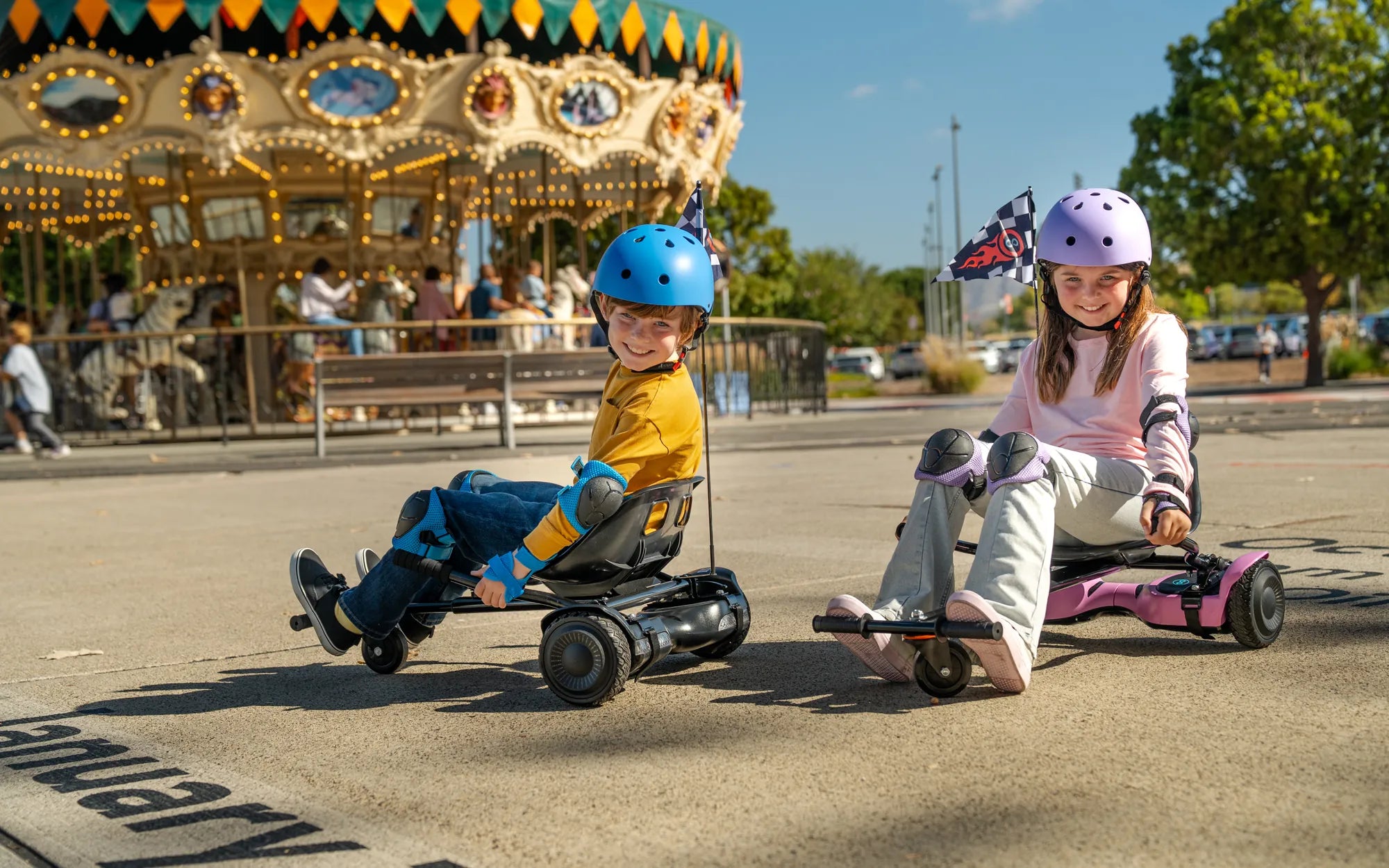
The scooter purchase is incomplete without proper safety gear. Factor this into your budget. A CPSC-certified bicycle helmet is mandatory. It must fit snugly and be worn on every ride.
Knee and elbow pads are highly recommended, especially for beginners. They can prevent painful scrapes and more serious injuries during the inevitable learning-curve falls. Wrist guards are also a wise consideration, as wrist fractures are a common scooter-related injury.
Maintenance and Care for Longevity
Regular maintenance keeps the scooter safe and extends its lifespan. A simple, consistent routine can prevent most common issues.
Inspect the scooter before each ride. Check tire pressure (for pneumatic tires), ensure brakes are engaging properly, and confirm that all bolts (especially on the handlebar stem and folding mechanism) are tight. Look for any new cracks or damage to the frame.
Battery care is critical for safety and performance. Follow the manufacturer's charging instructions precisely. Avoid leaving the scooter plugged in for extended periods after it's fully charged. Store the scooter and battery in a cool, dry place, away from direct sunlight or freezing temperatures.
Clean the scooter regularly with a damp cloth. Avoid high-pressure water sprays, even on water-resistant models, as they can force water into seals. Keep the brake disc and calipers free of mud and debris to maintain optimal braking power.
Teaching Your Child Safe Riding Habits
The safest scooter is only as safe as the rider using it. Proactive education is your most powerful tool for preventing accidents.
Start in a controlled, private environment like an empty parking lot or driveway. Practice starting, stopping, turning, and maneuvering around obstacles at slow speeds. Emphasize the importance of always keeping both hands on the handlebars.
Establish clear rules for public riding. These should always include: wearing a helmet, riding on sidewalks or bike paths (following local laws), never riding in the street, avoiding wet or sandy surfaces, and being hyper-aware of driveways, pedestrians, and other obstacles.
Set a positive example. If you ride an adult e-scooter or e-bike, demonstrate the safe habits you expect from your child. Review the rules regularly and supervise rides until you are confident in your child's judgment and skill level.
Frequently Asked Questions (FAQs)
What is a good age for a child to start riding an electric scooter?
Most experts agree that age 8 is a reasonable minimum, provided the child has good balance, coordination, and the maturity to follow safety rules. Always assess your individual child's responsibility and physical ability rather than relying solely on age.
How can I ensure my child's scooter battery is safe?
Only purchase scooters with batteries certified by a recognized testing laboratory like UL, ETL, or CE. UL certification, as used by brands like Gyroor, is the most rigorous standard for consumer battery safety. Always use the manufacturer-provided charger and follow charging instructions to the letter.
Are electric scooters for kids waterproof?
Most are water-resistant, not waterproof. Look for an IP rating. An IPX4 rating can handle light splashes, while an IPX5 rating (like many Gyroor models) can withstand water jets from a nozzle, making it suitable for riding in rain or through puddles. Never submerge any electric scooter.
Where is it safe for my child to ride their e-scooter?
Local laws vary greatly. Generally, sidewalks, bike paths, and parks are safest. Always prohibit riding in the street. Be mindful of pedestrian traffic on sidewalks. Empty parking lots are excellent for practice. Always check your city or town's specific ordinances regarding e-scooter use.
How long does the battery typically last on a single charge?
For kids' models, a realistic range is between 6 and 10 miles per charge, depending on the battery capacity, rider weight, terrain, and speed. This is usually ample for neighborhood adventures. Teaching your child to return home with battery life to spare is a good habit.
Investing in Confidence and Joy
Selecting from the best electric scooter brands for kids is an investment that pays dividends in outdoor activity, independence, and sheer joy. The right scooter, chosen with a focus on verified safety features and reputable engineering, becomes a tool for adventure and growth, not a source of anxiety.
By prioritizing UL-certified batteries, robust dual-brake systems, and stable frame design, you lay the foundation for countless safe rides. Pairing that quality machine with mandatory safety gear and consistent safety education completes the circle of responsibility.
The goal is to provide a fun, empowering experience that gets kids outside and moving. A well-chosen scooter from a trusted brand like Gyroor delivers exactly that—combining thrilling freedom with the peace of mind that comes from knowing every component was designed with your child's safety as the top priority.
Ready to explore scooters built with this safety-first philosophy? Browse the full Gyroor collection, featuring UL-certified, IPX5 water-resistant models designed for young riders, at gyroorboard.com.
What Self Balancing Scooter to Buy: A Complete Guide for 2024
Self Balancing Scooter $200: The Ultimate Guide to Affordable Personal Transportation