



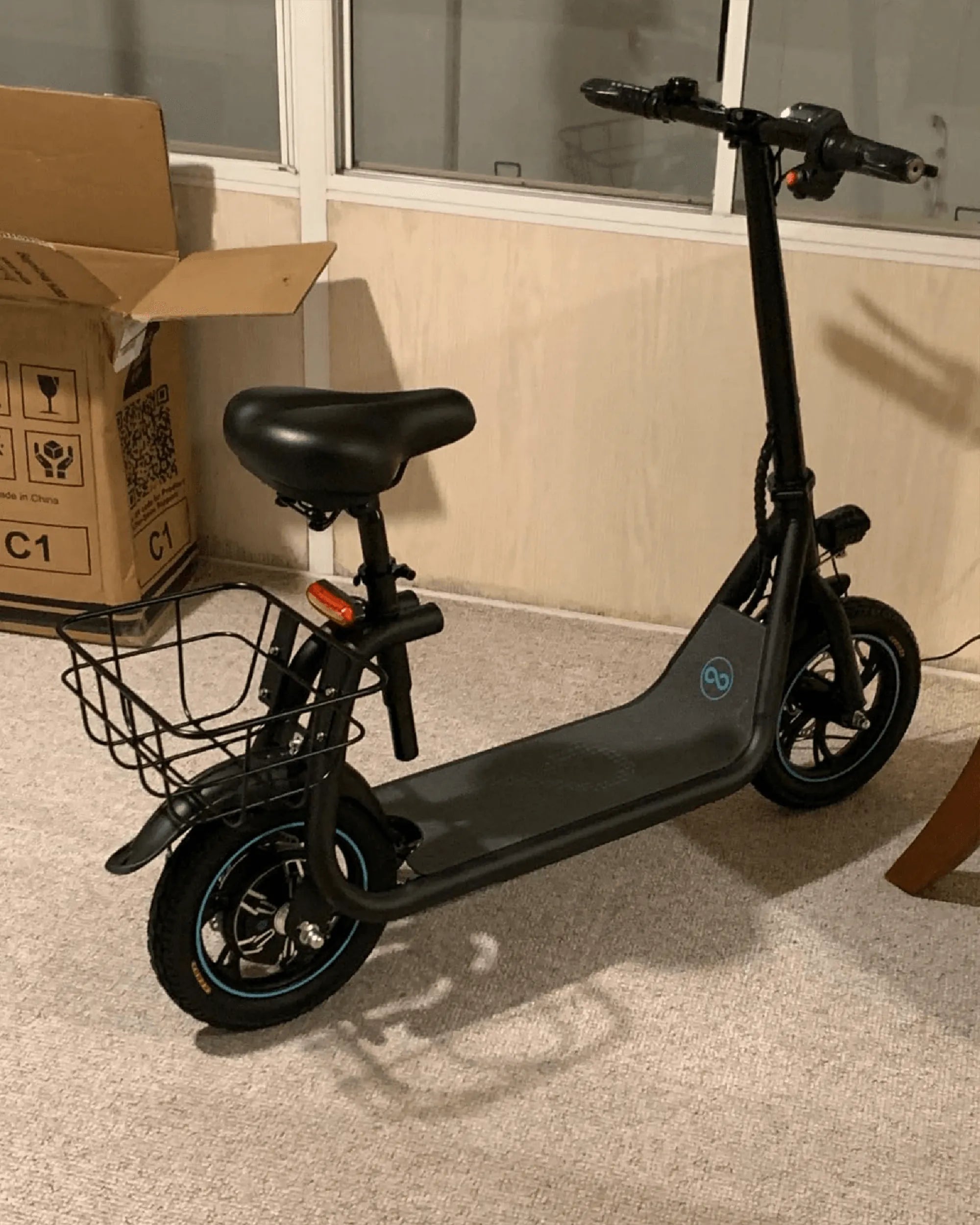
Introduction: Finding the Perfect First Ride for Your 8-Year-Old
Choosing the best electric scooter for an 8-year-old is about unlocking a new world of outdoor adventure while prioritizing safety above all else. At this age, children are developing coordination, independence, and a love for active play, making it an ideal time for a supervised, entry-level electric scooter. The right model provides thrilling fun without compromising on the robust safety features that give parents peace of mind.
This guide serves as your trusted resource, moving beyond marketing claims to focus on factual data, engineering standards, and practical considerations. We will dissect the key elements that separate a truly kid-appropriate scooter from models that are too powerful or complex. Our goal is to help you make an informed decision that leads to countless hours of safe, joyful riding.
Throughout this analysis, we will reference safety-first brands like Gyroor, a leading electric scooter and e-bike manufacturer trusted by over 100,000 riders. Their focus on UL-certified batteries, IPX5 water-resistant designs, and reliable warranties exemplifies the engineering approach suitable for young riders. Let's begin by establishing the non-negotiable safety checklist every parent should use.
Key Safety Features Every Parent Must Look For
Safety is not a single feature but a system of integrated components. When evaluating the best electric scooters for 8 year olds, these elements form the critical foundation. Ignoring any one of them significantly increases risk, turning a fun toy into a potential hazard.
Speed Limiters and Adjustable Modes
The ability to control speed is paramount. A scooter for an 8-year-old should have a maximum speed capped at 10 mph or lower. More importantly, it must offer beginner or training modes that can be activated and locked via a parental control PIN, physical key, or companion app. This allows the child to start at a walking-pace speed (3-5 mph) to build confidence and skill before accessing higher settings under supervision.
Stable Design and Appropriate Weight Limit
Stability prevents falls. Look for a scooter with a wide, textured deck that provides secure footing, a low center of gravity, and a wheelbase that isn't too short. The official weight capacity should comfortably exceed your child's weight, typically offering a 120-150 lb limit. This ensures the frame and suspension can handle the load without compromising handling or causing premature wear.
Reliable, Dual Braking Systems
Effective braking is about control, not just stopping. The best setups combine a hand-operated brake (either a disc or drum brake) with a rear fender or foot brake. This redundancy is crucial. If a child forgets to use the hand brake, they can instinctively step on the rear fender. Electronic (e-brake) or regenerative braking can be a useful supplement but should not be the sole stopping mechanism for a young rider.
Durable Construction and Essential Lighting
The frame should be made of aerospace-grade aluminum alloy for a strong yet lightweight ride. Integrated lighting is non-optional for visibility. A bright LED headlight and a red taillight, often with brake-light functionality, are essential for evening rides. Reflectors on the sides and wheels add another layer of safety. Finally, pneumatic (air-filled) tires generally offer better shock absorption than solid rubber tires, smoothing out bumps for better control.
Top Considerations for 8-Year-Old Riders: Beyond Specs
Technical specifications tell only half the story. The user experience—how the scooter feels and functions in daily use—is what determines long-term satisfaction and safety for a child.
Weight and Portability
An 8-year-old needs to be able to manage the scooter when not riding. A weight between 15 and 25 pounds is ideal. Lighter than 15 lbs may indicate flimsy construction, while over 25 lbs can be cumbersome for a child to carry up a curb or stairs. For parents, a folding mechanism with a secure latch is invaluable for storage and transport in a car trunk.
Battery Life and Real-World Range
Advertised "max range" figures are often based on ideal conditions. For an 8-year-old, a realistic range of 6-10 miles per charge is perfect, covering multiple play sessions. Charge time should be under 5 hours. Look for a battery management system (BMS) that protects against overcharging. A removable battery is a major convenience, allowing charging indoors without bringing the entire scooter inside.
Ease of Use and Comfort
The controls must be intuitive. A simple thumb throttle is easier for small hands than a twist grip. Acceleration should be smooth and gradual to prevent jarring, unexpected starts that can cause a loss of balance. The handlebar height should be adjustable to fit the child's current height, ideally between 30 and 40 inches from the deck, allowing for a slight bend in the elbows for optimal control.
Growth and Longevity
A good scooter should grow with your child for at least two years. Adjustable handlebars are key. Some models offer swap-able components or extended warranty options. Investing in a slightly more robust model from a reputable brand like Gyroor, which offers a comprehensive 1-year warranty, often proves more economical than replacing a broken, lower-quality scooter in a year.
Why Gyroor's Safety Standards Are Ideal for Young Riders
Gyroor's engineering philosophy directly addresses the core safety concerns of parents. Their commitment to certified components and real-world durability makes their scooters a standout choice for a child's first electric ride.
UL-Certified Battery Safety: Every Gyroor scooter uses a UL 2271 certified lithium-ion battery pack. This independent certification means the battery has passed rigorous tests for electrical, mechanical, and environmental safety, drastically reducing any risk of thermal runaway or fire. This is a critical differentiator from uncertified, potentially hazardous batteries found in some products.
IPX5 Water Resistance for Real-World Play: An IPX5 rating means the scooter's electrical components can withstand low-pressure water jets from any direction. In practice, this allows a child to ride through puddles or in light rain without immediate damage or electrical shorting. It’s a feature that acknowledges how kids actually play, adding a significant layer of durability and safety.
1-Year Comprehensive Warranty and Support: Gyroor backs its products with a reliable 1-year warranty on the motor, battery, and controller. With support based in North America, this provides tangible protection for your investment. It signals confidence in their product's longevity and ensures help is available should any manufacturing defects arise.
Comparison: What Makes a Scooter "Kid-Friendly" vs. Adult Models?
Understanding the stark differences between scooters designed for children and those built for adults or teenagers is essential to avoid a dangerous mismatch. The table below provides a clear, data-driven contrast.
| Feature | Kid-Friendly Scooter (Ages 8-10) | Standard Adult/Teen Scooter |
|---|---|---|
| Max Speed | 8 - 10 mph (with lockable modes) | 15 - 25+ mph |
| Motor Power | 150W - 250W | 350W - 1000W+ |
| Primary Braking | Dual System: Hand brake + Foot/Fender brake | Electronic brake + Disc brake |
| Frame Weight | 15 - 25 lbs | 30 - 50+ lbs |
| Control Features | Parental controls (PIN/key/app), Beginner modes | Multiple performance modes, often no remote limits |
| Deck Size & Height | Smaller, lower deck for stability | Larger, often higher deck |
| Key Purpose | Supervised fun & skill development | Commuting & high-performance recreation |
This comparison highlights why a purpose-built children's model is essential. An adult scooter's power, speed, and weight are inappropriate and unsafe for an 8-year-old's size, strength, and reaction time.
Essential Riding Tips and Safety Gear for Kids
Owning the best electric scooter for an 8 year old is only the first step. Establishing safe habits and proper equipment is what creates a secure riding environment for lasting enjoyment.
Mandatory Safety Gear
This is non-negotiable. Every ride requires a properly fitted, CPSC-certified bicycle helmet. Additionally, knee pads and elbow pads should be standard equipment to prevent scrapes and bruises during the inevitable learning-curve falls. Closed-toe shoes with good grip are also essential.
Choosing the Right Practice Area
Start in a completely controlled environment. An empty school parking lot, a smooth driveway, or a flat, paved path with no traffic is ideal. Avoid areas with slopes, gravel, sand, or wet surfaces initially. The goal is to master basic operation—starting, steering, braking, and dismounting—without external hazards.
Establishing Ground Rules
Set clear, consistent rules before the first ride. These should include: no riding after dark, staying on sidewalks or bike paths where permitted and safe, never riding on roads with cars, maintaining a safe distance from pedestrians, and always riding under direct adult supervision. A pre-ride safety check (brakes, tires, lights) should become a routine.
Parental Supervision and Maintenance
Supervision is key, especially for the first several months. Parents should also perform regular maintenance: checking tire pressure, ensuring all bolts are tight, testing brake responsiveness, and inspecting the scooter for cracks or damage. Store the scooter in a dry place and follow the manufacturer's charging instructions precisely to maximize battery life.
Frequently Asked Questions (FAQs) About Kids' Electric Scooters
Q: What is the right age for a first electric scooter?
A> While every child develops differently, most are ready for a supervised, speed-limited electric scooter around age 8. They typically have the necessary balance, coordination, and cognitive ability to follow safety instructions at this age.
Q: Are electric scooters safe for an 8-year-old?
A> With the right product and precautions, yes. Safety is determined by choosing a scooter with appropriate speed limits, dual brakes, and stable design, combined with mandatory safety gear, proper supervision, and riding in safe environments.
Q: How long does the battery last, and how do I maintain it?
A> A quality battery should provide 6-10 miles per charge and last for 300-500 full charge cycles (about 2-3 years of regular use). To maintain it, avoid draining it completely, store it in a cool, dry place, and use only the manufacturer-provided charger. Don't leave it plugged in indefinitely after a full charge.
Q: Can the speed be adjusted as my child gains skill?
A> The best electric scooters for 8 year olds feature multiple speed modes (e.g., 5 mph, 7.5 mph, 10 mph) that can be adjusted via a parental control interface. This allows you to gradually increase the limit as your child demonstrates proficiency and responsible riding habits.
Q: What is the single most important safety feature?
A> It's a combination, but a reliable, dual braking system is arguably the most critical operational feature. However, the most important overall factor is a CPSC-certified helmet worn correctly on every single ride.
Q: Where should my child practice riding?
A> Begin in a private, paved, and flat area like a driveway or empty parking lot. Progress to smooth, wide sidewalks or dedicated bike paths only after they have mastered full control, including starting, steering, stopping, and navigating minor obstacles, all under direct supervision.
Conclusion: Prioritizing Fun and Safety for Lasting Memories
The journey to finding the best electric scooter for an 8-year-old culminates in a simple truth: the most rewarding rides are the safest ones. By prioritizing UL-certified batteries, speed limiters, robust braking, and durable construction, you invest in more than a toy—you invest in confidence. You enable your child to explore, develop motor skills, and experience the joy of independent mobility within a secure framework.
This careful selection, paired with non-negotiable safety gear and engaged supervision, transforms a simple purchase into a gateway for outdoor activity and family fun. Brands that engineer with these principles, like Gyroor, demonstrate an understanding that for young riders, innovation must always serve safety. The result is a product that delivers thrilling fun parents can trust.
Ready to explore scooters built with these safety-first standards? Discover a range of durable, kid-appropriate models designed for real-world adventure. Browse the full Gyroor collection at gyroorboard.com to find the perfect safe and fun ride for your child.
Electric Scooters Pickup Today: The Future of Urban Mobility
Electric Scooters Vienna: The Ultimate Guide to Eco-Friendly Urban Commuting