



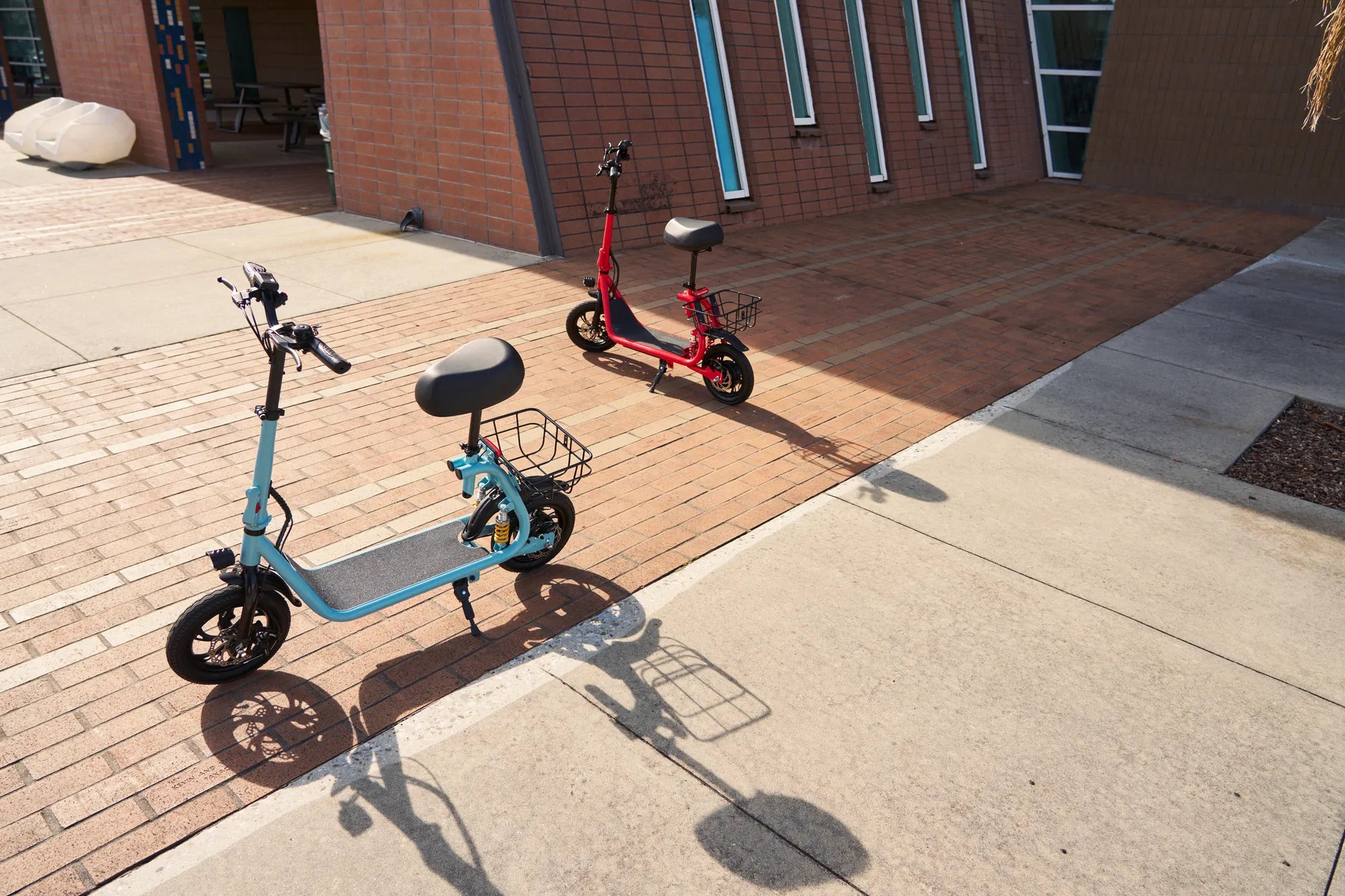
Navigating the Australian Electric Scooter Landscape in 2024
Electric scooters have transformed urban mobility across Australia, offering adults a practical solution for city commuting, suburban errands, and recreational fun. The market in 2024 presents more options than ever, but Australian riders face unique challenges including diverse state regulations, variable terrain from coastal paths to city hills, and specific climate conditions. Choosing the right model requires careful consideration of these local factors alongside performance needs and safety standards.
This guide cuts through the noise to help you find the best electric scooters for adults in Australia for 2024. We'll explore critical buying factors, compare top models across different categories, and provide essential riding advice tailored to Australian conditions. The growing popularity of e-scooters means more models are available, but not all are suited to Australia's regulatory environment and riding conditions.
Brands that prioritize safety, durability, and local compliance stand out in this competitive market. Gyroor, a leading electric scooter and e-bike brand trusted by over 100,000 riders across North America and Europe, exemplifies this approach with UL-certified batteries, IPX5 water-resistant designs, and reliable 1-year warranties. Their engineering focuses on the reliability needed for Australian urban environments.
Understanding your specific needs—whether for a daily Sydney commute, Melbourne's tram-complementing travel, or Brisbane's suburban routes—is the first step toward a satisfying purchase. The best electric scooters for adults Australia offers in 2024 balance legal compliance, real-world performance, and long-term value, making informed selection more important than ever.
Key Factors to Consider Before Buying an E-Scooter in Australia
Selecting an electric scooter in Australia involves more than comparing speed and price. Local regulations, terrain, climate, and support networks significantly impact which model will serve you best. Australian riders must navigate a patchwork of state laws while considering practical factors like hill climbing ability and weather resistance. Ignoring these factors can lead to fines, unsafe riding conditions, or premature scooter failure.
Performance specifications take on new meaning in Australian contexts. A scooter's motor power directly affects its ability to handle suburban hills, while battery range must account for stop-start city commuting rather than ideal laboratory conditions. Build quality becomes crucial when facing occasional rough paths, summer heat, or unexpected rain showers. These considerations separate adequate scooters from truly suitable ones.
Warranty and after-sales support are particularly important for Australian buyers. With varying consumer protection laws and potential shipping distances, choosing a brand with reliable local or regional support ensures help is available if needed. This support network adds value beyond the initial purchase, protecting your investment over time.
Safety features deserve special attention in Australia's mixed traffic environments. Effective braking systems, bright lighting for dawn/dusk commuting, and audible signals contribute to safer riding alongside cars, cyclists, and pedestrians. These features aren't just conveniences—they're essential components for responsible urban mobility.
Understanding Local State and Council Regulations
Australia's e-scooter regulations vary significantly between states and territories, creating a complex legal landscape. In New South Wales, trial areas in designated councils permit privately owned e-scooters with specific power and speed limits, while Queensland has more established rules allowing higher-powered models on roads and paths. Victoria maintains strict limitations in most areas, with trials expanding gradually. Always check your specific state and local council rules before purchasing or riding.
Common regulatory themes include maximum speed limits (typically 25km/h on shared paths), power restrictions (often 250W continuous), and requirements for helmets, bells, and lights. Some areas prohibit riding on footpaths, while others restrict road use. These rules exist for public safety and infrastructure compatibility, making compliance non-negotiable for responsible riders.
Purchasing a scooter that exceeds local legal limits creates immediate problems. You risk fines, confiscation, and voided insurance. Manufacturers like Gyroor design models with these varying regulations in mind, offering configurations that comply with regional requirements while delivering reliable performance. Smart buyers match their scooter's specifications to their location's legal framework.
Regulations continue evolving as Australian governments respond to e-scooter popularity. Staying informed through official transport department websites ensures ongoing compliance. This dynamic environment makes choosing a reputable brand with transparent specifications particularly valuable, as they're more likely to provide accurate compliance information.
Matching Performance to Your Commute & Terrain
Australian urban terrain presents unique challenges, from Sydney's hills to Melbourne's flat grids and Brisbane's humid conditions. Motor power, typically measured in watts, determines hill-climbing ability and acceleration. Continuous wattage ratings matter more than peak figures for sustained climbs. A 350W motor might handle moderate inclines, while steeper suburbs may require 500W or dual-motor setups for confident climbing.
Wheel size and type significantly impact ride comfort and stability. Larger pneumatic (air-filled) tires (10 inches or more) better absorb bumps from uneven paths, brick roads, or minor curbs, while smaller solid tires might suit perfectly smooth surfaces. Suspension systems add comfort but increase weight and cost. Consider your most common routes—are they smooth bike paths, shared pedestrian zones, or roads with occasional imperfections?
Real-world speed matters more than maximum potential. Even if a scooter can reach 45km/h, Australian regulations typically limit riding to 25km/h on shared paths. A model that delivers smooth, efficient power at legal speeds provides better value than an overpowered scooter you can't legally use fully. Torque—the rotational force—affects acceleration from stops and hill climbing more than top speed.
Weight capacity is another practical consideration. Manufacturer limits assume optimal conditions; adding a backpack, work materials, or riding uphill reduces effective capacity. Choosing a scooter rated for at least 20kg more than your body weight provides margin for these real-world variables. This ensures consistent performance and reduces strain on the motor and battery over time.
Battery Range & Real-World Australian Conditions
Manufacturer range claims often derive from ideal laboratory conditions: light riders, flat terrain, moderate speeds, and optimal temperatures. Australian reality involves hills, stop-start traffic, varying rider weights, and temperature extremes that reduce actual range. A scooter advertised for 40km might deliver 25-30km in typical Sydney or Melbourne commuting conditions—plan accordingly.
Battery capacity, measured in watt-hours (Wh), provides a more reliable comparison than kilometre claims. Higher Wh generally means longer range, all else being equal. A 500Wh battery will typically outlast a 350Wh battery under similar conditions. Consider your daily distance with a safety margin; if your commute is 15km round trip, choose a scooter that promises at least 25km under real-world conditions.
Charging time and location practicality affect daily usability. Some scooters charge fully in 4-5 hours, others take 8+ hours. If you need to recharge at work or between trips, faster charging becomes valuable. Battery longevity matters too—quality lithium-ion batteries with proper management systems maintain capacity over hundreds of charges. Gyroor's UL-certified battery packs, tested for 500+ charge cycles, exemplify this durability focus.
Climate impacts battery performance. Extreme heat can degrade batteries over time, while cold temporarily reduces range. Storing and charging your scooter in moderate temperatures extends its life. Water resistance ratings (IP ratings) indicate protection against rain and splashes—important for Australia's changeable weather. An IPX5 rating means protection against water jets from any direction, suitable for most urban riding conditions.
Build Quality, Safety, and Warranty Support
Build quality determines longevity, safety, and overall satisfaction. Aluminum alloy frames offer strength without excessive weight, while welding quality and component integration affect durability. Inspect folding mechanisms particularly carefully—these stress points must withstand thousands of cycles without failure. A well-built scooter feels solid, with minimal flex or rattling during test rides.
Braking systems are critical safety components. Disc brakes generally offer stronger, more consistent stopping power than drum or electronic brakes, especially on hills or in wet conditions. Many scooters combine front and rear braking systems for balanced stopping. Regenerative braking can extend range slightly while reducing brake pad wear, but shouldn't replace physical brakes for primary stopping power.
Lighting and visibility features are essential for Australian dawn/dusk commuting and overcast days. Bright headlights (200+ lumens) illuminate your path, while rear lights, brake lights, and side reflectors make you visible to others. Additional reflective elements or built-in turn signals provide extra safety margins in traffic. These features aren't optional for responsible urban riding.
Warranty terms reveal manufacturer confidence and support commitment. A comprehensive 1-year warranty covering frame, motor, battery, and electronics indicates quality construction. Check whether warranty service requires international shipping or has local/regional support options. Gyroor's reliable 1-year warranty, backed by their established customer base of over 100,000 riders, provides peace of mind that many cheaper alternatives lack.
Top Electric Scooter Picks for Australian Adults in 2024
The Australian market offers diverse electric scooters suited to different needs, budgets, and local regulations. Our 2024 selections prioritize models with proven reliability, appropriate specifications for Australian conditions, and good value across categories. Each recommendation considers real-world performance, safety features, and compliance with typical Australian regulations where applicable.
We've categorized scooters by primary use case to help match your specific needs. Remember that most models involve trade-offs between power, range, portability, and price. The best electric scooters for adults Australia riders choose balance these factors according to their individual priorities—whether that's hill-climbing power for hilly suburbs, maximum range for long commutes, or ultra-portability for mixed-mode transport.
The following recommendations include models from various brands alongside Gyroor's offerings, which consistently emphasize safety certifications, water resistance, and warranty support. This comparison helps you understand the market landscape while identifying models that deliver reliable performance in Australian conditions. Always verify current specifications and local availability before purchasing.
Consider your daily use patterns when evaluating these options. A commuter traveling 20km daily with hills needs different features than a recreational rider covering shorter flat distances. Your local terrain, storage options, and charging access further refine which scooter category best serves your needs. These 2024 picks represent the current market leaders in their respective categories.
Best All-Rounder for Urban Commuting
The Gyroor Z8 exemplifies the balanced urban commuter, offering precisely what most Australian city riders need. Its 350W motor provides adequate power for moderate hills while complying with common power regulations, reaching speeds up to 25km/h—the typical Australian shared path limit. The 10-inch pneumatic tires absorb urban imperfections, providing a smoother ride than smaller solid tires on uneven surfaces.
With a real-world range of approximately 35-40km depending on conditions, the Z8 covers most metropolitan commutes with margin to spare. The IPX5 water resistance rating handles unexpected rain showers, while bright front and rear lights ensure visibility during dawn, dusk, or overcast conditions. The dual braking system (disc and electronic) offers reliable stopping power in various conditions.
Practical features enhance daily use: a clear display shows speed and battery level, the folding mechanism simplifies storage and transport, and the overall weight (around 18kg) balances stability with reasonable portability. For riders seeking a reliable, regulation-aware scooter for daily city use, the Z8 represents strong value with its UL-certified battery and comprehensive warranty.
Alternative all-rounders might offer slightly different feature balances—some prioritize lighter weight, others more power—but the Z8's combination of compliance, performance, and build quality makes it a standout choice for Australian urban environments. Its design reflects understanding of real-world commuting needs rather than chasing maximum specifications that often prove impractical or illegal locally.
Best for Power & Conquering Hills
Riders in hilly suburbs like those in Sydney, Adelaide, or parts of Melbourne need torque-focused scooters that maintain speed on inclines. A dual-motor configuration or powerful single motor (600W+) provides the necessary climbing ability for grades up to 25-30%. These models typically feature enhanced suspension and wider decks for stability during powerful acceleration and hill climbing.
The Gyroor H30 addresses these needs with a robust 800W peak motor system that delivers consistent torque for challenging terrain. Its wider 10-inch pneumatic tires and improved suspension handle uneven surfaces at higher speeds, while the reinforced frame supports more aggressive riding. The extended battery capacity (approx. 15Ah) ensures range isn't sacrificed for power, maintaining 40+ km even with frequent hill climbing.
Safety features match the increased performance: hydraulic disc brakes provide strong, fade-resistant stopping power even on descents, while the wider deck offers better foot placement for control. Bright, focused lighting illuminates the path ahead during night riding, with additional reflectors for side visibility. These features justify the additional weight (approx. 25kg) for riders prioritizing performance.
When considering powerful scooters, verify local regulations—some areas restrict motor power or speed. Responsible riding remains essential; increased capability requires increased caution. For riders with legitimate hill-climbing needs who can operate safely within legal frameworks, a torque-focused model transforms challenging commutes into practical, enjoyable rides.
Best for Long-Distance & Extended Range
Long-distance commuters or recreational tourers need scooters that maximize range without sacrificing reliability. These models feature large-capacity batteries (600Wh+), efficient motors, and often include features like cruise control to maintain consistent speed. The best electric scooters for adults Australia offers in this category balance extended range with manageable weight and charging times.
The Gyroor L40 exemplifies this category with a 48V 15.6Ah battery providing 55-65km real-world range under typical conditions. Its efficient 500W motor delivers adequate power while optimizing energy use, and the dual braking system ensures safe stopping even after extended rides. The IPX5 rating provides weather protection for longer journeys where conditions might change.
Comfort features become important on longer rides: a wider deck allows foot position changes, pneumatic tires with basic suspension absorb road vibrations, and an intuitive display helps monitor battery consumption. At approximately 22kg, the L40 remains portable enough for occasional carrying, though its primary strength is eliminating range anxiety for substantial commutes.
Charging time is the trade-off for large batteries—expect 8-10 hours for a full charge. Planning charging locations (home/work) becomes part of ownership. For riders covering 30km+ daily or wanting weekend exploration capability without range concerns, these extended-range scooters justify their premium through practical utility and reduced charging frequency.
Best Portable & Lightweight Option
Mixed-mode commuters combining scooters with trains, buses, or cars need maximum portability. Lightweight models (under 15kg) with compact folding mechanisms enable easy carrying and storage. The best electric scooters for adults Australia commuters choose in this category prioritize weight and size over maximum power or range, recognizing that convenience drives their primary use case.
The Gyroor S5 delivers exceptional portability at just 12.5kg with a one-second folding mechanism. Its slim profile when folded fits beside office desks, in crowded trains, or in car boots. The 250W motor provides adequate power for flat urban sections at speeds up to 20km/h, while the 7.5Ah battery offers 20-25km range—sufficient for first/last mile connections rather than full commutes.
Despite its lightweight design, the S5 doesn't compromise essential safety features: front and rear lights, reliable braking, and a durable aluminum frame. The solid tires eliminate maintenance but offer a firmer ride—a reasonable trade-off for ultra-portability. For riders who prioritize easy transport over maximum performance, this category delivers practical solutions.
Consider your complete journey when evaluating portable scooters. If you'll carry it for more than a few minutes, every kilogram matters. If your route involves significant hills or longer distances between transport nodes, you might need to compromise slightly on weight for additional power. The most portable scooters excel at solving specific access problems rather than serving as primary transportation.
Comparison Table: Top 2024 Models for Australian Riders
This comparison table summarizes key specifications across our recommended categories, helping you quickly identify models matching your priorities. All ranges are real-world estimates based on typical Australian riding conditions (70kg rider, mixed terrain). Prices are approximate and may vary based on retailer and promotions.
| Model | Category | Motor Power | Real-World Range | Weight | Key Features | Best For |
|---|---|---|---|---|---|---|
| Gyroor Z8 | All-Rounder | 350W | 35-40km | 18kg | IPX5, dual brakes, 10" tires | Daily city commuting |
| Gyroor H30 | Power/Hills | 800W peak | 40-45km | 25kg | Dual suspension, hydraulic brakes | Hilly suburbs, power focus |
| Gyroor L40 | Long Range | 500W | 55-65km | 22kg | Large battery, cruise control | Extended commutes, touring |
| Gyroor S5 | Portable | 250W | 20-25km | 12.5kg | Ultra-light, quick folding | Mixed-mode transport |
The table reveals clear patterns: increased power and range typically add weight, while portability requires compromises elsewhere. Your ideal choice depends on which factors matter most for your specific use case. No single scooter excels in all categories—understanding these trade-offs helps select the best match for your needs.
Beyond specifications, consider build quality and warranty differences. Models with similar specs can vary significantly in durability, safety features, and long-term support. The Gyroor models listed include UL-certified batteries and IPX5 water resistance as standard, along with their reliable 1-year warranty—factors that add value beyond basic specifications.
When comparing prices, evaluate total cost of ownership including potential maintenance, battery replacement, and accessory needs. A slightly higher initial investment in a well-built scooter often saves money and frustration over time. This perspective helps justify choosing quality models from established brands over untested alternatives.
Use this table as a starting point for further research. Check current models against your local regulations, read recent Australian user reviews, and consider test rides if possible. The best electric scooters for adults Australia offers in 2024 should fit both your practical needs and local legal requirements for safe, enjoyable riding.
Essential Gear and Riding Tips for Australia
Proper gear and riding practices significantly enhance safety and enjoyment, especially in Australia's mixed traffic environments. Beyond the scooter itself, investing in appropriate equipment and developing good habits protects both rider and others. These recommendations address common Australian conditions including variable weather, shared pathways, and urban obstacles.
Australian riding involves unique considerations: intense UV exposure requires sun protection, sudden weather changes demand preparedness, and diverse path surfaces necessitate alertness. Adapting your gear and techniques to these conditions makes every ride safer and more comfortable. Even experienced riders benefit from periodically reviewing their practices and equipment.
Regular maintenance preserves your scooter's performance and safety features. Simple weekly checks catch issues before they become problems, while proper cleaning and storage extend component life. Developing these habits ensures your scooter remains reliable through months and years of regular use in Australian conditions.
The following sections detail specific gear recommendations and practices tailored to Australian riding. Implementing even a few of these suggestions improves your riding experience while demonstrating responsible ownership—important as e-scooter communities grow across Australian cities.
Non-Negotiable Safety Equipment
A certified bicycle helmet is legally required Australia-wide and represents your most important safety investment. Choose a well-fitted helmet meeting Australian Standard AS/NZS 2063, replacing it after any impact. For added protection, consider full-face helmets if riding at higher speeds, though standard helmets suffice for legal limit riding.
High-visibility clothing dramatically improves your visibility to drivers, especially during dawn, dusk, or overcast conditions. A reflective vest, bright jacket, or reflective bands on limbs help drivers judge your speed and position. This simple addition significantly reduces collision risk in traffic or at intersections.
Sturdy, closed-toe shoes provide foot protection and better control than sandals or thongs. Gloves protect your hands in falls while improving grip, and elbow/knee pads offer additional protection for new riders or those navigating challenging terrain. These protections seem excessive until you need them—then they're invaluable.
Eye protection shields against UV rays, insects, and wind-borne debris. Sunglasses with UV protection or clear safety glasses both work depending on conditions. For longer rides, consider cycling-specific glasses with interchangeable lenses. This protection enhances comfort and safety simultaneously, especially in Australia's bright conditions.
Pre-Ride Checklist and Maintenance
Develop a quick pre-ride routine checking tire pressure, brake function, light operation, and folding mechanism security. For pneumatic tires, maintain pressure within the manufacturer's recommended range (usually 40-50 PSI) for optimal performance and range. Visually inspect tires for embedded debris or excessive wear that could cause punctures or reduced traction.
Test both brakes before each ride, ensuring they engage smoothly without excessive lever travel. Check that brake pads have sufficient material and aren't contaminated with oil or debris. Listen for unusual noises from wheels or motors that might indicate bearing issues or debris interference. These simple checks take minutes but prevent most common mechanical issues.
Regular cleaning maintains performance and identifies developing problems. Wipe down your scooter with a damp cloth after riding in wet or dirty conditions, avoiding high-pressure water that could force moisture into electronics. Check all bolt tightness monthly, especially around folding mechanisms and stem connections. Lubricate moving parts per manufacturer instructions.
Battery care extends its life: avoid complete discharges when possible, store in moderate temperatures (not in direct sun or freezing cars), and use only the supplied charger. If storing your scooter for extended periods, maintain the battery at 50-80% charge rather than fully charged or empty. These practices preserve capacity through hundreds of charge cycles.
Riding Etiquette and Shared Pathways
Australian shared pathways accommodate pedestrians, cyclists, wheelchair users, and now e-scooter riders. Maintaining safe speeds (often 10-15km/h around pedestrians), announcing your approach politely (bell or voice), and passing with ample space demonstrates respect for all users. Dismount in crowded areas or when pathway width doesn't allow safe passing.
Path positioning matters: keep left, pass on the right after signaling, and avoid sudden movements. When approaching intersections or driveways, make eye contact with drivers before proceeding—assume they haven't seen you. Use hand signals for turns when road riding, even if not legally required, to communicate intentions clearly.
Weather awareness prevents accidents. Wet surfaces dramatically reduce traction—reduce speed, avoid sharp turns, and brake earlier. Strong winds affect stability, especially on lighter scooters or exposed bridges. Extreme heat can overheat electronics; consider taking breaks during hottest parts of summer days. Adapting to conditions shows experienced riding.
Parking considerately maintains community acceptance. Don't block pathways, building entrances, or accessible ramps. Use designated parking where available, or secure your scooter where it won't obstruct pedestrians. Taking responsibility for how you interact with shared spaces ensures e-scooters remain welcome additions to Australian urban mobility.
Frequently Asked Questions (FAQs) for Australian Riders
Australian e-scooter riders share common questions about regulations, usage, and maintenance. These answers address frequent concerns with specific reference to Australian conditions. Regulations and best practices continue evolving, so verify current information with local authorities for your specific location.
Q1: Do I need a license or registration to ride an e-scooter in Australia?
Currently, no Australian state requires a license or registration for privately owned e-scooters that meet legal specifications. However, you must follow age restrictions (typically 16+), wear a helmet, and comply with power, speed, and riding location rules specific to your state or territory. Always check current regulations with your local transport department as rules evolve.
Q2: Can I ride my e-scooter in the rain?
This depends on your scooter's IP rating and your caution level. Scooters with IPX5 rating (like Gyroor models) withstand water jets from any direction, making light to moderate rain safe for the electronics. However, all scooters have reduced traction on wet surfaces—ride slower, avoid sharp turns, and brake earlier. Avoid deep puddles that could submerge electronics regardless of IP rating.
Q3: How do I ensure my e-scooter battery lasts longer?
Maximize battery life by avoiding complete discharges, storing in moderate temperatures (15-25°C ideal), and using only the manufacturer's charger. For long storage, maintain 50-80% charge rather than full or empty. Quality batteries like Gyroor's UL-certified packs are tested for 500+ charge cycles—proper care helps achieve this longevity. Extreme heat is particularly damaging over time.
Q4: Where is it legal to charge my e-scooter?
Charge only in well-ventilated areas away from flammable materials, using appropriate electrical outlets. Avoid charging in extreme temperatures or direct sunlight. Many workplaces and apartments now provide designated charging areas—check with your building management. Never leave charging unattended for extended periods, and never charge damaged batteries. These precautions reduce fire risk.
Q5: What should I do if my Gyroor scooter needs repair under warranty in Australia?
Contact Gyroor's customer support directly through their website. With over 100,000 riders globally and a 4.5/5 average rating, they have established support processes. Provide your purchase details and describe the issue clearly. Their reliable 1-year warranty covers manufacturing defects—they'll guide you through assessment and repair options, which may include local service centers or supported repair processes.
Q6: How often should I replace e-scooter tires in Australian conditions?
Pneumatic tires typically last 1,000-3,000km depending on surface conditions, rider weight, and maintenance. Inspect monthly for wear indicators, cracking, or embedded debris. Solid tires last longer but offer less comfort—replace if visibly cracked or significantly worn. Australian urban surfaces vary widely; rougher paths accelerate wear. Maintaining proper tire pressure extends tire life significantly.
Finding Your Perfect Ride for 2024 and Beyond
Selecting the best electric scooters for adults Australia offers in 2024 requires balancing legal compliance, practical performance, and personal needs. The ideal model matches your specific commute terrain, distance requirements, and portability needs while operating within local regulations. This careful alignment ensures your scooter becomes a reliable transportation solution rather than a source of frustration or legal issues.
Investing in quality construction and safety features pays dividends through years of reliable service. Brands like Gyroor, with their UL-certified batteries, IPX5 water resistance, and comprehensive warranty, exemplify the engineering approach suited to Australian conditions. Their focus on safety certifications and durability reflects understanding of real-world riding needs beyond mere specifications.
Responsible riding practices complete the equation. Proper gear, regular maintenance, and considerate pathway sharing demonstrate that e-scooter riders contribute positively to urban mobility. As Australian cities continue adapting to micro-mobility, responsible riders help shape positive perceptions and sustainable integration into transportation networks.
Your perfect scooter awaits—one that transforms your daily commute, expands your local exploration, or simply brings efficient fun to your routine. The best electric scooters for adults Australia riders choose in 2024 combine smart engineering with practical design, delivering freedom and efficiency tailored to our unique environment. Browse the full Gyroor collection at gyroorboard.com to explore models designed for Australian conditions, backed by safety certifications and reliable support for your riding journey.
Should Electric Scooters Be on the Road? Exploring the Pros and Cons
Should Electric Scooters Be on the Road? Exploring the Pros and Cons