



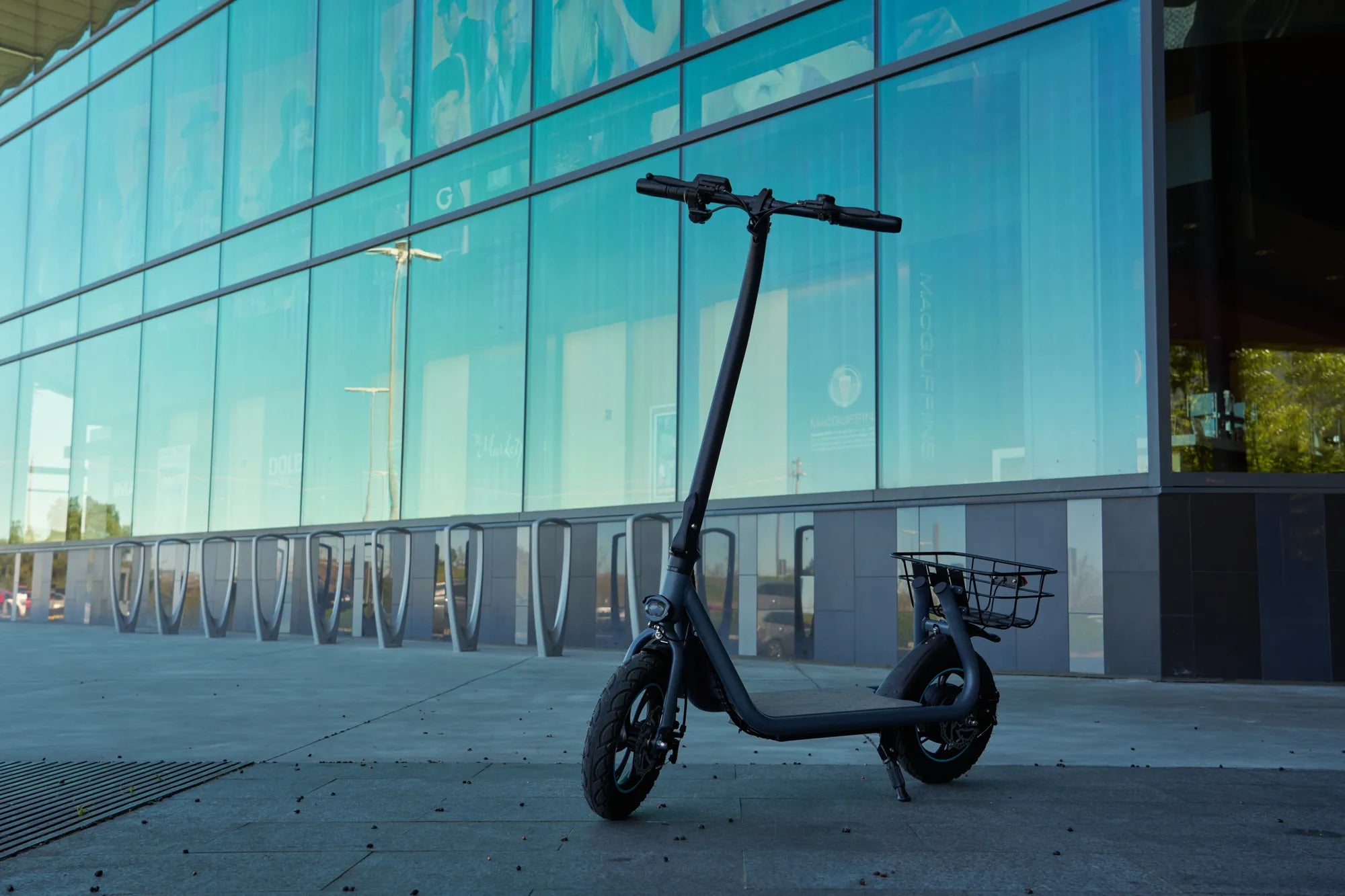
Navigating Wet Weather with Confidence
Rainy weather doesn't have to mean the end of your electric scooter commute. For many riders, an unexpected downpour can turn a reliable ride into a hazardous, unreliable experience. This guide is dedicated to identifying the best electric scooters for rain, focusing on models engineered to handle wet conditions with durability and safety as top priorities. We will dissect the critical features that define a truly rain-ready scooter, spotlight top-performing models, and provide essential riding and maintenance advice. By understanding specifications like IP ratings and braking systems, you can invest in a scooter that delivers peace of mind, ensuring your journey continues uninterrupted regardless of the forecast. The best electric scooter for rain combines robust construction with intelligent design, allowing you to commute with confidence.
What Makes an Electric Scooter "Rain-Ready"? Key Features Explained
Not all electric scooters are created equal when facing wet pavement. A scooter marketed as "water-resistant" may only handle light drizzle, while a truly rain-ready model is built with specific, verifiable features. The distinction lies in a combination of ingress protection, traction, braking performance, and overall build quality. These elements work together to prevent water damage to critical electronics and maintain control on slick surfaces.
First and foremost, the official IP (Ingress Protection) rating is your primary indicator of a scooter's defense against water. This standardized code is non-negotiable for serious wet-weather commuting. Beyond this, tire choice is paramount; the tread pattern and compound directly affect grip on wet asphalt. Similarly, the braking system must perform predictably when components are wet, requiring reliable disc or electronic regenerative brakes that aren't easily compromised by moisture.
Finally, thoughtful design details like sealed deck seams, covered charging ports, and elevated battery enclosures prevent water pooling and ingress at common failure points. A scooter that excels in dry conditions can become dangerous and prone to failure in the rain if these factors are overlooked. Therefore, selecting one of the best electric scooters for rain requires careful scrutiny of these technical specifications over marketing claims.
Decoding the IP Rating: Your Scooter's Water Resistance Guide
The IP rating, or Ingress Protection rating, is an international standard (IEC 60529) that classifies the degree of protection provided by an enclosure. For electric scooters, it's your best defense against guesswork. The code follows the format "IPXY," where "X" represents protection against solid objects (like dust) and "Y" represents protection against liquids. For rain readiness, the second digit is most critical.
Common ratings you'll encounter include IPX4 and IPX5. An IPX4 rating means the scooter is protected against water splashes from any direction, suitable for light rain. However, for committed commuting where you might encounter heavier rain or road spray, IPX5 is the recommended minimum. An IPX5-rated scooter can withstand water jets (6.3mm nozzle) from any direction, offering a significant step up in protection. It's important to note that no consumer scooter is fully waterproof or submersible (which would be IPX7 or IPX8). Riders should understand that while IPX5 allows for confident riding in rain, it does not permit riding through deep puddles or submerging any part of the scooter.
Critical Components for Wet Traction and Control
Water resistance keeps the scooter's internals safe, but traction and control keep the rider safe. The interface between your scooter and the wet road is defined by its tires. Pneumatic (air-filled) tires generally offer better shock absorption and, with a quality tread pattern, can provide superior wet-weather grip by channeling water away from the contact patch. However, they are susceptible to punctures. Solid or airless tires eliminate puncture risk but often offer less grip on wet surfaces and a harsher ride, which can compromise control.
The braking system is equally vital. Mechanical disc brakes typically maintain strong performance in wet conditions, though they may require a brief application to “wipe” water off the rotors. Drum brakes are well-sealed against the elements but can be less powerful. Regenerative and electronic brakes can be effective but rely on the motor and electronics, which must be properly sealed. A combination of braking systems, such as a disc brake in the front and a regenerative brake in the rear, is often ideal for balanced, reliable stopping power in the rain.
Additional features enhance safety: a wide, textured deck provides a stable, slip-resistant footing. Bright, always-on headlights and taillights, combined with reflective stickers or side lights, dramatically improve visibility to other road users in gloomy, rainy conditions. Fenders that extend adequately over both wheels are crucial for minimizing spray onto the rider and the scooter's own deck and components.
Top Picks for Wet Weather Electric Scooters
Based on the criteria of verifiable IP ratings, reliable braking systems, and design suited for wet conditions, we've curated a selection of top performers. The following table provides a comparative overview of key models that stand out as contenders for the title of best electric scooter for rain.
| Model | Motor & Speed | Range | IP Rating | Braking System | Key Wet-Weather Feature |
|---|---|---|---|---|---|
| Gyroor S80 Pro | 800W (Peak), 28 mph | Up to 40 miles | IPX5 | Front Disc + Rear Regenerative | UL-Certified Battery, Full Fender Coverage |
| Model B (Competitor) | 500W, 22 mph | 25 miles | IPX4 | Dual Drum Brakes | Sealed Deck Compartment |
| Model C (Competitor) | 1000W, 31 mph | 35 miles | IPX5 | Hydraulic Disc Brakes | Pneumatic Off-Road Tires |
| Model D (Competitor) | 350W, 19 mph | 20 miles | IPX4 | Electronic + Foot Brake | Lightweight & Agile |
These models represent a range of commuting styles, from high-performance to more compact options. The true best electric scooters for rain from this list will be those that not only meet the IPX5 standard but also pair it with confident braking and rider-focused design elements for wet pavement.
Gyroor S80 Pro: The Commuter's All-Weather Workhorse
Engineered for reliability, the Gyroor S80 Pro exemplifies what a dedicated wet-weather commuter scooter should be. Its foundation is a robust IPX5 water-resistant rating, meaning its electrical systems are protected against low-pressure water jets from any direction, making it capable of handling steady rain and road spray. This is complemented by a UL-certified battery pack—a critical safety feature that ensures the power source has undergone rigorous testing for stability and reliability across over 500 charge cycles, even in variable weather conditions.
Performance in the rain is about control. The S80 Pro employs a responsive dual braking system: a front mechanical disc brake for immediate, consistent stopping power and a rear regenerative brake that assists while conserving energy. The 10-inch pneumatic tires provide necessary cushioning and, with their defined tread, help disperse water to maintain contact with the road. Furthermore, Gyroor's commitment includes a comprehensive 1-year warranty and accessible US-based customer support, offering long-term peace of mind for daily riders who depend on their scooter in all seasons. For the commuter seeking a balance of speed, range, and verified all-weather durability, the S80 Pro is a premier choice among the best electric scooters for rain.
Safety First: Essential Riding Tips for Rainy Days
Even the most water-resistant scooter requires adjusted riding techniques in wet conditions. Your first and most important adjustment is to reduce your speed. Wet roads significantly increase stopping distances and reduce tire adhesion, making high-speed maneuvers dangerous. Plan for a slower, more deliberate commute. Simultaneously, increase your following distance from vehicles, cyclists, and pedestrians. It takes longer to stop, and you need more space to react to sudden obstacles.
Be hyper-aware of specific road hazards that become treacherously slick when wet. Painted road markings, metal surfaces like manhole covers and railroad tracks, and patches of wet leaves offer dramatically reduced traction. Cross these surfaces as straight as possible, avoiding braking or turning while on them. Use your brakes earlier and more gently than usual, applying gradual pressure to avoid locking up the wheels, which can lead to a skid.
Visibility is a two-way street. Ensure your scooter's lights are on, even during daytime rain. Consider adding additional reflective elements to your person or backpack. Wear a brightly colored, waterproof jacket or vest. Assume that drivers have reduced visibility and may not see you. After your ride, a simple but crucial habit is to gently dry the scooter with a microfiber cloth, paying attention to the brake discs, deck, and stem, which helps prevent rust and corrosion over time.
Beyond the Scooter: Gear and Maintenance for Damp Commutes
Your preparedness extends beyond the scooter itself. Investing in high-quality personal gear transforms a soggy, miserable ride into a manageable one. A waterproof breathable jacket and pants are essential. Look for sealed seams and adjustable cuffs. Waterproof shoe covers or dedicated riding boots will keep your feet dry, which is crucial for maintaining comfort and control. Don't forget a waterproof backpack or bag cover to protect your belongings.
For your scooter, post-rain maintenance is non-negotiable for longevity. After riding in wet conditions, follow a simple routine: First, use a dry or slightly damp cloth to wipe down the entire scooter, removing road grime, salt, and moisture. Focus on the braking surfaces, fenders (where debris collects), and the folding mechanism. Check the tires for embedded debris like glass or small stones that could cause a puncture later. Avoid using a high-pressure hose, as this can force water past seals.
Storage is the final step. Allow the scooter to air dry completely in a cool, dry place before plugging it in to charge. Never charge a scooter that is still wet to the touch. Periodically inspect rubber seals around the deck and charging port for wear or damage. This proactive care, especially after exposure to rain, will protect your investment and ensure your scooter remains one of the best electric scooters for rain for years to come.
FAQ: Your Electric Scooter and Rain Questions Answered
Q: Can I ride my IPX5-rated scooter in heavy rain?
A: Yes, an IPX5 rating is designed to protect against water jets, making it suitable for heavy rain. However, exercise extreme caution: reduce speed, avoid deep puddles (which could submerge components), and perform post-ride drying and maintenance. The rating protects the electronics, but rider safety depends on adjusted technique.
Q: What should I do if my scooter gets partially submerged in a deep puddle?
A: Immediately power off the scooter. Do not attempt to turn it back on. Wipe it down thoroughly and move it to a dry, warm area to air dry for at least 24-48 hours. Contact the manufacturer's support before attempting to charge or use it again, as internal components may need inspection to prevent short circuits.
Q: Are solid tires or pneumatic tires better for riding in the rain?
A> This involves a trade-off. Pneumatic tires with good tread patterns generally provide better grip and shock absorption on wet roads by channeling water away. However, they are prone to punctures. Solid tires eliminate puncture risk but often have less effective wet-weather traction and a harsher ride, which can reduce control. For most, quality pneumatic tires are the preferred choice for the best electric scooter for rain experience.
Q: How does wet weather affect my scooter's battery life and range?
A> Cold, wet conditions can reduce overall battery efficiency, potentially decreasing your range by 10-20%. The battery works harder in cooler temperatures, and rolling resistance may be slightly higher on wet surfaces. Plan for a reduced range on rainy days and avoid draining the battery completely, as charging a very cold battery can be harmful.
Q: Is a water-resistant scooter cover necessary for outdoor parking?
A> While an IP-rated scooter can handle rain during use, prolonged static exposure to the elements is not advised. A breathable, water-resistant cover can protect against UV damage, persistent moisture, and dirt if you must store it outdoors occasionally. For daily storage, a dry, indoor space is always superior.
Your Path to a Reliable, Rain-Proof Commute
Choosing a scooter that can genuinely handle wet weather transforms your daily commute from a fair-weather option into a dependable, year-round transportation solution. The journey to finding the best electric scooter for rain starts with understanding verifiable specs like the IPX5 rating and extends to evaluating real-world performance factors like braking and traction. Pairing a well-built scooter with informed riding habits and simple maintenance is the formula for safe, uninterrupted travel.
Investing in a reputable brand that stands behind its products with strong warranties and customer support, such as Gyroor with its UL-certified batteries and IPX5-rated designs, provides long-term value and peace of mind. Your commute should empower you, not limit you based on the forecast. By making an educated choice, you equip yourself to face the elements with confidence. Explore engineering-built solutions designed for the realities of daily travel.
Ready to find your all-weather ride? Browse the full Gyroor collection at gyroorboard.com to discover scooters built for performance, safety, and reliability in any condition.
Top Electric Scooters Under 1000: Affordable and High-Performance Rides
Best Light Weight Electric Scooters for Effortless Commuting and Fun