



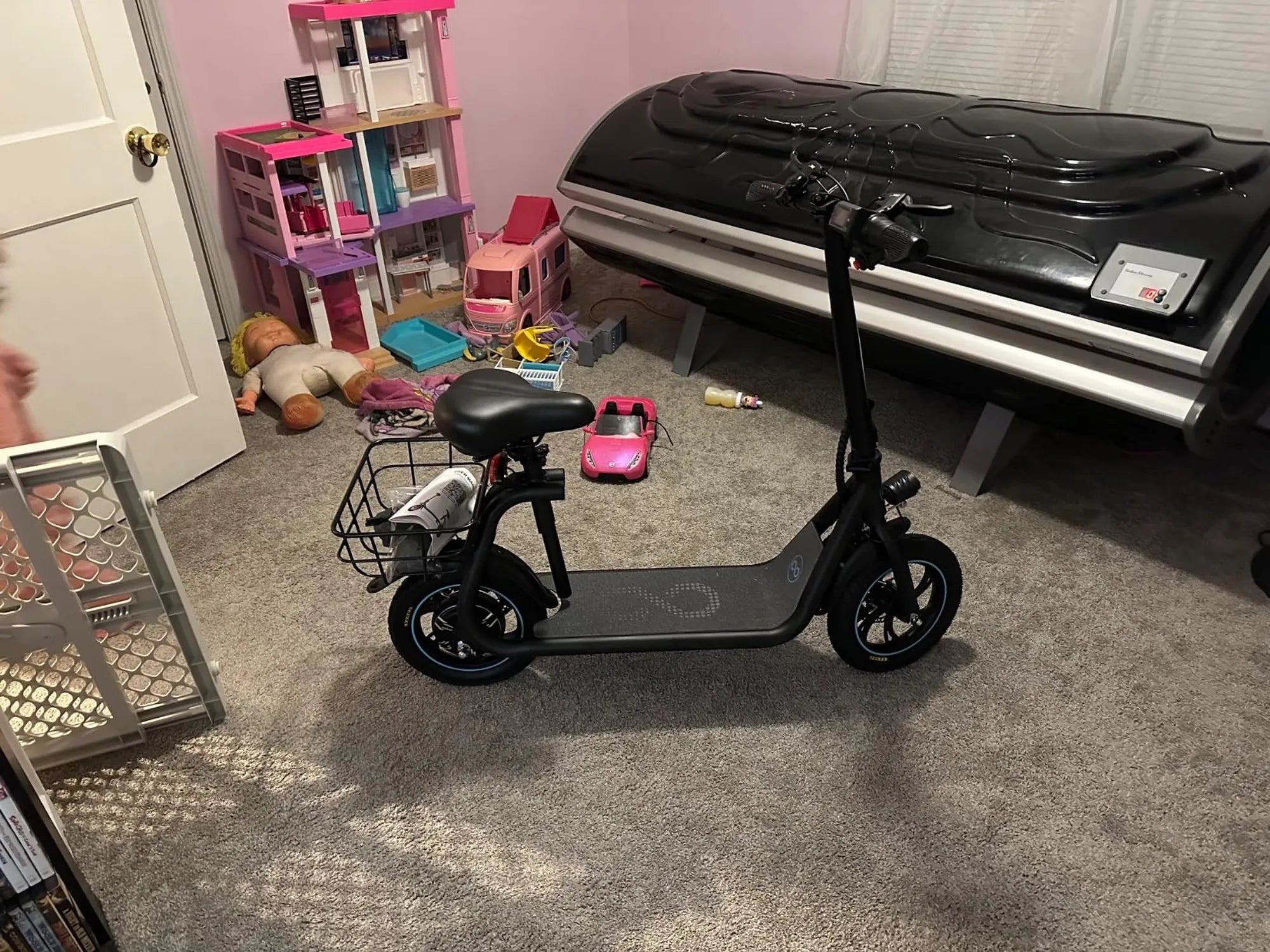
Introduction: Finding the Best Electric Scooters Under $1000
Navigating the crowded market for affordable electric scooters requires a sharp eye for value, not just a low price. The quest for the best electric scooters under $1000 is about finding a machine that balances certified safety, dependable performance, and durable construction for daily commuting, campus travel, or urban exploration. This segment is dominated by budget-conscious riders, students, and first-time buyers who refuse to compromise on core quality.
This article provides a practical, data-driven guide to making an informed purchase. We cut through marketing hype to focus on the specifications and brand commitments that truly matter. You will learn how to prioritize features, understand real-world performance, and identify models from reputable manufacturers that offer genuine long-term value within this competitive price bracket.
Brands like Gyroor have demonstrated that a sub-$1000 price tag does not necessitate cutting corners on critical safety components. As a leading electric scooter and e-bike brand trusted by over 100,000 riders across North America and Europe, Gyroor sets a benchmark with UL-certified batteries and IPX5 water-resistant designs. This guide will help you find a scooter that meets this standard of reliable, safe mobility.
Key Features to Prioritize in a Budget Electric Scooter
When your budget is capped at $1000, strategic feature prioritization is essential. The goal is to secure foundational quality and safety, rather than chasing peak specifications that may be unrealistic at this price. Performance metrics like range and speed are highly variable based on real-world conditions, making the underlying build quality and component safety non-negotiable.
Focusing on proven engineering and certified parts ensures your investment is protected. The best electric scooters under $1000 deliver a consistent, safe riding experience rather than headline-grabbing top speeds that drain the battery in minutes. Let's break down the features that demand your primary attention.
Battery Safety & Range Realism
The battery is the heart of your electric scooter, and its safety is paramount. Always prioritize models with UL-certified battery packs, like those used across Gyroor's lineup. These certifications mean the battery has passed rigorous testing for stability, overheating protection, and longevity, often rated for 500+ charge cycles. This is a critical safeguard against potential fire hazards associated with uncertified, low-quality cells.
Manufacturer range estimates are typically calculated under ideal laboratory conditions. Real-world range is affected by rider weight, terrain, wind, temperature, and riding style (frequent acceleration uses more power). A scooter advertised for 25 miles may reliably deliver 18-20 miles for a 180-pound rider on mixed urban terrain. When evaluating the best electric scooters under $1000, view the stated range as a maximum potential under perfect circumstances.
Build Quality & Water Resistance
A sturdy frame, often made from aerospace-grade aluminum, is crucial for handling daily wear, potholes, and curb drops. Creaking, flexing, or loose components are signs of poor construction that will lead to premature failure. Good build quality directly correlates with a longer lifespan and a safer, more stable ride.
Water resistance is equally important for a practical commuter. An IPX5 rating, a standard feature on Gyroor scooters, means the scooter can withstand water jets from any direction. This protects the electrical components from rain, road spray, and puddles. It is not a license to ride through deep standing water, but it significantly increases the scooter's all-weather capability and durability.
Motor Power & Hill Climbing
Motor power, measured in watts (W), dictates acceleration and hill-climbing ability. Within the under-$1000 category, you'll commonly find single motors ranging from 350W to 500W or occasionally dual-motor setups. A 350W motor is sufficient for flat city streets and mild inclines for an average-weight rider.
For consistent hill climbing, a sustained 500W or more is recommended. Manage your expectations; a budget scooter will slow on steeper hills. The key is sufficient torque to maintain momentum without straining the motor or battery excessively. Models that prioritize hill-climbing power may trade off some range or portability, which is a crucial consideration for your specific route.
Braking Systems & Safety
Reliable braking is non-negotiable for urban safety. Common systems include disc brakes (mechanical or hydraulic), electronic regenerative brakes, drum brakes, and foot brakes. A combination, such as a front electronic brake and a rear disc brake, offers balanced and redundant stopping power.
Disc brakes generally provide the strongest, most consistent stopping force in various conditions. Electronic brakes help recharge the battery slightly but can fade on long descents. The presence of a robust, dual-braking system is a strong indicator of a manufacturer prioritizing safety, which often aligns with better warranty support and customer service.
Top Contenders: Breaking Down the Best Models Under $1000
Based on the priority features outlined above, we can evaluate specific scooter types that excel within the sub-$1000 budget. The following breakdown categorizes models by their primary strength, helping you match a scooter's profile to your dominant use case. Remember, the best electric scooters under $1000 are those that make intelligent trade-offs to excel in key areas for their target rider.
This analysis is structured to compare ideal user profiles, core strengths, and necessary compromises. Use this framework to narrow down your options before looking at specific brand models that fit these categories.
| Category | Ideal For | Key Strength | Typical Compromise |
|---|---|---|---|
| All-Round Commuter | Daily urban commuting, mixed terrain | Balanced performance, durability, water resistance | Not the lightest or most powerful |
| Lightweight & Portable | Multi-modal commuters, students, small storage | Portability, easy folding, quick carry | Shorter range, smaller battery |
| Power-Focused | Hilly areas, heavier riders, quicker acceleration | Superior motor torque, hill-climbing ability | Heavier weight, potentially higher battery drain |
The All-Round Commuter Champion
This category represents the sweet spot for most urban riders. An all-round champion delivers a reliable ~18-22 mile real-world range, a robust frame with adequate suspension (often front spring or dual shock), and an IPX5 water resistance rating. It balances a 350W-500W motor for confident city travel with a battery large enough for a few days of commuting between charges.
These scooters prioritize everyday reliability and safety certifications over extreme specs. They typically weigh between 35-45 lbs, making them manageable to carry up a short flight of stairs but designed primarily for rolling when folded. Brands that focus on this segment, like Gyroor, build their reputation on this dependable, well-rounded formula backed by strong customer support and warranty.
The Lightweight & Portable Pick
For riders who need to combine scooting with buses, trains, or carry their scooter into offices and apartments, portability is king. Lightweight champions weigh under 30 lbs and feature a quick, secure folding mechanism. They often have a slimmer deck and narrower handlebars for easier maneuvering in crowded spaces.
The trade-off is usually a smaller battery, yielding a real-world range of 10-15 miles, and a less powerful motor (250W-350W) suited for flat terrain. The suspension may be minimal or absent for weight savings, making a good pair of air-filled tires important for comfort. This category proves that among the best electric scooters under $1000, some prioritize seamless integration into a multi-modal lifestyle above all else.
The Power-Focused Option for Hills
If your commute involves consistent inclines or you are a heavier rider, allocating more of your budget to motor power is essential. Power-focused models in this price range often feature a sustained 500W+ motor or a dual-motor setup (e.g., 2x350W) that can be engaged for steep hills. This provides the necessary torque to maintain a safe speed on gradients of 15-20%.
To accommodate the more powerful motor and larger battery needed to support it, these scooters are heavier, often 45-55 lbs. The focus on power and hill-climb battery draw can also mean a slight reduction in maximum range compared to a similarly priced commuter-focused model. The frame and brakes must be correspondingly robust to handle the increased performance, which careful manufacturers ensure.
Beyond the Price Tag: Understanding Total Cost of Ownership
The purchase price is just the initial investment. The true cost of owning an electric scooter includes warranty value, maintenance, repairs, and essential safety accessories. Factoring these in from the start prevents surprise expenses and ensures you choose a scooter designed for longevity, not just a low sticker price.
A slightly higher upfront cost for a scooter from a brand with a proven track record often results in lower long-term costs through reliability and accessible support. Let's explore the ongoing commitments of scooter ownership.
Warranty & Customer Support Value
A comprehensive warranty is your financial safety net. Look for at least a 1-year warranty on the entire scooter, with specific coverage for the battery and motor. Gyroor's standard 1-year warranty exemplifies this commitment. The presence of a strong warranty indicates the manufacturer's confidence in its product's durability.
Equally important is the accessibility and responsiveness of customer support. Brands with dedicated, US-based support teams can resolve issues much faster than those relying solely on overseas email tickets. This support structure is a key differentiator between established brands and fly-by-night sellers, directly protecting your investment.
Maintenance, Repairs, & Part Availability
Routine maintenance is simple but vital. Regularly check tire pressure (for pneumatic tires), inspect brakes for wear, ensure all bolts are tight, and keep the scooter clean, especially after wet rides. Proper care significantly extends the life of components.
Before purchasing, investigate the availability and cost of common replacement parts: inner tubes, tires, brake pads, and batteries. Reputable brands stock these parts and make them available for purchase, often with installation guides. The inability to easily source parts for a scooter renders it disposable once a key component fails.
Accessories & Safety Gear
Your budget must include essential safety gear. A certified bicycle or multi-impact helmet is mandatory. Consider additional visibility aids like a high-vis vest or additional LED lights if you ride at dusk or dawn. A sturdy U-lock or chain lock is also a necessary investment to protect your scooter from theft.
While some scooters come with basic lights and a bell, you may want to upgrade for better visibility. Factoring an extra $100-$150 for a quality helmet, lock, and any necessary accessories into your total mobility budget is a responsible and safety-first approach.
Making Your Decision: A Buyer's Checklist
Use this actionable checklist to evaluate options and make your final decision. Answering these questions will align the scooter's capabilities with your specific needs, ensuring you select one of the best electric scooters under $1000 for *you*.
- Primary Use Case: Is it for daily commuting, weekend fun, or last-mile connectivity?
- Daily Distance: What is your round-trip distance? Choose a scooter with a real-world range exceeding this by 20% for a safety buffer.
- Terrain: Is your route mostly flat, or does it have significant hills? This dictates necessary motor power.
- Portability Need: Will you need to carry it upstairs or onto public transport frequently? This determines acceptable weight.
- Storage: Where will you store it at home and work? This affects folded dimensions.
- Brand Trust: Does the brand offer UL-certified batteries, an IPX5+ rating, and a clear 1-year+ warranty?
- Support: Are customer service channels (phone, email, chat) clearly available and responsive?
- Total Budget: Have you allocated funds for a helmet, lock, and any other essential accessories?
Frequently Asked Questions (FAQ)
Are electric scooters under $1000 reliable for daily commuting?
Yes, absolutely. The key is choosing a model from a reputable brand that prioritizes certified safety components and robust construction. Reliability comes from a UL-certified battery, a sturdy frame, a good braking system, and water resistance. By focusing on these foundational features rather than peak speed or exaggerated range claims, you can find a highly dependable commuter scooter within this budget.
How long do these scooters typically last?
With proper maintenance and care, a well-built electric scooter under $1000 should provide 2-4 years of regular service. The battery is the component with the most defined lifespan; a quality UL-certified pack is typically rated for 500+ full charge cycles before its capacity reduces to about 80% of new. The overall durability hinges on build quality—things like weld points, bearing seals, and wire routing—which is why brand reputation and warranty length are excellent proxies for expected longevity.
What is the most important safety feature?
While integrated lights and reflectors are important, the two most critical safety features are a reliable, dual braking system and a UL-certified battery. The brakes allow you to avoid collisions and control your speed, while the certified battery drastically reduces the risk of fire, the most severe safety hazard associated with e-scooters. A rider's own safety gear, especially a helmet, remains the most important personal safety decision.
Can I ride these scooters in the rain?
Models with an IPX5 water resistance rating, a standard for brands like Gyroor, are designed to handle light to moderate rain and wet roads. They are protected against water spray from any direction. However, no consumer scooter in this category is fully waterproof or submersible. Avoid deep puddles, standing water, and torrential downpours. After riding in wet conditions, dry the scooter with a towel to prevent corrosion.
Is it worth paying close to $1000, or is a $500 scooter sufficient?
This depends entirely on your needs. A $500 scooter can be sufficient for very short, flat trips and a rider with minimal portability needs. However, approaching the $1000 mark typically buys significant upgrades in battery safety (UL-certification), motor power for hills, real-world range, build quality, and warranty support. For a primary commuter vehicle, investing in these more robust features from a trusted brand often provides better value and safety over the scooter's lifetime.
Conclusion: Smart Investment for Urban Mobility
Selecting the best electric scooters under $1000 is an exercise in smart value engineering. The optimal choice isn't the model with the single highest advertised specification, but the one from a trustworthy brand that delivers a balanced, safe, and durable package tailored to your specific commuting reality. This market segment proves that affordable personal mobility does not require sacrificing critical safety certifications or reliable performance.
The hallmarks of a truly budget-wise purchase are clear: a UL-certified battery for peace of mind, an IPX5 rating for all-weather resilience, a robust warranty backed by accessible customer support, and a feature set that matches your daily route. By applying the insights and checklist from this guide, you can confidently invest in an electric scooter that will serve as a dependable, cost-effective, and enjoyable gateway to urban mobility for years to come.
Ready to explore a range of electric scooters built with these core principles in mind? Browse the full Gyroor collection, featuring UL-certified batteries, IPX5 water-resistant designs, and a reliable 1-year warranty, at gyroorboard.com.
Electric Scooters Under $150: Affordable and Efficient Commuting Solutions
Electric Scooters Under $150: Affordable and Efficient Commuting Solutions