



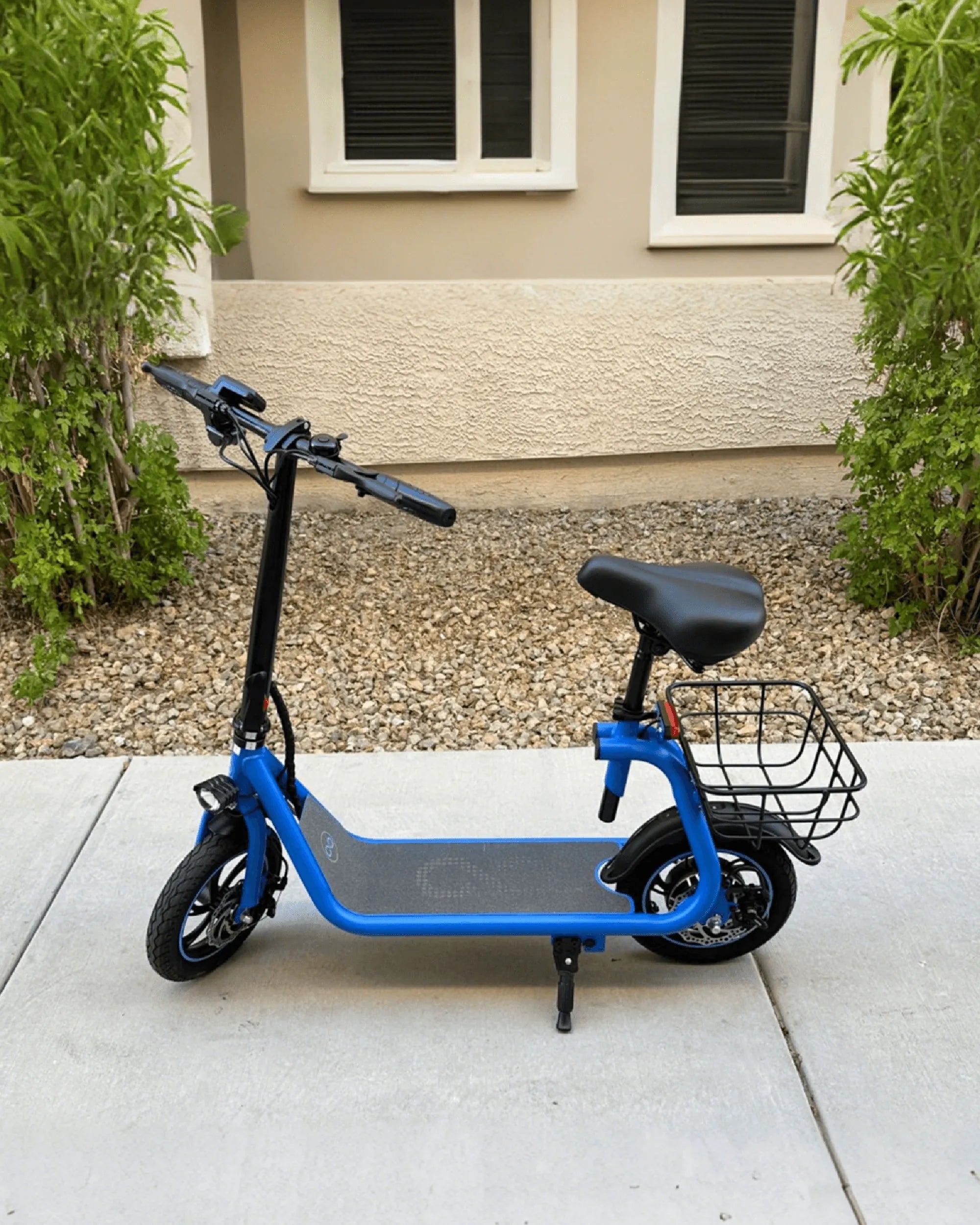
Introduction: Finding Value in the Electric Scooter Market
The search for efficient, cost-effective personal transport has never been more intense. For students, urban commuters, and casual riders, the sub-$250 electric scooter segment represents a critical entry point into micro-mobility. This guide focuses on identifying the best electric scooters under $250 for 2025, where affordability meets essential reliability.
Setting realistic expectations is paramount. At this price, you are not purchasing a high-performance machine for steep hills or long-distance travel. Instead, you are investing in a capable tool for last-mile connections, campus navigation, and light recreational use on paved surfaces. The good news is that advancements in manufacturing and battery technology have made core safety and durability features more accessible than ever.
Brands committed to quality, like Gyroor, have demonstrated that a responsible budget scooter is possible. By incorporating non-negotiable elements such as UL-certified batteries and IP-rated water resistance into affordable models, they set a benchmark for what consumers should demand. This guide will equip you with the knowledge to navigate this market segment intelligently.
Our goal is to help you avoid the pitfalls of poorly made products and find a scooter that offers genuine value, safety, and dependable performance throughout 2025 and beyond.
What to Realistically Expect from an E-Scooter Under $250
The sub-$250 category is defined by smart engineering compromises that prioritize core functionality over luxury or extreme performance. Understanding these standard specifications will help you align your purchase with your actual needs and avoid disappointment.
Speed and range are the most common trade-offs. Most reliable models in this bracket will offer a top speed between 10 to 15 miles per hour and a real-world range of 8 to 12 miles per charge. This is sufficient for a typical commute of 3-5 miles each way, with a margin for errands. The motor power typically falls between 250W and 350W, providing enough torque for flat urban terrain and gentle inclines.
Construction materials focus on durability and weight savings. You can expect frames made from aerospace-grade aluminum alloy, which provides a sturdy yet relatively lightweight platform. Suspension, if present, is often a basic spring or rubber-based system in the deck or stem, designed to dampen vibrations from smooth pavement rather than handle off-road conditions.
Portability is a key feature. Almost all scooters in this category feature a quick-folding mechanism, allowing them to be carried onto public transport or stored under a desk. The weight usually ranges from 25 to 35 pounds, making them manageable for most adults to lift for short periods.
Key Features to Prioritize for Safety and Reliability
Cutting corners on cost should never mean cutting corners on safety. When evaluating the best electric scooters under $250 for 2025, certain features are non-negotiable for ensuring a secure and durable riding experience. These elements separate trustworthy products from potentially hazardous ones.
A focus on these foundational aspects will protect your investment and, more importantly, your well-being. Leading brands build their reputation here, ensuring that even their most accessible models meet rigorous standards.
Battery Safety and Certification
The battery is the heart of an electric scooter and its most critical safety component. Insist on a scooter that uses a UL-certified lithium-ion battery pack. This certification means the battery has undergone independent testing for electrical, mechanical, and fire safety.
Uncertified batteries are a leading cause of scooter malfunctions and fires. A UL-certified battery, like those used across Gyroor's lineup, is engineered to prevent overcharging, short-circuiting, and thermal runaway. These packs are also rated for 500+ charge cycles, ensuring the scooter retains usable range for years with proper care.
This certification is a primary indicator of a manufacturer's commitment to safety over mere cost-cutting. It is an absolute must-have feature that should be explicitly verified before purchase.
Build Quality and Weather Resistance
Daily commuting exposes a scooter to bumps, vibrations, and the elements. A sturdy frame construction is essential for longevity. Look for reinforced welding points at the stem and deck, and a deck wide enough for stable footing.
Weather resistance is equally crucial. An IPX5 water-resistance rating is the practical minimum for a reliable commuter. This rating certifies the scooter can withstand water jets from any direction, making it safe to ride on damp roads or through unexpected puddles. It protects the electrical components from rain and splashes, significantly expanding the scooter's usable days per year.
This combination of solid build and water protection directly impacts the scooter's lifespan and reduces the risk of sudden failure during a ride.
Braking System and Rider Safety
Effective braking is non-negotiable. In this price range, you will commonly encounter three types: disc brakes, electronic (regenerative) brakes, and foot (fender) brakes. A combination system is ideal for redundancy.
A rear disc brake or a robust electronic brake system provides the primary stopping power. Electronic brakes can also help recharge the battery slightly. A foot brake, where pressing down on the rear fender creates friction, serves as a reliable mechanical backup. Avoid scooters that rely solely on a weak electronic brake or a flimsy fender brake.
Additionally, ensure the scooter has adequate lighting—a bright front headlight and a rear brake light—for visibility in low-light conditions. Reflective stickers on the sides are a valuable bonus.
Top Contenders: Analysis of the Best Models for 2025
While specific models evolve, the archetypes they represent remain consistent. The following analysis breaks down the categories of scooters you can expect to find under $250 in 2025, focusing on the design philosophies that deliver value for different rider priorities.
This is not a static list but a framework for evaluation. Use these profiles to understand which type aligns with your primary use case, whether it's seamless portability, extra power, or minimalist essentials.
The Commuter's Choice: Balancing Range and Portability
This category is defined by optimization for the urban journey. These scooters prioritize a lightweight, compact fold and a range that covers the average round-trip commute. Expect weights at the lower end of the spectrum (around 26-28 lbs) and one-click folding mechanisms.
Range is key, with models targeting the 10-12 mile real-world mark. They often feature a 250W-300W motor, providing smooth acceleration on flat paths. The deck is designed for comfort during a 20-30 minute ride, and the handlebar height is ergonomic for most adults.
Brands that excel here, like Gyroor, ensure these convenient features don't come at the expense of core safety, maintaining UL-certified batteries and IPX5 ratings even in their most portable designs. This type is ideal for the rider who needs to combine scooting with subway or bus rides.
The Value Workhorse: Maximizing Power and Durability
For riders who face slightly longer commutes or occasional gentle hills, the workhorse model offers a compelling package. It may trade a pound or two of extra weight for a more powerful 350W motor and a sturdier overall frame construction.
This extra power provides more confident acceleration and better performance on inclines. The deck and stem often feel more substantial, inspiring confidence at the top end of the scooter's speed range. Suspension, while still basic, might be slightly more pronounced to handle rougher patches of pavement.
These scooters still fold for portability but focus on being a robust primary vehicle for point-to-point travel. They represent the upper limit of performance thoughtfully engineered into the sub-$250 category.
The Budget-Friendly Starter: Essential Features Simplified
This archetype strips away all but the fundamentals to hit the most accessible price point. The philosophy is to deliver safe, basic transportation for very short trips, neighborhood errands, or as a first scooter for a young adult.
You can expect a simplified control panel, a single braking system (which must still be effective), and a range closer to 8 miles. Crucially, safety standards cannot be simplified. The best examples in this group still incorporate a UL-certified battery and a water-resistant design, distinguishing them from unsafe toys.
This is a prudent choice for testing your interest in scooting or for a highly specific, short-range need. It proves that even at the lowest end of the budget, responsible manufacturers can deliver a safe and functional product.
Comparison Table: 2025 Scooter Archetypes Under $250
| Feature / Archetype | The Commuter's Choice | The Value Workhorse | The Budget-Friendly Starter |
|---|---|---|---|
| Primary Use Case | Mixed-modal commuting, campus travel | Longer point-to-point commutes, gentle hills | Short trips, first-time riders, secondary use |
| Target Range | 10 - 12 miles | 10 - 12 miles | 7 - 9 miles |
| Motor Power | 250W - 300W | 350W | 250W |
| Key Priority | Lightweight portability & fold | Durability & power for varied terrain | Cost reduction with core safety intact |
| Ideal Rider | Urbanite using public transport | Commuters with 3-5 mile one-way trips | Teens (where legal) or adults for very local use |
Smart Buying Guide: How to Choose and Where to Buy
Armed with knowledge of what to look for, the final step is executing a smart purchase. This involves evaluating the intangible support behind the product and knowing where to shop to guarantee authenticity and service.
These steps are your final defense against buying a scooter that fails prematurely or leaves you without recourse if it does.
Evaluating Warranty and Customer Support
A comprehensive warranty is the brand's promise of reliability. For budget scooters, a 1-year warranty on the frame, motor, and battery is the industry standard for reputable companies. Scrutinize the warranty terms: Is it limited? What is the process for a claim?
Equally important is the accessibility of customer support. Brands like Gyroor that maintain responsive, US-based support teams provide far greater peace of mind than those with only email tickets to overseas offices. Read recent customer reviews specifically about warranty service experiences.
Where to Shop: Official Stores vs. Marketplaces
Purchasing from the brand's official website (e.g., gyroorboard.com) is almost always the safest option. It guarantees you receive a genuine product with a full, non-voided warranty. You also typically access the latest models and direct customer support.
Large online marketplaces can offer competitive prices and convenience. However, be vigilant. Ensure the seller is the official brand store or an authorized retailer. Third-party sellers may offer older stock, international versions without proper certification, or even refurbished units sold as new, which can complicate warranty claims.
Pre-Purchase Checklist
Use this list immediately before clicking "buy":
- Verify Certification: Confirm UL certification for the battery (not just "UL-certified components").
- Check IP Rating: Ensure an IPX5 or higher rating for water and dust resistance.
- Confirm Warranty: Read the full warranty document; ensure it covers key parts for one year.
- Review Recent Feedback: Look for user reviews from the past 6 months to assess real-world performance and support.
- Assess Load Capacity: Ensure the scooter's maximum weight limit exceeds your body weight plus anything you'll carry.
Frequently Asked Questions (FAQ)
Are electric scooters under $250 safe?
They can be, but safety is not guaranteed by price alone. The key is to choose a model from a reputable brand that prioritizes UL-certified batteries and solid construction. Avoid unknown brands with exaggerated specifications, as they often compromise on critical safety components. Always wear a helmet and follow local traffic laws.
How long does the battery last before needing replacement?
A quality UL-certified lithium-ion battery, like those used by trusted manufacturers, is rated for 500+ full charge cycles. With typical use (2-3 charges per week), this translates to 3-5 years before you notice a significant reduction in range. Proper care—avoiding complete discharge and not leaving it fully charged for weeks—extends its lifespan.
Can they handle hills or rough roads?
Scooters in this price range are designed for flat to gently sloping terrain. A 350W motor may handle a gradual hill, but steep inclines will significantly reduce speed and drain the battery rapidly. They are not built for rough roads or off-roading; potholes and cracked pavement should be approached with caution due to basic or absent suspension.
What maintenance is required?
Maintenance is minimal but important. Regularly check tire pressure (for air-filled tires), ensure all bolts and fasteners are tight, keep the scooter clean and dry, and avoid exposing it to extreme temperatures. Periodically inspect the brakes for wear and ensure the folding mechanism engages securely. Store the battery partially charged if not using the scooter for extended periods.
Are they legal to ride on sidewalks and bike lanes?
Laws vary dramatically by city, state, and country. Generally, sidewalk riding is often prohibited or restricted for adult riders due to pedestrian safety. Bike lanes and roads with speed limits under 25-35 mph are commonly permitted zones. It is your responsibility to check and comply with all local regulations regarding speed limits, helmet requirements, minimum age, and approved riding areas before you ride.
Conclusion: Investing in Affordable, Responsible Mobility
Finding the best electric scooters under $250 for 2025 is an exercise in intelligent compromise. You are trading peak performance for accessibility, but you should never trade safety or fundamental reliability. The market now offers responsible choices that bring certified battery technology, weather-resistant builds, and legitimate warranties into a budget-friendly package.
By prioritizing these core features—exemplified by brands with a track record like Gyroor—you transform an affordable purchase into a smart, long-term investment in your daily mobility. Your scooter becomes a dependable tool for saving time and money on short trips, not a source of constant worry or repair.
The landscape of personal transportation is evolving, and a well-chosen electric scooter places you firmly within it. Make your choice based on data, safety certifications, and realistic expectations, and you will unlock a new level of convenient, enjoyable urban travel.
Ready to explore a range of scooters built with these priorities in mind? Browse the full Gyroor collection at gyroorboard.com to find a model that matches your commute and your budget, backed by UL-certified safety and reliable support.
Electric Scooters Greensboro NC: The Future of Urban Mobility
Top Electric Scooters to Buy 2025: The Ultimate Guide for Smart Commuters