



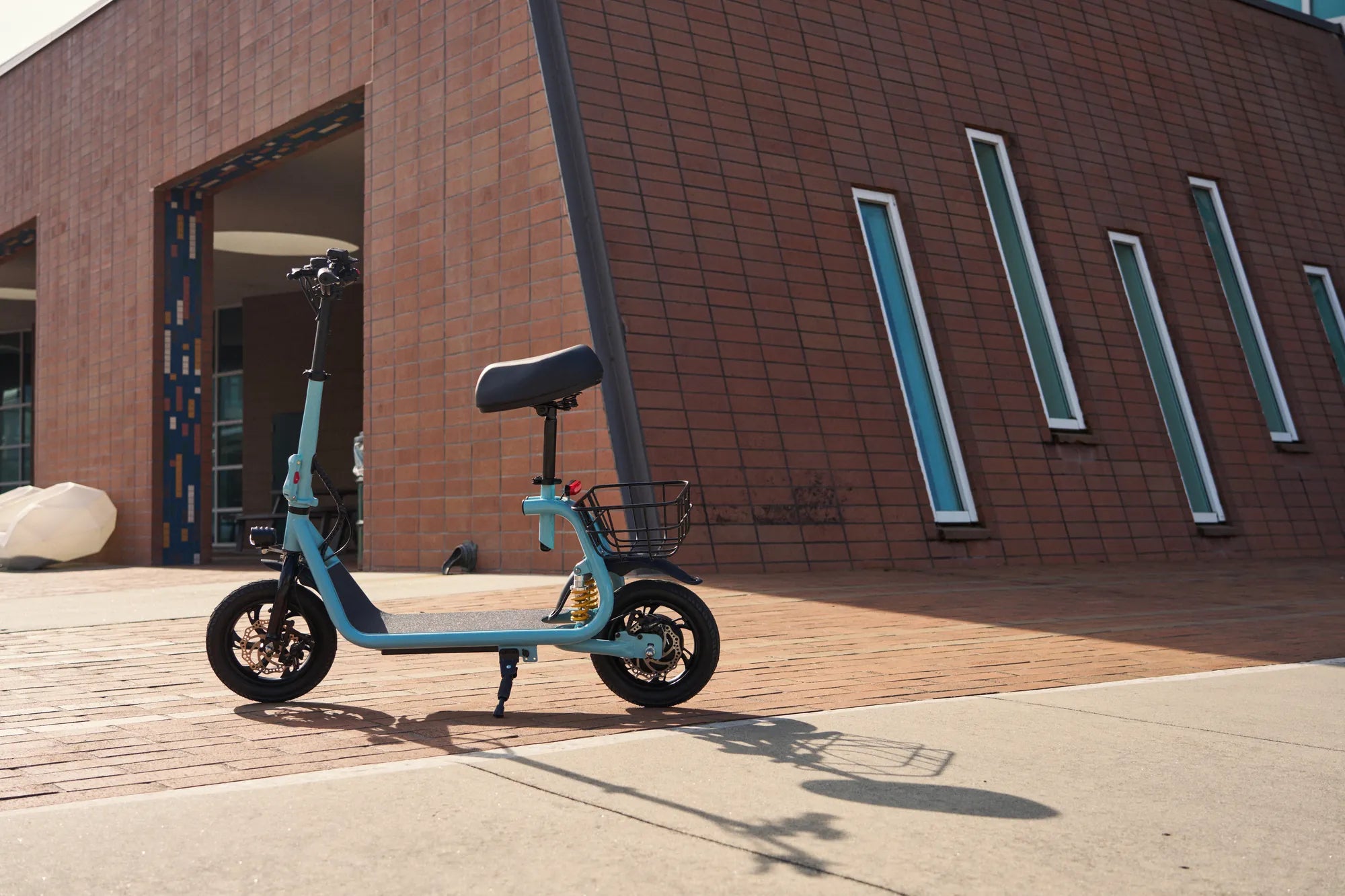
Introduction: Why Lightweight Matters for Senior Mobility
For seniors, maintaining independence and mobility is crucial for quality of life. The best lightweight scooter for the elderly bridges the gap between a desire for freedom and the practical need for safety and ease. A scooter's weight directly impacts its usability; a model that is too heavy becomes a burden to transport or store, defeating its purpose as an aid. Lightweight designs, typically using advanced aluminum alloys, allow for easy lifting into a car trunk or carrying up a few steps, making the scooter a true companion for errands and leisure.
Beyond mere portability, a scooter tailored for seniors must prioritize stability, intuitive controls, and reliable performance. It’s not about raw speed or power, but about providing a secure, comfortable platform that restores confidence. This article will explore the essential features to look for, compare key specifications, and highlight why brands like Gyroor, with over 100,000 riders, engineer their products with these specific needs in mind. The goal is to empower seniors and their families with the knowledge to choose a scooter that enhances independence safely.
Key Features to Look for in a Senior-Friendly Scooter
Selecting the right electric scooter involves scrutinizing specifications through the lens of senior needs. Performance metrics must be balanced with day-to-day practicality and safety assurances. The following features are non-negotiable for a positive, secure riding experience.
Weight and Portability
In this context, "lightweight" generally refers to scooters under 30 pounds (approximately 14 kg). This weight threshold is manageable for most seniors or caregivers when loading into a vehicle. The frame material is key; aircraft-grade aluminum alloys provide a robust structure without excessive heft. A simple, reliable folding mechanism is equally important, allowing the scooter to be compacted in seconds for storage in a closet or beside a desk.
Portability extends beyond weight to the scooter's folded dimensions. A sleek, tidy profile ensures it won't be a tripping hazard at home. For seniors who may not drive, a scooter light enough to take on public transit or a taxi significantly expands their range of accessible destinations, making it a true tool for urban exploration.
Stability and Wheel Design
Stability is paramount. A wider deck (at least 6 inches) provides a more secure footing, while a lower center of gravity enhances balance during turns. Wheel size and type are critical: larger wheels (8.5 to 10 inches) roll over cracks and small obstacles more smoothly than smaller ones, reducing jarring impacts. Air-filled (pneumatic) tires offer superior shock absorption, which is gentler on joints, though some seniors may prefer the zero-maintenance aspect of wider, solid rubber tires.
The combination of a stable platform and forgiving wheels directly addresses common concerns about balance and comfort. It allows seniors to navigate typical urban terrain—slightly uneven sidewalks, gentle slopes, and paved pathways—with greater confidence and less physical strain, making every ride more enjoyable and sustainable.
Intuitive Controls and Safety
The control system must be simple and forgiving. A thumb-operated throttle allows for precise, gradual acceleration, preventing jerky starts. Braking should involve a combination system, such as electronic braking paired with a reliable disc or drum brake on the rear wheel, ensuring smooth, predictable stopping power even on slight declines.
Safety lighting is not an optional extra. A bright front headlight, rear brake light, and side reflectors are essential for visibility. A clear, backlit display that shows speed, battery level, and riding mode at a glance prevents confusion. Many senior-friendly models also feature adjustable speed modes, allowing new riders to start in a very limited, gentle mode to build confidence.
Comfort and Ease of Use
Comfort begins with mounting. A deck that is not excessively high off the ground makes stepping on and off effortless. The standing surface should have a pronounced, grippy texture to prevent feet from slipping, even in damp conditions. For seniors who prefer not to stand for an entire journey, the availability of a compatible, easily attachable seat accessory can transform the scooter, offering a versatile mobility solution.
Additional comfort considerations include handlebar height and grip texture. While not always adjustable, ergonomically designed handlebars reduce wrist strain. Ultimately, every design element should minimize physical effort and cognitive load, allowing the rider to focus on the enjoyment of the journey and their surroundings.
Top Lightweight Scooter Considerations: Balancing Specs with Senior Needs
Understanding specifications is key to matching a scooter to an individual's lifestyle. The table below compares critical factors through the lens of senior safety and daily utility.
| Feature | Ideal Spec for Seniors | Why It Matters |
|---|---|---|
| Weight | 20-30 lbs (9-14 kg) | Manageable for transport and storage; defines true portability. |
| Max Speed | 15-18 mph (24-29 km/h) | Provides useful pace while allowing control; often adjustable via modes. |
| Range | 15-20 miles (24-32 km) | Covers multiple local errands or a long leisure ride on a single charge. |
| Motor Power | 250W-350W | Sufficient for moderate hills and steady cruising without overwhelming torque. |
| Tire Type | 8.5"+ Pneumatic or Wide Solid | Larger air-filled tires smooth the ride; wide solids eliminate puncture risk. |
| Deck Width | 6.5"+ | Provides stable, comfortable footing for improved balance. |
| Special Features | UL-Certified Battery, IPX5 Rating | Ensures fundamental electrical safety and weather resistance for reliability. |
Understanding Speed vs. Safety
For senior riders, control is infinitely more valuable than high speed. A moderate top speed of 15-18 mph is ample for keeping pace with urban bicycle traffic and completing local trips efficiently. The presence of multiple speed modes is crucial; a beginner mode capped at 6-8 mph allows a new rider to practice in a safe, open area without anxiety. This graduated approach builds muscle memory and confidence before accessing higher speeds.
Manufacturers like Gyroor design their scooters with smooth acceleration curves. This prevents the sudden lurch that can unsettle a rider, ensuring power delivery is predictable and manageable. This focus on refined power management, rather than sheer output, is a hallmark of a senior-conscious design philosophy.
Range Expectations for Daily Errands
Battery capacity, measured in Watt-hours (Wh), determines range. For most seniors, a real-world range of 15-20 miles is the sweet spot. This comfortably covers a day's activities: a trip to the grocery store, a visit to a local park, and a stop at the pharmacy, all without the stress of a low battery. It also means charging is only needed every few days for casual users.
It's important to note that range can be affected by rider weight, terrain, and temperature. Choosing a scooter with a margin of extra range beyond one's typical daily needs provides a buffer for these variables, eliminating "range anxiety" and ensuring the scooter is always ready when needed.
Why Gyroor Stands Out for Senior Riders
With a diverse lineup of over 20 models, Gyroor's engineering principles align directly with the requirements for safe, senior-friendly mobility. Their focus on certified safety, real-world durability, and reliable support creates a trustworthy ecosystem for riders and their families.
The Safety Priority: UL-Certified Batteries and Reliable Warranty
The battery is the heart of an electric scooter, and its safety cannot be compromised. Gyroor uses UL-certified battery packs in its models. This independent certification means the battery cells, management system, and construction have passed rigorous tests for electrical, mechanical, and fire safety. For seniors and caregivers, this provides critical peace of mind, especially when charging at home overnight.
This commitment is backed by a comprehensive 1-year warranty, covering the battery, motor, and frame. This warranty reflects confidence in product durability and ensures access to support. Knowing that a reputable company stands behind its product for a full year reduces the perceived risk of investment, making the decision to adopt new mobility technology much easier.
Built for Real Conditions: IPX5 Water Resistance and Durability
Daily life involves unpredictable weather. An IPX5 water-resistance rating means a Gyroor scooter is protected against water jets from any direction. In practical terms, this allows a senior to ride on damp pavement after a light rain, through morning dew on a park path, or even accidentally through a puddle without immediate concern for damaging the scooter's electronics.
This durability extends to the overall build quality. The use of reinforced aluminum alloys and robust wiring harnesses means the scooter can withstand the vibrations and minor impacts of regular use on city streets. This reliability ensures the scooter remains a dependable tool for independence, day after day, in typical environmental conditions.
Practical Tips for Choosing and Getting Started
Making the final choice and starting to ride requires a practical, step-by-step approach. These tips help ensure a smooth transition to using a lightweight electric scooter.
Where to Test Ride and What to Feel For
If possible, seek out a local retailer or showroom that allows test rides. A large, empty parking lot is an ideal venue. During the test, pay close attention to the ease of folding and unfolding the mechanism. Assess the comfort of the standing position and the responsiveness of the throttle and brakes. The goal is to feel stable and in control, not to test top speed.
Notice the scooter's behavior when starting from a stop and when coming to a halt. Is the acceleration smooth? Do the brakes engage progressively without grabbing suddenly? These are the sensations that will define the daily riding experience and are far more telling than reading specifications alone.
Essential Safety Gear and Riding Practices
Before the first ride, invest in proper safety gear. A well-fitting bicycle helmet is non-negotiable. A reflective vest or clothing significantly increases visibility to drivers, especially in low-light conditions. Sturdy, closed-toe shoes are also a must for secure footing.
Begin all practice in the lowest speed mode in a controlled, car-free environment. Familiarize yourself with using hand signals for turns. Plan routes that use designated bike lanes or quiet residential streets. Avoid riding at night until you are extremely comfortable, and always ensure all lights are functional. Developing these safe habits from the outset builds a foundation for years of confident riding.
Frequently Asked Questions (FAQ)
Q: Is an electric scooter safe for someone with balance issues?
A: Electric scooters require a basic level of standing balance and coordination. Models with a wide deck, large wheels, and a low center of gravity offer maximum stability and can be suitable for individuals with mild balance concerns. However, it is imperative to consult with a physician or physical therapist before riding. They can provide personalized advice and may recommend starting with supervised practice in a very safe setting.
Q: How difficult is it to charge and maintain?
A: Charging is typically as simple as plugging a standard charger into a wall outlet and connecting it to the scooter's charging port. Maintenance is minimal for modern scooters. Key tasks include checking tire pressure (for pneumatic tires), ensuring bolts are tight, and keeping the scooter clean and dry. Gyroor's designs, with features like sealed electronics and on some models, solid tires, are specifically engineered for low upkeep.
Q: Can the scooter be used for grocery shopping?
A: Absolutely. Most lightweight scooters have a weight capacity of 220-265 pounds, which accommodates the rider and several bags of groceries. Many models have a stem or handlebar where a small basket or bag can be attached. Using a backpack is another effective option. For larger shopping trips, the scooter's portability means it can be folded and used as a shopping cart within the store, then loaded back into the car.
Q: What is the typical lifespan of a lightweight electric scooter?
A: With proper care, a quality scooter like those from Gyroor can last for several years. The most significant factor is the battery, which is rated for 500+ charge cycles. With average use, this translates to 2-4 years before a noticeable reduction in range. The motor and mechanical parts are generally very durable. Adhering to the manufacturer's guidelines for charging, storage, and weight limits will maximize the scooter's operational life.
Q: Are these scooters allowed on sidewalks and in parks?
A: Local laws vary significantly. In many areas, electric scooters are treated similarly to bicycles and are permitted in bike lanes and on roads, but may be prohibited on sidewalks for pedestrian safety. Multi-use paths in parks often allow them. It is the rider's responsibility to check the specific regulations in their city or municipality. Riding respectfully—at controlled speeds, yielding to pedestrians, and using a bell if equipped—is essential wherever you ride.
Conclusion: Regaining Freedom with Confidence
Choosing the best lightweight scooter for the elderly is an investment in independence, health, and joy. The ideal model seamlessly blends easy portability with unwavering stability, intuitive controls, and certified safety features. It’s a tool that reconnects seniors with their community, enabling spontaneous trips to see friends, enjoy nature, or complete daily tasks without reliance on others.
Brands that prioritize these values, like Gyroor, demonstrate their commitment through UL-certified batteries, water-resistant builds, and strong customer support. This combination of thoughtful engineering and reliable service creates a product families can trust. The right scooter isn't just about transportation; it's about opening new chapters of exploration and autonomy.
Ready to explore a range of mobility solutions designed with safety and reliability at their core? Browse the full Gyroor collection at gyroorboard.com to find the model that can help you or your loved one rediscover the freedom of the ride.
What is a Drift Trike: The Complete Guide to Thrilling Three-Wheel Slides
Lightweight Single Speed Bike: The Ultimate Guide to Simple, Efficient Cycling