




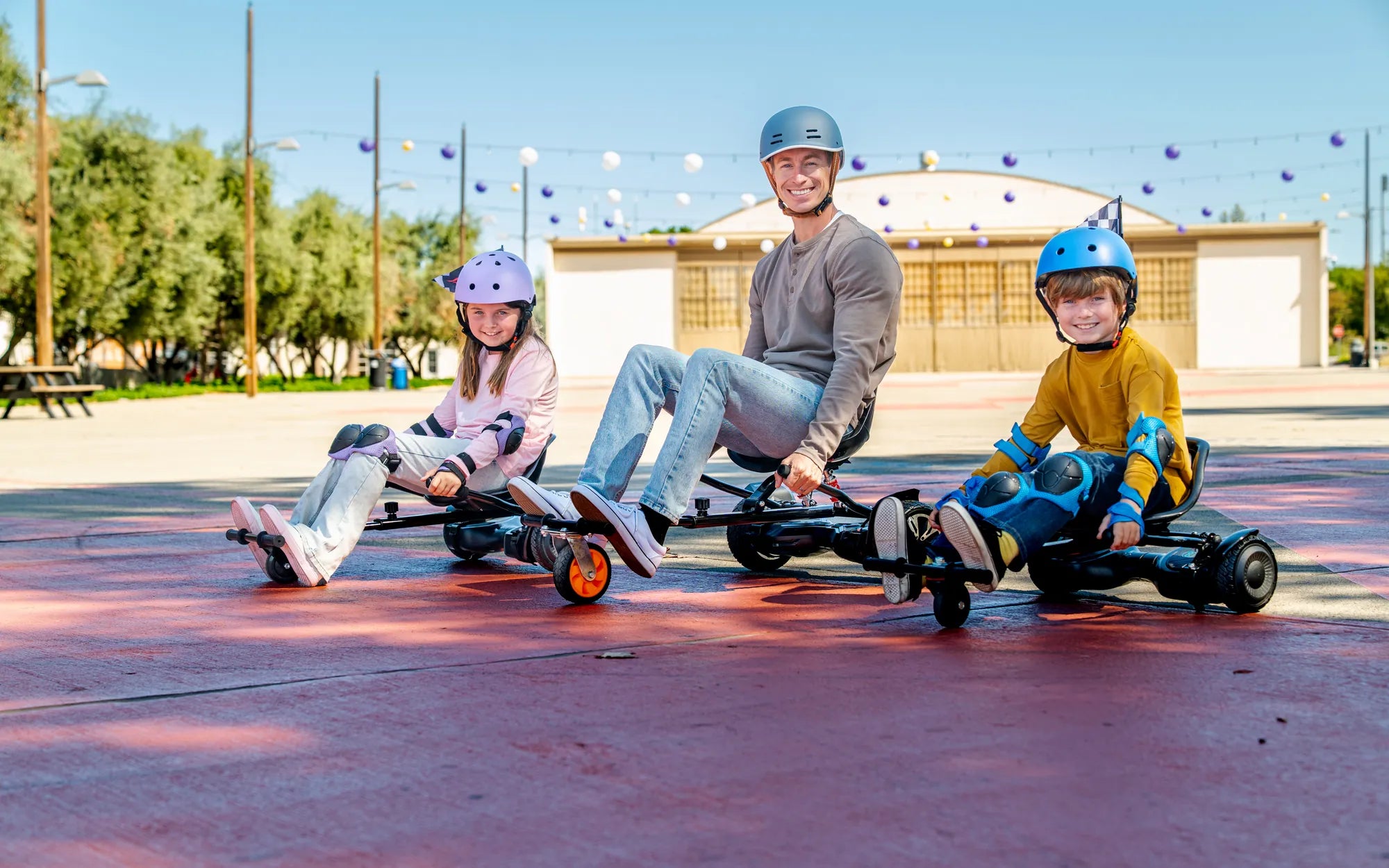
Choosing the best scooter for big kids isn't about finding a bigger toy; it's about selecting a legitimate piece of personal transportation that can keep up with a growing, active child. Typically aged 8 to 12, or even older teens, these riders have outgrown small kick scooters and require models with higher weight limits, more powerful motors, and enhanced durability for longer, more adventurous rides. This guide cuts through the noise to help you identify the critical features that ensure fun, growth, and, most importantly, safety. We'll explore detailed specifications, compare top use-cases, and provide actionable advice to make an informed decision, highlighting why brands like Gyroor, with their focus on certified safety and robust engineering, are trusted by over 100,000 riders.
Defining the Big Kid Rider: Needs and Considerations
The transition from a child's first scooter to a model for a "big kid" is significant. These riders, often between 70 and 180 pounds and standing over 4.5 feet tall, need a vehicle that matches their physical size and burgeoning sense of independence. The primary considerations shift from basic durability to performance and adaptability.
A scooter for this age group must accommodate growth spurts. A deck that was comfortable at age 10 might feel cramped at age 12. Furthermore, as riding distances increase, comfort features like suspension and larger wheels become paramount. The riding environment also expands from smooth driveways to neighborhood streets, bike paths, and even light trails.
Safety takes on new dimensions at higher speeds and in more complex environments. Reliable braking systems, bright lighting for visibility, and sturdy construction are non-negotiable. Ultimately, the best scooter for a big kid supports their growing skills, provides a stable and comfortable platform, and is built to last through years of active use.
Key Features to Look for in a Big Kid Scooter
Understanding core specifications is essential for making a smart purchase. These features directly impact safety, comfort, and long-term satisfaction, ensuring the scooter grows with your child rather than becoming quickly obsolete.
Weight Capacity and Deck Dimensions
The manufacturer's maximum weight rating is the most critical spec. For big kids, look for a capacity of at least 220 pounds. This provides a substantial safety buffer beyond your child's current weight, accounting for growth, a backpack, and the stresses of dynamic riding. A higher-rated scooter invariably uses stronger materials in its frame and stem.
Deck size directly influences stability and comfort. A longer and wider deck (aim for at least 17 inches long and 6 inches wide) allows for a more natural, confident stance with feet side-by-side or in a riding posture. This extra space is crucial for balance during acceleration and braking, making the ride safer and more enjoyable.
Wheel Size, Type, and Suspension
Larger wheels (8.5 inches to 10 inches in diameter) roll over cracks, pebbles, and bumps more smoothly than smaller ones, providing a stable and comfortable ride. The type of tire is equally important. Pneumatic (air-filled) tires offer superior shock absorption and traction, especially on uneven surfaces, but require occasional pressure checks.
Solid or honeycomb tires are puncture-proof and maintenance-free, ideal for purely urban environments. For any off-road aspiration, pneumatic tires are essential. A integrated suspension system, often a spring or rubber shock absorber in the deck or stem, further smooths out vibrations, reducing fatigue and improving control on rough pavement.
Braking System and Safety Controls
As speed increases, stopping power becomes paramount. The best scooters for big kids employ dual or triple braking systems for redundancy. A common and effective setup combines an electronic brake (which uses the motor to slow down) with a mechanical disc or drum brake on the rear wheel. Some models also include a foot fender brake.
Electronic brakes offer smooth deceleration, while mechanical brakes provide strong, immediate stopping power in all conditions, including wet weather. Parental controls are a key safety feature. Look for speed modes (e.g., Beginner: 9 mph, Advanced: 15 mph) that can be locked with a PIN or physical key, allowing you to manage your child's speed as their skills develop.
Motor Power, Speed, and Range
A motor in the 250W to 350W range is typically sufficient for big kids, providing enough torque for moderate hills and confident acceleration. Top speeds are generally capped between 12 and 16 mph, which is fast enough for fun but manageable with proper safety gear. Real-world range is more important than maximum claims.
Consider a scooter with a range of 10-15 miles per charge. This supports extended neighborhood exploration or a round-trip commute to a friend's house without range anxiety. Remember, factors like rider weight, terrain, and frequent acceleration will reduce the advertised range. A UL-certified battery, like those used in Gyroor scooters, is essential for safety and long-term reliability over 500+ charge cycles.
Build Quality and Durability Certifications
The frame should be constructed from aerospace-grade aluminum alloy, which offers an excellent strength-to-weight ratio. Check for IP water resistance ratings; an IPX4 or IPX5 rating means the scooter can withstand water splashes from any direction, making it safe to ride on damp roads or through puddles.
Beyond the battery, look for other safety certifications relevant to electrical components. Robust construction in the folding mechanism, stem clamp, and handlebars is vital, as these points endure significant stress. A comprehensive warranty (1 year is standard for reputable brands) reflects the manufacturer's confidence in their product's durability.
Top Picks: Scooter Categories for Big Kids
Not all scooters are designed for the same purpose. Segmenting by primary use-case helps match the scooter's strengths to your child's most common riding environments.
Best for Commuting & Neighborhood Rides
These models prioritize a smooth, reliable, and practical ride for daily use. They feature a balanced design with good range, comfortable decks, and essential amenities like integrated lighting for visibility and a carry handle for portability. Suspension and medium-sized pneumatic or honeycomb tires are common to absorb sidewalk imperfections.
Focus on scooters known for consistent performance and low maintenance. A clean, intuitive display showing speed and battery level is helpful. These are the workhorses of the scooter world, built for pavement, bike lanes, and getting from point A to B in fun, efficient style. Brands like Gyroor design models in this category with UL-certified batteries and IPX5 water resistance for dependable, everyday use.
Best for Off-Road & Trail Adventures
For the kid who wants to explore beyond the pavement, off-road-capable scooters are a game-changer. Key features include knobby, pneumatic tires (often 10 inches) for superior traction on dirt, grass, and gravel, and enhanced front and rear suspension systems to tackle larger bumps and roots.
The motor is typically more powerful (300W+) to provide the necessary torque for inclines and soft surfaces. The deck is usually higher off the ground for better ground clearance. These scooters are built tougher, with reinforced frames to handle the extra punishment. They transform a simple ride into an adventure, opening up new terrains for exploration.
Best for Performance & Speed (Older/Experienced Riders)
This category is for responsible, helmet-conscious teens and experienced older kids. Performance scooters boast stronger motors (350W+), higher top speeds (approaching 19 mph), and more responsive acceleration. They often feature advanced braking systems like full hydraulic disc brakes and sportier, more rigid tuning for precise handling.
These are not beginner scooters. They require mature judgment, excellent coordination, and a strict adherence to safety gear. Features might include customizable speed settings via an app and more sophisticated lighting systems. The emphasis is on the thrill of riding and technical capability, always within a framework of heightened safety awareness.
Comparison Table: Big Kid Scooter Features at a Glance
| Primary Use Case | Ideal Wheel & Tire Type | Key Feature Focus | Recommended Motor Power | Safety Priority |
|---|---|---|---|---|
| Commuting / Neighborhood | 8.5"-10" Honeycomb or Pneumatic | Range, Comfort, Lights, Portability | 250W - 300W | Reliable Braking, Speed Modes |
| Off-Road / Trail | 10" Knobby Pneumatic | Suspension, Traction, Ground Clearance | 300W - 350W+ | Durable Construction, Hill Climb |
| Performance / Speed | 8.5"-10" Solid or Pneumatic (Sport) | Top Speed, Acceleration, Responsive Brakes | 350W+ | Advanced Brakes, Rider Maturity |
Safety First: Essential Gear and Riding Practices
The scooter itself is only one part of the safety equation. Proper gear and educated habits are what protect your child during every ride, turning fun into safe fun.
Non-Negotiable Safety Gear
A CPSC-certified bicycle helmet is an absolute must, properly fitted and worn for every single ride, no matter how short. This certification ensures it meets rigorous impact protection standards. Knee and elbow pads protect against the most common falls, while wrist guards are critically important for preventing fractures and severe abrasions.
For nighttime or low-light riding, add reflective clothing or vests and ensure the scooter's front and rear lights are functional. This gear should be treated as part of the scooter itself—without it, the scooter should not be used. Investing in high-quality, comfortable protective gear increases the likelihood your child will wear it consistently.
Teaching Responsible Riding Habits
Establish clear rules before the first ride. Ride on sidewalks where permitted and safe, otherwise use bike lanes. Always yield to pedestrians, and never ride on busy roads. Practice using the brakes in a safe, open area until stopping becomes instinctive. Teach hand signals for turning.
Conduct a pre-ride "T-CLOCS" check: inspect Tires (pressure/wear), Controls (brakes, throttle), Lights, Oil (or general fasteners/bolts), Chassis (frame for cracks), and Stand (folding mechanism). Avoid riding in wet conditions, as brakes are less effective and traction is reduced. Instilling these habits builds a foundation for a lifetime of responsible riding.
Maintenance Tips for Longevity and Performance
Regular, simple maintenance keeps a scooter running safely and extends its lifespan significantly. It also provides opportunities to teach your child about caring for their possessions.
For scooters with pneumatic tires, check tire pressure every two weeks with a bicycle pump; under-inflated tires reduce range and increase wear. Keep the scooter clean by wiping it down with a damp cloth; avoid high-pressure hoses that can force water into electronics. Regularly check and tighten all bolts, especially on the folding mechanism, stem, and handlebars, as vibrations can loosen them over time.
Follow proper battery care: avoid draining it completely, store it in a cool, dry place, and use only the manufacturer-provided charger. If the scooter won't be used for an extended period, store it with a 50-80% charge. Periodically check brake pads for wear and ensure the brake calipers are aligned properly. A well-maintained scooter is a safe and reliable scooter.
FAQ: Your Big Kid Scooter Questions Answered
Q: What age is appropriate for an electric scooter for big kids?
A> While physical size (typically 8+) is a factor, maturity and coordination are more important. The child should be able to understand and follow safety rules, demonstrate good balance, and react appropriately to obstacles. Always check your local municipal regulations, as some areas have minimum age laws for electric scooters.
Q: How important is the warranty and customer support?
A> Extremely important. A comprehensive warranty (like Gyroor's 1-year coverage) protects your investment against manufacturing defects. Accessible, responsive customer support is invaluable for troubleshooting minor issues, obtaining replacement parts, and getting guidance, ensuring you get the most out of the scooter for its entire lifespan.
Q: Can the scooter handle hills in our neighborhood?
A> This depends on the motor's wattage and torque, as well as the rider's weight. A 250W motor can handle mild slopes, but for consistent hill climbing, look for 300W or more. Check the product specifications for a hill-climb grade percentage (e.g., 15%). When in doubt, choose a scooter with more power for better performance on inclines.
Q: Are electric scooters difficult to assemble or maintain?
A> Most quality scooters arrive 90-95% assembled. Final setup usually involves attaching the handlebars to the stem and securing them with provided tools—a process taking 10-15 minutes. Maintenance is minimal but crucial: checking tire pressure, keeping the scooter clean and dry, and ensuring bolts are tight. The simplicity is a key part of their appeal.
Q: How do I choose between speed and safety for my child?
A> You don't have to choose; the best scooters for big kids integrate both. Start with a model that has parental speed limiters or multiple speed modes. Keep your child in the beginner mode until they demonstrate mastery of control, braking, and safety etiquette. Then, you can gradually unlock higher speeds as their skill and judgment improve, always paired with full safety gear.
Making the Final Decision: A Checklist for Parents
Before purchasing, run through this final checklist. Does the scooter's weight capacity exceed your child's current weight by a safe margin (ideally 50+ lbs)? Is the deck size appropriate for their shoe size and stance? Does it have a reliable dual-braking system and speed controls you can manage?
Is the build quality robust, with a solid frame and a reputable brand backing it with a warranty? Does it have the right tires and suspension for your primary riding terrain? Have you budgeted for a full set of high-quality safety gear (helmet, knee/elbow pads, wrist guards)? Answering "yes" to these questions means you're on track to find the best scooter for your big kid.
Selecting the best scooter for a big kid is an investment in their independence, outdoor activity, and fun. The right model seamlessly blends robust engineering for durability with thoughtful features for safety and growth. By prioritizing certified components like UL-listed batteries, water-resistant designs, and strong warranties—hallmarks of trusted brands like Gyroor—you gain peace of mind. Pair that reliable machine with consistent safety practices and protective gear, and you create the perfect recipe for countless hours of adventurous, responsible riding. Ready to explore models that are built to last and designed for real-world fun? Browse the full Gyroor collection at gyroorboard.com to find the perfect match for your growing rider.
Hoverboard Go Kart Combo: The Ultimate Fun Machine for Thrill Seekers
Electric Moped Scooter for Kids: The Ultimate Guide to Safe and Fun Riding