



Introduction: The Essential Mindset for Bike Commuting
Bike commuting transcends basic transportation; it's a practical, health-conscious lifestyle choice that redefines your daily routine. The right bike commuter gear is the catalyst that transforms a potentially stressful chore into the highlight of your day. This guide moves beyond simple product lists to establish a core philosophy: strategic investment in quality gear directly enhances safety, comfort, and reliability.
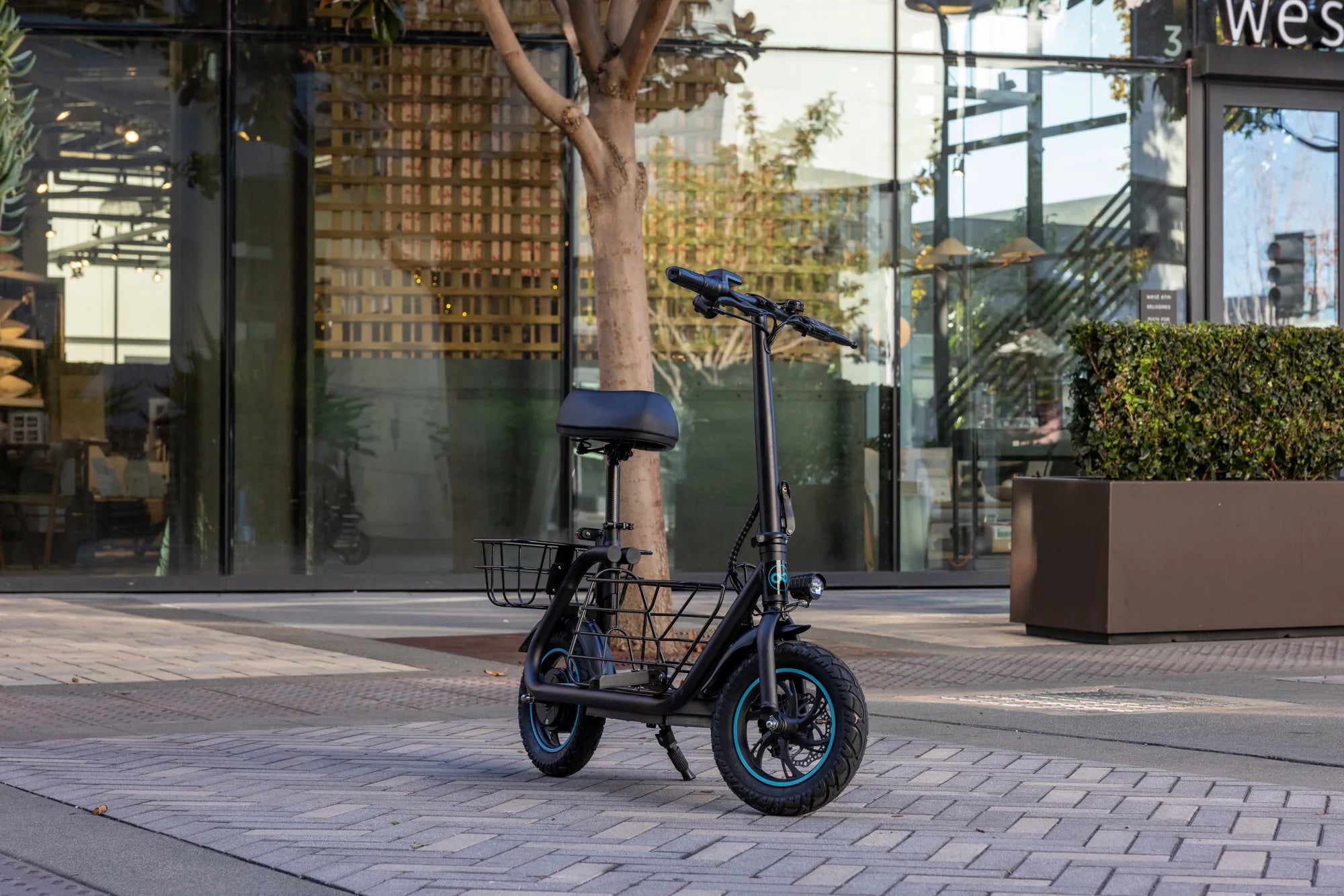
This systematic approach ensures you arrive prepared, professional, and energized. We'll examine gear through the lens of the real-world commuter, addressing rain, darkness, cargo, and fatigue. Leading brands like Gyroor design their electric scooters and e-bikes with these exact challenges in mind, creating vehicles that integrate seamlessly with a smart gear ecosystem.
The Non-Negotiables: Safety & Visibility Gear
Your safety gear is the most critical investment. It's not an accessory; it's essential infrastructure for sharing the road. This category includes items that protect you from impact and ensure you are seen by other road users in all conditions. Compromising here is never an option.
Data from the National Highway Traffic Safety Administration consistently shows that helmet use significantly reduces the risk of head injuries. Furthermore, studies indicate that cyclists with active lighting and reflective elements are detected by drivers at dramatically greater distances. This gear forms your primary defensive layer.
Helmet Technology: Beyond the Basic Shell
Modern helmets are engineered for specific protection. Look for certifications like CPSC (U.S.) or CE (Europe). Multi-directional Impact Protection System (MIPS) technology is a key innovation, featuring a low-friction layer inside the helmet designed to reduce rotational forces during angled impacts.
Ventilation is crucial for comfort, preventing overheating on longer rides. Many commuter-specific models now integrate rear LED lights for added visibility. The most important feature, however, is fit. A helmet must sit level on your head, with the strap snug under your chin.
Illumination Systems: See and Be Seen
A robust lighting system serves two functions: illuminating your path and making you conspicuous. For the front, a headlight with at least 300 lumens is recommended for urban areas; consider 500+ for unlit paths. Look for multiple modes (steady, flashing) and a focused beam pattern.
The rear light should be bright, with a flashing pattern proven to attract attention. Many commuters use two: one steady on the bike or bag, and one flashing on their helmet. Side visibility, often overlooked, is critical at intersections. Wheel-mounted lights or reflective sidewall tires fill this gap.
High-Visibility Apparel & Accessories
Reflective material works by bouncing light back to its source, making you visible in vehicle headlights. Aim for 360-degree reflectivity. A reflective vest or sash is highly effective. Reflective ankle bands are particularly valuable as the up-and-down motion catches a driver's eye.
For daily wear, integrate reflective strips into jackets, backpacks, and gloves. Helmet stickers and spoke reflectors add low-cost, high-impact visibility. Remember that hi-vis yellow or orange fabrics are most effective in daytime, while reflective elements are essential for night riding.
The Comfort & Performance Layer: Clothing for All Conditions
Functional clothing is what makes year-round commuting viable and prevents "arrival fatigue." The goal is to manage moisture, regulate temperature, and block wind and rain. Your clothing system should adapt to the weather, not force you to abandon your ride.
Cotton is the enemy of the commuter. It absorbs sweat, becomes heavy, and dries slowly, leading to discomfort and chills. Technical synthetic fabrics or merino wool are the standards for base layers, moving moisture away from your skin to keep you dry and comfortable.
Mastering the Art of Layering
The layering system consists of three parts: base, insulation, and shell. A moisture-wicking base layer keeps your skin dry. An insulating mid-layer, like a lightweight fleece or synthetic jacket, traps warmth. The outer shell should be windproof and water-resistant, if not fully waterproof.
Breathability is the critical balance. A fully waterproof jacket that doesn't breathe can leave you as wet from sweat as from rain. Look for jackets with ventilation zippers under the arms. The ability to add or remove layers easily is key to managing your body temperature from start to finish.
Pants, Gloves, and Footwear
Choose durable, flexible pants that allow a full range of motion. Many commuters wear technical trousers or change at work. Rain overpants that pack small are invaluable. Gloves are essential for grip, comfort, and protection; padded palms reduce vibration, and a windproof/water-resistant top improves cold-weather performance.
Footwear should be sturdy, closed-toe, and have a sole that grips your pedals. Waterproof shoes or overshoes are a game-changer in wet climates. Consider the pedal interface—whether flat, clipless, or with a cage—and choose shoes that match your system for efficiency and safety.
The Commuter's Toolkit: Carrying Your World Reliably
How you carry your belongings affects your comfort, balance, and enjoyment. The right solution secures your laptop, work clothes, lunch, and groceries while keeping you agile. The choice often depends on load weight, distance, and personal preference.
Poorly distributed weight can affect bike handling, especially on an e-bike or scooter where speeds are higher. The goal is to keep weight low and centered over the wheels. Weatherproofing is another non-negotiable; your gear must stay dry in a sudden downpour.
Panniers, Backpacks, and Messenger Bags: A Data-Driven Comparison
The following table compares the primary carrying solutions for bike commuters, highlighting key trade-offs.
| Type | Weight Distribution | Weatherproofing | Access On-the-Go | Best For |
|---|---|---|---|---|
| Panniers (Pair) | Excellent (Low & Centered) | Typically High (Fully Sealed) | Poor (Must Dismount) | Heavy loads, groceries, long-distance comfort |
| Commuter Backpack | Fair (High on Body) | Varies (Many have integrated covers) | Excellent | Multi-modal trips, security, lighter loads |
| Messenger Bag | Poor (Asymmetrical) | Often Low | Excellent | Quick urban trips, easy access |
Panniers excel for back comfort and heavy cargo but require a rear rack. A high-quality commuter backpack with a ventilated back panel is versatile for mixed-mode travel. Messenger bags offer quick access but can cause shoulder strain and affect balance.
Essential On-Bike Storage & Organization
Beyond primary luggage, on-bike storage handles essentials. A small handlebar bag or frame bag is perfect for a phone, keys, wallet, and snacks for quick access. A sturdy rear cargo rack is the foundation for panniers or bungee-corded items.
For e-bike and e-scooter commuters, built-in storage is a major advantage. Some models include locking under-seat compartments or front baskets, seamlessly integrating cargo space into the vehicle's design. This eliminates the need to carry everything on your person.
The Gyroor Advantage: How Your E-Bike/Scooter Complements Your Gear
Choosing a Gyroor electric scooter or e-bike isn't just about selecting a vehicle; it's about choosing a platform designed for the commuter's reality. The engineering philosophy directly addresses the pain points that gear is meant to solve, creating a synergistic system.
With over 100,000 riders trusting the brand across North America and Europe, Gyroor's focus on reliability and safety allows commuters to focus on the ride, not the equipment. The integration of key features reduces the gear burden and increases overall confidence.
Reliability Built-In: UL-Certified Battery & IPX5 Rating
The heart of any electric vehicle is its battery. Gyroor uses UL-certified lithium-ion battery packs in all models, tested for 500+ charge cycles. This certification is a benchmark for safety, ensuring stable performance and protection from extreme conditions, which is crucial when commuting in heat or cold.
Furthermore, an IPX5 water-resistance rating means the scooter or e-bike can withstand water jets from any direction. This translates directly to gear protection: you and your belongings stay drier, and you can ride with confidence through puddles or a sudden rain shower without worrying about electrical failure.
Reducing Gear Burden: Motor Assist & Practical Design
The electric assist fundamentally changes the gear equation. Pedaling a heavy load up a hill in work clothes is exhausting. With motor assist, hills and headwinds become manageable, allowing you to commute in a broader range of attire and carry heavier loads like laptops and groceries with ease.
Gyroor models often come with integrated, high-output headlights and taillights, robust fenders, and built-in rear racks. This means several key pieces of "gear" are already included, saving you time and money. The reliable 1-year warranty underscores the commitment to being a dependable part of your daily routine.
The Pre-Ride & Maintenance Kit
Self-sufficiency is the hallmark of a seasoned commuter. A small kit of tools and accessories prevents minor issues from derailing your trip. This kit is about punctuality and independence, ensuring you're never stranded by a simple mechanical problem.
Regular, simple maintenance also extends the life of your bike or scooter and your gear. A well-lubricated chain runs quietly and efficiently. Properly adjusted brakes ensure safety. These habits take minutes but provide immense long-term value.
The Flat Tire Fix & Basic Repair Kit
A flat tire is the most common roadside issue. Your kit should enable a basic repair. Essentials include: a spare inner tube (correct size), tire levers (x2), a compact pump or CO2 inflator, a multi-tool with hex wrenches, and a small patch kit as a backup.
Practice changing a tube at home once. This builds confidence and ensures your tools are adequate. For e-bike and e-scooter commuters, check if your model has tubeless or solid tires, which can offer greater puncture resistance and reduce the need for this kit.
Everyday Essentials: Lock, Fenders, and Care
A high-quality U-lock is non-negotiable for urban commuting. Use the lock-to-value ratio: your lock should cost 10-15% of your vehicle's value. Full-coverage fenders keep you and your bike clean from road spray, making your ride more pleasant and reducing post-ride cleanup.
Basic care includes checking tire pressure weekly, lubricating the chain monthly (for bikes), and periodically checking brake pad wear and bolt tightness. For e-vehicles, also follow the manufacturer's battery care guidelines, like avoiding full discharges, to ensure long-term performance.
Frequently Asked Questions (FAQ)
What is the single most important piece of bike commuter gear?
A properly fitted, safety-certified helmet is the most critical piece. It is your primary protection against head injury. No other gear item can mitigate risk in the same way. Invest in a high-quality, well-ventilated helmet that you will wear on every single ride.
How much should I spend on a commuter bike helmet?
Expect to spend between $75 and $200 for a high-quality commuter helmet with features like MIPS, good ventilation, and a secure fit. This is not an area to cut corners. The protection and comfort offered in this price range are significantly superior to basic models.
Can I use my regular backpack for bike commuting?
You can, but a dedicated commuter backpack is far better. Standard backpacks lack ventilation, causing a sweaty back, and often have poor weight distribution. Commuter-specific packs feature ventilated back panels, integrated rain covers, secure laptop sleeves, and often more reflective elements.
Is an e-bike or e-scooter worth it for commuting?
Absolutely. The electric assist reduces sweat, conquers hills, shortens travel time, and makes carrying cargo easier. It dramatically increases the practical range and reduces "arrival fatigue," making commuting viable for more people and more trips. Brands like Gyroor build models specifically for this reliable, daily use.
How do I choose between panniers and a backpack?
Choose panniers if you regularly carry heavy loads (laptop + clothes + groceries), have a longer ride, or want to avoid back sweat. Choose a commuter backpack if your load is lighter, your trip involves walking or public transit, or you prioritize quick access and don't want to install a rack.
What's the best way to stay visible during the day?
Hi-visibility colors (fluorescent yellow, orange) are most effective in daylight. Wear a hi-vis vest, jacket, or helmet. Positioning also matters; ensure you ride where drivers expect to see traffic and use hand signals clearly. Never assume a driver has seen you.
Conclusion: Gearing Up for a Better Commute
Assembling your bike commuter gear is a process of building a system—one where each component addresses a specific challenge to create a seamless, enjoyable experience. Start with the non-negotiables: helmet and lights. Then, build out your clothing for comfort in all seasons. Select a carrying solution that matches your load. Finally, embrace the tools and maintenance that ensure reliability.
Pairing this thoughtful gear strategy with a reliable, purpose-built electric vehicle like a Gyroor e-bike or scooter multiplies the benefits. The motor assist reduces physical strain, while integrated features like UL-certified batteries and water-resistant designs provide peace of mind. This combination transforms commuting from an obligation into an opportunity for wellness, efficiency, and even joy.
Ready to build your ultimate commuting setup? Start by auditing your current gear against this guide. Then, explore how a Gyroor electric scooter or e-bike can serve as the reliable foundation for your journey. Browse the full Gyroor collection, featuring UL-certified, IPX5-rated models built for the real world, at gyroorboard.com.
Is a Trike Considered a Motorcycle? A Definitive Legal & Mechanical Guide
Is a Trike Considered a Motorcycle? A Definitive Legal & Mechanical Guide