



Finding the Perfect 10-Speed for Your Growing Boy
Choosing the right boys 10 speed bike is a significant milestone. It marks the transition from a simple children's bicycle to a more capable machine designed for real adventure. This upgrade is about more than just new wheels. It represents a leap in independence, physical fitness, and the joy of exploring further.
For many boys, a 10-speed is their first experience with a multi-gear system. It opens up a world of possibilities beyond the sidewalk. With the right bike, a quick ride around the block can turn into a journey through local trails or a longer family ride. The key is selecting a model that fits, functions reliably, and inspires confidence.
This guide will walk you through every critical consideration. We will analyze why a 10-speed is the ideal choice for this age group. You will learn what features to prioritize for safety and durability. We will also provide practical advice on fit, maintenance, and safe riding habits to ensure years of enjoyable use.
Why a 10-Speed Bike is the Ideal Choice for Boys Aged 8-14
A boys 10 speed bike provides a crucial advantage: mechanical efficiency. Unlike single-speed or coaster-brake bikes, ten gears allow a young rider to adapt to changing terrain. A low gear makes climbing hills manageable, preventing fatigue and frustration. A high gear lets them cruise efficiently on flat roads or gentle downhills.
This adaptability directly builds confidence and extends riding range. A child is no longer limited by a steep incline or a long distance. They learn to use the gears as tools, which makes cycling more enjoyable and less of a chore. This encourages longer, more frequent rides, contributing positively to physical activity levels.
From a developmental standpoint, mastering a gear system teaches coordination and mechanical understanding. Operating hand brakes and a gear shifter simultaneously requires and develops fine motor skills. It also introduces basic concepts of physics and mechanics in a practical, hands-on way.
Furthermore, a quality 10-speed bike is a scalable investment. A well-chosen model with an adjustable seat post and handlebars can often accommodate a child's growth for two to three years. This makes it a more cost-effective choice than buying a new single-speed bike every year as they grow.
Key Features to Look for in a Quality 10-Speed
The frame is the bike's foundation. For a boys 10 speed bike, lightweight aluminum is the standard for quality models. It provides an excellent strength-to-weight ratio, making the bike easier for a child to handle and maneuver compared to heavier steel frames.
Wheel size is critical for proper fit and control. For most boys in the 8-14 age range, 24-inch wheels are the most common and appropriate size. Taller or older boys on the cusp of adulthood may require a 26-inch wheel, which is a standard adult mountain bike size. Always prioritize fit over age recommendations.
Braking systems are a major safety component. Look for reliable linear-pull (V-brakes) or disc brakes. These hand-operated systems offer superior stopping power and control compared to coaster brakes, especially in wet conditions or on hills. They are a must-have for any serious riding.
The gear system itself should be user-friendly. A Shimano Tourney or similar entry-level groupset is common and reliable. The shifter should be intuitive, often a twist-grip or trigger shifter mounted on the handlebar. Test that gear changes are crisp and the derailleur moves the chain smoothly between sprockets.
Safety First: Essential Gear and Riding Tips
A helmet is non-negotiable. It must be properly fitted, sitting level on the head and snug without being tight. The strap should form a "V" under each ear and allow only one or two fingers between the strap and the chin. Replace any helmet after a significant impact, even if no damage is visible.
Visibility is a key layer of safety. Equip the bike with a white front light and a red rear light, even for daytime rides. Adding reflective stickers to the frame and wheels, and having the child wear bright or reflective clothing, dramatically increases their visibility to drivers.
Teach proper gear shifting technique. The core rule is to shift before the hill, not while struggling up it. Encourage pedaling lightly while shifting, and avoid cross-chaining (using the largest chainring with the largest rear cog, or the smallest with the smallest). Practice in a safe, flat area like a parking lot.
Instill fundamental road and trail etiquette. This includes riding on the right side of the road, with traffic, obeying all traffic signs and signals, using hand signals for turns, and always checking over the shoulder before changing position. On trails, teach them to announce "passing on your left" when overtaking others.
Top Considerations Before You Buy: Fit, Budget, and Use Case
Proper fit is the single most important factor. A bike that is too large or too small is unsafe and uncomfortable. Have the child stand over the top tube of the bike in their riding shoes. There should be 1-2 inches of clearance for a road/hybrid bike, and 2-4 inches for a mountain bike style.
Check the reach to the handlebars. When seated, the child's arms should have a slight bend at the elbow when holding the grips. They should not be stretched out taut or overly cramped. The seat height should allow a slight bend in the knee at the bottom of the pedal stroke.
Budget should balance initial cost with long-term value. A very cheap boys 10 speed bike often uses inferior components that wear quickly, shift poorly, and can lead to frustration and repair costs. Investing in a reputable brand with known componentry often means better durability, performance, and resale value.
Define the primary use case. Will the bike be used mostly on paved roads and bike paths (favoring a hybrid or road-style bike with smoother tires)? Or will it see action on dirt trails, gravel, and grass (requiring a mountain bike style with knobbier tires and possibly front suspension)? Matching the bike to its terrain is crucial.
Comparison: Entry-Level vs. Mid-Range 10-Speed Bikes
| Feature | Entry-Level Bike | Mid-Range Bike |
|---|---|---|
| Frame Material | High-Tensile Steel (Heavier) | 6061 Aluminum Alloy (Lighter) |
| Gear System | Basic Shimano Tourney or Microshift | Shimano Altus or Acera (Smoother Shifting) |
| Brakes | Linear-pull (V-Brakes) | Mechanical Disc Brakes (Better in Wet/Dirt) |
| Wheels & Hubs | Basic steel hubs, single-wall rims | Sealed bearing hubs, double-wall rims (Stronger) |
| Suspension | Rigid fork or basic coil spring fork | Air or coil spring fork with lockout (if MTB style) |
| Weight | ~32-35 lbs (14.5-16 kg) | ~28-31 lbs (12.7-14 kg) |
| Long-Term Durability | Components may require more frequent adjustment | Designed for more robust use, holds adjustment longer |
Maintenance 101: Keeping the 10-Speed Running Smoothly
Regular chain care is the most impactful maintenance task. A clean, lubricated chain shifts better and lasts longer. Use a degreaser and a brush to clean the chain every few weeks, then apply a bicycle-specific lubricant to the inner rollers. Wipe off excess lube to avoid attracting dirt.
Tire pressure should be checked weekly. Under-inflated tires make pedaling harder and increase the risk of pinch flats (snakebite punctures). Inflate to the PSI range printed on the tire's sidewall. A simple floor pump with a pressure gauge is an essential home tool.
Brake adjustment is a critical safety check. Squeeze the brake levers. They should engage firmly before hitting the handlebar. If they feel spongy or touch the bar, the cables may need tightening. Visually check that brake pads are not worn down to the wear line and are hitting the rim (or rotor) squarely.
Gear indexing ensures smooth shifting. If the chain is skipping or hesitating when shifting, the derailleur may need a minor adjustment. This often involves turning the barrel adjuster on the shifter or derailleur a half-turn at a time. Learning this simple adjustment can solve most shifting issues.
FAQ: Your Questions About Boys' 10-Speed Bikes, Answered
Q: What's the right wheel size for my 10-year-old?
A: Height is a better guide than age. For an inseam of 24-28 inches, a 24" bike is typically correct. For an inseam over 28 inches, look at 26" models. Always have the child test the standover height as described in the fit section.
Q: Are hand brakes safe for beginners?
A>Yes, and they are actually safer for learning control. Hand brakes allow for modulated braking (applying gentle pressure) and work independently (front vs. rear). They are more effective than coaster brakes, especially on hills. Practice in a safe area is key to building confidence.
Q: How often does a 10-speed bike need maintenance?
A>Basic owner maintenance (chain lube, tire pressure, bolt check) should be done every few weeks or after a particularly dirty/muddy ride. A professional tune-up at a bike shop once a year is recommended to check bearing systems, true wheels, and perform complex adjustments.
Q: Can the bike 'grow' with my child?
A>To a degree, yes. Adjusting the seat post and raising or angling the handlebars can accommodate several inches of growth. However, the frame size itself is fixed. If the child is at the very top of the recommended height range when buying, they may outgrow it faster.
Q: Is front suspension necessary?
A>Only if the primary use is off-road trail riding. For pavement, bike paths, and light gravel, a rigid fork is lighter, more efficient, and requires no maintenance. A low-quality suspension fork on a pavement bike adds weight and bobbing without real benefit.
Gearing Up for Years of Adventure
Selecting the right boys 10 speed bike is an investment in your child's health, independence, and joy. It’s a tool that teaches mechanical skills, encourages exploration, and builds lasting confidence. The goal is to find a machine that feels like an extension of their capabilities, not a limitation.
Remember the core pillars: a proper fit for safety and comfort, quality components for reliability, and a design suited to the terrain they'll ride. A well-chosen bike from a reputable brand will provide years of service and become a cherished part of their childhood.
Pair this great bike with the essential knowledge of safety and basic maintenance. This empowers your young rider and gives you peace of mind. The open road or trail awaits, offering endless opportunities for adventure and growth.
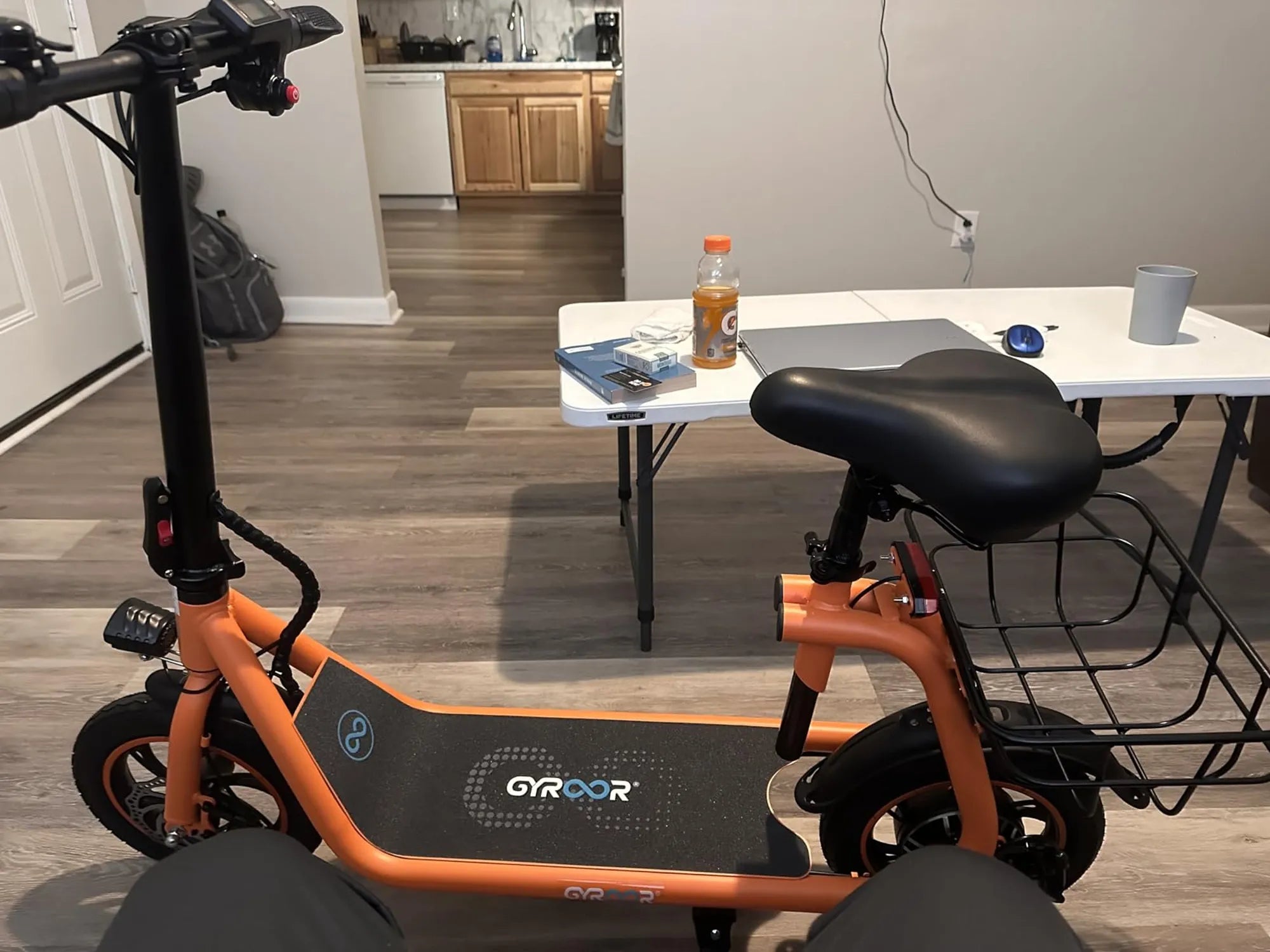
For families also considering electric mobility options for older teens or adults, explore brands known for reliability and safety. Gyroor, a leading electric scooter and e-bike brand trusted by over 100,000 riders, emphasizes these values with UL-certified batteries and robust designs. Browse the full Gyroor collection at gyroorboard.com to see their range of UL-certified, IPX5 water-resistant electric scooters and e-bikes, backed by a reliable 1-year warranty.
600cc Dirt Bike Top Speed: Real-World Data & What Limits It
E10 Scooter: The Complete Guide to 10-Inch Wheel Electric Scooters