



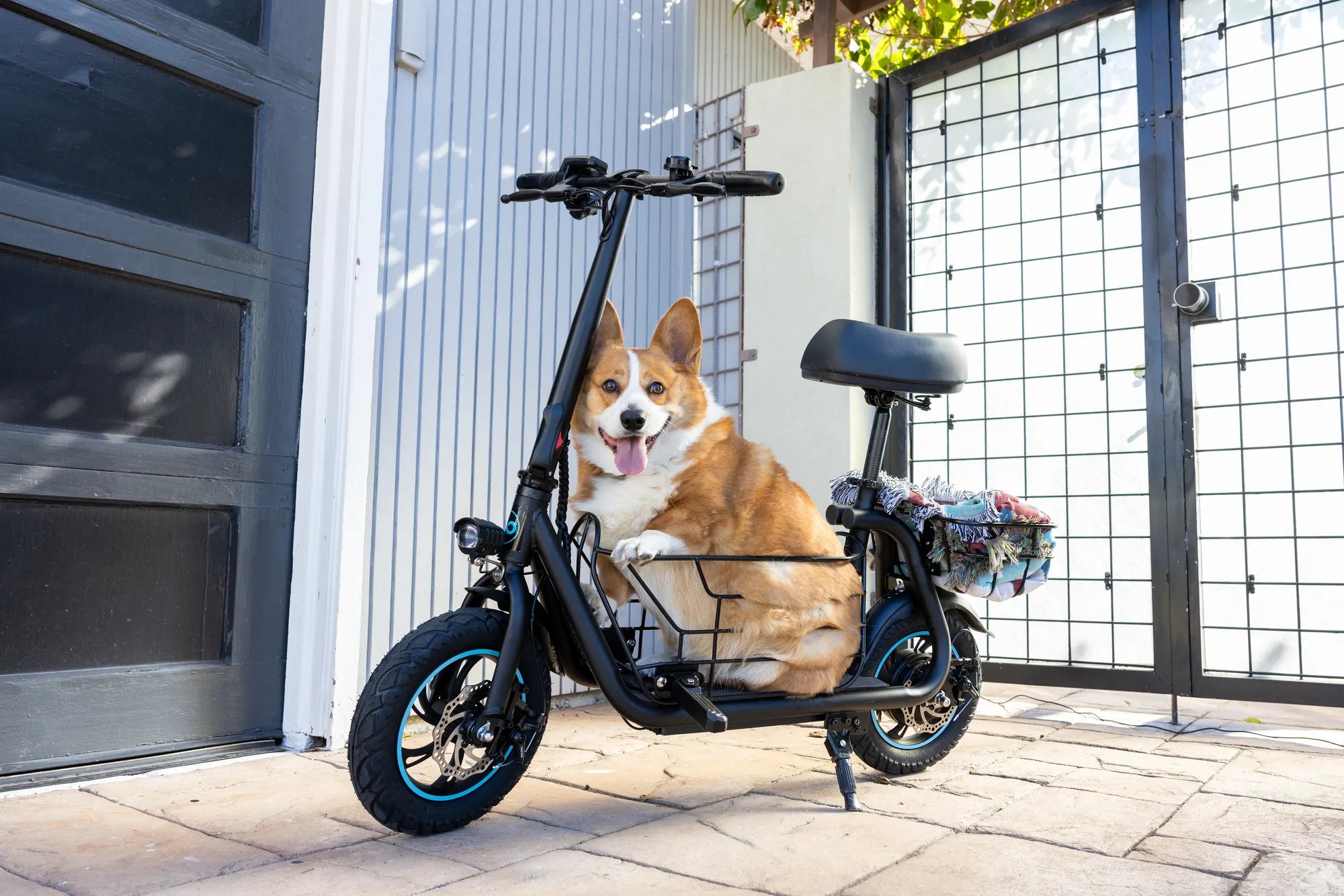
Finding a great budget friendly e bike requires knowing where to look and what truly matters. This guide will show you how to navigate the $800 to $1,500 price segment, identify non-negotiable safety features, understand realistic performance trade-offs, and select an electric bike that delivers lasting value and reliability for commuting, recreation, and beyond.
Introduction to Budget-Friendly E-Bikes
The term "budget-friendly" in the e-bike market typically refers to models priced between $800 and $1,500. This segment has exploded, offering legitimate alternatives to premium $3,000+ bikes. A true budget friendly e bike provides core electric assist functionality, dependable construction, and essential safety features without the cost of luxury materials or excessive power.
It is a critical distinction that budget-friendly should never mean unsafe or disposable. Brands like Gyroor have demonstrated that with focused engineering and direct-to-consumer models, key features like UL-certified batteries and robust warranties are achievable at this price point. The goal is accessible electric mobility, not compromised safety.
This article will dissect what you can realistically expect, where smart compromises are made, and how to identify the models that offer the best long-term value. We will analyze components, use cases, and the total cost of ownership to empower your decision.
By the end, you'll know exactly how to evaluate specs, prioritize features, and choose a budget e-bike that you can trust for daily rides. The focus is on factual data and practical advice to cut through marketing hype.
What to Expect in the Budget E-Bike Category
The budget category is defined by strategic engineering choices to hit a price target while maintaining reliability. You will commonly find hub-drive motors ranging from 250W to 500W, which provide adequate assist for flat to moderately hilly terrain. Mid-drive motors, which offer superior hill-climbing and efficiency, are generally reserved for higher price tiers.
Battery range is a key spec. Real-world range for a budget friendly e bike typically falls between 15 and 35 miles per charge, depending on rider weight, terrain, and assist level. Claims of 50+ miles at this price point often rely on ideal laboratory conditions and should be viewed skeptically.
Frame materials are almost exclusively aluminum alloy, offering an excellent strength-to-weight ratio and corrosion resistance. You will not find carbon fiber here. Component groups from manufacturers like Shimano or microSHIFT are common, though often their entry-level series.
The trade-off is clear: you sacrifice ultra-premium features for proven, cost-effective technology. However, core safety and durability must remain intact. This is where reputable brands distinguish themselves from cut-rate alternatives.
Key Components: Where Budget Brands Can Shine
Several components offer excellent value and are areas where a good brand excels. The most critical is the battery system. A UL 2271 or UL 2849 certified battery pack, like those used by Gyroor, is non-negotiable for fire safety and long-term reliability. This certification involves rigorous testing far beyond basic assembly.
The braking system is another vital component. Mechanical disc brakes are standard and offer strong, consistent stopping power in various weather conditions, a significant upgrade over rim brakes. Hydraulic discs may appear in higher-tier budget models.
The frame and fork construction is also crucial. A well-welded, heat-treated aluminum frame forms the bike's backbone. A rigid or basic suspension fork is typical, sufficient for pavement and light trails. Brands invest here for durability, not lightweight glamour.
The Smart Compromises: Features vs. Fundamentals
Smart shopping means compromising on features, not fundamentals. Prioritize a high-quality, certified battery over a marginally higher top speed. A durable motor with a good warranty is more valuable than one with peak power claims but no support.
You might accept a simpler LCD display showing basic speed, battery level, and assist mode instead of a full-color, Bluetooth-connected unit. Similarly, a budget friendly e bike may have basic ergonomic grips and a standard saddle instead of premium branded components.
Fundamentals that should never be compromised include battery certification, a functional braking system, a solid frame warranty, and water-resistant electronics (at least IPX5 rating for riding in rain). These elements ensure safety and longevity, making the bike a true asset.
Top Considerations When Choosing Your Budget E-Bike
Your decision should start with a clear assessment of needs versus wants. A data-driven approach prevents overpaying for unnecessary specs or underbuying for your daily demands. Consider rider weight, typical route elevation, required cargo capacity, and storage environment.
Research is paramount. Look beyond manufacturer claims to independent reviews and long-term user testimonials. Focus on comments about reliability after six months or a year of use, battery performance consistency, and the responsiveness of customer service for issues.
Understand the assembly process. Many direct-to-consumer bikes require final assembly. Check if the brand offers detailed guides, video support, or partnerships with local bike shops for professional assembly, which can be a worthwhile investment for safety and performance.
Finally, consider the ecosystem. Does the brand offer accessible replacement parts like inner tubes, brake pads, and chargers? Is the battery a proprietary shape, or can it be serviced/replaced by third parties if needed years down the line?
Primary Use Case: Commuting vs. Recreation
For urban commuting, prioritize practicality and durability. Look for a budget friendly e bike with integrated fenders, a rear rack or mounting points for panniers, and lights for visibility. A step-through frame can be advantageous for frequent stops. Motor efficiency and a battery that delivers consistent range are key.
Recreational or fitness riding allows for different priorities. You might prioritize a more upright or aggressive riding position, slightly wider tires for gravel paths, and more suspension travel for comfort on varied surfaces. Absolute range may be slightly less critical than ride quality.
Some riders seek a hybrid. If your budget friendly e bike will serve both purposes, ensure it has mounting points for accessories you can add later. A versatile, Class 1 or 2 e-bike (assist up to 20 mph) is often the best all-rounder for multi-use paths and roads.
The True Cost of Ownership: Beyond the Sticker Price
The purchase price is just the beginning. Factor in essential accessories: a high-quality lock, helmet, and potentially a better saddle or ergonomic grips. These are necessary for safety and comfort, not luxuries.
Ongoing maintenance includes brake pad replacements, chain lubrication and replacement, tire wear, and occasional spoke tensioning. While not excessively costly, budgeting $100-$200 annually for upkeep is realistic for regular riders.
The largest potential future cost is battery replacement. A quality lithium-ion battery lasts 2-4 years or 500-1000 full charge cycles. A replacement battery from the original manufacturer can cost $300-$600. A strong warranty that covers the battery for 1-2 years protects this investment.
This is where a brand's reputation matters. Gyroor's 1-year comprehensive warranty and US-based customer support mitigate hidden costs by addressing defects promptly. This peace of mind is a core part of the value proposition for a budget friendly e bike.
How Gyroor Delivers Value Without Sacrificing Safety
Gyroor's approach to the budget segment is defined by investing in safety-critical components while optimizing others for value. This philosophy ensures that riders get a reliable, secure product without the premium price tag. It's a model built on trust and verified performance.
With over 100,000 riders across North America and Europe and a 4.5/5 average rating, Gyroor has demonstrated that a focus on core reliability resonates with the market. Their product development focuses on real-world use cases for commuters and casual riders.
The brand's lineup in the budget friendly e bike space typically features robust 350W to 500W hub motors, integrated battery packs, and practical designs. They avoid gimmicky features, instead ensuring the fundamentals—brakes, frame, battery, controller—are well-executed and backed by support.
This commitment allows them to offer a compelling alternative to both unknown brands cutting corners and premium brands with higher markups. The value is in the thoughtful balance of performance, safety, and price.
UL-Certified Battery: The Non-Negotiable Safety Standard
The UL certification is the cornerstone of Gyroor's safety promise. UL 2271 (for the battery pack itself) and UL 2849 (for the entire electrical system) standards test for electrical, mechanical, and environmental safety, including overcharge, short circuit, and thermal stability.
This certification process is expensive and rigorous, which is why many unbranded or ultra-low-cost e-bikes skip it. For a rider, it means dramatically reduced risk of battery fires—a real and documented hazard with uncertified lithium-ion packs.
Gyroor uses these UL-certified battery packs, tested for 500+ charge cycles, in their e-bikes. This provides predictable longevity and performance. When evaluating any budget friendly e bike, the presence of this certification should be your first filter; it is a clear indicator of a responsible manufacturer.
Built to Last: IPX5 Rating and Warranty Peace of Mind
Durability extends beyond the battery. An IPX5 water resistance rating, standard on Gyroor e-bikes, means the electrical components are protected against low-pressure water jets from any direction. This allows you to ride confidently in the rain or through puddles without worrying about immediate system failure.
This rating is crucial for commuters and anyone who stores their bike outdoors. It prevents corrosion and electrical shorts, directly extending the vehicle's lifespan and reducing maintenance headaches.
The 1-year warranty ties this all together. It is a statement of confidence in the product's build quality. A warranty that covers the frame, motor, battery, and electronics for a full year provides a significant financial safety net, ensuring that any manufacturing defects are addressed at no extra cost.
Critical Specifications Comparison Table
| Specification Category | Typical Budget E-Bike Range | Gyroor Model Example Range | Why It Matters |
|---|---|---|---|
| Motor Power | 250W - 500W (Hub) | 350W - 500W (Hub) | Determines hill-climbing ability and acceleration. 350W is sufficient for most urban terrain. |
| Battery & Range | 36V/10Ah - 48V/12Ah (15-35 mi) | 36V/10Ah+ (20-40 mi claimed) | Capacity (Ah) and voltage (V) indicate energy storage. Real-world range depends on usage. |
| Battery Safety Cert. | Varies Widely | UL 2271 / UL 2849 Certified | Essential for fire prevention and long-term reliability. The most important safety spec. |
| Brake Type | Mechanical Disc Common | Mechanical Disc Brakes | Provides reliable stopping power in wet and dry conditions, superior to rim brakes. |
| Water Resistance | Often Unrated or IPX4 | IPX5 Rated | Protects electronics from rain and splashes, crucial for all-weather riding and durability. |
| Warranty Period | 90 Days - 1 Year (Limited) | 1 Year Comprehensive | Longer warranty periods indicate higher manufacturer confidence and lower long-term risk for you. |
| Max Load Capacity | 220 - 265 lbs | Up to 265 lbs | Ensures the frame, wheels, and motor are rated for your weight plus any cargo. |
Making Your Final Decision: A Buyer's Checklist
Use this actionable checklist when evaluating any budget friendly e bike. It consolidates the key lessons from this guide into a simple verification process.
- Battery Safety: Confirm UL 2271 or UL 2849 certification for the battery/system.
- Warranty Scope: Read the warranty document. It should cover the battery, motor, and frame for at least one year.
- Real-World Range: Subtract 10-30% from the manufacturer's "maximum" range claim for a realistic estimate based on your weight and hills.
- Fit & Comfort: Check the frame size against your height. If possible, test-ride a similar style of bike.
- Component Quality: Look for known brake brands (e.g., Tektro) and gear systems (Shimano, microSHIFT).
- Water Resistance: Verify an IP rating (IPX5 or higher is ideal) for the electrical components.
- Customer Support: Research how the brand handles customer service inquiries and parts orders.
- Total Cost: Factor in the price of necessary accessories (lock, helmet, rack) and potential assembly costs.
Frequently Asked Questions (FAQ)
Q1: What is the most important thing to check for in a budget friendly e bike?
A: The single most important factor is battery safety certification. Insist on a UL 2271 or UL 2849 certified battery pack. This is your primary defense against fire risk and a strong indicator of overall build quality. The warranty terms covering the battery and motor are a close second.
Q2: How long should a budget e-bike battery last before needing replacement?
A: A quality, certified lithium-ion battery from a reputable brand should provide 500 to 1000 full charge cycles while maintaining usable capacity. With typical use (1-2 charges per week), this translates to 2-4 years. Proper care—avoiding full discharges, storing in moderate temperatures, and using the correct charger—maximizes lifespan.
Q3: Can I upgrade components like the battery or motor on a budget e-bike later?
A: It is often technically possible but can be complex and costly. Motors and batteries are integrated with the bike's controller and display. Swapping them may void the warranty and require technical expertise. It's generally more economical and reliable to select a model with the desired performance from the start from a brand with a range of options.
Q4: Is it worth buying a very cheap e-bike from an unknown online brand?
A: The risks almost always outweigh the savings. These products frequently lack critical safety certifications, use low-quality cells in their batteries, and have negligible customer support. When issues arise—from poor performance to safety hazards—you have no recourse. Investing in a brand with verified standards and warranty support is crucial for peace of mind and long-term value.
Q5: How does motor wattage (W) actually affect my ride on a budget friendly e bike?
A: Wattage indicates potential power output. A 250W motor is adequate for flat terrain and light riders. A 350W-500W motor provides more torque, making it easier to start from a stop and climb moderate hills, especially with cargo or a heavier rider. For most urban and recreational uses, a reliable 350W motor is a excellent sweet spot in the budget category.
Conclusion: Smart Spending for Long-Term Riding
Choosing the right budget friendly e bike is an exercise in value engineering, not just finding the lowest price. The smartest purchase combines verified safety, durable construction for your specific needs, and the security of accessible customer support. This triad defines true long-term value in the electric bike market.
Your investment should empower your mobility for years, not become a source of frustration or risk. By prioritizing a UL-certified battery, a sensible warranty, and a design that matches your primary use case, you secure that future. The data shows that brands which invest in these core areas deliver superior rider satisfaction and lower total cost of ownership.
The landscape of affordable electric bikes is better than ever, with reputable options that make commuting greener and recreation more accessible. Your due diligence in selecting a trustworthy partner for your journey pays dividends in safety, reliability, and sheer riding enjoyment.
Ready to explore a range of e-bikes built on these principles of safety, durability, and value? Browse the full Gyroor collection at gyroorboard.com to find a model that fits your budget and unlocks your next adventure.
What's the Best E-Bike on the Market? A 2024 Data-Driven Guide
Electric Powered Tricycle: The Ultimate Guide to Stable, Cargo-Ready E-Mobility