



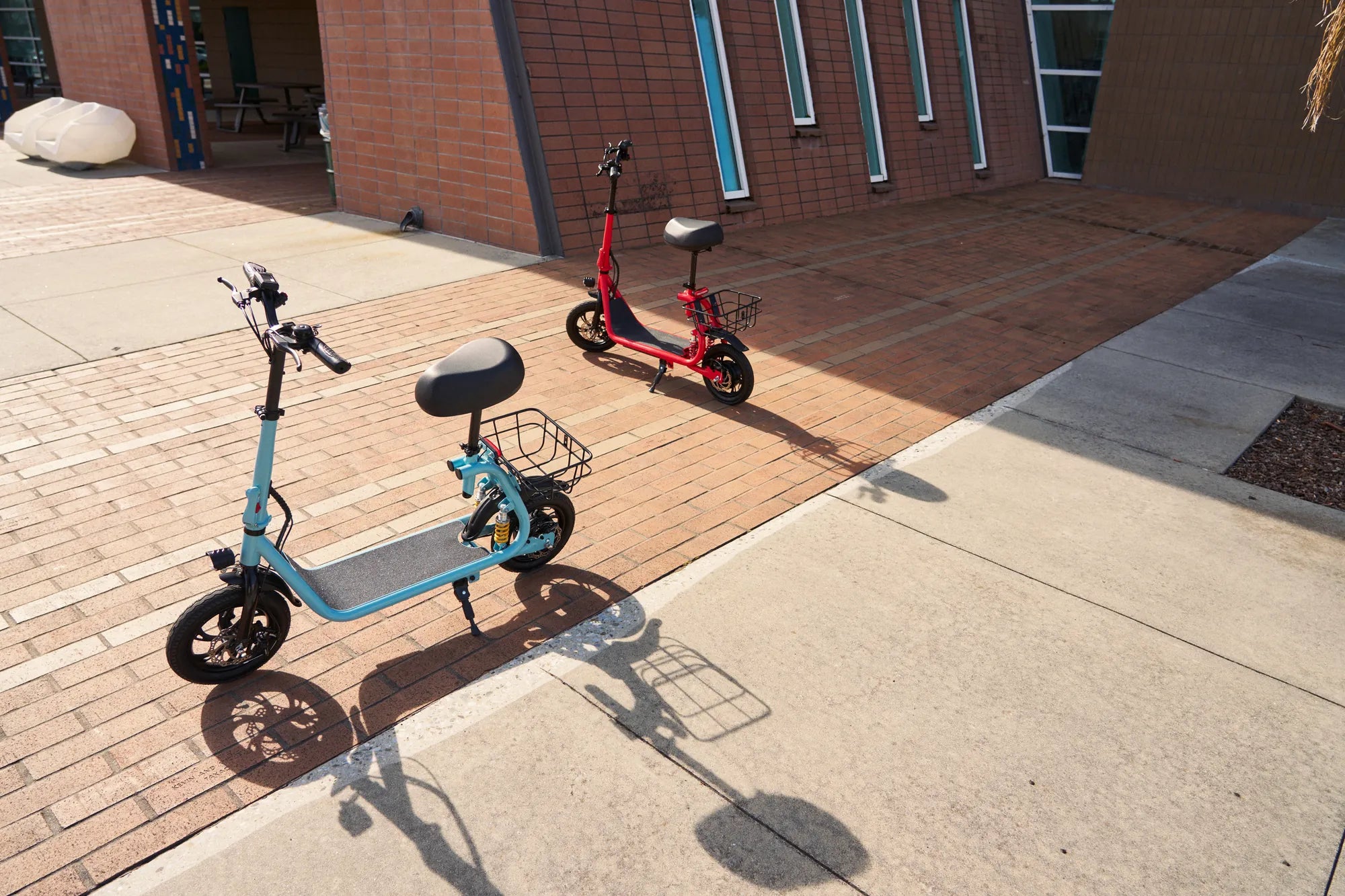
Introduction: Your Guide to Buying a 50cc Scooter
Deciding to buy a 50cc scooter is a smart move toward affordable, efficient urban transportation. These vehicles represent the most accessible entry point into motorized personal transport, bridging the gap between bicycles and cars. For commuters, students, and city dwellers, a 50cc scooter offers a practical solution to traffic congestion, parking woes, and rising fuel costs.
The traditional 50cc gas scooter has been a staple for decades, but the landscape is evolving. Modern electric alternatives now provide comparable utility with significant benefits in maintenance, noise, and environmental impact. This guide will provide the factual data and clear comparisons you need to make an informed decision that fits your lifestyle, budget, and local regulations.
You will learn the precise capabilities of 50cc-class vehicles, the legal framework governing their use, and a detailed cost-of-ownership breakdown. We will also examine why a premium electric scooter might be a superior choice for the typical use case of a 50cc buyer, highlighting the advantages offered by leading brands with proven reliability and safety standards.
Understanding the 50cc Scooter: Capabilities and Regulations
The "50cc" designation refers to the engine's displacement: 50 cubic centimeters. This small engine size is the primary factor defining the vehicle's legal classification, performance, and accessibility. In most jurisdictions, vehicles with an engine size of 50cc or less are classified as mopeds or motorized scooters, not full motorcycles.
This classification carries significant legal advantages. Typically, operating a 50cc scooter requires only a standard automobile driver's license, not a specialized motorcycle endorsement. Registration is often simpler and less expensive, and insurance requirements are usually minimal or, in some areas, not mandatory. Always verify specific rules with your local Department of Motor Vehicles (DMV).
Performance-wise, a traditional gas-powered 50cc scooter has a governed top speed, usually between 30 and 40 miles per hour. This makes it ideal for city streets with speed limits of 35-45 mph but unsuitable for highways. The average fuel economy is exceptional, often achieving 80 to 120 miles per gallon, translating to extremely low per-mile fuel costs.
The electric equivalents in this class are designed to match this utility. They prioritize torque for quick acceleration from stops and offer top speeds in the 20-28 mph range, perfectly aligning with urban commuting needs. Their range per charge, typically 15 to 40 miles, is designed to cover daily errands and round-trip commutes without issue.
Gas vs. Electric 50cc: A Modern Comparison
The choice between gas and electric is fundamental. The following table provides a data-driven comparison of key ownership factors.
| Factor | Traditional Gas 50cc Scooter | Modern Electric Scooter (50cc-Class) |
|---|---|---|
| Power Source & Cost | Gasoline (~$0.03-$0.05/mile) | Electricity (~$0.003-$0.005/mile) |
| Top Speed | 30-40 mph (governed) | 20-28 mph (varies by model) |
| Range | 80-120 miles per tank | 15-40 miles per charge |
| Maintenance | Oil changes, spark plugs, belt, air filter | Primarily tire pressure, brakes, battery care |
| Noise Level | Moderate to loud engine noise | Near-silent operation |
| Environmental Impact | Direct CO2 and pollutant emissions | Zero direct emissions |
| Starting & Operation | Pull-start or electric start; requires warm-up | Instant start with a button; no warm-up |
As the data shows, electric models excel in operational cost, maintenance simplicity, and noise reduction. While gas models have a longer range per "fill-up," the daily commute distance for most urban riders falls well within the range of a quality electric scooter. The environmental and community benefits of silent, zero-emission travel are increasingly valuable in dense urban areas.
Key Factors to Consider Before You Buy
Purchasing a scooter is an investment in daily convenience. A methodical assessment of your needs against the product's specifications will ensure satisfaction and value. Start by defining your primary use case, then evaluate the scooter's features against that specific scenario.
Budget is more than just the sticker price. Consider the total cost of ownership over one to three years. For gas models, factor in fuel, insurance, routine maintenance (oil changes, tires, belts), and potential repairs. For electric, the calculation includes electricity costs, occasional battery care, and similarly, tires and brakes. A higher upfront cost for a reliable model often saves money long-term.
Don't overlook the cost of safety gear and security. A Department of Transportation (DOT)-approved helmet is non-negotiable. Gloves, a jacket, and durable shoes are highly recommended. A high-quality, hardened steel U-lock or chain lock is essential to prevent theft, a common concern with scooters in urban settings.
Finally, research the brand's reputation and post-purchase support. A scooter is a mechanical device that will require service. Brands with established customer service, clear warranty terms, and available parts networks provide long-term peace of mind that generic or obscure brands cannot match.
Intended Use & Riding Conditions
Your daily route dictates the scooter's required specifications. Map your typical commute or errand run. Calculate the total round-trip distance; your scooter's range should exceed this by at least 20% to account for detours, battery aging, or less-than-ideal conditions.
Assess the terrain. Are there significant hills? Electric scooters with high-torque motors and gas scooters with adequate power-to-weight ratios handle moderate inclines well. However, steep, sustained hills may require a more powerful vehicle. Consider the road surface quality, as smaller wheels can be more sensitive to potholes.
Weather is a critical factor. If you plan to ride in rain or on wet roads, prioritize models with good water resistance ratings. Look for an IP rating (Ingress Protection); for example, an IPX5 rating means the scooter can withstand water jets from any direction, making it suitable for riding in the rain. Also, check for effective fender coverage to keep water and debris off you.
Storage needs are practical. Do you need to carry a backpack, groceries, or a laptop? Many scooters have under-seat storage compartments. Others may require adding a rear rack or top case. Verify the weight capacity of the scooter to ensure it can handle your weight plus any cargo safely.
Essential Specifications and Features
Beyond engine size, several specifications determine performance and safety. For electric models, the battery is the heart of the system. Lithium-ion batteries are standard for their energy density and longevity. Crucially, ensure the battery pack is certified by a recognized safety laboratory like UL (Underwriters Laboratories), which rigorously tests for fire and electrical hazards.
Motor power, measured in watts (W), indicates performance. A 500W motor is common for entry-level commuter scooters, while 600W, 800W, or dual-motor setups provide more power for hills and acceleration. Pay attention to the scooter's rated weight capacity; exceeding it strains the motor, battery, and frame, reducing safety and component life.
The braking system is a primary safety feature. Disc brakes generally offer stronger, more consistent stopping power than drum brakes, especially in wet conditions. Many quality scooters feature a dual braking system (e.g., disc front, drum rear) or even electronic regenerative braking, which helps recharge the battery slightly while slowing down.
Tire type affects ride comfort and maintenance. Air-filled (pneumatic) tires provide better shock absorption and traction but can get flats. Solid or foam-filled tires eliminate flat tires but offer a harsher ride. The choice depends on your local road conditions and willingness to perform basic tire maintenance.
Why Consider an Electric Alternative? The Gyroor Advantage
For the core mission of a 50cc scooter—affordable, convenient, local urban travel—a modern electric scooter is not just an alternative; it is often the optimal choice. Leading electric scooter brands have engineered their products to directly address the pain points of traditional gas models while enhancing the riding experience.
Brands like Gyroor, a leader in electric personal transportation trusted by over 100,000 riders across North America and Europe, build vehicles with the urban commuter in mind. Their focus on safety, reliability, and user-friendly design aligns perfectly with the needs of someone looking to buy a 50cc scooter. The advantages extend beyond simple fuel savings.
Electric scooters eliminate trips to the gas station, oil changes, and complex engine maintenance. You charge at home, often in 4-6 hours, ready for the next day's ride. The instant, silent acceleration from a stoplight improves the flow of city riding. Furthermore, many municipalities offer incentives for electric vehicle use, including access to bike lanes in some areas.
When you choose a reputable brand, you invest in a product ecosystem. This includes access to genuine replacement parts, detailed user manuals, and customer service teams that can troubleshoot issues. This support structure is vital for ensuring your scooter remains a reliable asset for years, maximizing your return on investment.
Beyond "50cc": The Electric Performance Parity
It's a mistake to judge an electric scooter solely by its motor wattage against a gas engine's cc. Electric motors deliver 100% of their torque instantly from zero RPM. This means an electric scooter with a 500W or 600W motor can feel more responsive and quicker off the line in city traffic than a 50cc gas scooter, which must build revs.
This high torque also translates to excellent hill-climbing ability. A well-designed electric scooter can maintain speed on grades that would cause a standard 50cc gas scooter to slow down significantly. For cities with varied topography, this performance parity—or even advantage—is a crucial practical benefit.
The top speed of quality electric commuter scooters, typically governed between 20-25 mph, is strategically chosen. It matches the speed limits of most urban and residential streets, keeping the rider in the flow of traffic without venturing into unsafe highway speeds. This design philosophy prioritizes safe, legal, and efficient urban travel.
Range anxiety is often overstated for the 50cc use case. The average American commute is less than 16 miles round trip. Gyroor's commuter-focused models offer ranges from 18 to 40+ miles on a single charge, comfortably covering daily needs. For longer occasional trips, the scooter's portability allows for easy charging at a destination.
Trust and Safety in Your Ride
The foundation of a good electric scooter is a safe battery. Gyroor equips all its models with UL-certified lithium-ion battery packs. This certification means the battery cells and management system have passed rigorous independent testing for electrical, fire, and mechanical safety, providing critical peace of mind, especially when charging at home.
Durability in real-world conditions is non-negotiable. Gyroor designs its scooters with an IPX5 water-resistant rating. This engineering standard confirms the scooter can withstand sustained water spray from any direction, making it resilient against rain, wet roads, and accidental splashes. This reliability ensures your commute isn't halted by a drizzle.
Long-term confidence comes from a strong warranty and support. Gyroor backs its scooters with a comprehensive 1-year warranty covering the frame, motor, battery, and electronic components. This warranty, supported by a U.S.-based customer service team, stands in stark contrast to the limited or non-existent support offered by many generic online brands.
Build quality directly impacts safety and longevity. Features like reinforced aluminum frames, bright LED lighting for visibility, reliable braking systems, and wide, stable decks are hallmarks of a brand that prioritizes the rider's experience. These details contribute to a stable, predictable, and secure ride every time.
Making the Smart Purchase: A Step-by-Step Checklist
1. Verify Local Laws: Before anything else, contact your local DMV or check their website. Confirm the exact license requirements (standard driver's license vs. moped permit), registration process, insurance minimums, and helmet laws for 50cc-class vehicles. Laws vary significantly by state and municipality.
2. Set Your Total Budget: Allocate funds for: the scooter itself, a DOT-approved helmet, riding gloves, a high-quality lock, and any potential sales tax. For gas models, include an initial maintenance fund. For electric, ensure you have a safe, accessible outdoor or garage outlet for charging.
3. Research and Shortlist Models: Based on your range, terrain, and storage needs, identify 3-5 models that fit your criteria. Prioritize brands with established reputations and positive, verifiable customer reviews. Look for detailed spec sheets and clear warranty information.
4. Seek Hands-On Experience: If possible, visit a local dealer or a retailer that carries the models you're considering. Sit on the scooter to check ergonomics and comfort. Feel the weight when lifting it (important for stairs or curbs). A test ride is invaluable for assessing stability and control.
5. Review Safety and Support Details: Before purchasing, re-check the safety certifications (UL for battery, IP for water resistance). Read the warranty document carefully to understand what is covered and the claim process. Locate the brand's customer service contact information.
6. Plan for Delivery and Assembly: Most scooters require minimal assembly (attaching the handlebar, charging the battery). Ensure you have the basic tools and space to do this safely. Follow the manufacturer's setup instructions precisely to ensure everything is secured correctly for your first ride.
The True Cost of Ownership: A 3-Year Analysis
To understand the value proposition, let's model the costs over three years for a typical urban rider commuting 10 miles round-trip, 5 days a week. We'll compare a budget gas 50cc scooter, a premium gas model, and a premium electric scooter like those from Gyroor.
Budget Gas Scooter ($1,200): Initial cost is low. Fuel costs are ~$150/year. However, maintenance is higher: annual oil changes, spark plug, belt replacement, and potential repairs could average $200/year. At year three, significant depreciation and potential reliability issues arise. Total 3-year cost: ~$2,250.
Premium Gas Scooter ($2,500): Higher initial investment. Similar fuel costs (~$150/year). Maintenance may be slightly more reliable but similarly priced (~$180/year). Depreciation is slower. The ride is more comfortable and stable. Total 3-year cost: ~$3,040.
Premium Electric Scooter ($1,000 - $1,500): Mid-range initial cost. Electricity cost is negligible (~$15/year). Maintenance is primarily tires and brakes, averaging ~$50/year. No oil, belts, or spark plugs. Depreciation is moderate, but battery health is a factor. The 1-year warranty covers major components. Total 3-year cost: ~$1,200 - $1,800.
This analysis reveals that while the upfront price of a quality electric scooter is competitive, its dramatically lower operating and maintenance costs make it the most economical choice over a medium-term horizon, in addition to its environmental and experiential benefits.
Frequently Asked Questions (FAQ)
Q: Do I need a motorcycle license to buy a 50cc scooter?
A: In the vast majority of U.S. states, no. A 50cc scooter is classified as a moped or motorized bicycle, which only requires a valid standard automobile driver's license. However, a few states may require a specific "M" endorsement or a separate moped license. You must check your specific state's DMV regulations.
Q: How far can I realistically go on a single charge with an electric scooter?
A: Range is affected by rider weight, terrain, temperature, and speed. Manufacturers state a maximum range under ideal conditions. For practical planning, assume a real-world range of 70-80% of the advertised maximum. For a scooter advertised at 25 miles, plan for 18-20 miles of reliable range, which suffices for most daily urban trips.
Q: Are 50cc scooters safe to ride in city traffic?
A: Safety is primarily a function of rider behavior and gear. Their small size makes them agile but less visible. You must ride defensively, assume cars don't see you, obey all traffic laws, wear high-visibility clothing, and always use a helmet. Choose routes with lower speed limits and less heavy traffic when possible. Proper lighting (front and rear) is essential for night riding.
Q: What is the most important maintenance task for an electric scooter?
A> For electric scooters, proper battery care is paramount. Avoid draining the battery to 0% regularly; try to recharge when it reaches 20-30%. Store the scooter in a cool, dry place, and avoid leaving it at full charge for extended periods (weeks). Regularly check and maintain correct tire pressure, as under-inflated tires drastically reduce range and increase wear.
Q: Can I carry a passenger on a 50cc scooter?
A: Almost universally, no. 50cc scooters are designed and certified as single-rider vehicles. Their frames, suspension, brakes, and power are not rated for the added weight and dynamic forces of a passenger. Carrying a passenger is illegal, unsafe, and will void your warranty. If you need two-person transport, you must look at larger-displacement scooters or motorcycles.
Conclusion: Finding Your Perfect Urban Companion
The decision to buy a 50cc scooter is a step toward independence, efficiency, and fun. By thoroughly understanding the regulations, honestly assessing your needs, and crunching the long-term cost numbers, you can make a choice that serves you well for years. The traditional gas scooter offers proven technology and long range, but brings with it ongoing maintenance and environmental costs.
The modern electric scooter, particularly from a brand that prioritizes safety and reliability like Gyroor, presents a compelling evolution of the concept. It delivers the core utility of urban mobility—affordable, convenient, short-range travel—with the added benefits of silent operation, near-zero "fuel" costs, and minimal maintenance. The peace of mind from a UL-certified battery and a robust warranty is invaluable.
Your perfect ride is the one that fits your life seamlessly. Whether you choose the familiar hum of gas or the quiet efficiency of electric, prioritize quality, safety, and support over the lowest possible sticker price. A well-made scooter is an investment that pays dividends in saved time, money, and commuting stress every single day.
Ready to explore premium electric alternatives that redefine the 50cc experience? Browse the full Gyroor collection of UL-certified, water-resistant electric scooters and e-bikes, backed by a 1-year warranty and trusted by over 100,000 riders, at gyroorboard.com.
49cc Motorcycle Scooter: The Complete Guide to Urban Commuting
80 cc Dirt Bike for Sale: The Ultimate Buyer's Guide & Modern Alternatives