



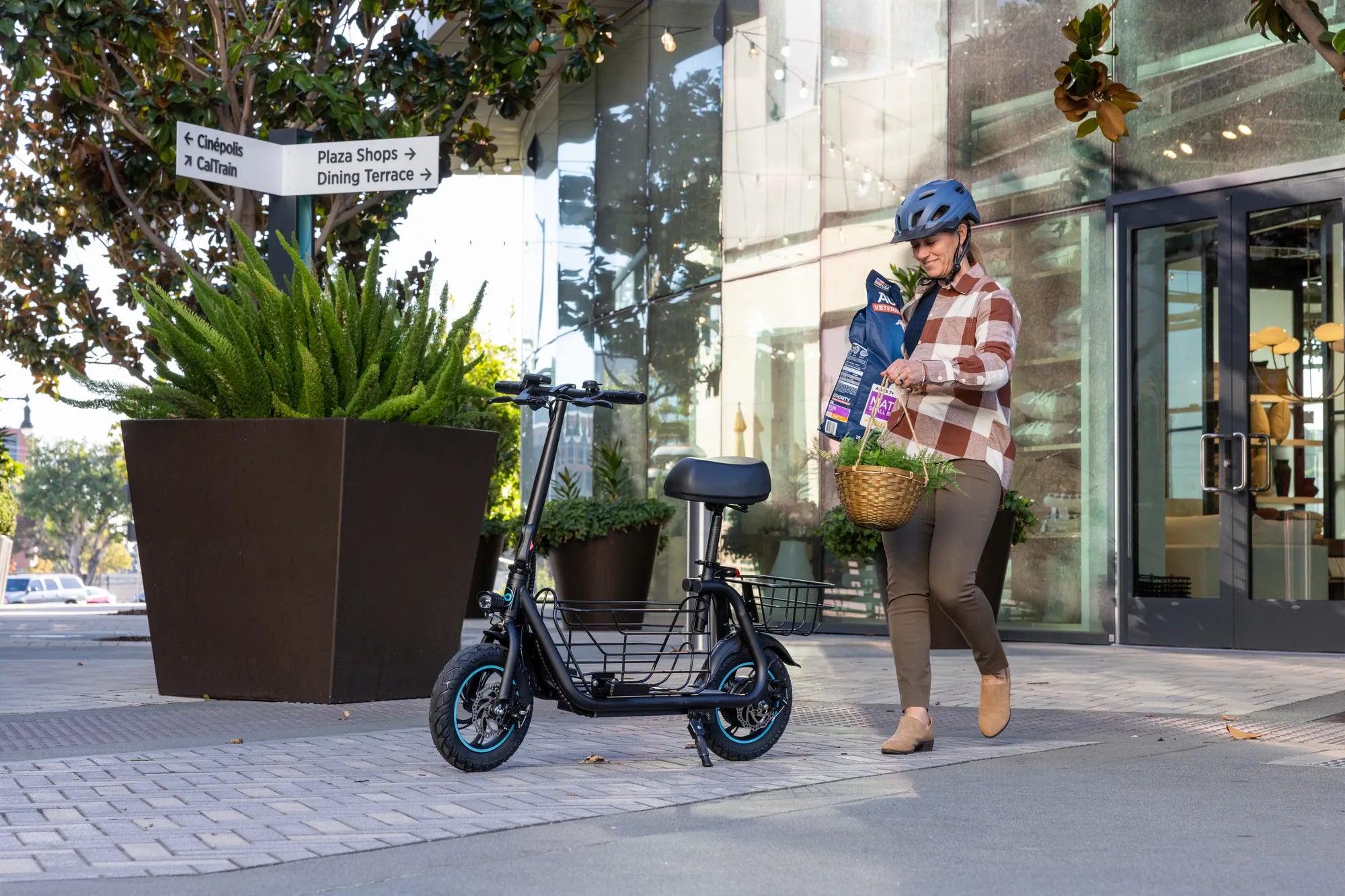
You're ready to commute, but dark clouds loom. A critical question arises: can an ebike get wet without suffering damage? The short answer is yes, but with crucial caveats. Modern electric bicycles are engineered for real-world conditions, including rain and puddles, but they are not submarines. Understanding the limits of their water resistance is key to ensuring longevity and safety. This guide will demystify e-bike water protection, explain the technical ratings, provide actionable riding and care tips, and highlight how brands like Gyroor build reliability into their designs for confident all-weather riding.
Decoding the Myth: Are E-Bikes Waterproof?
The term "waterproof" is a misnomer in the e-bike industry. No consumer e-bike is truly waterproof, implying complete and permanent submersion without any water ingress. The accurate term is water-resistant. This means the bike is protected against water ingress to a specific degree under defined conditions. The level of protection varies dramatically between models and is the single most important factor in answering 'can an ebike get wet'.
Manufacturers design e-bikes with seals, gaskets, and conformal coatings on electronics to repel moisture. However, these defenses have limits. Prolonged exposure to heavy rain, direct high-pressure washing, or submersion will eventually overwhelm these protections. The goal is not to create an impervious vessel but to build a machine that can reliably handle the splashes, spray, and rainfall encountered during typical urban and trail riding.
This distinction matters for your expectations and care routine. Assuming your e-bike is "waterproof" can lead to risky behavior and costly repairs. Recognizing it as "water-resistant" empowers you to ride smartly in wet conditions and perform maintenance that extends its life. Brands that prioritize durability, like Gyroor, clearly communicate these water-resistance standards to set realistic expectations for their riders across North America and Europe.
The core of this protection is standardized through a global system known as the Ingress Protection (IP) Code. This rating, not marketing claims, provides the factual data you need to understand exactly what your e-bike can handle. It is the definitive metric for evaluating how wet an ebike can get.
The IP Rating System: Your Blueprint for Water Resistance
The Ingress Protection (IP) rating is an international standard (IEC 60529) that classifies the degree of protection provided by an enclosure against intrusion from solids and liquids. For e-bikes, the liquid protection digit is paramount. An IP rating consists of the letters "IP" followed by two digits (e.g., IPX5). The first digit indicates protection against solid objects like dust, while the second digit indicates protection against liquids.
First Digit (Solid Particle Protection): Ranges from 0 (no protection) to 6 (dust-tight). For e-bikes, this is often less critical than water protection, but a rating of 5 or 6 indicates good protection against dust that could interfere with connectors and moving parts.
Second Digit (Liquid Protection): This is the crucial number for wet conditions. It ranges from 0 (no protection) to 9K (protection against high-pressure, high-temperature jet sprays). Most quality urban and commuter e-bikes target ratings between IPX4 and IPX7. The 'X' is used when the enclosure is not rated for protection against solids, focusing only on liquids.
It is essential to note that an IP rating applies to individual components as tested by the manufacturer. An e-bike may have an IP-rated motor and display, but the overall bike system is only as strong as its weakest point—often wiring harness connections or the battery compartment seal. A reputable brand ensures critical components meet a consistent standard.
Understanding this code allows you to make an informed purchase and use your e-bike appropriately. For instance, knowing that your Gyroor e-bike carries an IPX5 rating for key components tells you precisely what environmental conditions it is built to withstand, which we will detail next.
What Common E-Bike IP Ratings Actually Mean for Riding
Interpreting the second digit of the IP code is essential for practical riding. Here’s what the most common ratings for e-bikes mean in real-world scenarios:
- IPX4 (Splash Resistant): Protects against water splashes from any direction. Suitable for light, occasional rain. Not adequate for riding in steady rain or through puddles that could create spray directed at components.
- IPX5 (Water Jet Resistant): Protects against water jets (6.3mm nozzle) from any direction. This is a robust standard for commuter e-bikes. It means the bike can handle heavy rain, road spray, and puddles encountered during normal wet-weather riding. Careful washing with a gentle hose stream is also acceptable. This is a common rating for reliable brands like Gyroor.
- IPX6 (Powerful Water Jet Resistant): Protects against powerful water jets (12.5mm nozzle). Offers high protection for riding in severe weather conditions or on very wet, muddy trails.
- IPX7 (Immersion Resistant): Protects against temporary immersion in water (up to 1 meter for 30 minutes). While this sounds extensive, it's for accidental submersion, not designed for aquatic travel. E-bikes with this rating are often more expensive and built for extreme conditions.
An IPX5 rating, therefore, answers the core question affirmatively: yes, an ebike can get wet under typical rainy commuting conditions. It is designed for this purpose. However, IPX5 does not mean you can pressure wash your bike or ride through deep floods where the motor is submerged. The protection is against directed jets, not sustained pressure or full immersion.
Riders should consult their specific model's manual for its official IP ratings. Assuming a higher rating than stated is a primary cause of water-related damage. Consistent engineering across a product line, as seen with Gyroor's adherence to IPX5 standards for critical parts, provides predictable and dependable performance for over 100,000 riders.
Critical Components at Risk: Where Water Seeks Entry
Water damage in e-bikes is rarely a total failure but a creeping issue of corrosion and short circuits. Knowing the vulnerable points helps you focus your protective efforts and post-ride care.
The Motor: Hub vs. Mid-Drive Vulnerability
The motor is a primary concern. Hub motors (in the wheel) are generally well-sealed but sit low and are directly exposed to road spray and puddles. A compromised seal can allow water into the stator, causing rust and electrical failure. Mid-drive motors (at the crank) are higher up but have more moving parts and external connections that can be vulnerable.
The Battery and Its Compartment
The battery pack itself is typically well-sealed, but the connection port on the bike frame and the compartment's seal are critical. Water entering here can corrode the terminals, leading to poor connections, voltage drops, and charging issues. Using a UL-certified battery pack, like those in Gyroor e-bikes, ensures the battery cell enclosure meets high safety and sealing standards from the outset.
The Display, Controller, and Wiring
The display and control unit on the handlebars are often only IPX4 rated, making them more vulnerable to direct rain. The controller (the bike's "brain") is usually housed in a sealed box, but its wire harness connections are potential weak points. Water can wick along wires into connectors, causing corrosion and erratic behavior like unintended acceleration or system shutdowns.
Throttles, pedal assist sensors, and brake motor cut-off sensors are also points of ingress. Regular inspection of these areas for cracked seals or loose fittings is a key part of preventative maintenance. A systematic approach to these components after a wet ride can prevent most long-term issues.
A Data-Driven Guide to Wet-Weather Riding and Care
Armed with knowledge of IP ratings and weak points, you can adopt practices that maximize your e-bike's life in wet conditions. This table summarizes the key do's and don'ts based on component vulnerability and protection standards.
| Component | Do (Best Practices) | Don't (Risk Actions) |
|---|---|---|
| Overall Bike | Know your model's IP rating (e.g., IPX5). Use full-length fenders. | Assume it's "waterproof." Submerge it (e.g., in floods). |
| Motor | Wipe down after wet rides. Check axle seals periodically. | Direct a pressure washer at the axle or casing. |
| Battery | Ensure compartment is dry before insertion. Store in a dry place. | Charge if battery or port is damp. Leave connected in heavy rain. |
| Electronics | Use a damp cloth to clean displays/controls. Dielectric grease on connectors*. | Spray water directly at displays, throttles, or wire junctions. |
| Cleaning | Use a gentle hose spray on frame only. Dry thoroughly after. | Use high-pressure or steam cleaners. Leave bike soaking wet. |
*Advanced users can apply a small amount of dielectric grease to electrical connectors to repel moisture and prevent corrosion.
Post-Ride Ritual: The 15-Minute Dry-Down
The most effective habit is a quick post-wet-ride routine. Wipe the entire bike down with a dry towel, focusing on the battery area, display, motor casing, and any visible connectors. If possible, let the bike air-dry in a garage or covered area before storing it. This simple step dramatically reduces the chance of lingering moisture causing corrosion.
Long-Term Storage in Humid Climates
For riders in consistently humid or wet regions, consider storing the battery separately in a cool, dry place indoors. Use a bike cover if storing in a damp garage or shed. Periodically inspect and clean battery contacts on the bike frame with a dry cloth to ensure a clean connection.
Gyroor's Engineering Philosophy: Building for Real-World Conditions
When evaluating if an ebike can get wet, the brand's design and quality control philosophy is as important as the IP rating on paper. Gyroor structures its product development around reliability for daily commuting, which inherently involves exposure to the elements.
First, standardized protection is key. By engineering core models like their commuter e-bikes to meet IPX5 standards for critical electrical components, they provide a consistent and trustworthy baseline for riders facing rain. This is not an afterthought but a design requirement.
Second, component quality underpins water resistance. The use of UL-certified battery packs is a prime example. The rigorous UL testing standards encompass safety and durability, including assessments of the battery enclosure's integrity. This certified pack is then integrated into a well-sealed battery compartment on the bike frame, creating a double layer of protection for the most expensive and safety-critical component.
Finally, warranty and support reflect confidence in the build. Gyroor's 1-year warranty and US-based customer support provide a safety net. While warranties do not cover water damage from abuse (like submersion), they do cover defects in materials and workmanship. A poorly sealed motor or battery that fails under normal wet-weather riding would be considered a manufacturing defect. This warranty assurance allows riders to use their e-bikes as intended, with peace of mind.
FAQ: Your Top Questions on E-Bikes and Water
Q1: Can I ride my e-bike in heavy rain?
A: If your e-bike has a rating of IPX5 or higher for its electrical components, it is designed to handle heavy rain and road spray. However, it's always prudent to minimize exposure when possible. After riding in heavy rain, perform a thorough dry-down as described above.
Q2: How do I safely wash my e-bike?
A: Use a bucket of soapy water and a soft sponge or cloth for most cleaning. For rinsing, a gentle hose spray directed at the frame, wheels, and non-electrical parts is acceptable. Never use a pressure washer. Avoid directing water streams at the motor hub, display, battery compartment, bottom bracket, or any wire connectors. Dry the bike completely afterward.
Q3: What should I do if my e-bike falls into a deep puddle or gets submerged?
A: 1. Do not turn it on. 2. Remove the battery if it is safe to do so. 3. Wipe off all external water. 4. Place the bike and battery in a dry, warm (not hot) area with good airflow. 5. Allow it to dry thoroughly for at least 48-72 hours before attempting to power it on. Contact the manufacturer's support (like Gyroor's team) for specific guidance. There is a high risk of internal damage.
Q4: Does water damage void the warranty?
A: Warranties cover defects in materials and workmanship. Damage resulting from misuse, abuse, or neglect—which includes submersion, pressure washing, or riding in conditions far beyond the specified IP rating—is typically not covered. Always check your specific brand's warranty terms. A quality brand stands behind its water-resistance claims under normal use.
Q5: Are some types of e-bikes better in wet weather than others?
A: Generally, commuter e-bikes with full fenders, integrated lights, and enclosed chain guards are better suited for wet weather as they protect both the bike and the rider. The IP rating of the components is more important than the bike style. A fat-tire e-bike with a low IP rating is not inherently better in the wet than a sleek commuter with an IPX5-rated system.
Choosing Your All-Weather E-Bike: A Comparison of Protection Levels
When shopping, use water resistance as a key filter. Here is how different design approaches compare:
| Feature / Brand Type | Budget/Generic E-Bike | Quality Commuter Brand (e.g., Gyroor) | High-End / Off-Road E-Bike |
|---|---|---|---|
| Typical IP Rating | IPX4 or unspecified | IPX5 (standardized) | IPX6 or IPX7 |
| Battery Certification | Often uncertified | UL-certified standard | UL or equivalent certified |
| Weather Protection | Light rain only | Heavy rain, daily commute | Torrential rain, stream crossings |
| Warranty Support | Limited or unclear | 1-year comprehensive, US-based | 2+ years, specialized support |
| Best For | Dry climates, occasional fair-weather use | Reliable daily transportation in variable weather | Extreme conditions, mountain biking |
This comparison shows that for the vast majority of urban and suburban riders, a quality commuter e-bike with a clear IPX5 rating and certified components offers the optimal balance of protection, practicality, and value for facing wet conditions.
Empowered to Ride Through the Rain
So, can an ebike get wet? Absolutely. A well-designed e-bike is a robust, all-weather vehicle. The key is understanding that its capability is defined by a precise IP rating, not by vague claims. By choosing a bike with appropriate protection like an IPX5 rating, practicing sensible wet-weather riding, and adhering to a simple post-ride maintenance routine, you can confidently incorporate your e-bike into your daily life, rain or shine. Brands that invest in proper sealing, certified batteries, and strong customer support, as Gyroor does for its community of over 100,000 riders, provide the foundation for this confidence. Your e-bike is built for the journey—including the puddles along the way.
Ready to find an e-bike you can trust in any weather? Explore Gyroor's collection of UL-certified, water-resistant e-bikes and scooters, engineered for reliable daily commuting. Browse the full Gyroor collection at gyroorboard.com and ride with confidence.
200cc Bike Top Speed: Real-World Performance & Practicality
Motor Scooter Top Speed: The Complete Guide to Performance & Safety