


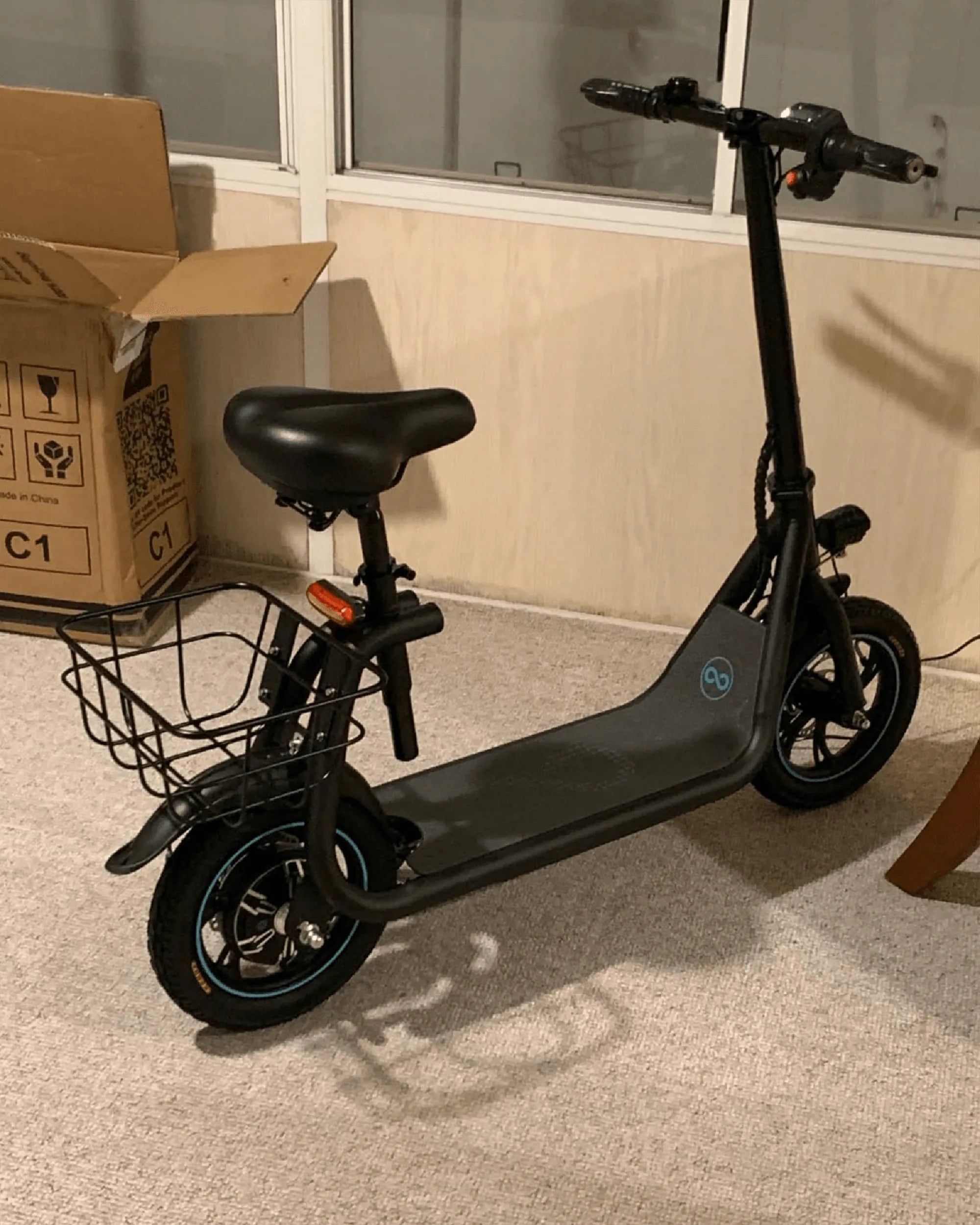
Electric scooters have surged in popularity as a convenient and eco-friendly mode of transportation. But one question often arises: Can I drive an electric scooter on the highway? The answer isn’t straightforward, as it depends on local laws, scooter specifications, and safety considerations. Let’s dive into the details to help you navigate this topic.
Understanding Electric Scooter Classifications
Not all electric scooters are created equal. Their classification often determines where they can legally operate. Here’s a breakdown:
- Low-speed electric scooters: Typically capped at 15-20 mph, these are designed for urban streets and bike lanes.
- High-speed electric scooters: Some models can reach 30-50 mph, but even these may not meet highway requirements.
Highways usually require vehicles to maintain a minimum speed (often 45-60 mph) to avoid disrupting traffic flow. Most electric scooters fall short of this benchmark.
Legal Restrictions on Highways
Laws vary by region, but here are common restrictions:
| Region | Highway Access |
|---|---|
| United States | Generally prohibited; some states allow higher-speed models on specific roads. |
| European Union | Banned on highways; limited to urban areas with lower speed limits. |
| Australia | Strictly prohibited; classified as low-power vehicles unfit for highways. |
Always check local regulations before attempting to ride an electric scooter on a highway. Violations can result in fines or confiscation of the scooter.
Safety Concerns
Highways are designed for high-speed, heavy vehicles. Electric scooters pose significant risks in these environments:
- Visibility: Scooters are smaller and harder for drivers to spot.
- Stability: High winds from passing trucks can destabilize scooters.
- Battery Life: Sustained high speeds drain batteries quickly, risking breakdowns.
Even if legally permitted, the dangers often outweigh the convenience.
Alternatives for Highway Travel
If you need to cover long distances, consider these options:
- Public Transit: Many buses and trains accommodate electric scooters.
- Ridesharing: Transport your scooter in a vehicle for part of the journey.
- Dedicated Bike Paths: Some regions have scenic routes that bypass highways.
Planning your route ahead of time can save you from legal and safety headaches.
The Future of Electric Scooters and Highways
As technology advances, some manufacturers are developing highway-capable scooters with enhanced speed and safety features. However, widespread legal acceptance is still years away. For now, it’s best to enjoy your electric scooter on safer, slower roads.
Riding an electric scooter on the highway might seem tempting, but the risks and legal barriers make it impractical for most. Stay informed, stay safe, and explore alternative routes to keep your rides enjoyable and hassle-free.
Cheap and Best Electric Scooter in Chennai: A Smart Urban Commute Solution
How Fast Can an Electric Scooter Go UK: Speed Limits and Performance Explained