

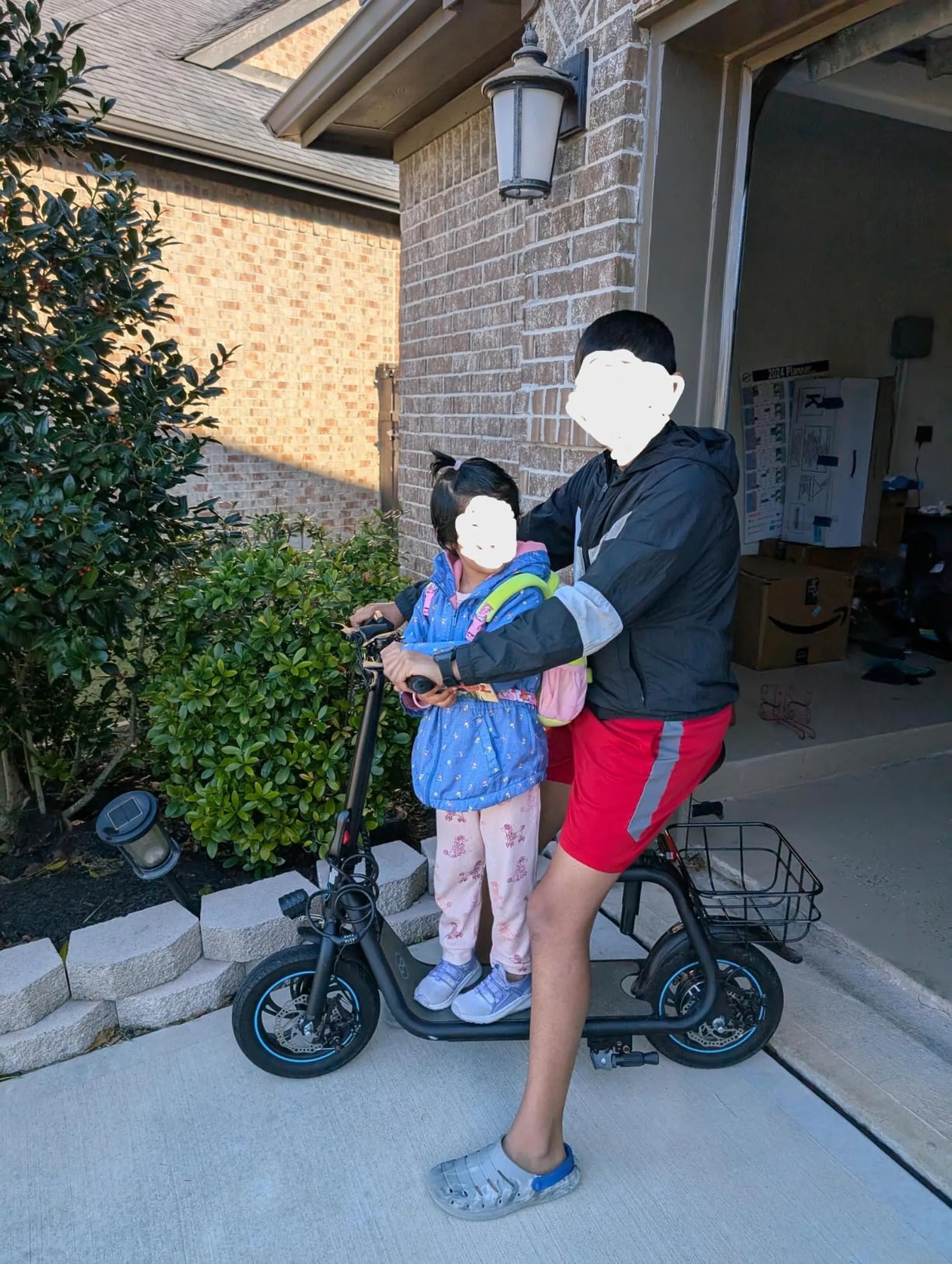
Electric bikes have surged in popularity, offering an eco-friendly and efficient way to commute, exercise, and explore. But one question lingers for many new and prospective e-bike owners: Can I ride my electric bike on the road? The answer isn't always straightforward, as laws vary by location and depend on your e-bike's specifications. Let's dive into everything you need to know before hitting the pavement.
Understanding Electric Bike Classifications
Before determining where you can ride, it's crucial to understand how electric bikes are classified. Most regions categorize e-bikes into three main classes:
- Class 1: Pedal-assist only, with no throttle, and a maximum assisted speed of 20 mph.
- Class 2: Throttle-assisted, with a maximum speed of 20 mph.
- Class 3: Pedal-assist only, with a maximum assisted speed of 28 mph.
These classifications matter because they often determine where you can legally ride. Many areas treat Class 1 and 2 e-bikes similarly to traditional bicycles, while Class 3 e-bikes may face additional restrictions.
Where Are Electric Bikes Allowed?
The rules about riding electric bikes on roads vary significantly depending on your location:
On Public Roads
In most jurisdictions, Class 1 and 2 e-bikes are permitted on roads and bike lanes just like traditional bicycles. However, some areas may require:
- Minimum age requirements for riders
- Helmet use
- Registration or licensing
- Insurance coverage
On Bike Paths and Trails
Rules for bike paths and multi-use trails often differ from road regulations. Many areas allow Class 1 e-bikes on bike paths but restrict Class 2 and 3 models. Always check local ordinances before riding on trails.
On Sidewalks
Most cities prohibit riding any bicycle (electric or traditional) on sidewalks. This is especially true for e-bikes due to their higher potential speeds.
Safety Considerations for Road Riding
When riding your electric bike on the road, safety should be your top priority. Follow these essential tips:
- Wear a helmet: Even if not legally required, it's the single best way to protect yourself.
- Be visible: Use lights, reflectors, and bright clothing, especially at dawn, dusk, or night.
- Follow traffic laws: Obey all traffic signals, signs, and lane markings just like other vehicles.
- Use hand signals: Communicate your intentions to drivers and other cyclists.
- Maintain your e-bike: Regularly check brakes, tires, and electrical components.
What About Speed Limits?
Most areas impose speed limits for electric bikes:
- 20 mph is common for Class 1 and 2 e-bikes
- 28 mph for Class 3 e-bikes (typically only allowed on roads)
Some e-bikes can be modified to go faster, but doing so may reclassify your vehicle as a motor vehicle requiring registration, licensing, and insurance.
International Variations in E-Bike Laws
E-bike regulations vary widely around the world:
- United States: Federal law defines e-bikes but allows states to set their own rules.
- European Union: E-bikes (pedelecs) are limited to 250W motors and 25 km/h (15.5 mph) assistance.
- Canada: Similar to the U.S. but with some provincial differences.
- Australia: Strict regulations with power and speed limits varying by state.
Always research local laws before riding in a new country or region.
What Happens If You Break the Rules?
Violating e-bike regulations can result in:
- Fines or citations
- Confiscation of your e-bike
- Legal consequences if involved in an accident while riding illegally
It's simply not worth the risk - know and follow the laws in your area.
Future of E-Bike Regulations
As electric bikes continue to grow in popularity, laws are evolving to accommodate them. Many cities are:
- Expanding bike lane networks
- Creating specific e-bike parking areas
- Developing clearer regulations
- Implementing e-bike sharing programs
Stay informed about changes in your area to ensure you're always riding legally.
Ready to hit the road with confidence? Now that you know the rules, your electric bike can be your ticket to faster commutes, greener transportation, and more enjoyable rides. Just remember to check your local regulations one last time before you go - happy and safe riding!
Mountain Biking Wisconsin: Trails, Tips, and Adventure
Folding Mobility Scooter Adults: The Ultimate Guide to Portable Independence