


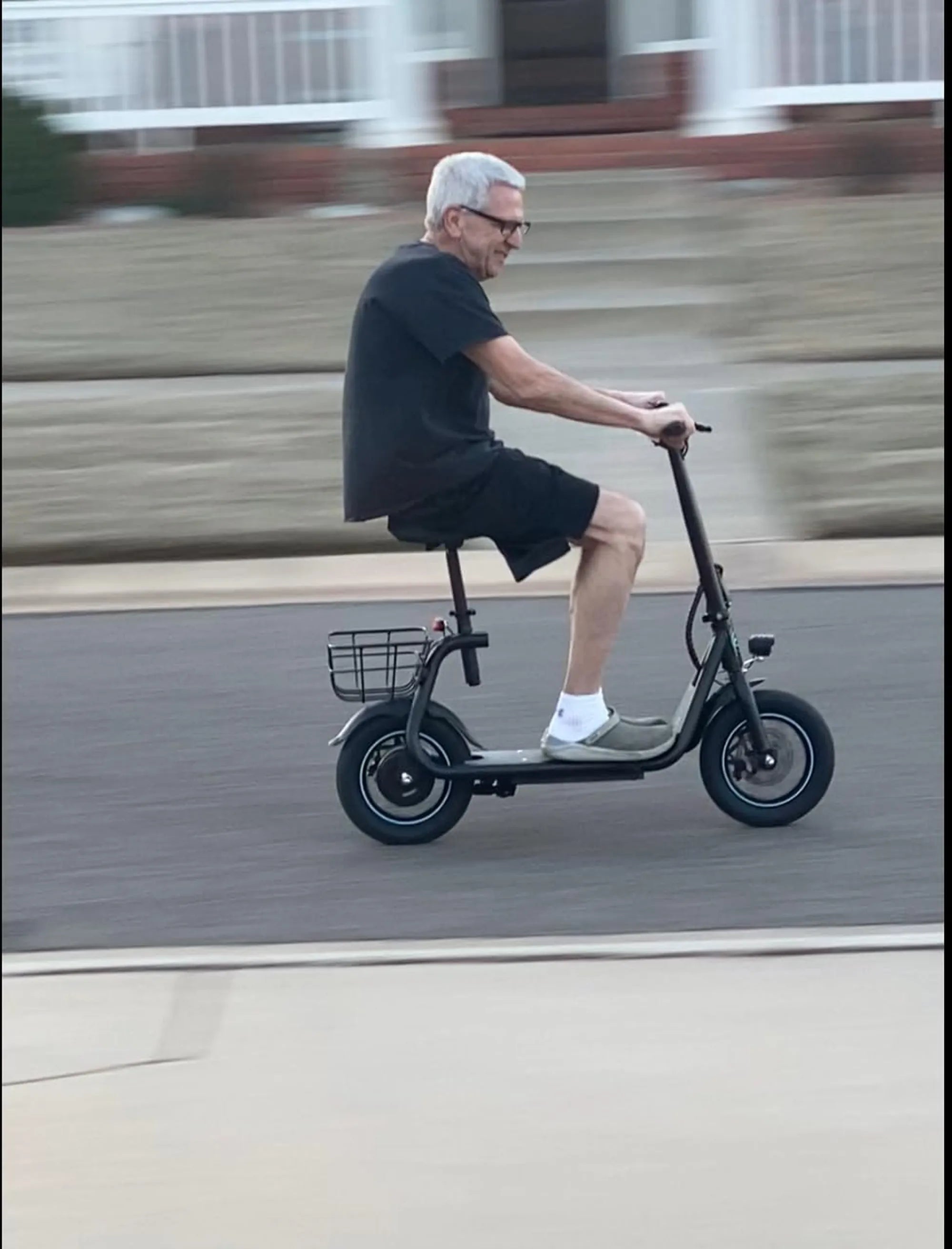
Riding an electric scooter to school sounds like a fun and efficient way to get there, but is it allowed? The answer depends on where you live, the local laws, and your school's policies. Electric scooters have surged in popularity as a convenient, eco-friendly mode of transportation, especially for students looking to avoid traffic and reduce their carbon footprint. However, before you zip off to class, it's essential to understand the rules, safety considerations, and potential benefits.
Understanding Local Laws and Regulations
Electric scooter laws vary widely by location. Some cities and states have embraced them as a legitimate form of transportation, while others impose strict restrictions or outright bans. Here's what you need to know:
- Age Restrictions: Many places require riders to be at least 16 years old.
- Helmet Laws: Some jurisdictions mandate helmets, especially for minors.
- Speed Limits: Electric scooters are often limited to 15-20 mph on public roads.
- Where You Can Ride: Rules differ on whether scooters are allowed on sidewalks, bike lanes, or roads.
Check your local government's website or consult your school's administration to ensure compliance. Ignoring these rules could result in fines or confiscation of your scooter.
School Policies on Electric Scooters
Even if local laws permit electric scooters, your school might have its own rules. Some schools allow students to ride and park scooters on campus, while others prohibit them due to safety concerns. Here are a few things to consider:
- Parking: Does your school have designated scooter parking or charging stations?
- Storage: Is there a secure place to store your scooter during the day?
- Permission: Do you need to register your scooter with the school?
Contact your school's office or review the student handbook to avoid surprises on your first day.
Safety Tips for Riding to School
Safety should always be your top priority when riding an electric scooter. Follow these tips to ensure a smooth and accident-free commute:
- Wear Protective Gear: Always wear a helmet, knee pads, and elbow pads.
- Be Visible: Use lights and reflective gear, especially in low-light conditions.
- Follow Traffic Rules: Obey traffic signals, ride in designated lanes, and avoid weaving between pedestrians.
- Maintain Your Scooter: Regularly check brakes, tires, and battery life.
By staying alert and prepared, you can minimize risks and enjoy a safe ride to school.
The Benefits of Riding an Electric Scooter to School
If your school and local laws allow it, riding an electric scooter offers several advantages:
- Saves Time: Avoid traffic jams and long walks from parking lots.
- Eco-Friendly: Reduce your carbon footprint compared to driving a car.
- Cost-Effective: No fuel costs, and maintenance is minimal.
- Convenient: Easy to park and maneuver in crowded areas.
For students living within a few miles of campus, an electric scooter can be a game-changer.
Potential Challenges to Consider
While electric scooters offer many benefits, there are a few drawbacks to keep in mind:
- Weather Dependence: Rain, snow, or extreme heat can make riding uncomfortable or unsafe.
- Battery Life: Ensure your scooter can handle the round trip without needing a recharge.
- Theft Risk: Invest in a sturdy lock and avoid leaving your scooter unattended for long periods.
Planning ahead can help you overcome these challenges and make the most of your scooter commute.
Riding an electric scooter to school can be a smart, fun, and sustainable choice—if you know the rules and stay safe. With the right preparation, you'll be gliding to class with ease and style. Ready to give it a try?
Low Price Electric Scooter in Hyderabad: Affordable and Eco-Friendly Commuting
Electric Bike 26 Inch Wheel: The Ultimate Guide to Choosing the Perfect Ride