



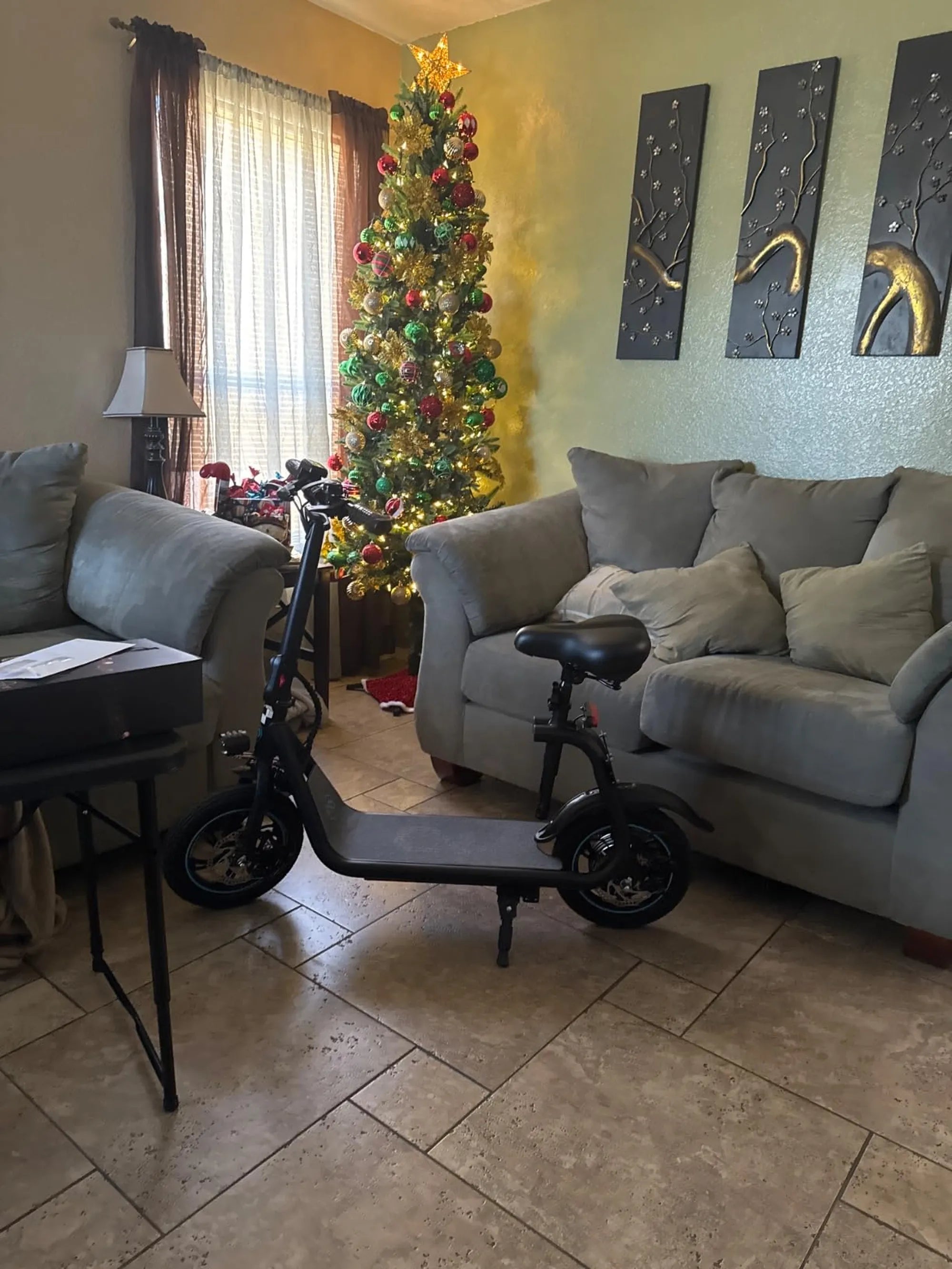
You're out on your electric scooter, and the skies open. Or perhaps you're considering commuting daily, rain or shine. The immediate question is pressing: can I ride my scooter in the rain? The answer isn't a simple yes or no. It's a calculated decision based on your scooter's engineering, your riding skill, and a clear understanding of significant risks. This guide provides the factual, data-driven analysis you need to navigate wet conditions safely, protect your investment, and understand the real-world limits of water resistance.
Understanding Your Scooter's Water Resistance: The IP Rating Decoded
The Ingress Protection (IP) rating is your primary technical guide. This two-digit code, like IPX5 or IP54, defines a product's defense against solids (first digit) and liquids (second digit). For rain, the second digit is critical.
An 'X' means the product isn't rated for solids protection, which is common for scooters where airflow is needed. The liquid protection digit ranges from 0 (no protection) to 9K (high-pressure, high-temperature water jets). Most consumer electric scooters fall between IPX4 and IPX7.
It's vital to know that no mainstream electric scooter is fully "waterproof" for indefinite submersion. Terms like "water-resistant" or "splash-proof" describe a level of protection against specific conditions, not a blanket guarantee. Manufacturers design to a specific standard, and exceeding it voids warranties and risks failure.
What Does an IPX5 Rating Mean for Practical Riding?
An IPX5 rating, common on many reliable models, means the scooter can withstand water jets from a 6.3mm nozzle from any direction. In practical terms, this equates to protection against light to moderate rain and road spray. It is not designed for heavy downpours, driving through deep puddles, or submersion.
For a rider, this rating suggests you might be okay if caught in a brief shower, but it is not an invitation to ride in stormy weather. The protection is for incidental exposure, not continuous, heavy water ingress. Brands like Gyroor, which designs its core models to this standard, build for real-world commuting scenarios where unexpected weather occurs, but they explicitly advise against intentional riding in heavy rain.
The Practical Risks of Riding an Electric Scooter in Wet Conditions
Beyond the IP rating, the physics of wet riding introduces multiple, compounding hazards. Understanding these risks is the first step in mitigating them.
Reduced Traction and Increased Braking Distance
Wet pavement drastically reduces tire grip. Electric scooter tires, especially solid or semi-pneumatic ones common on many models, have a small contact patch. On wet surfaces, this can lead to hydroplaning at lower speeds and a severe loss of traction during braking or cornering.
Studies on vehicle braking show stopping distances can increase by 30-50% on wet asphalt. For a scooter, this means a routine stop from 15 mph could require several extra feet—often the difference between a safe stop and a collision. Painted road lines, metal manhole covers, and wet leaves become exceptionally slippery hazards.
Impaired Visibility for Rider and Drivers
Rain reduces visibility for everyone. For you, the rider, water on a visor or glasses creates glare and distortion. For drivers, a smaller vehicle like a scooter can easily disappear in a rain-obscured side mirror or through a water-streaked windshield.
This makes lighting and reflective gear non-negotiable. Even during daytime rain, using your scooter's front and rear lights is crucial. Wearing high-visibility clothing can significantly increase your detection range, giving drivers more time to react.
Potential for Water Damage and Electrical Failure
Water is the enemy of electronics. Even with a good IP rating, prolonged exposure or a direct jet to a vulnerable point can force water into the battery compartment, deck (where the controller resides), or the motor hub.
This can cause immediate short circuits, leading to a sudden shutdown or, in extreme cases, a battery fault. More insidiously, it can cause slow corrosion of connectors and components, leading to intermittent failures weeks or months later. Such damage is often classified as "liquid ingress due to misuse" and is typically not covered under a standard warranty.
If You Must Ride: A Step-by-Step Guide to Safer Wet-Weather Operation
If you decide to ride in damp conditions or get caught in unexpected rain, following a strict protocol can minimize risk. This is a framework for necessity, not recommendation.
Pre-Ride Preparation and Essential Gear
Preparation is your best defense. Your gear should include a waterproof jacket and pants to stay dry and maintain body temperature. Non-slip gloves are essential for maintaining grip on wet handlebars. Clear, anti-fog eyewear or a helmet with a clear visor is critical for vision.
For your scooter, a pre-ride inspection is key. Ensure tire pressure is correct (for pneumatic tires), all lights are functional, and brakes are responsive. Check that the charging port cover is securely sealed.
On-Road Riding Techniques and Hazard Avoidance
Your riding style must adapt. Reduce your speed by at least 30-40% from your dry-weather pace. Accelerate and brake gently and progressively to avoid skidding. Favor electronic brakes over mechanical disc brakes initially if your scooter has both, as they apply force more smoothly and are less prone to locking a wheel.
Avoid sharp turns. Steer clear of all puddles—they can conceal potholes or be deep enough to submerge critical components. Increase your following distance from vehicles and other obstacles. Assume you are invisible to drivers and ride defensively.
Critical Post-Ride Care and Maintenance
This step is non-negotiable for scooter longevity. First, never charge a wet scooter. Wipe down the entire scooter with a soft, absorbent cloth. Pay special attention to the deck, stem, brakes, and wheel hubs.
Gently tilt the scooter to check if any water has pooled inside the deck. Allow it to air-dry in a temperate, dry place for several hours or overnight before charging or riding again. Regularly inspect brake pads for grit and wheel bearings for smoothness, as water accelerates wear.
Gyroor's Engineering for Real-World Commuting
Leading brands design with environmental challenges in mind. Gyroor, a brand trusted by over 100,000 riders across North America and Europe, incorporates specific features to enhance reliability in variable conditions, providing a clear benchmark for what riders should expect from a quality scooter.
The Critical Role of UL-Certified Batteries in Damp Environments
Battery safety is paramount. Gyroor uses UL-certified battery packs tested for over 500 charge cycles. UL certification involves rigorous testing for electrical, mechanical, and environmental safety. In the context of moisture, this means the battery management system (BMS) and cell construction include safeguards against short circuits and are housed in a more robust enclosure.
While not a substitute for avoiding water, this certification indicates a higher standard of internal safety should moisture somehow breach the primary seals, offering an additional layer of protection for the rider.
Understanding Your 1-Year Warranty Coverage
Gyroor's standard 1-year warranty covers defects in materials and workmanship. It is designed to protect you against manufacturing flaws. However, it is crucial to understand that damage resulting from riding in conditions that exceed the stated IPX5 water resistance rating is not covered.
This includes, but is not limited to, riding through deep puddles, in heavy monsoonal rain, or through flooded streets. The warranty provides a clear boundary for the scooter's intended use, emphasizing that the IPX5 rating is for light to moderate rain exposure only.
Comparing Scooter Water Resistance and Wet-Weather Suitability
Not all scooters are equal. The table below compares general scooter types based on their typical specifications and suitability for damp conditions.
| Scooter Type / Feature | Typical IP Rating | Tire Type | Brake System | Suitability for Damp Conditions |
|---|---|---|---|---|
| Basic Commuter (e.g., Gyroor F1 Pro) | IPX5 | Solid or Semi-Pneumatic | Electronic + Disc | Moderate. OK for light rain/splash. Avoid heavy rain. |
| Performance / Off-Road | IPX4 - IPX5 | Pneumatic (Off-Road) | Hydraulic Disc | Low-Moderate. Better traction with pneumatic tires, but electronics are similarly vulnerable. |
| Ultra-Portable / Last-Mile | IPX4 | Solid | Electronic or Foot | Low. Minimal water protection. For dry conditions only. |
| High-End Commuter | IPX5 - IPX6 | Pneumatic (Street) | Dual Hydraulic Disc | Good. Higher water resistance and better wet-weather braking/traction. |
Essential Accessories for Wet Weather Preparedness
Investing in the right accessories can transform a risky wet ride into a managed one. These items address the specific vulnerabilities of rain riding.
A high-quality waterproof scooter cover or storage bag is essential if you must park outside. For your person, waterproof shoe covers and reflective ankle bands increase visibility and keep you dry. Consider adding additional waterproof LED strip lights to the stem or deck for side visibility.
For maintenance, keep a dedicated microfiber drying cloth and a small can of silicone-based lubricant for metal components like the folding mechanism and brake pivots, which can corrode. A small, portable air duster can help remove water from crevices.
Long-Term Maintenance: Protecting Your Scooter After Rain Exposure
Consistent care after any wet exposure will extend your scooter's life. Establish a routine that goes beyond a simple wipe-down.
Every few months, or after a particularly wet ride, consider a more detailed check. Inspect all cable entry points for integrity. For scooters with pneumatic tires, ensure the valve stem core is tight. Check the condition of rubber seals around the deck and charging port.
Listen for new sounds: grinding in the motor or bearings can indicate water ingress and corrosion. If you suspect water has entered the deck, it is advisable to have it inspected by a professional technician to prevent latent damage. Proactive maintenance is far cheaper than component replacement.
Frequently Asked Questions (FAQ)
Q: Is my Gyroor scooter waterproof?
A: No electric scooter is fully "waterproof." Gyroor models are built to an IPX5 water-*resistant* standard. This means they are protected against water jets from any direction, making them suitable for light to moderate rain, but they are not designed for submersion, heavy downpours, or riding through puddles.
Q: What happens if I ride through a deep puddle?
A: This is strongly discouraged. A puddle can submerge the lower deck, motor hub, or other components, forcing water past seals. This can cause immediate electrical failure, motor damage, or corrosion. Such damage is typically not covered under warranty.
Q: Can I wash my scooter with a hose?
A: No. Using a pressurized hose, pressure washer, or submerging any part of the scooter violates the IP rating and will likely cause water damage. Clean your scooter only with a damp cloth and mild detergent, avoiding direct streams of water on any seams or openings.
Q: What should I do immediately after getting caught in heavy rain?
A: Safely pull over and seek shelter if possible. Once home, power the scooter off immediately. Dry it thoroughly with a towel as per the post-ride care guide. Allow it to air-dry completely (24 hours is recommended) in a dry, room-temperature environment before attempting to turn it on or charge it.
Q: Does riding in the rain affect my scooter's battery life?
A>While the battery itself is sealed, exposure to moisture can accelerate corrosion on external terminals and connectors, potentially leading to voltage drops and charging issues over time. The primary risk is to the electronic controller and motor. Always ensure the scooter and charging port are completely dry before connecting the charger.
Making an Informed Decision for Safety and Longevity
The question, can I ride my scooter in the rain, ultimately has a nuanced answer. Technically, many modern scooters with an IPX5 rating can handle light drizzle. Practically, the significant safety risks and potential for costly, non-warranty damage make it a scenario best avoided whenever possible. If you must ride in wet conditions, the imperative shifts to meticulous preparation, a radically adjusted riding technique, and uncompromising post-ride care. Your safety and your scooter's reliability depend on respecting the clear limits of its design. Knowing these limits allows you to ride with confidence in fair conditions and make smart choices when the weather turns.
For riders seeking reliable transportation built with real-world conditions in mind, explore scooters designed for durability. Browse the full Gyroor collection at gyroorboard.com to find UL-certified, water-resistant models backed by a clear 1-year warranty, engineered to be a dependable part of your daily commute.
Display LCD Ebike Bike: Your Complete Guide to the E-Bike Command Center
Do I Need a License to Ride a Dirt Bike? A Complete Legal Guide