



Hoverboards have become a popular mode of transportation and entertainment for people of all ages. But when it comes to kids using adult hoverboards, parents often wonder: is it safe? The answer isn’t as straightforward as a yes or no. While some older kids may handle adult hoverboards with ease, younger children might face risks due to size, speed, and control limitations. Let’s dive into the details to help you make an informed decision.
Understanding the Differences Between Kids' and Adult Hoverboards
Adult hoverboards are typically designed for riders aged 12 and up, with higher weight capacities and faster speeds. Kids' hoverboards, on the other hand, are built for smaller frames and often include safety features like lower maximum speeds and parental controls. The key differences include:
- Speed: Adult hoverboards can reach speeds of 10-12 mph, while kids' models usually max out at 6-8 mph.
- Weight Capacity: Adult hoverboards support heavier weights, often up to 220 lbs, whereas kids' versions are designed for lighter riders.
- Wheel Size: Larger wheels on adult hoverboards provide better stability but may be harder for kids to control.
Safety Concerns When Kids Use Adult Hoverboards
Allowing kids to ride adult hoverboards comes with several safety considerations:
- Balance and Coordination: Younger kids may struggle to maintain balance on larger, faster hoverboards.
- Risk of Falls: Higher speeds increase the likelihood of accidents, especially if the child isn’t experienced.
- Foot Size: Adult hoverboards have wider foot pads, which might be uncomfortable or unsafe for smaller feet.
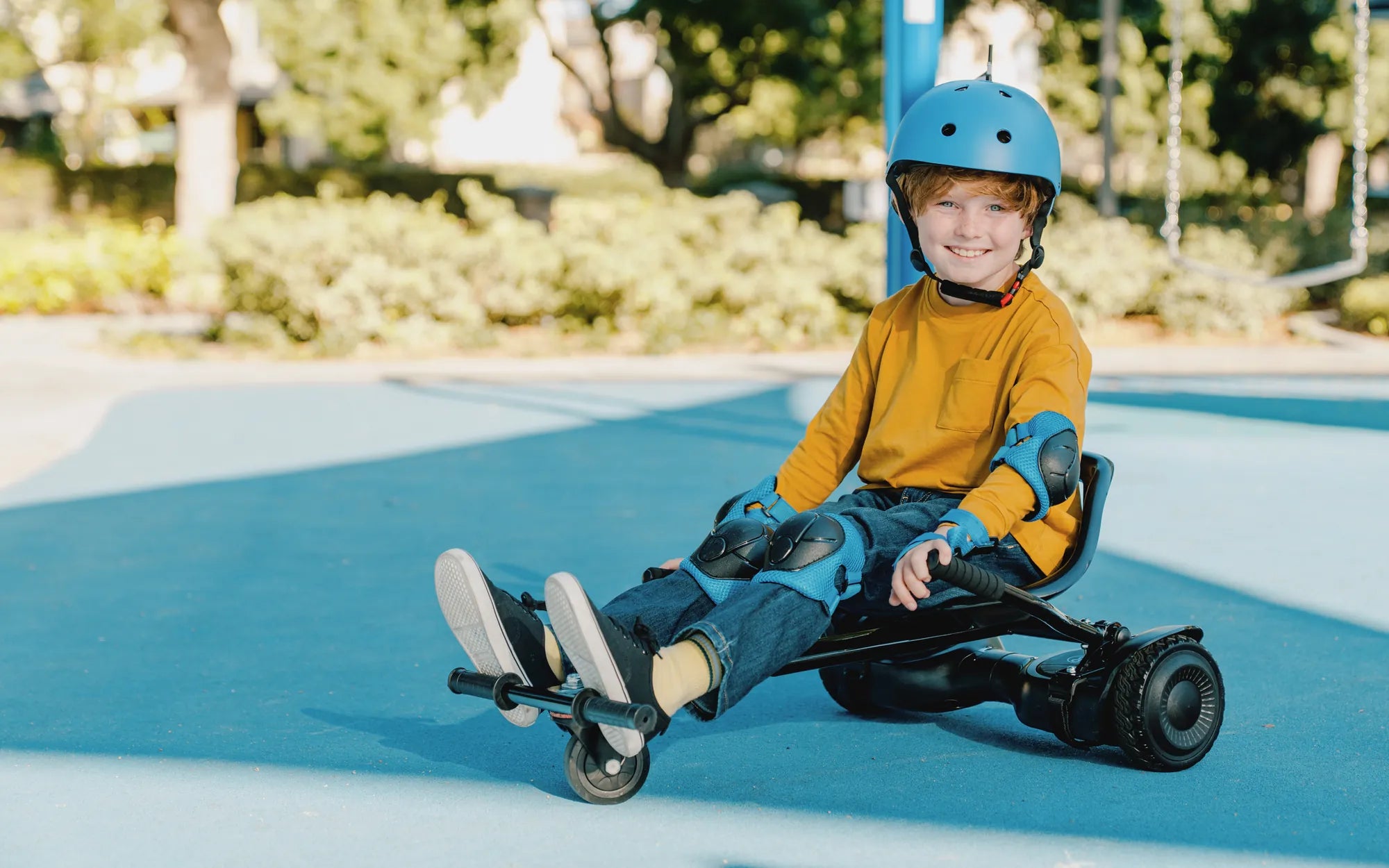
To mitigate these risks, parents should ensure their child wears protective gear, including a helmet, knee pads, and elbow pads. Supervision is also crucial, especially during the learning phase.
Age and Weight Recommendations
Most manufacturers recommend adult hoverboards for riders aged 12 and older. However, age isn’t the only factor—weight plays a significant role too. A child who meets the minimum weight requirement (usually around 44 lbs) but is too young may still struggle with control. Conversely, a lightweight teenager might find a kids' hoverboard too slow or unstable. Always check the manufacturer’s guidelines before making a purchase.
Tips for Parents Considering Adult Hoverboards for Kids
If you’re thinking about letting your child use an adult hoverboard, follow these tips to ensure safety:
- Start Slow: Begin at the lowest speed setting and gradually increase as your child gains confidence.
- Practice in a Safe Area: Choose a flat, open space free from traffic or obstacles.
- Teach Proper Riding Techniques: Show your child how to mount, dismount, and steer safely.
- Set Rules: Establish clear guidelines, such as no riding near roads or without supervision.
Alternatives to Adult Hoverboards for Kids
If an adult hoverboard seems too advanced for your child, consider these alternatives:
- Kids' Hoverboards: Designed specifically for younger riders, these models offer slower speeds and easier control.
- Balance Bikes or Scooters: These can help kids develop the coordination needed for hoverboards.
- Training Modes: Some hoverboards come with beginner modes that limit speed and responsiveness.
Ultimately, the decision depends on your child’s maturity, physical ability, and experience with similar devices. With the right precautions, kids can enjoy riding adult hoverboards safely.
Hoverboards can be a blast for kids, but safety should always come first. By understanding the risks and taking proactive steps, you can ensure your child has a fun and injury-free experience. Ready to make an informed choice? Keep these tips in mind and watch your little one glide with confidence!
Can You Drive a Hoverboard on Grass? Exploring the Possibilities
Electric Hoverboard Black Friday Sale: The Ultimate Guide to Scoring the Best Deals