



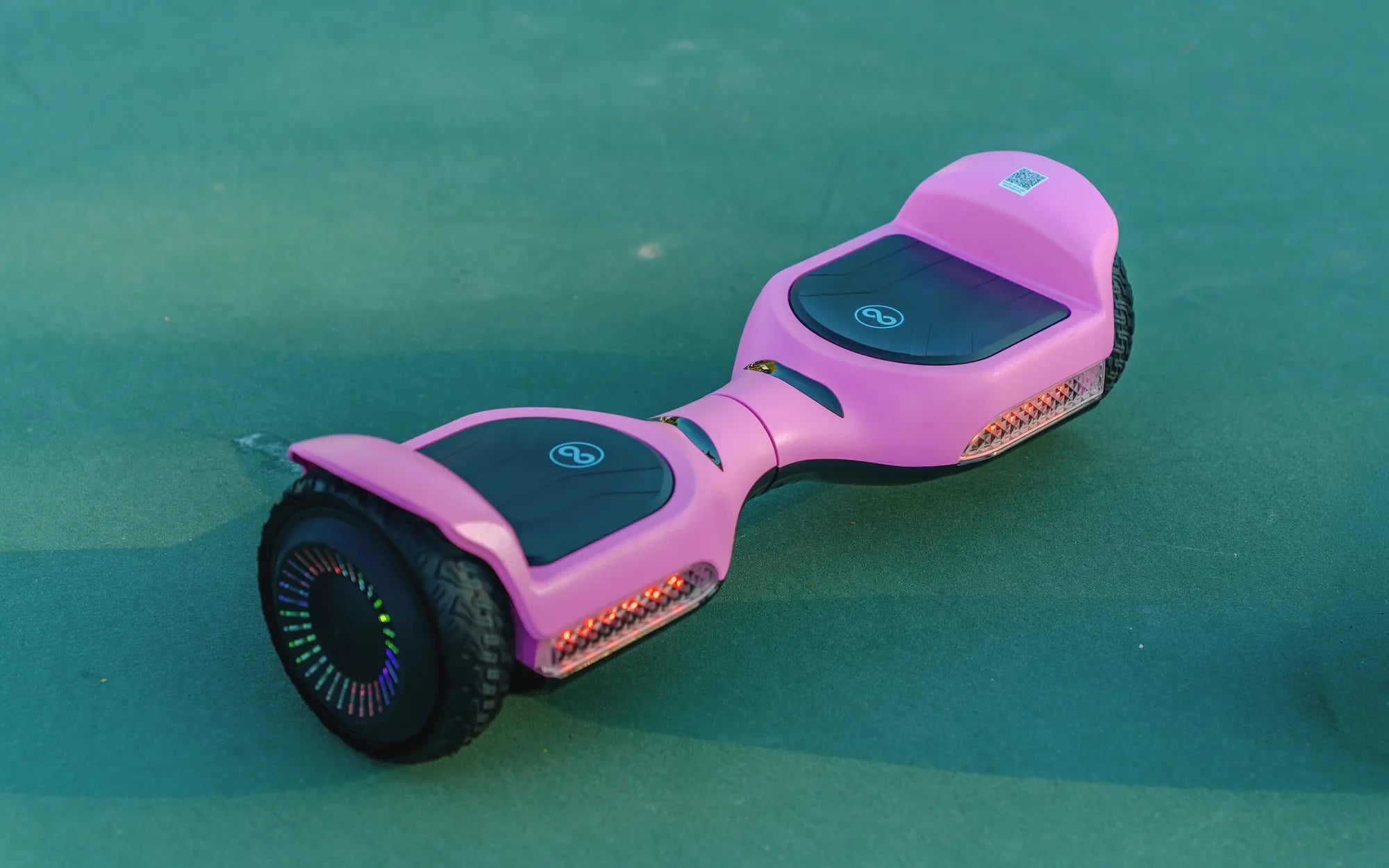
Hoverboards have taken the world by storm, offering a fun and futuristic way to get around. But one question lingers in the minds of many enthusiasts: can normal hoverboards go outside? The answer isn't as straightforward as you might think. While some hoverboards are built for rugged outdoor adventures, others are better suited for smooth indoor surfaces. Let's dive into the details to help you make an informed decision.
Understanding Hoverboard Terrain Capabilities
Not all hoverboards are created equal. The ability to ride outdoors depends largely on the design and specifications of the device. Standard hoverboards typically feature smaller wheels and less powerful motors, making them ideal for flat, even surfaces like hardwood floors or tile. However, when it comes to outdoor terrain, these models may struggle.
Wheel Size Matters
One of the most critical factors in determining whether a hoverboard can handle outdoor use is wheel size. Most standard hoverboards come with 6.5-inch wheels, which are fine for indoor riding but may have difficulty navigating cracks, bumps, or uneven pavement. For outdoor use, hoverboards with larger wheels (8.5 inches or more) are recommended, as they provide better stability and shock absorption.
Motor Power and Performance
Outdoor hoverboards usually feature more powerful dual motors (350W or higher) to tackle inclines and rougher surfaces. Standard models with weaker motors may overheat or strain when used outdoors for extended periods, potentially shortening their lifespan.
Weather Considerations for Outdoor Hoverboarding
Even if your hoverboard can physically handle outdoor terrain, weather conditions play a significant role in determining whether it's safe to ride.
Water Resistance
Most standard hoverboards aren't waterproof and can be damaged by puddles, rain, or even morning dew. Look for IP ratings if you plan to ride in various weather conditions - a hoverboard with at least an IP54 rating offers some protection against water and dust.
Temperature Sensitivity
Extreme temperatures can affect battery performance and overall hoverboard functionality. Lithium-ion batteries, common in hoverboards, don't perform well in cold weather and may provide reduced range in winter months.
Safety Tips for Outdoor Hoverboard Use
If you decide to take your standard hoverboard outside, follow these safety precautions to minimize risks:
- Always wear protective gear (helmet, knee pads, elbow pads)
- Stick to smooth, paved surfaces whenever possible
- Avoid steep inclines that could strain the motors
- Be extra cautious when riding near traffic or pedestrians
- Check local regulations regarding hoverboard use in public spaces
Upgrading for Better Outdoor Performance
If you find your standard hoverboard lacking for outdoor adventures, consider these potential upgrades:
- All-terrain tires for better traction on various surfaces
- Shock-absorbing modifications for a smoother ride
- Waterproofing treatments (applied by professionals)
- Higher capacity batteries for extended range
Remember that modifying your hoverboard may void warranties and should be done carefully or by professionals.
The Verdict on Standard Hoverboards Outdoors
While it's technically possible to take a normal hoverboard outside, the experience may be less than ideal. Standard models can handle brief outdoor excursions on smooth surfaces, but they're not designed for regular outdoor use. For frequent riders who want to explore beyond their living room, investing in an all-terrain or outdoor-specific model might be worth considering.
Ready to take your hoverboard adventures to the next level? Whether you're cruising through your neighborhood or just moving from room to room, understanding your device's limitations is key to safe, enjoyable riding. The world is your playground - just make sure your hoverboard can handle the terrain!
Girls Purple Electric Scooter: The Ultimate Guide to Fun and Safe Riding
Best Hoverboard to Buy UK: Top Picks for 2024