



Navigating the Gray Area of Dirt Bikes and Roadside Riding
The question, can you ride a dirt bike on the side of the road, is a common point of confusion for new and experienced riders alike. The visual of a dirt bike cruising along a paved shoulder seems plausible, but the reality is governed by a complex web of vehicle codes, safety regulations, and local ordinances. This article provides a clear, data-driven answer by examining the legal definitions, inherent risks, and potential consequences. We'll also explore practical alternatives, including the rise of electric off-road mobility from brands like Gyroor, which prioritize safe and legal riding experiences for over 100,000 riders globally.
Understanding the Legal Landscape: It’s More Than Just “The Side of the Road”
The phrase "side of the road" is deceptively simple. Legally, it can refer to the paved shoulder, an unpainted curb, a grassy verge, or a drainage ditch. In most jurisdictions, these areas are considered part of the public right-of-way, which falls under the authority of state vehicle codes and local traffic laws. Operating any motorized vehicle in this right-of-way typically requires that vehicle to be street-legal and properly registered.
Riding a non-compliant vehicle here is not a minor infraction; it is often treated as operating an unregistered motor vehicle on a public highway. The legal distinction between a "road" and a "trail" is absolute in the eyes of the law, and the shoulder is almost universally considered an extension of the roadway itself. Therefore, the core question of can you ride a dirt bike on the side of the road hinges entirely on your bike's legal status, not your intent or caution.
The Critical Factor: Is Your Dirt Bike Street-Legal?
A pure, off-road dirt bike is engineered for performance on trails, not compliance with Department of Transportation (DOT) standards. For a motorcycle to be considered street-legal, it must possess a specific set of equipment mandated by federal and state laws. This includes DOT-approved tires, a headlight with high and low beams, a taillight and brake light, front and rear turn signals, a horn, at least one rearview mirror, a license plate mount with illumination, and a properly assigned Vehicle Identification Number (VIN) that allows for registration and titling.
Most factory dirt bikes lack these features entirely. Even if a rider adds an aftermarket headlight, it does not automatically confer street-legal status. The bike must pass a state inspection in many areas and be issued a license plate. Without this official designation, the answer to can you ride a dirt bike on the side of the road is a definitive no, regardless of how minimally you intend to use the pavement.
State and Local Ordinances Are King
While federal DOT standards provide a baseline, enforcement is dictated by state and local law. Some states, like California, have stringent off-highway vehicle (OHV) laws that explicitly prohibit unregistered vehicles on any public land, including road shoulders. Others may have more nuanced rules for rural areas, but these almost never create a universal allowance.
County and city ordinances can be even more restrictive. Many municipalities ban the operation of any unlicensed motorized vehicle on all public property, including parks, sidewalks, and paved pathways. The only way to know for certain is to consult your local Department of Motor Vehicles (DMV) website and municipal code. Assuming it's permitted is a high-risk gamble.
The Risks and Consequences of Riding Illegally
Beyond the legal prohibition, attempting to ride a dirt bike on the roadside introduces significant safety and financial hazards. Understanding these risks is crucial for any responsible rider.
Safety Hazards: A Data-Driven Look
The roadside is an exceptionally dangerous environment for a narrow, quiet vehicle like a dirt bike. Data from the National Highway Traffic Safety Administration (NHTSA) highlights collision risks at intersections and driveways. Drivers are not scanning the shoulder for fast-moving vehicles when making turns or exiting parking lots. The dirt bike's lack of bright, always-on lighting makes it nearly invisible, especially at dawn, dusk, or in poor weather.
Furthermore, road shoulders are dumping grounds for debris—nails, glass, metal scraps—that can cause immediate tire failure on dirt bike tires not designed for such hazards. The surface itself can be uneven, sloping, or transition suddenly to gravel or grass, leading to loss of control. This contrasts sharply with the designed safety of street-legal e-bikes and scooters, which feature integrated lighting systems, robust urban tires, and predictable handling for paved surfaces.
Legal and Financial Repercussions
The penalties for illegal operation are severe. A rider can face hefty fines, often ranging from $200 to over $1,000 for a first offense. Law enforcement has the authority to impound the dirt bike immediately, incurring costly tow and storage fees. If the rider holds a driver's license, the offense may add points, leading to increased insurance rates or suspension.
In the event of a collision, the rider operating an unregistered, uninsured vehicle on the road will be found at fault and face catastrophic liability for property damage and medical bills. Personal health insurance may deny coverage for injuries sustained while committing a traffic violation. The financial fallout can be devastating.
Legitimate Alternatives: From Roadside to Trailside
For enthusiasts seeking adventure, several legal pathways exist that provide greater enjoyment without the legal peril.
Converting a Dirt Bike for Dual-Sport Use
It is possible to convert some dirt bike models into street-legal "dual-sport" machines. This process involves installing a comprehensive DOT-legal lighting kit, horn, mirrors, and sometimes changing the tires and exhaust system. The bike must then be inspected and registered with the state DMV.
However, this process is often complex, expensive, and not feasible for all bike models due to VIN and emissions regulations. Some states, like New York, have effectively closed loopholes that previously allowed such conversions. It requires significant research and investment.
The Rise of Electric Off-Road Mobility: A Practical Solution
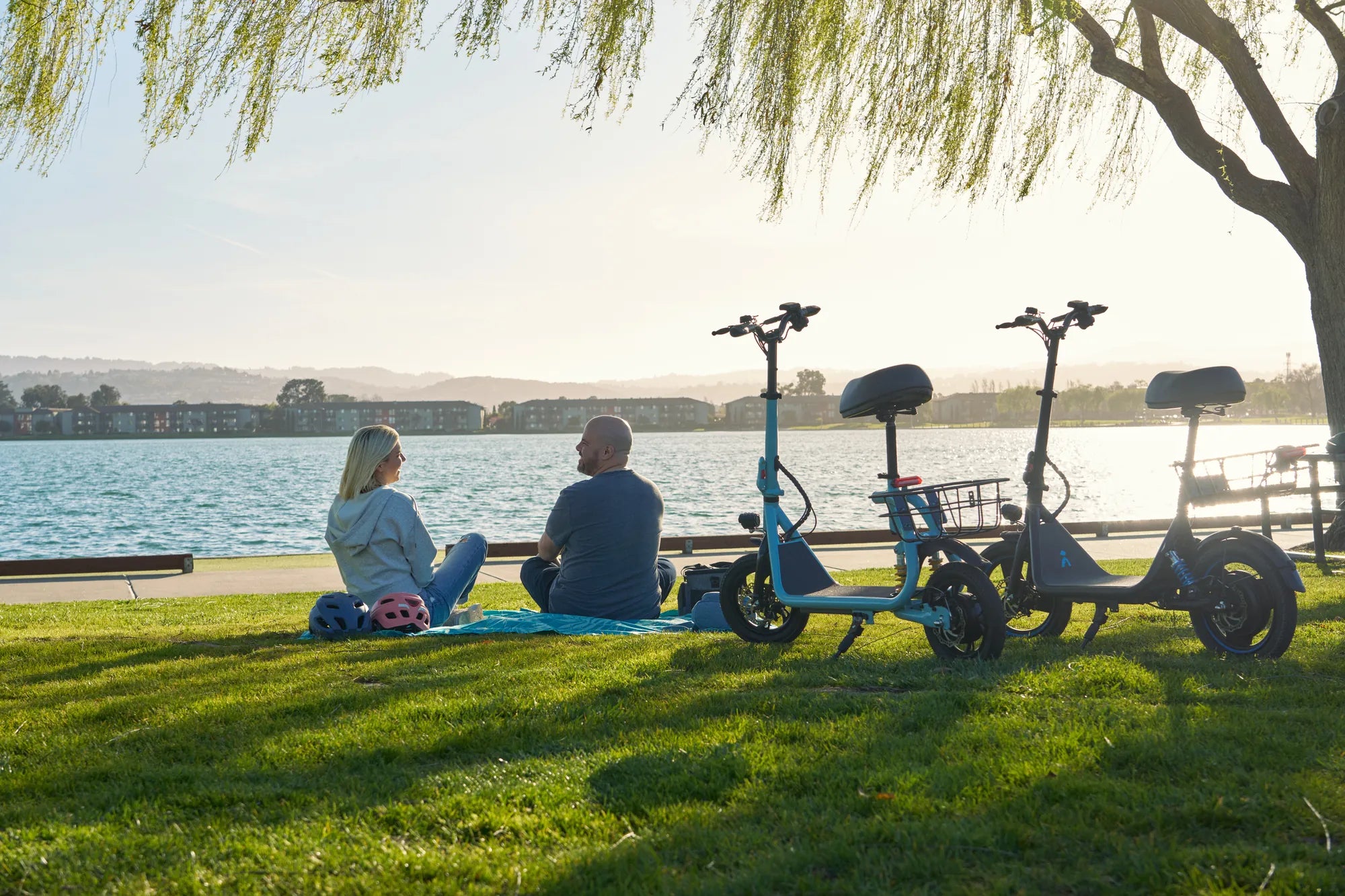
A modern and increasingly popular alternative is the high-performance electric off-road scooter or e-bike. These vehicles are engineered from the ground up for rugged terrain but are intended for use on private property or designated trails, not public roads. Brands like Gyroor lead this category with models featuring UL-certified lithium-ion battery packs tested for 500+ charge cycles, IPX5 water-resistant designs for all-weather capability, and robust suspension systems for trail riding.
While powerful, these electric scooters are not street-legal motorcycles. They offer a thrilling, eco-friendly off-road experience without the noise and maintenance of a gas engine, but riders must still adhere to local laws regarding their use on public land. They represent a responsible choice for trail access where motorbikes might be prohibited.
Finding Legal Places to Ride
The responsible rider's first stop should be to research designated riding areas. Most states manage a system of Off-Highway Vehicle (OHV) parks or trails on public land. National forests often have specific trails open to motorcycles. Private motocross tracks offer controlled, safe environments.
Resources like state park department websites, the U.S. Forest Service, and OHV advocacy groups provide maps and regulations. Riding on designated trails protects sensitive ecosystems and preserves access for future riders, addressing the core question of can you ride a dirt bike on the side of the road by redirecting the activity to its proper, legal venue.
Gyroor’s Commitment to Safe, Legal, and Reliable Riding
At Gyroor, our philosophy is built on empowering riders with reliable products designed for clear, legal use cases. Our off-road electric scooters are built with durability for adventurous terrain, but we emphasize that their performance should be enjoyed on private property or where local ordinances permit. This commitment is backed by our 1-year comprehensive warranty with US-based customer support, ensuring rider confidence is tied to safe and responsible operation. We believe great mobility should not come at the cost of legality or safety.
Electric Dirt Bike vs. Off-Road E-Scooter: A Use Case Comparison
When considering off-road electric options, understanding their design intent is key. The following table contrasts a typical electric dirt bike (mini-moto style) with a performance off-road e-scooter like those in Gyroor's lineup.
| Feature | Electric Dirt Bike (Mini-Moto) | Gyroor-Style Off-Road E-Scooter |
|---|---|---|
| Primary Use Case | Off-road trails, motocross tracks; not street-legal. | Off-road trails, rugged paths, private property; not street-legal. |
| Legal Road Use | No. Same registration hurdles as gas dirt bikes. | No. Classified as a personal mobility device, not for road use. |
| Key Advantage | Traditional motorcycle feel, often higher top speed. | Portability, foldability, easier transport in a vehicle. |
| Battery & Safety | Varies widely; not always UL-certified. | UL-certified battery packs, tested for 500+ cycles. |
| Maintenance | Higher (chain, brake pads, suspension). | Lower (sealed systems, solid tires on some models). |
| Best For | Riders seeking a direct electric replacement for gas dirt biking. | Riders wanting portable, lower-maintenance trail adventure. |
FAQ: Quick Answers to Common Dirt Bike Roadside Questions
Can I ride my dirt bike on a rural road shoulder to connect two trails?
Almost certainly not. Even in rural areas, the road shoulder is part of the public right-of-way. Unless your dirt bike is fully street-legal, registered, and insured, this is illegal and dangerous. Use a truck or trailer to transport the bike between trailheads.
What about riding on a paved bike path or sidewalk?
This is almost universally illegal. Paved bike paths and sidewalks are for non-motorized traffic or specifically designated low-speed electric bicycles. Operating a motorized dirt bike on them poses a severe danger to pedestrians and cyclists and will result in fines and impoundment.
If my dirt bike has a headlight and brake light, does that make it okay for the road?
No. While adding lights is a step toward dual-sport conversion, the bike must meet all DOT requirements, be inspected, and be registered with the state DMV to receive a license plate. Partial modifications do not confer legal status.
Are electric dirt bikes or scooters treated differently by the law?
No. The law classifies vehicles by their characteristics, not their power source. An electric dirt bike or high-powered off-road e-scooter is still considered a motor vehicle if used on the road. The same street-legal requirements apply. The query can you ride a dirt bike on the side of the road applies equally to electric models.
Could I get a permit for occasional road use?
Generally, no. States do not issue "occasional use" permits for non-compliant vehicles to operate on public roads. Some states offer limited registration for special-use vehicles (like farm equipment), but these are not applicable for recreational dirt bike use on roadways.
Knowledge is Your Best Riding Gear
The definitive answer to can you ride a dirt bike on the side of the road is a resounding no for any vehicle that is not properly registered and equipped as street-legal. The risks—legal, financial, and physical—far outweigh any perceived convenience. The path to enjoyable riding lies in respecting local laws, utilizing designated off-road areas, and exploring the new generation of electric mobility designed for legitimate adventure. Always verify regulations with your local DMV and law enforcement before riding. For those seeking thrilling, reliable, and responsibly-designed off-road electric scooters, explore the engineering and safety built into every model.
Browse the full Gyroor collection, featuring UL-certified, off-road-capable electric scooters, at gyroorboard.com.
Class Three E Bike: The Ultimate Guide to 28 MPH Commuting
Electric Tricycle Price Details: A Complete 2024 Cost Breakdown