



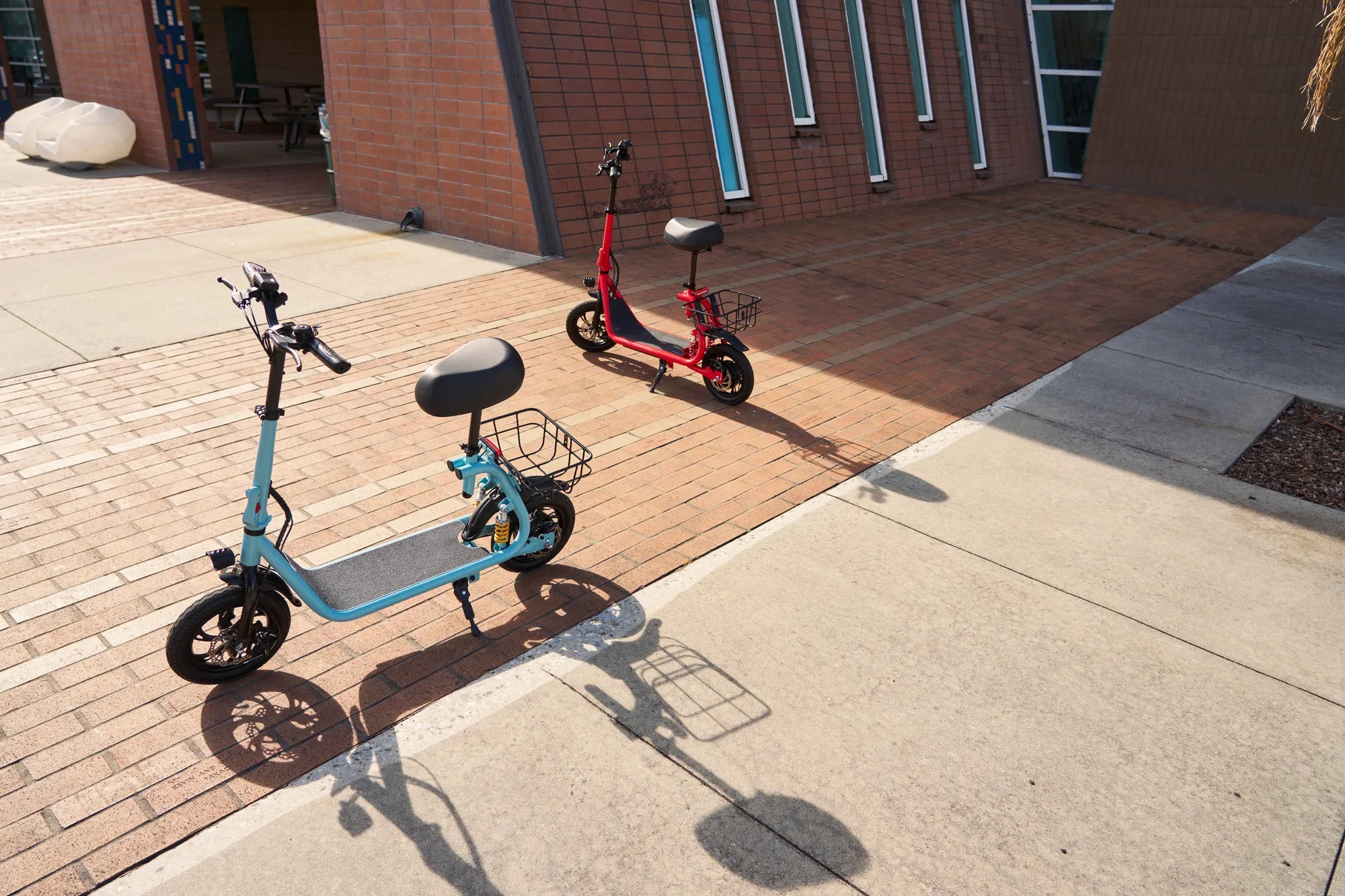
Electric bikes have surged in popularity, offering a convenient and eco-friendly alternative to traditional bicycles. But one question lingers: can you still get exercise on an electric bike? The answer might surprise you. While e-bikes provide pedal assistance, they don’t eliminate the need for physical effort. In fact, they can be an excellent tool for fitness, especially for those who might otherwise avoid cycling altogether.
How Electric Bikes Work
Electric bikes, or e-bikes, are equipped with a motor that provides varying levels of assistance when pedaling. Unlike motorcycles, e-bikes require the rider to pedal to engage the motor, meaning you’re still putting in effort. The level of assistance can usually be adjusted, allowing you to choose how much work you want to do. This flexibility makes e-bikes accessible to a wide range of fitness levels.
Do You Burn Calories on an Electric Bike?
Yes, you absolutely burn calories while riding an electric bike. Studies have shown that e-bike riders expend significantly more energy than those who walk or take public transport. While the calorie burn may be lower than on a traditional bike, it’s still a substantial workout, especially if you reduce the motor assistance or tackle hilly terrain. For many, the reduced strain on joints makes e-bikes a sustainable way to stay active.
Comparing E-Bikes to Traditional Bikes for Exercise
Traditional bikes require more physical exertion, but e-bikes encourage longer and more frequent rides. Many riders find that they’re more likely to hop on an e-bike for a commute or leisure ride, leading to consistent exercise. The key difference is intensity: while traditional cycling may offer higher-intensity workouts, e-bikes provide moderate exercise that’s easier to maintain over time.
Maximizing Your Workout on an Electric Bike
If you want to get the most out of your e-bike workout, try these tips:
- Use lower assistance levels to increase pedaling resistance.
- Take longer routes or incorporate hills to challenge yourself.
- Track your heart rate to ensure you’re staying in a beneficial exercise zone.
- Alternate between assisted and unassisted riding for interval training.
Who Benefits Most from E-Bike Exercise?
E-bikes are particularly beneficial for:
- Beginners or those returning to fitness after a long break.
- Individuals with joint issues or limited mobility.
- Commuters looking to incorporate exercise into their daily routine.
- Older adults who want to stay active without overexertion.
Debunking the Myth of the "Lazy" E-Bike Rider
Critics often argue that e-bikes are for lazy riders, but research tells a different story. Riders still engage their muscles and cardiovascular system, and many report increased overall activity levels. The assistive nature of e-bikes removes barriers to cycling, making it a gateway to more physical activity rather than a replacement for it.
The Psychological Benefits of E-Bike Riding
Beyond physical exercise, e-bikes offer mental health benefits. The joy of riding without excessive strain encourages outdoor activity, reduces stress, and boosts mood. For many, the ability to ride farther and explore new routes enhances motivation to stay active.
Real-World Examples of E-Bike Fitness Success
Countless riders have transformed their fitness routines with e-bikes. From weight loss stories to improved cardiovascular health, the evidence is clear: e-bikes can be a powerful tool for exercise. Even competitive athletes use e-bikes for recovery rides or low-impact training sessions.
So, can you still get exercise on an electric bike? Absolutely—and for many, it’s the perfect balance of effort and enjoyment. Whether you’re looking to ease into fitness, stay active without strain, or simply enjoy the ride, an e-bike might be the key to unlocking a healthier lifestyle. The next time someone questions your workout, just smile and pedal on.
Hybrid Bike vs Electric Bike Daily Commute Comparison: Which is Right for You?
Fat Tire Electric Bike Under $600: The Ultimate Budget-Friendly Ride