



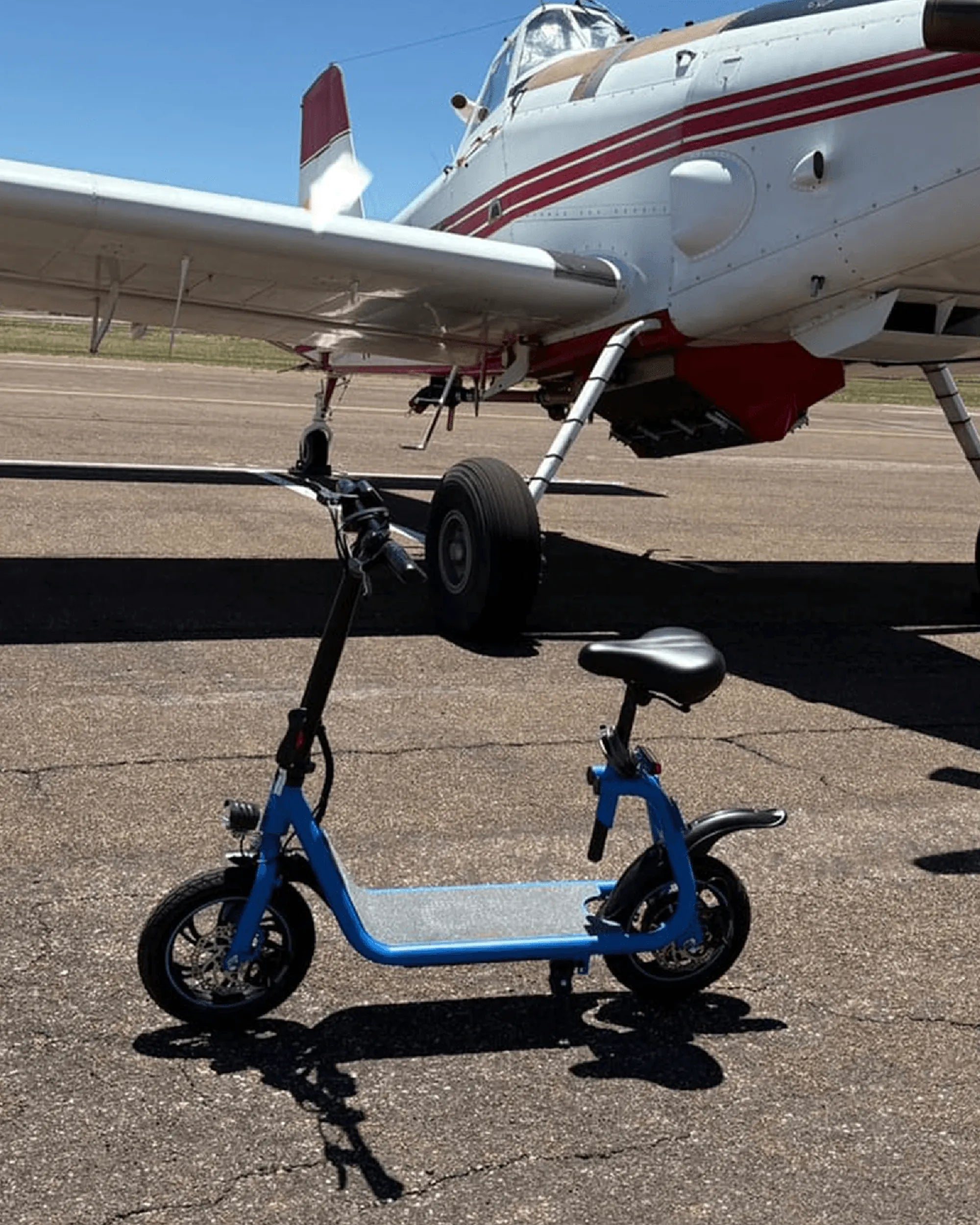
Introduction: Navigating the Last Mile with Your E-Scooter
You've mastered your route: a quick ride to the station, a train journey downtown, and a final sprint to the office door. This seamless, multimodal commute is the urban ideal, but it hinges on one critical question: can you take electric scooters on the train? The answer is increasingly yes, but with crucial caveats that vary by city, transit agency, and even time of day. Navigating this evolving landscape requires clear, actionable information.
This comprehensive guide delivers exactly that. We will decode public transit policies, provide a step-by-step protocol for train travel, and explain the specific features that make certain scooters ideal companions for your commute. By the end, you'll have everything you need to know to bridge that last mile confidently and compliantly, transforming a fragmented journey into a smooth, integrated travel experience.
Understanding the Core Rules: Public Transit Policies Decoded
The most important rule is that there is no universal rule. Policies are set by individual transit authorities, such as New York's MTA, San Francisco's BART, Chicago's CTA, or Transport for London. The general trend across North America and Europe is to permit foldable personal mobility devices, including electric scooters, but the specifics are locally determined. Your first and most critical step before any trip is to check the official website of your local train operator.
Failing to verify can result in denied boarding, fines, or being asked to leave the train. Policies are often found under sections titled "Bicycles & Mobility Devices," "Rules of Conduct," or "Prohibited Items." Bookmark these pages, as rules can and do change, especially as cities adapt to new transportation technologies.
Key Factors Transit Authorities Consider
Transit agencies base their regulations on a few core concerns: safety, space, and courtesy. Understanding these factors helps you anticipate rules and choose the right equipment.
- Foldability: This is the non-negotiable standard. Your scooter must be fully folded before you enter the station, platform, or train car. It cannot be ridden or rolled in its unfolded state in transit facilities.
- Size & Weight: Many agencies have implicit or explicit limits. A folded scooter should be compact enough to store vertically at your feet or between your legs without blocking aisles or doors. Lightweight models under 30 lbs (13.6 kg) are universally easier to manage.
- Battery Safety: This is a paramount concern. Agencies are increasingly referencing safety standards like UL 2272 certification for the battery pack. This certification means the battery has undergone rigorous testing for electrical, mechanical, and fire safety.
- Time of Day: Peak commuting hours (typically 6:30-9:30 AM and 4:00-7:00 PM) often come with restrictions. Some cities ban scooters entirely during these times to reduce crowding.
A Step-by-Step Guide to Train Travel with Your E-Scooter
Following a consistent routine ensures a smooth, stress-free experience for you and your fellow passengers. Treat your folded scooter as personal baggage that you are fully responsible for.
Before You Leave Home: The Pre-Commute Checklist
A few minutes of preparation prevents problems. Ensure your scooter is clean and dry, especially the tires and deck, to avoid bringing dirt and water into the train. Confirm the battery is securely mounted and latched. Practice a quick, reliable fold—you should be able to do it smoothly in under 10 seconds. Consider a carrying strap for longer walks within stations; it frees your hands for your ticket and balance.
At the Station & Onboard: Etiquette and Safety
Fold your scooter before entering the station doors. Use elevators instead of escalators whenever possible for safety. On the platform, keep the folded scooter close to you, perpendicular to the platform edge. When boarding, wait for passengers to exit first. On the train, the ideal placement is vertically between your legs, with one hand on the stem. If space allows, you can place it against the wall in a designated wheelchair/bike area, but never block aisles, doors, or priority seating. Be hyper-aware of your surroundings to avoid bumping others.
Why Gyroor Scooters Are Ideal for Multimodal Commutes
Not all electric scooters are created equal for the demands of a train commute. The design philosophy must prioritize portability, durability, and certified safety. With over 100,000 riders across North America and Europe, Gyroor engineers its products with the multimodal commuter in mind, integrating features that directly address transit agency requirements and real-world urban challenges.
Safety First: The UL-Certified Battery Advantage
The battery is the most scrutinized component on public transit. Gyroor's commitment to safety is demonstrated by its use of UL-certified battery packs across its lineup. These batteries are tested for over 500 charge cycles and meet stringent standards for thermal and electrical stability. This certification isn't just a marketing point; it's a critical compliance feature that aligns with the explicit recommendations of forward-thinking transit authorities and provides peace of mind in crowded environments.
Built for the Real World: IPX5 Water Resistance & Portability
Commutes face the elements. An IPX5 water-resistant rating, standard on many Gyroor models, means the scooter can withstand water jets from any direction. This protects the electrical components from rain, wet streets, and puddles on station platforms. For portability, models feature intuitive one-click folding mechanisms and lightweight yet durable aluminum alloy frames. This combination ensures you can quickly transition from riding to carrying without struggling with complex latches or excessive weight.
Peace of Mind on the Go: The 1-Year Warranty
When your scooter is an essential part of your daily transit, reliability is non-negotiable. Gyroor backs its commuter-focused designs with a comprehensive 1-year warranty and accessible customer support. This safety net means that in the rare event of a manufacturing issue, you have a clear path to resolution, minimizing downtime and ensuring your integrated commute remains dependable.
Navigating Specific Scenarios and Exceptions
Beyond the standard rules, commuters encounter unique situations. Being prepared for these edge cases separates the novice from the seasoned pro.
Peak Hours, Crowded Trains, and Alternative Options
If your train line bans scooters during peak hours, plan ahead. Investigate secure bike locker or scooter storage facilities at your origin station. Some cities have partnered with shared mobility companies to offer "park and ride" style solutions. If scooters are allowed but a train is exceptionally crowded, use good judgment. Waiting for the next train is often the courteous and safer choice rather than forcing your way on.
Regional and Long-Distance Train Travel (Amtrak, etc.)
Long-distance rail services like Amtrak, Via Rail, or European intercity trains have fundamentally different policies, treating scooters more like checked baggage or large parcels. They often require advance notice, may have specific packaging rules (sometimes requiring a bag), and will likely need to be stored in a luggage area. Always check the specific carrier's website at least 72 hours before travel and call to confirm. A carrying bag can be a worthwhile investment for these trips.
Comparison: Scooter Features for Train Commuting
Choosing the right tool for the job is essential. The following table compares key attributes that impact train compatibility and commuter experience.
| Feature | Ideal for Train Commute | Less Ideal for Train Commute | Why It Matters |
|---|---|---|---|
| Foldability | One-click, quick-fold mechanism | Multi-step or tool-required folding | Speed and ease on a busy platform are critical. |
| Weight | Under 30 lbs (13.6 kg) | Over 40 lbs (18 kg) | You must carry it up stairs and hold it on a moving train. |
| Folded Dimensions | Compact, vertical profile | Long or awkward shape | Must fit neatly at your feet without obstructing others. |
| Battery Certification | UL 2272 or equivalent | Uncertified or unknown origin | Mandatory for safety and compliance on many transit systems. |
| Water Resistance | IPX5 or higher rating | No IP rating or low rating (e.g., IPX4) | Protects against daily weather exposure during your commute. |
Frequently Asked Questions (FAQ)
Q: Do I need to turn my scooter off completely on the train?
A: Yes, absolutely. Before folding, power the scooter down completely. If your model has a lock or transport mode, engage it. This prevents accidental throttle engagement and is a basic safety requirement.
Q: Can I charge my e-scooter at the train station or on the train?
A: No. You should never use public USB ports or electrical outlets to charge your scooter's battery. This violates most transit policies, poses a potential fire risk, and is inconsiderate. Charge only at home or work using the manufacturer's provided charger.
Q: What if my local transit authority changes its policy?
A: Subscribe to official news alerts or social media channels from your transit agency. Reputable brands like Gyroor also monitor major policy shifts and update their educational resources to help riders stay informed and compliant.
Q: Are e-bikes subject to the same rules as e-scooters?
A: Typically, no. Non-foldable e-bikes are almost always treated as standard bicycles. This usually means they are prohibited during peak hours and may only be allowed in specific train cars, if at all. The rules are generally more restrictive than for foldable e-scooters.
Q: Do I need a carrying bag for my scooter on the train?
A> It is not universally required, but it is highly recommended for long-distance travel and is a mark of courtesy on crowded trains. A bag contains the wheels, protects other passengers' clothing, and makes the scooter appear more like conventional luggage, which can smooth interactions.
Conclusion: Your Ticket to a Smarter, Smoother Commute
The synergy between electric scooters and trains represents the future of efficient urban mobility. The core principle for success is simple: know before you go, and fold before you board. By understanding your local transit rules, practicing proper etiquette, and investing in a reliable, transit-ready scooter, you unlock a seamless door-to-door journey. Brands like Gyroor design with these specific challenges in mind, offering features from UL-certified batteries to one-click folding that turn potential transit hurdles into non-issues.
Embrace the multimodal commute with confidence. You have the knowledge to navigate the system respectfully and the insight to choose equipment that won't let you down. The combination is powerful—reducing your carbon footprint, avoiding traffic, and reclaiming time. Now, all that's left is to ride.
Ready to find the perfect scooter partner for your train commute? Browse the full collection of UL-certified, commuter-engineered electric scooters and e-bikes at gyroorboard.com.
Can Electric Scooters Be Used on Sidewalk? The Complete Legal & Safety Guide
Best Electric Scooters in Chennai 2025: Top Picks for Eco-Friendly Commuting