



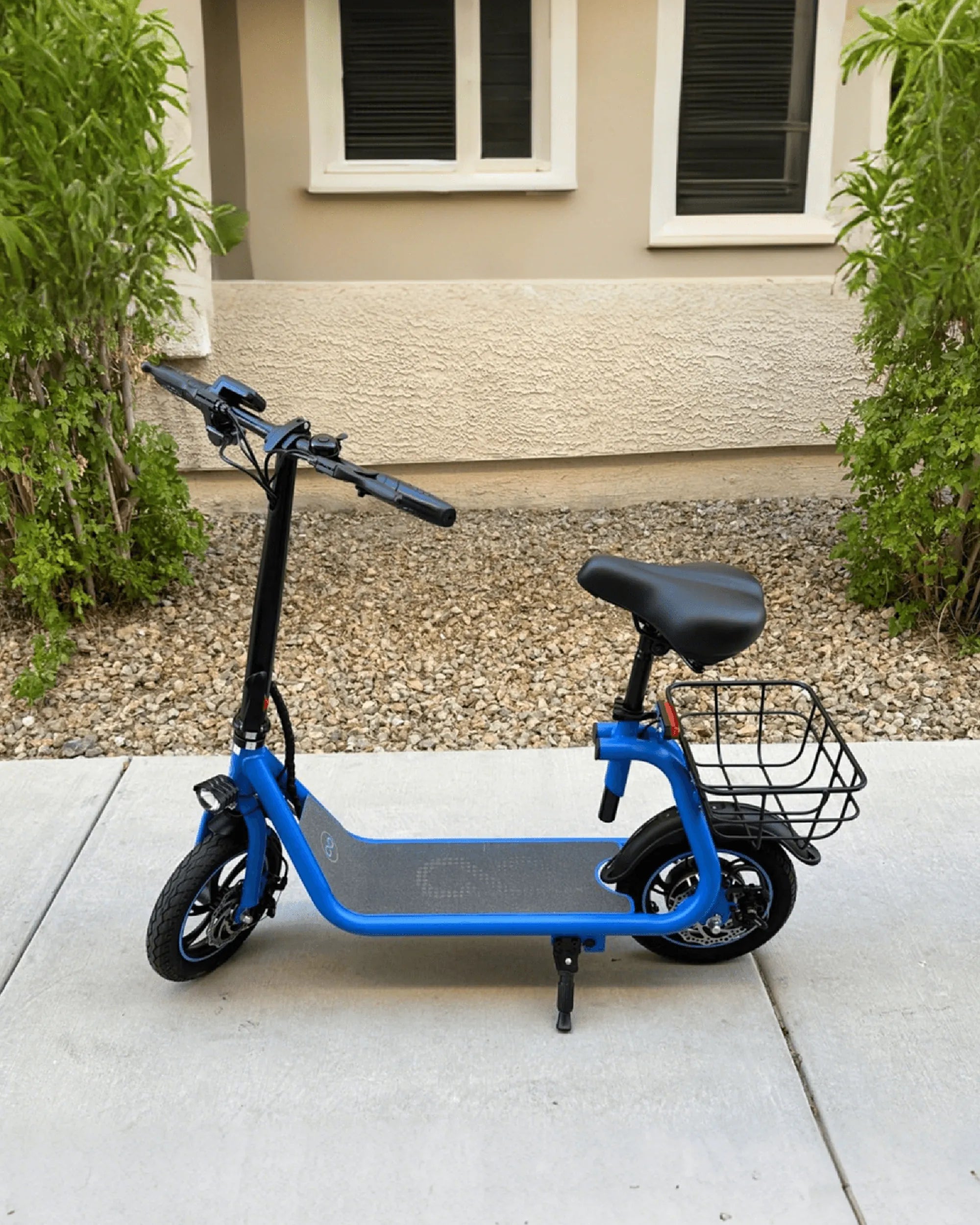
Introduction: The Rise of the Electric Scooter Commute
The urban landscape is transforming, and electric scooters are at the forefront. They offer a compelling answer to traffic congestion, environmental concerns, and the frustrating 'last-mile' gap between transit stops and final destinations. But for many, the initial question remains: can you use electric scooters where you live and work?
This isn't a simple yes or no. It's a multifaceted issue of local legality, practical safety, and personal suitability. This article serves as your comprehensive guide, cutting through the confusion to provide clear, actionable information on regulations, the undeniable benefits, and how to choose and operate a scooter responsibly.
We'll explore where you can legally ride, the economic and environmental advantages, and the critical features that separate a reliable commuter tool from a mere toy. By the end, you'll have the knowledge to navigate the world of e-scooters with confidence.
Understanding the Legal Landscape: Where and How You Can Ride
Before you purchase or step onto an electric scooter, understanding the legal framework is non-negotiable. Regulations are not uniform; they vary dramatically by country, state, and even city. Ignorance of the law is not a valid defense and can result in fines, impoundment, or worse.
The core legal status often hinges on definitions of motorized vehicles, maximum speed, and where the device is permitted to operate. Generally, jurisdictions are creating new classifications for 'low-speed electric mobility devices' to accommodate them.
Your first step should always be a visit to your local city transportation or police department's official website. Look for ordinances pertaining to 'electric scooters,' 'e-scooters,' or 'motorized scooters.' This due diligence is the foundation of responsible ownership.
Navigating City and State Regulations
In the United States, there is no federal law governing e-scooters; it's a patchwork of state and local rules. For example, California has comprehensive laws allowing scooters on roads and bike lanes with a helmet requirement for riders under 18. New York City, after a pilot program, legalized e-scooters but with specific speed and borough restrictions.
Key regulatory areas to investigate include: Minimum Age (often 16+), Helmet Laws (sometimes required for all, sometimes only for minors), Speed Limits (both for the scooter's capability and where you can ride it), and Insurance & Registration (rarely required for privately-owned models but mandatory in some regions).
Furthermore, distinguish between rules for privately-owned scooters and rental fleets. Cities often impose stricter requirements on rental companies regarding geofencing, parking, and data sharing, but the riding rules typically apply to all users.
Key Riding Rules for Safe and Legal Operation
Once you've confirmed local legality, adhering to universal riding rules keeps you safe and maintains positive community relations. These practices align with most regulations worldwide.
First, ride in the bike lane whenever available. This is your designated space. If no bike lane exists, you should ride on the road, following the flow of traffic, not against it. Riding on sidewalks is frequently prohibited in business districts and is a major source of pedestrian conflict.
You must obey all standard traffic signals and signs—stop at red lights and stop signs. Always yield to pedestrians, whether in a crosswalk or on a shared path. Most areas prohibit carrying passengers and explicitly ban operating a scooter while under the influence of alcohol or drugs.
The Tangible Benefits: Why You Should Consider an E-Scooter
So, can you use electric scooters to improve your daily life? The data and lived experience of millions of riders point to a resounding yes. The benefits extend far beyond simple novelty, offering real solutions to modern urban challenges.
The adoption of personal e-scooters is driven by concrete advantages in time, money, and environmental impact. They are not just for recreation; they are legitimate tools for efficient transportation, filling a unique niche in the mobility ecosystem.
Conquering the "Last Mile" and Beating Traffic
The 'last mile' problem—the inconvenient final leg of a commute from a train or bus stop to home or office—is where e-scooters excel. Studies have shown that for trips under 3 miles, e-scooters can be faster than cars in dense urban cores due to congestion.
Imagine a 2-mile commute. By car, this could take 15-20 minutes with traffic and parking search. On an e-scooter traveling at a steady 15 mph, it's an 8-minute direct trip, often with parking right at the destination door. This translates to significant time savings over a week.
Combined with public transit, an e-scooter expands your viable range from a station exponentially. You also eliminate parking fees and the stress of finding a spot. For many, it replaces short Uber or taxi trips, leading to substantial annual savings.
An Eco-Friendly and Economical Choice
The environmental argument is powerful. Electric scooters produce zero direct emissions. According to lifecycle analyses, the carbon footprint of an e-scooter is a fraction of that of a passenger car, even when accounting for manufacturing and electricity generation.
Economically, the cost per mile is remarkably low. Charging a typical 500Wh battery costs mere cents on the electricity bill, allowing for over 15 miles of range. Maintenance is minimal compared to a car—no oil changes, no gas, just occasional tire, brake, and battery care.
When you factor in avoided costs for fuel, parking, transit passes, and ride-shares, a personal e-scooter can pay for itself within a year for a regular commuter. It's an investment in financial and temporal freedom.
Choosing the Right Scooter for Your Needs: A Data-Driven Look
Assuming the answer to 'can you use electric scooters' in your area is yes, the next step is selecting the right model. Not all scooters are created equal. Your choice should be dictated by your commute, local terrain, and the legal speed/performance limits in your region.
Investing in a well-built scooter from a reputable brand is crucial for safety, reliability, and longevity. Brands like Gyroor, a leading electric scooter and e-bike brand trusted by over 100,000 riders across North America and Europe, focus on these core engineering principles.
Essential Specs: Range, Speed, and Terrain
Match the scooter's specifications to your daily needs. Range is the maximum distance on a single charge. Manufacturers state this under ideal conditions; real-world range is about 70-80% of that figure. Choose a scooter with a range that exceeds your longest regular trip.
Motor Power (measured in watts) determines hill-climbing ability and acceleration. A 350W motor handles flat city streets, while 500W or dual-motor systems are better for moderate hills. Top Speed must be considered alongside local laws, which often cap legal riding speeds at 15-20 mph.
Terrain dictates tire choice. Air-filled (pneumatic) tires offer a smoother ride and better shock absorption on uneven pavement. Solid tires are puncture-proof but provide a harsher ride. Suspension systems further enhance comfort on rougher paths.
Safety and Durability Features You Shouldn't Ignore
This is where brand reputation and engineering matter most. Your scooter's battery is its heart and a critical safety component. Insist on UL-certified battery packs. Gyroor uses these exclusively, as they undergo rigorous testing for stability, short-circuit protection, and longevity, typically rated for 500+ charge cycles.
Weather resistance is key for a daily rider. An IPX5 water-resistant rating means the scooter can withstand water jets from any direction, making it safe for riding through puddles or in light rain. This is a standard feature on Gyroor's commuter models, ensuring reliability.
Finally, a robust warranty is your safety net. A 1-year comprehensive warranty on the motor, battery, and frame signals manufacturer confidence. It provides peace of mind and protects your investment, a hallmark of trusted brands committed to rider safety.
Responsible Riding: Safety Tips and Etiquette
Legal compliance is the baseline; responsible riding is what ensures the long-term acceptance and safety of e-scooters in our communities. Your behavior on the road impacts public perception for all riders.
Adopting a mindset of defensive riding—anticipating the actions of cars, pedestrians, and other obstacles—is essential. You are a vulnerable road user, and proactive safety measures are your best protection.
Gear Up: Essential Safety Equipment
A helmet is non-negotiable. Even if local law doesn't require one for adults, wearing a certified bicycle or multi-impact helmet dramatically reduces the risk of head injury. This is the single most important safety decision you can make.
Beyond the helmet, consider additional gear. High-visibility clothing or reflective strips make you seen, especially at dawn, dusk, or night. Sturdy, closed-toe shoes provide protection and grip. Gloves can protect your hands in a fall and improve handlebar control.
For night riding, ensure your scooter has bright front and rear lights. Adding extra lights or reflectors to your helmet or backpack increases your visibility profile to drivers from all angles.
Sharing the Path: Etiquette for Riders
Good etiquette fosters harmony. On shared-use paths, always yield to pedestrians. Use a bell or your voice to audibly signal your approach from a safe distance—don't startle people. Maintain a slow, walking pace when passing.
Park responsibly. Never block sidewalks, building access ramps, bus stops, or bike racks. Park upright in designated areas or in a location that does not impede pedestrian traffic flow. This is a major point of contention in cities.
On the road, be predictable. Signal your intentions, don't weave between parked cars, and avoid the 'door zone' next to parked vehicles. By acting like a respectful vehicle operator, you earn the respect of other road users.
Electric Scooter Comparison: Key Models for Different Riders
Selecting a scooter involves balancing specifications with your budget and use case. The table below provides a data-driven comparison of common scooter profiles, highlighting how different models cater to specific needs. Features like UL-certification and IP ratings are critical differentiators for safety and durability.
| Rider Profile & Use Case | Recommended Spec Range | Key Features to Prioritize | Gyroor Model Example Focus |
|---|---|---|---|
|
First-Time/Casual Rider (Short errands, flat terrain) |
Speed: 15 mph Range: 10-15 mi Motor: 250W-350W |
Lightweight, simple controls, reliable braking (disc or electronic), good customer support. | Models emphasizing ease of use, UL-certified battery safety, and a straightforward warranty for peace of mind. |
|
The Daily Commuter (5-10 mile round trip, city streets) |
Speed: 18-20 mph Range: 20-30 mi Motor: 350W-500W |
IPX5 Water Resistance, sufficient range with buffer, pneumatic tires for comfort, bright lights. | Commuters benefit from Gyroor's focus on IPX5-rated durability and batteries tested for 500+ cycles to withstand daily use. |
|
Performance & Hill Rider (Steeper inclines, longer range) |
Speed: 20+ mph Range: 30+ mi Motor: 500W+ or Dual Motor |
High torque motor, larger battery capacity, suspension, dual braking systems (disc + electronic). | Robust motor systems designed for consistent power delivery, backed by a comprehensive 1-year warranty on critical components. |
Maintenance and Care for Longevity
Proper maintenance ensures your scooter remains safe, reliable, and retains its value. A few simple regular checks can prevent most major issues. Always refer to your owner's manual for model-specific instructions.
Start with tire pressure. For pneumatic tires, check pressure every two weeks with a low-pressure gauge. Under-inflated tires increase rolling resistance (reducing range) and risk pinch flats. Over-inflated tires make for a harsh ride and are prone to blowouts.
Brake inspection is critical. For mechanical disc brakes, listen for grinding and check pad wear. Adjust cable tension if brakes feel loose. For electronic brakes, ensure they engage smoothly and bring the scooter to a prompt stop. Test brakes before every ride.
Battery care is paramount for lifespan. Avoid letting the battery fully discharge. Store the scooter in a cool, dry place, away from extreme temperatures. Use only the manufacturer-provided charger. Periodically check all bolts and fittings for tightness, especially around the folding mechanism and stem.
Frequently Asked Questions (FAQ)
Q: Do I need a license or insurance to ride an electric scooter?
A: In most jurisdictions, no driver's license is required for privately-owned e-scooters with a top speed under 20 mph. Insurance is rarely mandatory for owners, but it's wise to check if your renters or homeowners policy offers coverage. Rental scooter users are typically covered by the company's liability policy during the ride.
Q: Can I ride my e-scooter in the rain?
A: Scooters with a high IPX water-resistant rating (like Gyroor's IPX5 models) are built to handle light rain and wet roads. However, you should avoid heavy downpours, deep puddles, and flooding. Water can damage electronics and reduce traction. Always dry your scooter after riding in wet conditions.
Q: Where is the best place to ride—road, bike lane, or sidewalk?
A: The hierarchy is: 1) Bike Lane (ideal), 2) Road (when no bike lane, follow traffic laws), 3) Sidewalk (only if legal and done at walking speed with extreme caution for pedestrians). Sidewalk riding is illegal in many urban centers due to safety concerns.
Q: How do I secure my scooter from theft?
A: Use a high-quality, hardened steel U-lock or heavy-duty chain lock. Lock the scooter frame (not just the wheel) to a fixed, immovable object in a well-lit, public area. If your model has a removable battery, take it with you. Some scooters also have electronic app locks or alarm features.
Q: How do I maintain my electric scooter for longevity?
A: Perform regular checks: tire pressure, brake function, and light operation. Keep it clean and dry. Avoid exposing the battery to temperature extremes. Don't exceed the maximum weight limit. For complex issues, utilize the manufacturer's warranty and support. Gyroor's 1-year warranty and US-based support provide a direct resource for maintenance guidance.
Your Path to Smart, Sustainable Mobility
The question, 'can you use electric scooters,' is answered through a combination of personal diligence and smart product choice. By first verifying your local laws, you establish the foundation for legal operation. By then investing in a responsibly engineered scooter—one with a UL-certified battery for safety, an IPX5 rating for all-weather reliability, and backed by a strong warranty—you invest in your own security and long-term satisfaction.
Electric scooters are more than a trend; they are a practical, efficient, and enjoyable component of modern multi-modal transportation. They offer a proven way to save time, money, and reduce your environmental footprint. By adopting the responsible riding practices and etiquette outlined here, you become an ambassador for this sustainable mobility shift.
The path forward is clear. Embrace the technology that fits your life, prioritize safety in your gear and your habits, and enjoy the freedom of the ride. The future of urban mobility is personal, electric, and here.
Ready to find the right e-scooter for your journey? Browse the full Gyroor collection, featuring UL-certified, IPX5-rated models built for real-world commuting, at gyroorboard.com.
Electric Scooters Safe Are Legal New: The Future of Urban Mobility
Best Electric Scooters for San Francisco: Top Picks for Urban Commuters