


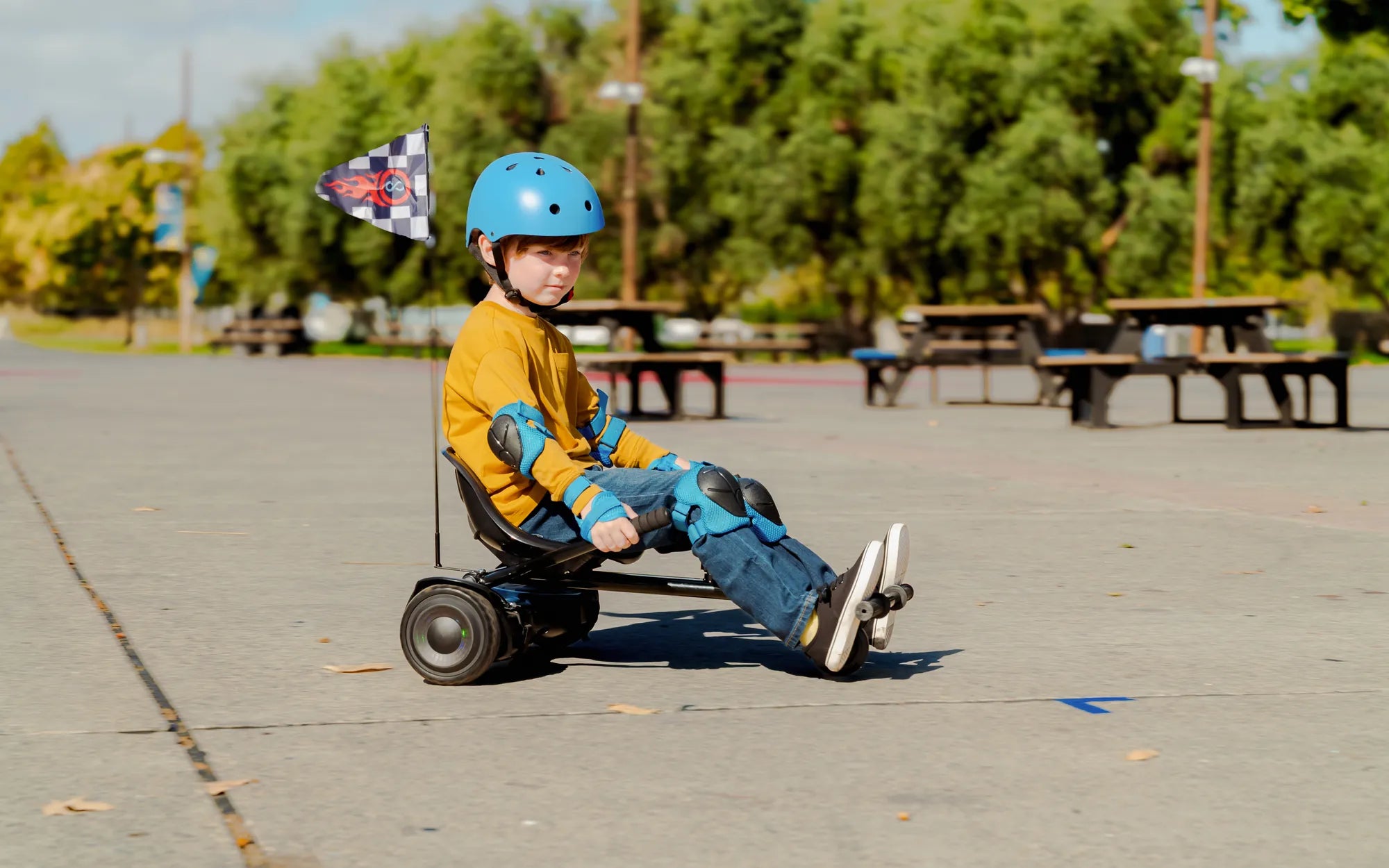
Hoverboards have taken the world by storm, offering a fun and futuristic way to get around. But one question lingers in the minds of many enthusiasts: can you use hoverboards outside? The answer isn't as straightforward as you might think. While hoverboards are designed for mobility, several factors determine whether they're safe and practical for outdoor use. Let's dive into the details to help you make an informed decision.
Understanding Hoverboard Terrain Compatibility
Not all hoverboards are created equal when it comes to outdoor performance. The key factors that determine a hoverboard's suitability for outdoor use include:
- Wheel size and type
- Motor power
- Battery capacity
- Build quality and durability
Standard hoverboards typically feature 6.5-inch wheels, which are suitable for smooth indoor surfaces but may struggle on rough outdoor terrain. For outdoor use, look for models with larger wheels (8.5 inches or more) and all-terrain tires that can handle bumps, cracks, and uneven surfaces more effectively.
Weather Conditions and Outdoor Hoverboarding
Weather plays a crucial role in determining whether you can safely use your hoverboard outside. Consider these environmental factors:
| Weather Condition | Safety Considerations |
|---|---|
| Rain | Most hoverboards aren't waterproof and can be damaged by water exposure |
| Snow | Specialized models may handle light snow, but most aren't designed for winter conditions |
| Extreme Heat | High temperatures can affect battery performance and lifespan |
Legal Considerations for Outdoor Hoverboard Use
Before taking your hoverboard outside, it's essential to understand local regulations. Many cities and states have specific laws regarding hoverboard use on:
- Public sidewalks
- Bike lanes
- Roadways
- Parks and recreational areas
Some jurisdictions classify hoverboards similarly to electric scooters, while others may have outright bans in certain areas. Always check your local ordinances to avoid fines or confiscation of your device.
Safety Gear for Outdoor Hoverboarding
When riding your hoverboard outside, proper safety equipment is non-negotiable. Essential protective gear includes:
- Helmet (preferably certified for skateboarding or cycling)
- Wrist guards
- Elbow and knee pads
- Reflective clothing or accessories for visibility
Remember that outdoor environments present more variables than indoor spaces, making protective gear even more critical for safe riding.
Maintenance Tips for Outdoor Hoverboards
Regular maintenance becomes even more important when using your hoverboard outside. Follow these tips to keep your device in top condition:
- Clean the wheels and undercarriage after each outdoor use
- Check tire pressure regularly (for air-filled models)
- Inspect for damage after riding on rough terrain
- Store in a dry place when not in use
By properly maintaining your hoverboard, you'll extend its lifespan and ensure safer outdoor operation.
Best Practices for Outdoor Hoverboard Riding
To maximize both safety and enjoyment when using your hoverboard outside, follow these guidelines:
- Start in a flat, open area to practice before tackling more challenging terrain
- Be aware of your surroundings and watch for obstacles
- Adjust your speed according to the terrain and conditions
- Use hand signals when riding near others to indicate turns or stops
- Avoid crowded areas until you're completely comfortable with your hoverboard
With these practices in mind, you'll be better prepared to handle the unique challenges of outdoor hoverboarding.
Hoverboards can absolutely be used outside, but success depends on choosing the right model, understanding the limitations, and following safety protocols. Whether you're cruising the neighborhood or exploring park pathways, outdoor hoverboarding opens up a world of possibilities for fun and transportation. Just remember to ride responsibly, respect local laws, and always prioritize safety - your future self will thank you for it!
Hoverboard Orange and Blue: The Ultimate Guide to Stylish and Safe Riding
8 Inch Hoverboards: The Ultimate Guide to Compact and Portable Riding