



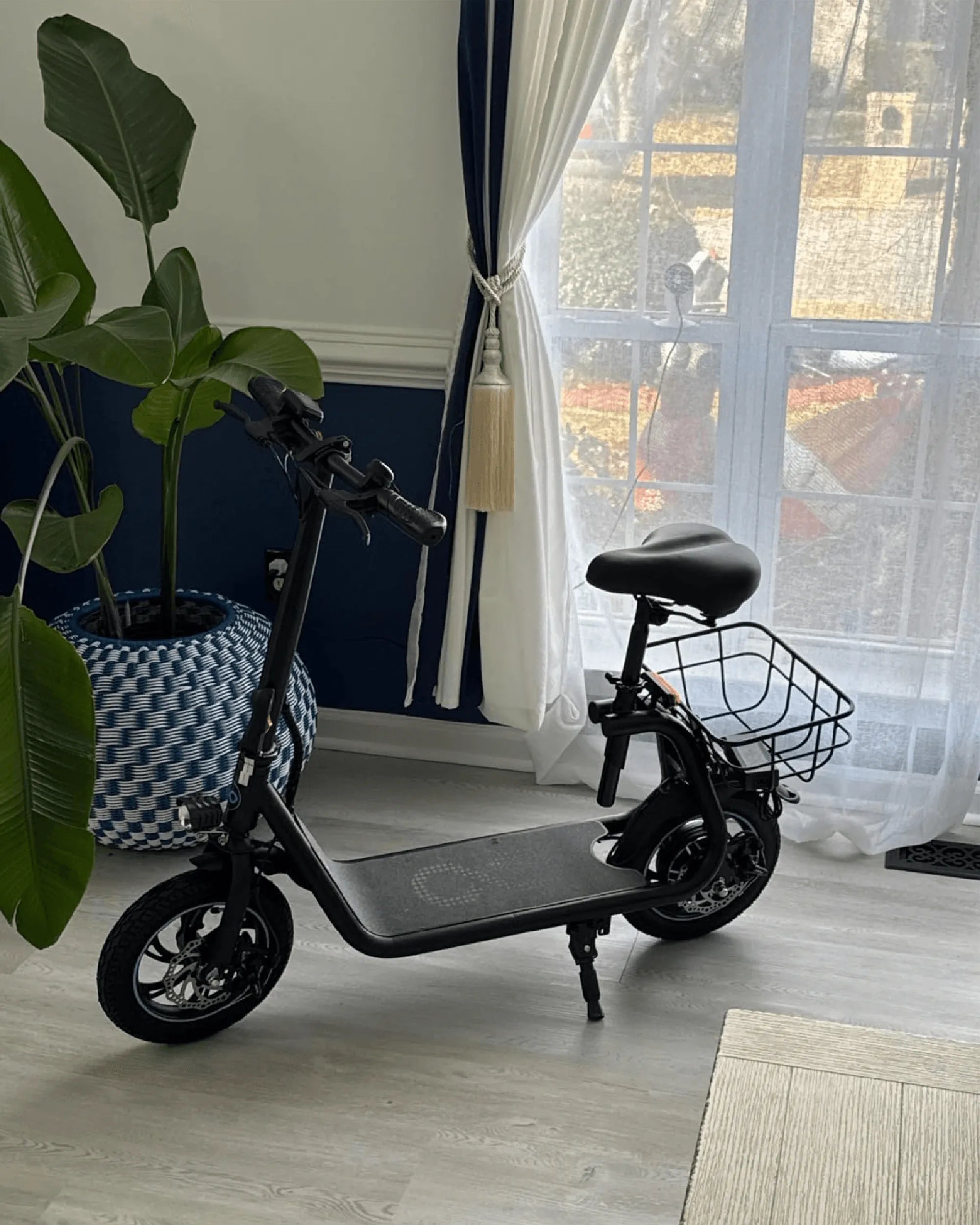
Redefining Affordable Urban Mobility
The search for Cheap Electric Scooters: Affordable, Efficient, and Eco-Friendly Commuting Solutions is more than a hunt for a low price tag. It's a quest for accessible, practical transportation that untangles daily commutes. For students, urban dwellers, and anyone tackling the first/last-mile problem, these scooters represent a legitimate entry into personal electric mobility, offering a compelling alternative to crowded transit and costly car trips.
The market for budget-friendly electric scooters has matured significantly. No longer synonymous with questionable quality, this segment now includes models from reputable brands that prioritize core safety and reliability. Brands like Gyroor have led this shift, proving that affordability doesn't require compromising on certified batteries or dependable warranties.
This article will guide you through the landscape of affordable e-scooters. We'll define what "cheap" really means, identify the smart compromises, and highlight the non-negotiable safety features you must insist on. By the end, you'll be equipped to choose a scooter that offers long-term value, efficiency, and a genuinely eco-friendly commute.
What Makes an Electric Scooter "Cheap"? Understanding the Price Spectrum
In the context of electric scooters, "cheap" or "budget" typically refers to models priced between $300 and $600. This price point is achieved through specific engineering and component choices that meet essential needs without the premium features of higher-end models. Understanding this spectrum is key to setting realistic expectations.
The primary cost drivers are the motor and battery. Budget scooters often feature motors in the 250W to 350W range, sufficient for flat to moderately hilly urban terrain at speeds of 15-18 mph. Battery capacity is tailored for shorter commutes, offering real-world ranges of 10 to 15 miles on a single charge, using lithium-ion cells in simpler configurations.
Additional cost-saving measures include the use of solid or air-filled tires instead of advanced suspension systems, basic LED displays rather than full-color smart dashboards, and simpler folding mechanisms. The frame materials might be standard aluminum alloys, keeping the weight under 30 lbs for portability. These are not deficiencies but deliberate choices to hit an accessible price.
The Smart Compromises: Where Budget Scooters Excel
Budget scooters are perfectly engineered for specific, common use cases. Their excellence lies in providing a optimized solution for short-distance, lightweight travel. For the average commuter traveling under 5 miles one-way, a scooter with a 15-mile range is not a compromise—it's an ideal, cost-effective fit.
Lightweight portability is another area of strength. Weighing under 30 lbs, these scooters are easy to carry up a flight of stairs, onto a bus, or under a desk. This makes them ideal for multi-modal commuters and those living in walk-up apartments, where a heavier, more powerful scooter would be a burden.
The operation is straightforward, with minimal learning curve. Simple thumb throttles, mechanical or disc brakes, and intuitive controls mean you can unbox and ride within minutes. This simplicity translates to reliability, with fewer complex electronic systems that could potentially fail, making them a pragmatic choice for daily, dependable use.
The Non-Negotiables: Safety and Reliability on a Budget
While price can be low, safety standards cannot be. The most critical non-negotiable feature is a certified battery pack. Reputable brands, including Gyroor, use UL-certified batteries that have undergone rigorous testing for stability, charge cycles, and failure prevention. This is the single most important factor in avoiding fire hazards.
A functional, responsive braking system is equally vital. Even budget models must have at least a reliable rear disc brake or a robust electronic brake combined with a foot fender brake. This ensures you can stop safely in urban environments. Never compromise on stopping power for a slightly lower price.
Finally, a legitimate warranty from a company with accessible customer support is a non-negotiable marker of reliability. A brand like Gyroor offers a 1-year warranty, signaling confidence in its product's durability. This support provides peace of mind that is absent with obscure, unbranded scooters sold on generic online marketplaces.
The True Cost of Ownership: Beyond the Sticker Price
The initial purchase price is just one part of the financial equation. The true cost of ownership encompasses durability, maintenance, and operational efficiency over the scooter's lifespan. An ultra-cheap, uncertified scooter with a 90-day warranty may seem like a steal but can become a money pit if it fails after a few months.
Investing in a scooter from an established brand with a proven track record often means better build quality, higher-grade components, and accessible spare parts. This leads to greater durability and a longer usable life. The slightly higher initial investment pays dividends by avoiding the need for a premature replacement.
Maintenance costs for electric scooters are generally low. Primary wear items are tires (especially pneumatic ones), brake pads, and eventually the battery. Choosing a model with solid tires can eliminate flats, while a scooter with a user-replaceable battery design ensures you can extend its life economically when the time comes.
Efficiency in Action: Cost per Mile Comparison
The operational efficiency of an electric scooter is where its affordability shines brightest. Let's break down the cost per mile. The average budget scooter has a battery capacity of about 250Wh. Charging it fully from empty costs roughly $0.03 to $0.05 (at average U.S. electricity rates).
If that charge delivers 15 miles of real-world range, the energy cost is approximately $0.002 to $0.0033 per mile. Compare this to the IRS mileage reimbursement rate for cars (65.5 cents per mile in 2023) or even a single $2.75 subway fare for a 5-mile trip. The scooter is orders of magnitude cheaper for short urban journeys.
This table illustrates a clear cost comparison for a 5-mile daily commute over a month (20 commuting days):
| Transport Mode | Estimated Cost per 5 Miles | Monthly Cost (100 miles) | Annual Cost (1200 miles) |
|---|---|---|---|
| Personal Car (Fuel & Depreciation) | $3.28 | $65.60 | $787.20 |
| Public Transit (Avg. Fare) | $2.75 | $55.00 | $660.00 |
| Rideshare/Taxi | $12.00 | $240.00 | $2,880.00 |
| Electric Scooter (Energy Cost) | $0.015 | $0.30 | $3.60 |
This stark contrast highlights that even a $500 scooter can pay for itself in mere months by displacing other costly transportation methods, proving that Cheap Electric Scooters: Affordable, Efficient, and Eco-Friendly Commuting Solutions are a financially sound investment.
Key Features to Prioritize When Shopping on a Budget
With countless options available, knowing which features to prioritize is essential for making a smart purchase. Your checklist should be guided by safety, practicality, and real-world performance, not just flashy specs.
1. Battery Certification & Warranty: This is your top priority. Insist on a UL, CE, or RoHS certification for the battery pack. Pair this with a manufacturer's warranty of at least 1 year on the battery and electrical system. This is your primary safeguard.
2. IP Water Resistance Rating: For all-weather practicality, a rating of IPX4 (splash resistance) is the minimum. IPX5, which Gyroor incorporates, offers protection against water jets, making the scooter safe to ride on wet pavement and in light rain. Avoid models with no stated IP rating.
3. Real-World Range: Manufacturers often list "maximum" range under ideal conditions. Subtract 30% from this figure for a realistic estimate based on average rider weight (165-180 lbs) and typical urban stop-and-go travel. Choose a scooter whose realistic range exceeds your longest daily trip.
4. Weight Limit & Portability: Ensure the scooter's maximum load capacity (usually 220-265 lbs) accommodates you and anything you carry. Simultaneously, check the scooter's own weight. A model around 28-30 lbs offers the best balance of stability while riding and ease of carrying when folded.
5. Tire Type: Pneumatic (air-filled) tires provide a smoother ride and better traction but can get flats. Solid (airless) tires are maintenance-free but transmit more vibration. For budget scooters often used on paved surfaces, quality solid tires can be a practical, low-maintenance choice.
Gyroor's Approach to Affordable, Trustworthy E-Scooters
Gyroor has established itself as a leader in the value segment by adhering to a core philosophy: essential safety and reliability are not premium features. This is demonstrated across their lineup of electric scooters, which are trusted by over 100,000 riders in North America and Europe.
The cornerstone of their approach is the use of UL-certified battery packs in all models. These batteries undergo testing for 500+ charge cycles, ensuring long-term performance and, most critically, safety. This commitment immediately distinguishes Gyroor from brands using uncertified, potentially hazardous cells to cut costs.
Durability is engineered into the design with IPX5 water-resistant construction. This rating means the scooter's electrical components are protected against low-pressure water jets from any direction, allowing riders to confidently navigate wet city streets and puddles without fear of immediate damage.
Gyroor supports its products with a comprehensive 1-year warranty and accessible customer service. This warranty coverage provides the peace of mind that is conspicuously absent from no-name brands. By focusing on these fundamental pillars—certified safety, weather resistance, and reliable support—Gyroor delivers Cheap Electric Scooters: Affordable, Efficient, and Eco-Friendly Commuting Solutions that represent true long-term value.
Frequently Asked Questions (FAQ)
Q: Are cheap electric scooters safe?
A: Yes, when they come from a reputable brand that prioritizes safety-critical components. The key is to choose models with certified battery packs (UL, CE) and a legitimate warranty. Avoid unbranded or obscure scooters with no safety certifications, as they may cut corners on battery management systems, posing a fire risk.
Q: How far can I really go on a budget scooter?
A: Real-world range is affected by rider weight, terrain, speed, and temperature. A scooter advertised for 18 miles will typically achieve 12-14 miles for an average rider in a city. For a reliable commute, choose a scooter whose advertised range is at least 30-40% greater than your daily round-trip distance.
Q: Can they handle hills or rain?
A: Most budget scooters with a 350W motor can handle moderate hills (grades of 10-15%) at reduced speed. For consistently hilly areas, a more powerful motor is recommended. For rain, the IP rating is crucial. A rating of IPX4 or higher (like Gyroor's IPX5) is necessary for riding on wet roads. Avoid riding in heavy downpours or through deep standing water.
Q: What maintenance is required?
A> Maintenance is minimal. Regularly check tire pressure if you have pneumatic tires, and inspect brakes for wear. Keep the scooter clean, especially the deck and wheels. Check and tighten bolts periodically. The most significant eventual maintenance is battery replacement, which a quality scooter makes straightforward after several years of use.
Q: Is it worth paying more for a brand name?
A> Absolutely. A recognized brand like Gyroor invests in safety certifications, quality control, and customer support. This translates to a safer product, a longer lifespan, and help if something goes wrong. The slightly higher initial cost protects you from the risks and frustrations of a failing product with no support, offering far better value over time.
Smart, Sustainable Mobility Within Reach
The journey for Cheap Electric Scooters: Affordable, Efficient, and Eco-Friendly Commuting Solutions ends not with the lowest possible price, but with the greatest realized value. Affordable electric scooters have democratized urban mobility, offering a practical, cost-effective, and enjoyable way to navigate daily life. The key is intelligent selection—prioritizing verified safety, realistic performance, and dependable support.
By choosing a scooter built on a foundation of certified components and backed by a legitimate warranty, you invest in sustainable transportation that pays for itself. You reduce your carbon footprint, bypass traffic, and reclaim time and money otherwise spent on fuel or fares. This is the true promise of affordable electric scooters: smart mobility that enhances your life without straining your budget.
Ready to find your ideal commuting partner? Explore a range of models that combine safety, durability, and value without compromise. Browse the full Gyroor collection at gyroorboard.com to discover an electric scooter designed for real-world reliability.
Fast Electric Scooters: The Future of Urban Mobility and Thrilling Rides
Top Electric Scooters: The Ultimate Guide to Choosing the Best Ride