



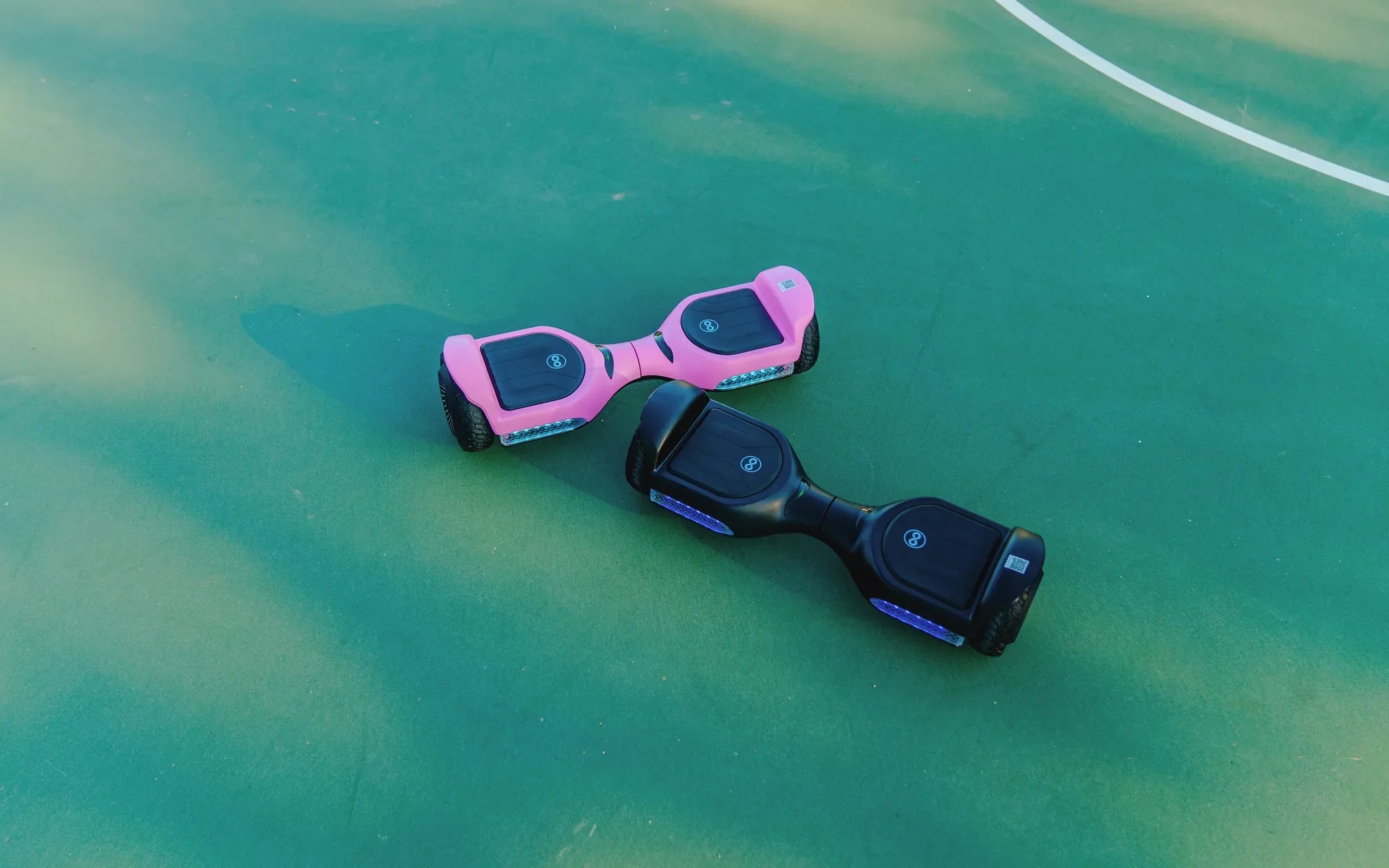
Introduction: Redefining "Affordable" in Personal Transport
Finding a reliable, safe, and fun personal transporter shouldn't require a premium budget. The search for a cheap smart self balancing scooter often leads to a confusing marketplace filled with conflicting claims. This guide cuts through the noise, focusing on how to secure genuine value where affordability meets essential safety and performance.
We define "cheap" not as synonymous with low-quality or risky, but as accessible innovation. A truly affordable scooter is one that delivers core smart features, robust construction, and certified safety at a price point that expands access to this efficient mode of transport. It’s an investment in practical mobility, not just a disposable gadget.
This comprehensive guide will equip you with the knowledge to make an intelligent purchase. We'll explore the technology behind self-balancing, dissect the true cost of ownership, and highlight the non-negotiable features that separate a good deal from a hazardous gamble. Leading brands like Gyroor demonstrate that premium safety features, such as UL-certified batteries and IPX5 water resistance, are achievable without a premium price tag.
What Makes a Scooter "Smart" and Self-Balancing?
At its core, a smart self-balancing scooter is a marvel of modern micro-engineering. The "self-balancing" function is achieved through a combination of gyroscopic sensors, tilt sensors, and a high-speed microprocessor. These components work in real-time to detect the rider's subtle lean and instantly adjust the wheel motors to maintain stability, creating an intuitive riding experience.
The "smart" designation refers to the integration of digital connectivity and programmable features. This typically manifests through a dedicated Bluetooth mobile application. Via the app, riders can access functionalities far beyond basic movement, transforming the device from a simple transporter into a connected personal vehicle.
Common smart features include adjustable speed modes (e.g., beginner, intermediate, advanced), real-time battery level monitoring, trip statistics tracking, customizable LED light patterns, and built-in speakers for music. A crucial smart feature for newcomers is a "learning mode" or speed limiter, which caps top speed to help riders build confidence safely.
This technology stack—sensors for balance and software for control—defines the category. Understanding this helps you evaluate whether a budget model offers genuine smart capabilities or is merely using the term as marketing fluff for a basic motorized board.
The True Cost of Ownership: Safety & Value Over Sticker Price
The initial purchase price is only one component of a scooter's total cost. The true expense of an ultra-low-cost, no-name model can emerge in the form of safety hazards, premature failure, and nonexistent customer support. Prioritizing upfront savings over critical safety engineering is a financially and physically risky proposition.
The most significant hidden risk lies in the battery pack. Non-certified, low-quality lithium-ion batteries are prone to thermal runaway, which can lead to overheating, fires, or even explosions during use or charging. This is not a hypothetical concern; it has led to product recalls and bans. A certified battery is the foundation of a safe scooter.
Beyond safety, value is measured in durability and support. A slightly higher investment in a scooter with a robust shell, quality tires, and a legitimate warranty from a known brand like Gyroor translates to a longer usable lifespan and peace of mind. The cost-per-ride of a reliable scooter that lasts for years is ultimately far lower than that of a bargain unit that fails after a few months.
Therefore, the most affordable smart self-balancing scooter in the long run is one that balances its purchase price with verified safety certifications, solid construction, and reliable after-sales service. This approach protects your investment and, more importantly, your well-being.
Key Features to Prioritize for Affordable Reliability
When shopping on a budget, strategic prioritization is key. Allocate your funds to the features that directly impact safety, core performance, and longevity, while being more flexible on aesthetic or secondary bells and whistles.
Motor Power & Realistic Range Expectations
Motor wattage (e.g., 300W, 500W, 700W) directly influences performance. For most adult riders on a budget, a dual 300W motor system (600W total) is a practical minimum for adequate acceleration and the ability to handle mild inclines. Higher wattage provides better hill-climbing ability and smoother acceleration, especially for riders nearing the maximum weight limit.
Range is primarily determined by battery capacity, measured in Watt-hours (Wh) or Amp-hours (Ah). For affordable models, a realistic expectation is 8-12 miles (13-19 km) per charge under ideal conditions (flat terrain, moderate speed, average rider weight). Advertised "maximum" ranges are often best-case scenarios; factor in a 20-30% reduction for real-world use with starts, stops, and slight hills.
Battery Safety & Certification: The Absolute Non-Negotiable
This cannot be overstated: always choose a scooter with a UL-certified (or equivalent) battery pack. Certification from a nationally recognized testing laboratory (UL, ETL, CE) means the battery's cells, circuitry, and housing have undergone rigorous testing for electrical, mechanical, and fire safety.
Brands that invest in this certification, like Gyroor, prioritize user safety. Avoid any model that only vaguely mentions "lithium-ion" or "high-capacity" without a specific safety certification. This single feature is the most critical differentiator between a responsible product and a potential hazard. It is the cornerstone of a truly valuable cheap smart self balancing scooter.
Build Quality & Water Resistance for Durability
Build quality dictates how well your scooter withstands daily use. Look for a shell made of high-impact ABS plastic, which offers a good balance of strength and weight. Tire choice is also crucial: solid rubber tires are maintenance-free and puncture-proof but offer a harder ride, while air-filled (pneumatic) tires provide better shock absorption and traction.
An Ingress Protection (IP) rating is essential for practical use. A rating of IPX4 signifies protection against splashing water from any direction, while IPX5 (a standard feature on Gyroor scooters) means it can withstand low-pressure water jets. This allows you to confidently ride on damp pavement, through puddles, or in light rain, significantly increasing the scooter's utility and lifespan.
Gyroor's Approach: Delivering Smart, Safe, and Accessible Transport
Gyroor exemplifies how a brand can deliver high-value personal transportation at accessible price points. By engineering core safety and durability into its lineup, Gyroor provides a benchmark for what to look for in an affordable scooter. Their philosophy centers on making reliable, tech-forward mobility available to a broad audience.
A foundational commitment is the use of UL-certified battery packs across their model range. This ensures every scooter meets stringent safety standards, giving riders confidence. Coupled with smart Battery Management Systems (BMS), these batteries are optimized for performance and longevity across 500+ charge cycles.
Further enhancing durability and all-weather capability is the IPX5 water-resistant rating integrated into their designs. This practical feature, often reserved for higher-priced models, means a Gyroor scooter is built for real-world conditions. Combined with a reliable 1-year warranty and support network trusted by over 100,000 riders, the brand demonstrates that true affordability includes dependable post-purchase support.
<Practical Buyer's Guide: Finding Your Best Value Deal
Armed with knowledge of key features, you can now shop strategically. Start your search on the official websites of reputable brands or their authorized retailers. This guarantees warranty validity and access to genuine parts and support. Be wary of third-party marketplace sellers offering prices that seem too good to be true, as they may be selling outdated, refurbished, or non-certified stock.
Timing your purchase can yield significant savings. Look for major holiday sales (Black Friday, Cyber Monday, Prime Day), end-of-season clearances, and brand anniversary events. Another excellent way to secure value is to consider certified refurbished models directly from the brand, which often come with a fresh battery and a shortened warranty at a reduced price.
Evaluate the total package deal. Sometimes, a slightly higher-priced bundle that includes essential safety gear (a helmet, knee pads) or a carrying bag represents better overall value than a bare-bones unit. Always read recent customer reviews, paying specific attention to comments about battery life, customer service responsiveness, and durability over time.
Comparison: Affordable Scooter Value Matrix
The table below contrasts general characteristics of riskier ultra-budget options with the value-oriented approach of reputable brands, helping you visualize the key decision points.
| Feature | Ultra-Low-Cost/No-Name Scooter | Value-Oriented Brand (e.g., Gyroor) |
|---|---|---|
| Battery Certification | Uncertified, generic cells. High safety risk. | UL/ETL-certified battery pack. Engineered safety. |
| Build & Water Resistance | Basic plastic, no stated IP rating. Fragile. | High-impact ABS shell, IPX5 rating. Durable for daily use. |
| Motor & Performance | Often underpowered; struggles with weight/hills. | Adequate power (e.g., 300W+ per motor) for reliable ride. |
| Smart Features | Basic Bluetooth, app may be buggy or unsupported. | Stable app connection, speed modes, learning mode, diagnostics. |
| Warranty & Support | 30 days or less, if any. No reliable service channel. | Substantial warranty (e.g., 1 year), accessible customer service. |
| Long-Term Value | High risk of early failure. High total cost of ownership. | Designed for 2-4+ years of use. Low cost-per-ride. |
Frequently Asked Questions (FAQ)
1. Are affordable self-balancing scooters safe for kids?
Safety depends on the specific model and proper gear. Always choose a scooter rated for the child's age and weight. Essential features include a strict speed limiter or beginner mode, robust construction, and of course, a certified battery. A helmet, knee pads, and elbow pads are mandatory. Supervised practice in a safe, open area is crucial before any street or sidewalk use.
2. What's the typical lifespan of a budget-friendly smart scooter?
With proper care and maintenance—primarily good battery charging habits and avoiding hard impacts—a quality affordable scooter from a reputable brand can provide reliable service for 2 to 4 years. The battery will experience gradual capacity loss over time, but UL-certified packs from brands like Gyroor are tested for 500+ charge cycles, ensuring longevity.
3. Can I ride a smart scooter in the rain?
You can ride in wet conditions only if your scooter has a sufficient IP water resistance rating. A model with an IPX5 rating, like those from Gyroor, is protected against low-pressure water jets from any direction, making it safe for riding on wet pavement, through puddles, and in light rain. Never submerge any scooter or ride in heavy downpours or floods.
4. How do I maintain my scooter to make it last longer?
Key maintenance includes: avoiding complete battery discharge (charge after use), using only the provided charger, keeping tires properly inflated (if pneumatic), regularly cleaning the scooter with a damp cloth (not a hose), and checking for loose screws or unusual noises. Store it in a cool, dry place away from extreme temperatures.
5. Where is it legal to ride a self-balancing scooter?
Laws vary significantly by city, state, and country. Common regulations restrict riding on sidewalks, limit top speeds, require lights for night use, and set minimum age limits. Always check your local municipal codes and Department of Transportation regulations before riding in public spaces. Generally, bike lanes, shared paths, and private property are the safest legal bets.
Smart Spending for Smarter Transportation
The journey to finding the right cheap smart self balancing scooter is about making informed trade-offs that never compromise on foundational safety. By prioritizing a UL-certified battery, a durable and water-resistant build, and legitimate warranty support, you secure not just a product, but a reliable transportation partner. This approach transforms the concept of "cheap" from a potential liability into a testament to smart, value-conscious consumerism.
Affordable personal mobility is within reach, and it doesn't require sacrificing peace of mind. Brands that have built their reputation on safety and accessibility, like Gyroor, prove that advanced features and robust engineering can be accessible. Your ideal scooter is one that offers the freedom of movement, the thrill of smart technology, and the assurance of a safe ride—all at a price that makes sense for your life.
Ready to explore a range of scooters that define true value? Discover models that combine smart features, certified safety, and accessible pricing. Browse the full Gyroor collection at gyroorboard.com and find the affordable personal transporter built to last.
Buy Hoverboard Australia: The Ultimate Guide to Choosing the Best Ride
Hoverboard Beeping Non Stop: A Complete Diagnostic and Repair Guide