



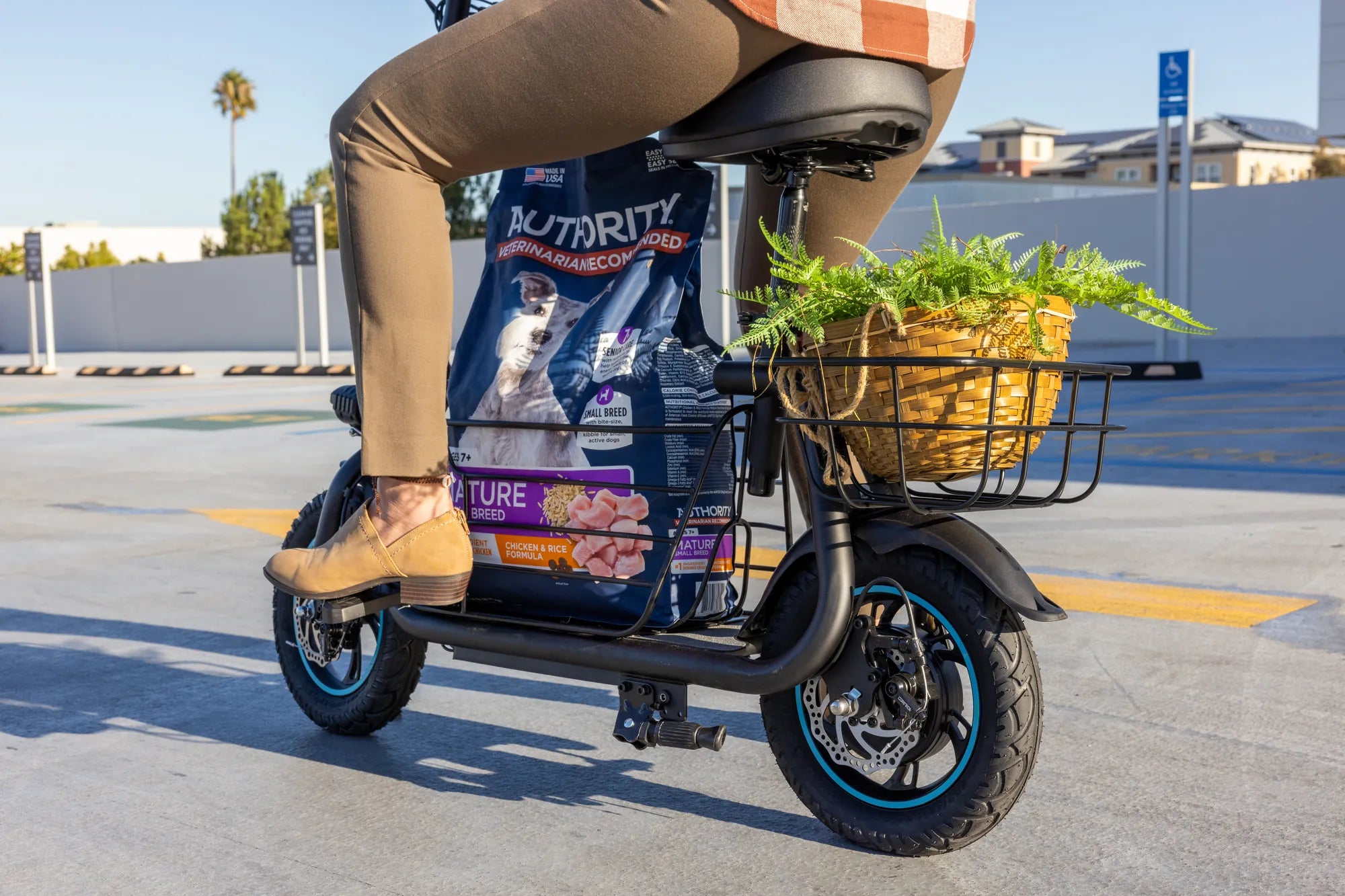
Choosing the right childrens electric scooter for sale is a decision that balances excitement with responsibility. As a parent, you want to provide a fun, empowering experience while ensuring every ride is built on a foundation of certified safety and durable engineering. This guide cuts through the marketing noise to deliver the factual, data-driven information you need. We'll analyze critical safety standards, decode technical specifications for different age groups, and explain how to identify true value from trusted brands like Gyroor, a leader with UL-certified batteries and IPX5 water-resistant designs trusted by over 100,000 families.
Navigating the World of Kids' Electric Scooters
The market for children's electric scooters is vast, with specifications and promises that can be overwhelming. Your primary goal is not just to find a vehicle, but to select a reliable product that matches your child's developmental stage and your family's lifestyle. This requires moving beyond aesthetics and top-speed claims to examine the engineering and safety protocols behind the scooter.
Modern electric scooters for kids are sophisticated personal mobility devices. They integrate electric motors, lithium-ion battery packs, electronic controllers, and mechanical braking systems. Each component must be purpose-built for a younger rider's weight, coordination, and typical use patterns. A scooter designed for a teenager will differ significantly from one suitable for an eight-year-old.
Trust is earned through transparency and third-party validation. Leading brands distinguish themselves through commitments like UL certification for battery fire safety, clear IP ratings for water and dust resistance, and comprehensive warranties. These are not just selling points; they are measurable indicators of a manufacturer's dedication to product integrity and customer safety.
This guide serves as your objective framework for evaluation. We will provide the context to understand wattage, voltage, and amp-hours. You will learn to prioritize features that prevent accidents and ensure the scooter withstands daily use. The aim is to transform you from a curious shopper into a confident decision-maker.
Key Safety Features Every Parent Must Prioritize
Safety is the non-negotiable cornerstone of any children's electric scooter purchase. The most exciting features are meaningless without a bedrock of protective engineering. Prioritizing these elements mitigates risk and provides essential peace of mind.
Certified Battery Safety: The lithium-ion battery is the scooter's heart and its most critical safety component. Insist on models with batteries certified by recognized testing laboratories like UL (Underwriters Laboratories). UL certification involves rigorous testing for overcharge protection, short-circuit prevention, and thermal stability. Gyroor, for example, uses UL-certified battery packs tested for over 500 charge cycles, significantly reducing fire risk.
Ingress Protection (IP) Rating: Children ride in real-world conditions, which include puddles, wet pavement, and dust. An IP rating defines a product's resistance to solids and liquids. An IPX5 rating, common in quality scooters, means the unit can withstand water jets from a nozzle, making it resistant to splashes from puddles or light rain. This protects the electrical components from moisture damage.
Reliable Braking Systems: Effective speed control is paramount. Look for a dual-braking system that combines a mechanical brake (such as a rear disc or foot brake) with an electronic brake. The electronic brake engages when the throttle is released, providing smooth deceleration. The mechanical brake offers direct, fail-safe stopping power. This redundancy is crucial for safe operation.
Stable Design Elements: Physical design contributes directly to stability. A wider deck gives a child a more secure footing. Larger, pneumatic (air-filled) tires offer better shock absorption and traction on uneven surfaces compared to small, solid tires. A low center of gravity, achieved through smart battery placement, makes the scooter less prone to tipping.
Speed Limiters and Beginner Modes: The ability to cap maximum speed is essential, especially for new riders. Parental controls, often via a remote or PIN code, should allow you to set a low speed limit (e.g., 5-7 mph) in a beginner mode. As skills improve, these limits can be increased incrementally, allowing the scooter to grow with the child.
Understanding Motor Power and Speed Control
Motor power, measured in watts (W), directly influences a scooter's performance, but more power is not always better for children. It must be appropriately matched to the rider's age, weight, and skill level to ensure controllable acceleration and safe top speeds.
For younger children (ages 6-9), a motor in the 100W to 150W range is typically sufficient. It provides enough torque to start on a slight incline and reach a safe, manageable top speed of around 10 mph when unrestricted. The focus should be on smooth, predictable acceleration rather than raw power. Beginner modes on these scooters often limit speed to 5-7 mph.
For pre-teens and teenagers (ages 10+), motors from 200W to 350W are common. This increased power supports higher weight capacities (up to 160 lbs or more), better hill-climbing ability, and top speeds of 12-16 mph. Even at this level, variable speed settings and electronic speed limiters controlled by parents are vital safety features. They prevent the scooter from becoming overpowered for the rider's experience.
The controller is the brain that manages power delivery from the battery to the motor. A quality controller ensures smooth throttle response, eliminating the jerky starts that can cause a loss of balance. It also governs the effectiveness of the electronic brake and speed limiter functions. When evaluating a scooter, consider the entire powertrain ecosystem—battery, motor, and controller—as an integrated safety system.
Choosing the Right Scooter by Age and Skill Level
Selecting an age-appropriate scooter is the single most important factor for safety and enjoyment. A scooter that is too powerful or physically large can be intimidating and dangerous, while one that is underpowered will be quickly outgrown. Use this practical breakdown as a starting point for your search.
Ages 6-8 (Beginner Riders): This group needs maximum stability and control. Look for scooters with a low deck height, 6-7 inch wheels, and a motor between 100W and 150W. Top speed should be limited to 10 mph, with a beginner mode capping it at 7 mph or lower. Weight capacity is typically 120-140 lbs. Features like a wide base, handlebars that adjust to shorter heights, and a simple thumb throttle are ideal. Parental remote controls for speed limiting and emergency braking are highly recommended for this age bracket.
Ages 9-12 (Intermediate Riders): Children in this range have better coordination and can handle more features. Scooters with 200W-250W motors, 8-inch pneumatic tires, and top speeds of 12-14 mph are suitable. Weight capacity often increases to 150-160 lbs. Disc braking systems become more important for controlled stopping at higher speeds. Adjustable handlebars remain crucial for growth. While remote controls may still be used, reliable speed limiters accessible via a PIN on the display are a common and effective feature.
Ages 13+ (Advanced Teen Riders): Teenagers can manage scooters with performance closer to adult models. Motors of 300W-350W, 8.5-10 inch air-filled tires, and top speeds of 15-16 mph are appropriate. Weight capacity should be 175 lbs or higher. Features like suspension systems for comfort on longer rides, brighter LED lighting for visibility, and more sophisticated digital displays with battery level and speed readouts are valuable. Emphasis remains on robust braking systems and durable frame construction.
Skill level can trump age. A cautious 10-year-old might be best suited to a scooter from the 6-8 category, while a proficient 9-year-old could safely handle an intermediate model. Always err on the side of caution, choosing a scooter your child can master confidently rather than one they will "grow into" from a safety perspective.
Durability and Practical Considerations for Real-World Use
A children's electric scooter is an investment that should last for seasons, not just weeks. Durability is defined by the quality of materials, construction, and design features that withstand jumps off curbs, frequent folding, and exposure to the elements. Practical considerations determine how easily the scooter integrates into your family's routine.
Frame Construction: The frame is the scooter's skeleton. Look for aircraft-grade aluminum or reinforced steel. These materials offer an optimal balance of strength and weight. Inspect weld points and folding mechanisms; they should feel solid, with no play or wobble. A robust frame ensures the scooter maintains structural integrity through years of active use.
Tire Type: Tires are a key factor in ride quality and maintenance. Pneumatic (air-filled) tires provide superior shock absorption, traction, and a smoother ride on bumpy sidewalks. They are more prone to punctures, however. Solid (airless) tires are maintenance-free and puncture-proof but offer a harsher ride and less grip, especially on wet surfaces. For most children, the comfort and safety of pneumatic tires are worth the minimal maintenance risk.
Foldability and Portability: A folding design is essential for storage in a car trunk, a closet, or a school locker. The folding mechanism should be simple, secure, and require minimal force. Check the folded dimensions and weight—a scooter that is too heavy or bulky when folded defeats its portability purpose. A good folding latch will prevent accidental collapse during riding.
Warranty and Support: A warranty is a brand's promise. A comprehensive 1-year warranty on the frame, motor, and battery, like that offered by Gyroor, indicates confidence in the product. Equally important is accessible customer support. US-based support teams can drastically simplify the process if you need troubleshooting help or replacement parts, ensuring the scooter's longevity.
Battery Life and Range: What to Expect
Battery specifications are often confusing. Understanding voltage (V) and amp-hours (Ah) helps set realistic expectations for ride time and distance. Range is highly variable, depending on rider weight, terrain, speed, and temperature.
Voltage (e.g., 24V, 36V) broadly indicates the power system's potential. Higher voltage can mean better performance, especially on hills. Amp-hours (Ah) measure the battery's capacity—think of it as the size of the fuel tank. To estimate watt-hours (Wh), a more direct measure of energy, multiply Voltage x Amp-hours (e.g., 36V x 5Ah = 180Wh).
Real-world range is not a fixed number. A manufacturer might claim "up to 10 miles," but several factors affect this. Heavier riders and frequent hill climbing consume more energy per mile. Riding at top speed continuously will drain the battery faster than cruising at a moderate pace. Cold weather can temporarily reduce battery performance.
The following table provides a realistic expectation framework based on common battery configurations for kids' scooters:
| Rider Age Group | Typical Battery | Realistic Range* | Approx. Ride Time | Key Factors |
|---|---|---|---|---|
| 6-9 years | 24V / 4Ah | 5-7 miles | 45-60 minutes | Light weight, lower speeds |
| 9-12 years | 36V / 5Ah | 8-12 miles | 60-80 minutes | Moderate weight, variable terrain |
| 13+ years | 36V / 7.5Ah | 12-16 miles | 80-100 minutes | Heavier rider, higher average speed |
*Range is an estimate under mixed conditions (flat paths, some inclines, variable speed).
Prioritize batteries with certified safety (UL) over those with simply the highest claimed capacity. A safe, well-managed 5Ah battery is far superior to an uncertified 10Ah battery that poses a risk. Proper maintenance, like avoiding complete discharges and storing in a cool, dry place, will maximize the battery's lifespan over hundreds of charge cycles.
Where to Buy: Evaluating Retailers and Understanding Value
The purchase channel impacts your access to support, warranty validity, and product authenticity. A low price from an unknown seller may come with hidden costs and risks. Understanding value means recognizing that safety certifications, reliable components, and customer service are integral parts of the product's price.
Official Brand Websites: Purchasing directly from the manufacturer's official website (e.g., gyroorboard.com) is often the most secure option. You are guaranteed a genuine product, full manufacturer warranty coverage, direct access to customer service, and often the latest model versions. This is the recommended channel for ensuring you receive the exact product with all its promised safety features intact.
Authorized Major Retailers: Established retailers like Amazon (sold by the brand or authorized sellers), Walmart, or Target offer convenience and often competitive pricing. Verify that the seller is the brand itself or an authorized partner to ensure warranty validity. Be cautious of third-party marketplace sellers with no brand affiliation, as they may sell older stock or non-warranty items.
Specialty Outdoor or Toy Stores: Local brick-and-mortar stores can provide the advantage of seeing the product in person and getting advice from knowledgeable staff. They may also offer assembly and local service support. Ensure they are an authorized dealer for the brands they carry.
When evaluating a deal, scrutinize what is included. A scooter that seems inexpensive but lacks UL certification, has a vague or short warranty, and uses generic components represents poor value and potential safety compromise. True value is found in the total cost of ownership over the scooter's lifespan, which is maximized by durable construction and reliable support.
Parental FAQs: Your Top Questions Answered
Q: What is the safest age for a child to start riding an electric scooter?
A: Most experts and manufacturers recommend a minimum age of 6-8 years old. This assumes the child has developed sufficient balance, coordination, and cognitive ability to understand basic safety rules. The decision should be based on your child's individual maturity and physical ability, not just their age. Always start with a scooter that has strong speed-limiting features.
Q: Are helmets and pads absolutely necessary?
A> Yes, without exception. A properly fitted CPSC-certified bicycle helmet is non-negotiable for every ride. Elbow and knee pads are also strongly recommended, especially for beginners. This protective gear significantly reduces the risk of serious injury from falls, which are a normal part of the learning process.
Q: How do I maintain the scooter's battery for longest life?
A> Follow the "80/20" rule for lithium-ion batteries: avoid draining it below 20% charge and avoid leaving it plugged in at 100% for extended periods. Store the scooter in a dry place at room temperature. Use only the manufacturer-provided charger. For seasonal storage, charge the battery to about 50-60% before putting it away.
Q: Can it handle hills in our neighborhood?
A> Hill-climbing ability depends on motor power, battery voltage, and rider weight. A 150W motor may struggle on steep inclines with a heavier rider, while a 250W+ motor on a 36V system will perform much better. Check the manufacturer's specifications for gradeability (often listed as a percentage, e.g., 15% grade). If you live in a hilly area, prioritize a scooter with higher wattage and voltage.
Q: What does a typical 1-year warranty cover?
A> A robust warranty should cover defects in materials and workmanship for the frame, motor, and battery for one year from the date of purchase. It typically does not cover damage from accidents, misuse, neglect, or normal wear and tear (like tires). Always read the warranty terms carefully and retain your proof of purchase.
Q: How important is water resistance?
A> Very important for real-world use. An IPX5 rating means the scooter can handle water splashes from puddles or wet roads. It is not designed for riding in heavy rain or through deep standing water. Water resistance protects the electrical components from corrosion and short circuits, greatly enhancing the scooter's durability and safety.
Conclusion: Investing in Fun, Safety, and Freedom
The journey to find the perfect childrens electric scooter for sale culminates in a choice that delivers more than just transportation. It is an investment in outdoor activity, developmental confidence, and family fun. The right scooter, chosen with care, becomes a tool for exploration and responsibility.
This investment is protected by prioritizing verified safety certifications like UL for the battery, insisting on robust construction, and selecting a model with age-appropriate power and control features. These are the pillars that transform a purchase from a simple transaction into a source of long-term satisfaction and peace of mind. A durable scooter from a trusted brand grows with your child, offering years of reliable service.
Brands that stand behind their products with clear warranties and accessible customer support demonstrate a commitment that extends beyond the sale. This support network ensures that your investment continues to deliver value, addressing any issues promptly and professionally.
Equip your young rider not just with a scooter, but with the foundation for safe, joyful adventures. Start your search with confidence, focusing on the engineering and safeguards that matter most. Browse the full collection of UL-certified, durable children's electric scooters and e-bikes at gyroorboard.com, where safety and performance are engineered for every family's journey.
Electric Scooters Tallahassee: The Ultimate Guide to Eco-Friendly Commuting
Can Electric Scooters Go in the Rain? The Complete Water Resistance Guide