

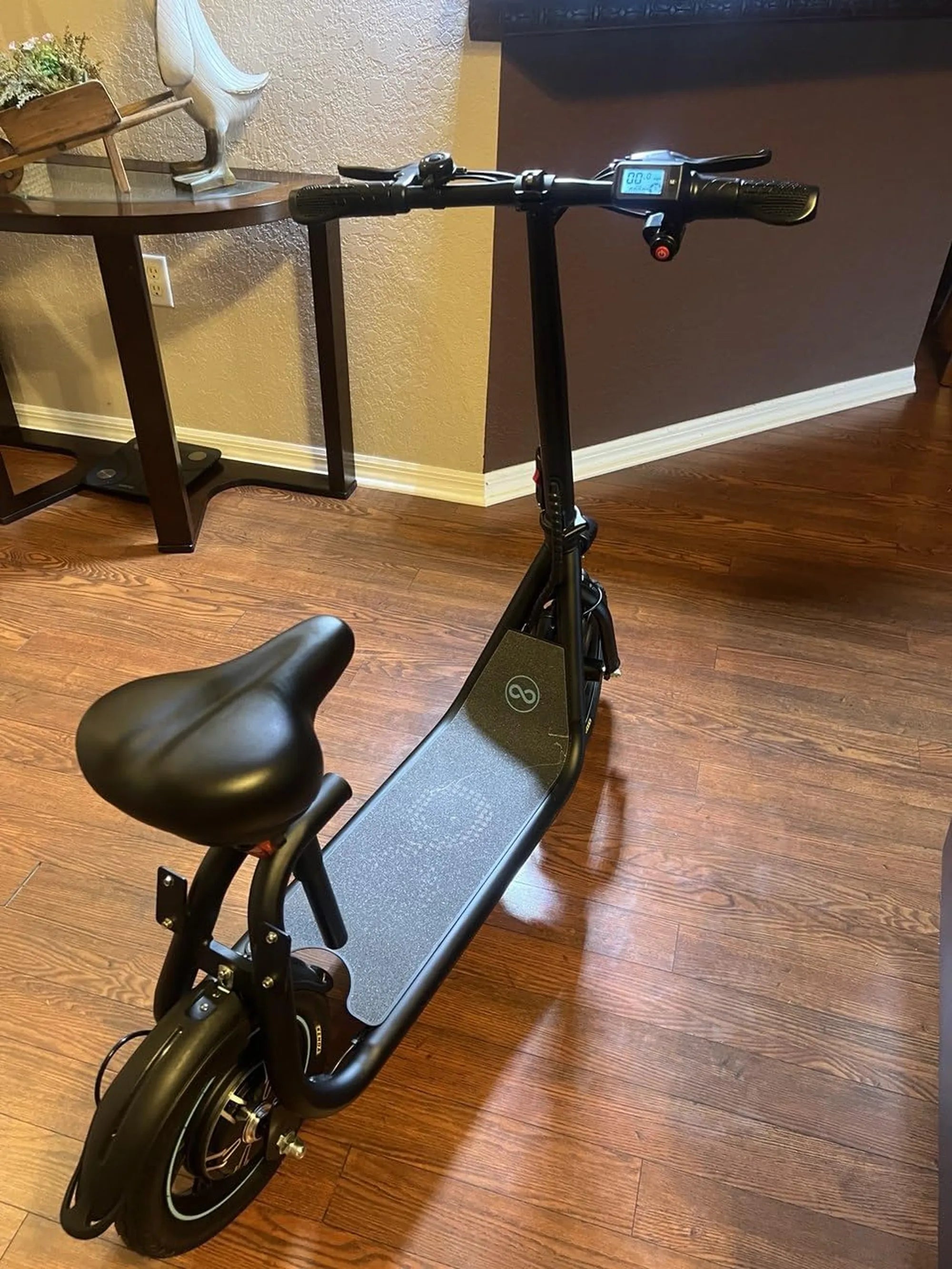
Few things are more frustrating than turning the key on your Chinese scooter only to find the electric start isn't working. Whether you're running late for work or just trying to enjoy a weekend ride, a non-responsive electric start can ruin your plans. But before you call for expensive repairs or give up on your scooter entirely, let's explore why this happens and how you might be able to fix it yourself.
Common Reasons Why Your Chinese Scooter Electric Start Isn't Working
Several issues could prevent your scooter's electric start from functioning properly. Understanding these common problems will help you diagnose the issue faster.
Dead or Weak Battery
The most frequent culprit behind electric start failures is a battery that's either dead or doesn't have enough charge. Chinese scooters often use smaller batteries that can drain quickly if not maintained properly.
Faulty Starter Relay
The starter relay acts as a switch between your battery and starter motor. If this component fails, electricity won't reach the starter when you press the ignition button.
Bad Starter Motor
While less common than battery issues, a malfunctioning starter motor will prevent your engine from turning over even if all other components are working correctly.
Ignition Switch Problems
A faulty ignition switch might not be sending the proper signal to engage the starter circuit when you turn the key.
Blown Fuses
Your scooter's electrical system has several fuses that protect components from power surges. A blown fuse in the starter circuit will stop the electric start from working.
Step-by-Step Troubleshooting Guide
Follow these steps to identify why your Chinese scooter's electric start isn't functioning.
Step 1: Check the Battery
Start with the simplest solution first. Test your battery voltage with a multimeter. A fully charged 12V battery should read around 12.6-12.8 volts. Anything below 12 volts might not provide enough power for the starter.
Step 2: Listen for Clicking Sounds
When you press the start button, listen carefully. A rapid clicking noise usually indicates a weak battery, while a single click might point to a bad starter relay.
Step 3: Inspect the Starter Relay
Locate your starter relay (consult your manual if needed) and check for visible damage or corrosion. You can test it by bypassing it with a screwdriver (carefully!) to see if the starter engages.
Step 4: Examine the Starter Motor
If the relay seems fine but the starter still won't engage, you might need to remove and bench-test the starter motor or have it professionally evaluated.
Step 5: Check All Fuses
Find your scooter's fuse box and inspect each fuse related to the starting system. Replace any that appear blown.
DIY Fixes for Common Electric Start Problems
Once you've identified the likely cause of your electric start failure, try these solutions before heading to a repair shop.
Charging or Replacing the Battery
If your battery is weak but still holds some charge, try charging it fully with an appropriate battery charger. For completely dead batteries, replacement might be necessary.
Cleaning Battery Connections
Corrosion on battery terminals can prevent proper current flow. Disconnect the battery (negative terminal first) and clean both terminals and cable ends with a wire brush and baking soda solution.
Replacing the Starter Relay
Starter relays are relatively inexpensive and easy to replace. Make sure to purchase one compatible with your specific scooter model.
Testing and Replacing the Ignition Switch
Use a multimeter to check if the ignition switch is sending power to the starter circuit when turned. Replacement requires some wiring work but is manageable for most DIYers.
Preventive Maintenance Tips
Keep your Chinese scooter's electric start system in good working order with these maintenance practices.
Regular Battery Maintenance
Check your battery's charge level monthly and keep it topped up, especially if you don't ride frequently. Consider using a battery tender during long storage periods.
Protect Electrical Components from Moisture
Chinese scooters aren't always well-sealed against the elements. Use dielectric grease on electrical connections to prevent corrosion from rain and humidity.
Periodic System Checks
Every few months, inspect all wiring connections related to the starting system for tightness and signs of wear. Address any issues before they leave you stranded.
When to Seek Professional Help
While many electric start problems can be fixed at home, some situations call for a mechanic's expertise.
Complex Electrical Issues
If you've checked all the obvious components and your electric start still doesn't work, there might be a deeper wiring problem that requires professional diagnosis.
Starter Motor Replacement
While some scooter models make starter motor replacement straightforward, others require significant disassembly that might be best left to professionals.
Warranty Considerations
If your scooter is still under warranty, attempting major repairs yourself might void the coverage. Check your warranty terms before proceeding.
Don't let a non-working electric start keep your Chinese scooter off the road. With some basic tools and this troubleshooting guide, you can often solve the problem yourself and save money on repairs. Remember that regular maintenance is the best way to prevent these issues from occurring in the first place. Now that you're armed with this knowledge, you'll be back to effortless starts in no time!
Best Electric Scooter in Asansol: Top Picks for Eco-Friendly Commuting
Mt Ashland Mountain Biking: Trails, Tips, and Thrills for Every Rider