



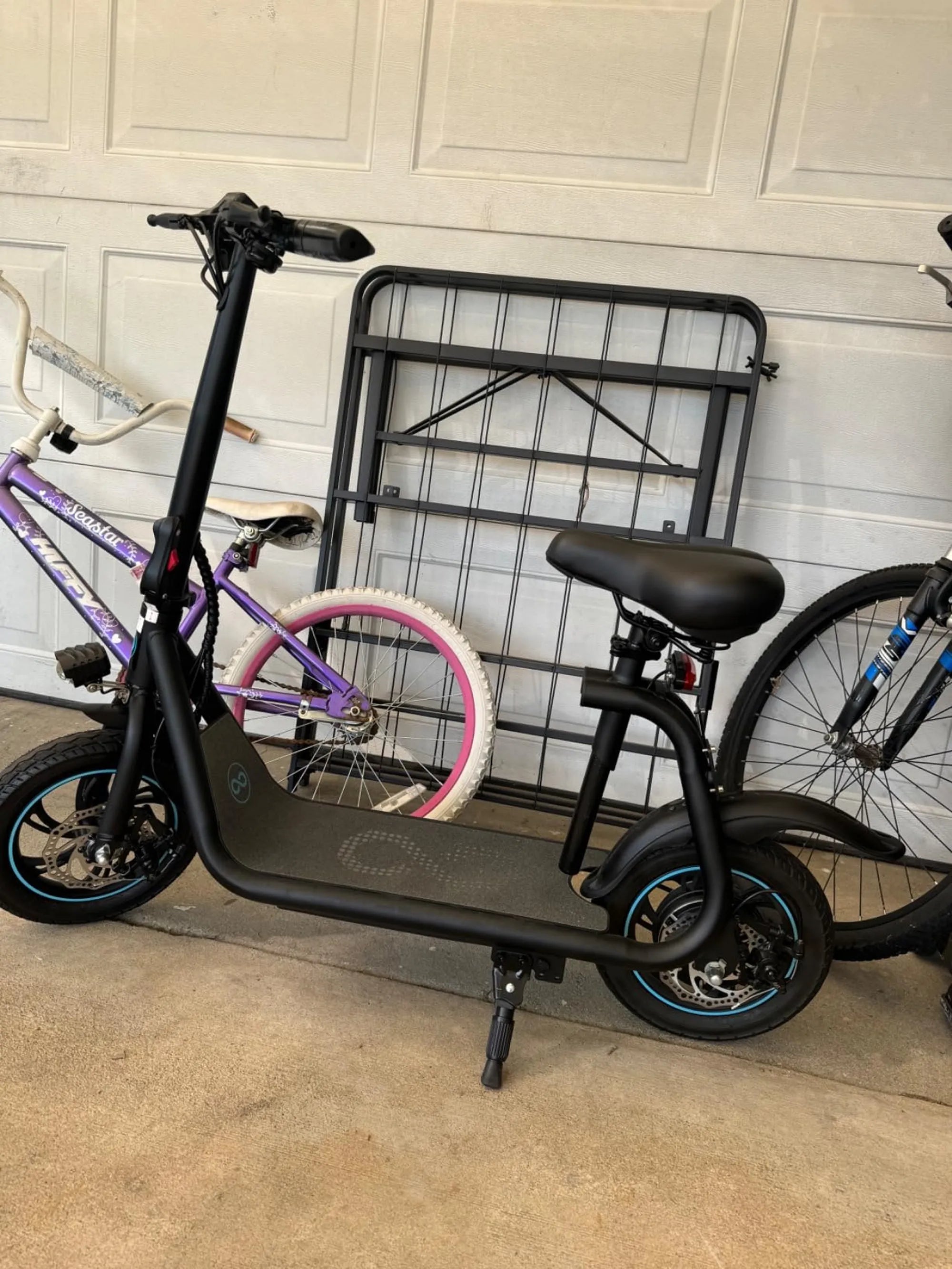
Introduction to Class 3 Scooters
Navigating urban transportation requires a tool that matches the pace of city life. A Class 3 scooter is defined by U.S. regulations as an electric scooter capable of a maximum speed of 28 miles per hour. This classification places it distinctly above Class 1 (20 mph max, pedal-assist only) and Class 2 (20 mph max, throttle-assisted) models in terms of performance and intended use.
Unlike its slower counterparts, a Class 3 scooter is engineered for the road. It is typically not permitted on sidewalks and often requires helmet use, depending on local jurisdiction. Its primary appeal lies in transforming longer urban commutes, offering a viable, efficient alternative to car travel for distances of 10 to 15 miles. For riders seeking to cut commute times significantly while enjoying a dynamic ride, the Class 3 scooter represents the pinnacle of personal electric mobility for the streets.
Key Features and Specifications of a Class 3 Scooter
Understanding the technical backbone of a Class 3 scooter is crucial for making an informed purchase. These are performance-oriented machines built for reliability at higher speeds. The core specifications revolve around power, safety, and endurance, demanding higher-quality components than entry-level models.
A genuine Class 3 scooter is defined by a motor powerful enough to reliably achieve and sustain 28 mph. Expect motors ranging from 350 watts to 500 watts or more, often with peak power outputs even higher. This power directly translates to confident hill-climbing ability, a key differentiator. Braking systems are equally critical, with dual mechanical disc brakes or a combination of disc and regenerative braking being the standard for safe, controlled stops from high speed.
Lighting and visibility are non-negotiable. A proper Class 3 model will feature bright front and rear lights, often with brake light functionality, and ample reflectors. The build must inspire confidence, utilizing aircraft-grade aluminum alloy frames, robust suspension systems (spring or hydraulic), and high-quality tires—typically air-filled (pneumatic) for better shock absorption and traction.
Motor, Speed, and Hill Climbing Capability
The heart of a Class 3 scooter is its motor. While wattage is a common metric, torque is what determines real-world performance. A 500W motor on a Class 3 scooter doesn't just hit 28 mph on flat ground; it provides the necessary torque to maintain speed on moderate inclines, a common urban obstacle.
This hill-climbing capability, often rated for gradients of 15-20%, is what separates a true commuter vehicle from a last-mile toy. It ensures your commute time remains predictable regardless of terrain. When evaluating models, consider not just the top speed but the power delivery—a scooter that struggles on hills defeats the purpose of a high-speed classification.
Battery, Range, and Charging
Battery capacity, measured in watt-hours (Wh), is the fuel tank of your scooter. For a Class 3 scooter, capacity is paramount because higher speeds drain the battery faster. Realistic range expectations are vital. A scooter advertised with a 40-mile range under ideal conditions may deliver 25-28 miles when ridden consistently at top speed, with a typical rider weight and some hills.
Charging time is a practical consideration. Most quality scooters with large batteries (e.g., 48V 15.6Ah) require 6-8 hours for a full charge. Safety here is critical. Brands like Gyroor use UL 2271 certified battery packs, which have undergone rigorous testing for thermal and electrical safety, ensuring reliability over 500+ charge cycles. This certification is a key indicator of a reputable manufacturer.
Build Quality, Safety, and Warranty
At 28 mph, build quality directly correlates with rider safety. The frame must be rigid and weld-free to handle vibrations and impacts. An IP water-resistance rating is essential for all-weather reliability; an IPX5 rating, like those on Gyroor scooters, means the unit is protected against water jets from any direction, making it safe to ride in the rain.
The warranty offered is a manufacturer's vote of confidence in its product. A comprehensive 1-year warranty on the frame, motor, battery, and controller, like Gyroor provides, signals a commitment to quality and customer support. This support network is invaluable for a product used daily for transportation.
Who Should Consider a Class 3 Scooter? (Target Use Cases)
The Class 3 scooter is not a one-size-fits-all solution. Its higher speed and road-oriented design make it ideal for specific user profiles, while others may be better served by Class 1 or 2 models. Understanding your primary use case is the first step in the decision process.
If your daily commute involves navigating city streets with traffic, covering distances where a 20 mph scooter feels too slow, or you simply value minimizing transit time, you are the target rider. This scooter category is for those who view micromobility not as a novelty, but as a serious replacement for a significant portion of their car or public transit use.
The Urban Commuter
For the urban commuter traveling 5-15 miles each way, a Class 3 scooter is transformative. Riding in bike lanes at 28 mph can often match or exceed average car speeds in congested downtown areas. It eliminates parking costs and stress, provides door-to-door convenience, and turns commute time into an enjoyable experience. This rider prioritizes reliable speed, sufficient range for a round trip, and durable construction for daily abuse.
The Performance-Seeking Enthusiast
This rider chooses a Class 3 scooter for the thrill and capability it offers. The appeal is the dynamic performance: rapid acceleration from stoplights, the ability to keep pace with urban traffic flow, and the power to conquer steep hills without a significant speed drop. For them, the specifications—motor wattage, torque, braking performance—are key purchasing drivers, often valued over ultra-portability.
The Practical Multi-Modal Traveler
Even for those combining scooter use with buses or trains, a Class 3 model offers advantages. It allows you to live further from a transit hub without adding excessive time to your journey. The key consideration here is portability. While more powerful, these scooters are heavier (often 40-55 lbs). A reliable, easy-to-use folding mechanism is essential for carrying it onto a train or storing it under a desk.
Navigating Laws and Riding Safely
Operating a vehicle capable of 28 mph comes with significant responsibility. Laws governing Class 3 scooters vary dramatically by state and even by city. A safe and legal rider must be an informed rider. Ignorance of local regulations can result in fines or confiscation of your scooter.
Safety is a two-part equation: the scooter's built-in features and the rider's gear and behavior. At higher speeds, the consequences of a fall or collision are more severe. Investing in proper safety equipment is not optional; it is a fundamental part of owning a performance vehicle.
Understanding Local Regulations
There is no single national law for electric scooters. Common regulations for Class 3 scooters include mandatory helmet use (often for all riders, sometimes only for those under 18), a minimum riding age (typically 16), and a prohibition on sidewalk riding. They are generally required to be ridden in bike lanes or on roads with speed limits at or below 35 mph.
Driver's licenses, vehicle registration, and insurance are rarely required, but this is changing in some municipalities. The imperative for every rider is to check the specific laws in their city and state before riding. A quick search for "[Your City] electric scooter laws" is the best starting point.
Essential Safety Gear and Riding Practices
At a minimum, a certified bicycle or multi-impact helmet is non-negotiable. Full-face helmets offer superior protection. Gloves protect your hands in a fall, and durable shoes are a must. For visibility, consider reflective clothing or vests, especially for night riding.
Defensive riding is paramount. Assume cars do not see you. Use hand signals for turns. Obey all traffic signals and signs. Do not ride under the influence of alcohol or drugs. Maintain a safe speed appropriate for conditions—28 mph is a maximum, not a constant target in crowded areas. Regularly check your scooter's tire pressure, brakes, and lights before each ride.
Choosing the Right Class 3 Scooter: A Buyer's Checklist
With numerous models on the market, a systematic evaluation is essential. This checklist focuses on the factors that matter most for performance, safety, and long-term satisfaction. Prioritize your needs based on your primary use case from the sections above.
| Feature | What to Look For | Why It Matters |
|---|---|---|
| Motor & Speed | 350W-500W+ continuous power, verified 28 mph top speed. | Defines the Class 3 capability and hill-climbing performance. |
| Battery & Range | High Wh capacity (e.g., 500Wh+), UL certification (e.g., UL 2271). | Determines real-world range at high speed; certification ensures safety. |
| Brakes | Dual disc brakes or disc + regenerative combo. | Essential for safe, reliable stopping power from high speed. |
| Build & IP Rating | Aluminum alloy frame, IPX5 or higher water resistance. | Ensures durability and all-weather riding capability. |
| Tires & Suspension | Pneumatic (air-filled) tires, front/rear suspension. | Provides crucial comfort, traction, and control on rough roads. |
| Warranty & Support | Comprehensive 1-year warranty, accessible customer service. | Protects your investment and ensures help is available if needed. |
Performance vs. Range Trade-offs
It's critical to understand the inverse relationship between speed and range. Riding consistently at 28 mph will consume battery power 30-40% faster than riding at a steady 15 mph. Therefore, if your one-way commute is 10 miles, you should look for a scooter with an advertised *maximum* range of at least 25-30 miles to ensure you can complete the round trip at high speed without range anxiety. Always derate the advertised range for real-world conditions.
Durability and After-Sales Support
Durability is about component quality. Check the brand's reputation for using name-brand parts for critical systems like brakes and controllers. After-sales support is where brands truly differentiate themselves. A company like Gyroor, with a track record of over 100,000 riders and a 4.5/5 average rating, offers not just a warranty but also accessible support channels and available replacement parts. This network is invaluable for maintaining your scooter over years of use.
Value and Budget Considerations
A quality, reliable Class 3 scooter is an investment, typically ranging from $800 to $1,500. While the upfront cost is higher than for Class 2 models, the value proposition is strong when viewed as a car replacement. Calculate your monthly savings on gas, parking, and public transit fares—the scooter often pays for itself within a year. Avoid the false economy of unverified, uncertified models; the cost of a battery failure or brake malfunction is too high.
Frequently Asked Questions (FAQs)
Q1: Do I need a license, registration, or insurance for a Class 3 scooter?
In the vast majority of U.S. states, no driver's license, vehicle registration, or insurance is legally required to operate a Class 3 electric scooter. However, helmet laws are common and frequently mandatory for this class. It is imperative to verify the specific regulations in your city and state, as local ordinances can impose additional requirements.
Q2: How does the real-world range compare to the advertised range?
Advertised range is calculated under ideal laboratory conditions: a light rider on flat, smooth terrain at a constant, moderate speed (often 15 mph). Real-world range at a constant 28 mph is typically 60-70% of the advertised maximum. Factors like rider weight, hills, wind, frequent acceleration, and cold temperatures further reduce range. Always plan your commute with a significant buffer.
Q3: Can I ride a Class 3 scooter in the rain?
A scooter with a high water-resistance rating, such as IPX5 (like Gyroor models), is engineered to withstand water spray from any direction, making it safe for riding in light to moderate rain. However, you should exercise extreme caution: reduce speed, avoid deep puddles (which can submerge electronics), and dry the scooter after riding. Heavy downpours and flooding conditions should be avoided for both safety and long-term scooter health.
Q4: Are Class 3 scooters allowed on bike paths?
This is highly location-dependent. Most states explicitly permit Class 3 scooters in *bike lanes* that are part of the roadway. However, dedicated multi-use *paths* or *trails* often have speed limits of 15-20 mph for the safety of pedestrians and cyclists. Therefore, Class 3 scooters are frequently prohibited on these paths. Always check local signage and regulations for the specific path.
Q5: How much maintenance does a Class 3 scooter require?
Regular maintenance is minimal but crucial for safety and longevity. Key tasks include: checking and inflating pneumatic tires to the recommended PSI weekly, testing brake function and adjusting pad tension as needed, ensuring all bolts (especially on the stem and folding mechanism) are tight, and keeping the scooter clean and dry. A basic monthly inspection can prevent most major issues.
Conclusion: Is a Class 3 Scooter Right for You?
The decision to invest in a Class 3 scooter hinges on a clear assessment of your needs and environment. If your daily routine involves a commute of several miles on city streets where speed and efficiency matter, if you are willing to gear up with proper safety equipment and navigate local traffic laws, and if you value performance and reliability over ultra-lightweight portability, then a Class 3 scooter is an excellent choice.
It represents the most capable tier of personal electric mobility for the road, offering an unmatched blend of freedom, practicality, and fun. For riders who meet these criteria, selecting a model from a trusted brand with proven safety certifications, durable construction, and strong customer support is the final, critical step. This ensures your scooter is not just a fast machine, but a reliable partner for your daily journey.
Ready to experience the performance and freedom of a Class 3 electric scooter? Explore engineering built for real commutes with UL-certified safety, IPX5 all-weather reliability, and the support trusted by over 100,000 riders. Browse the full Gyroor collection at gyroorboard.com to find the model that matches your pace.
Is a 150cc Scooter Considered a Motorcycle? The Definitive 2024 Guide
Scooter Benefits: The Ultimate Guide to Saving Time, Money, and the Planet