



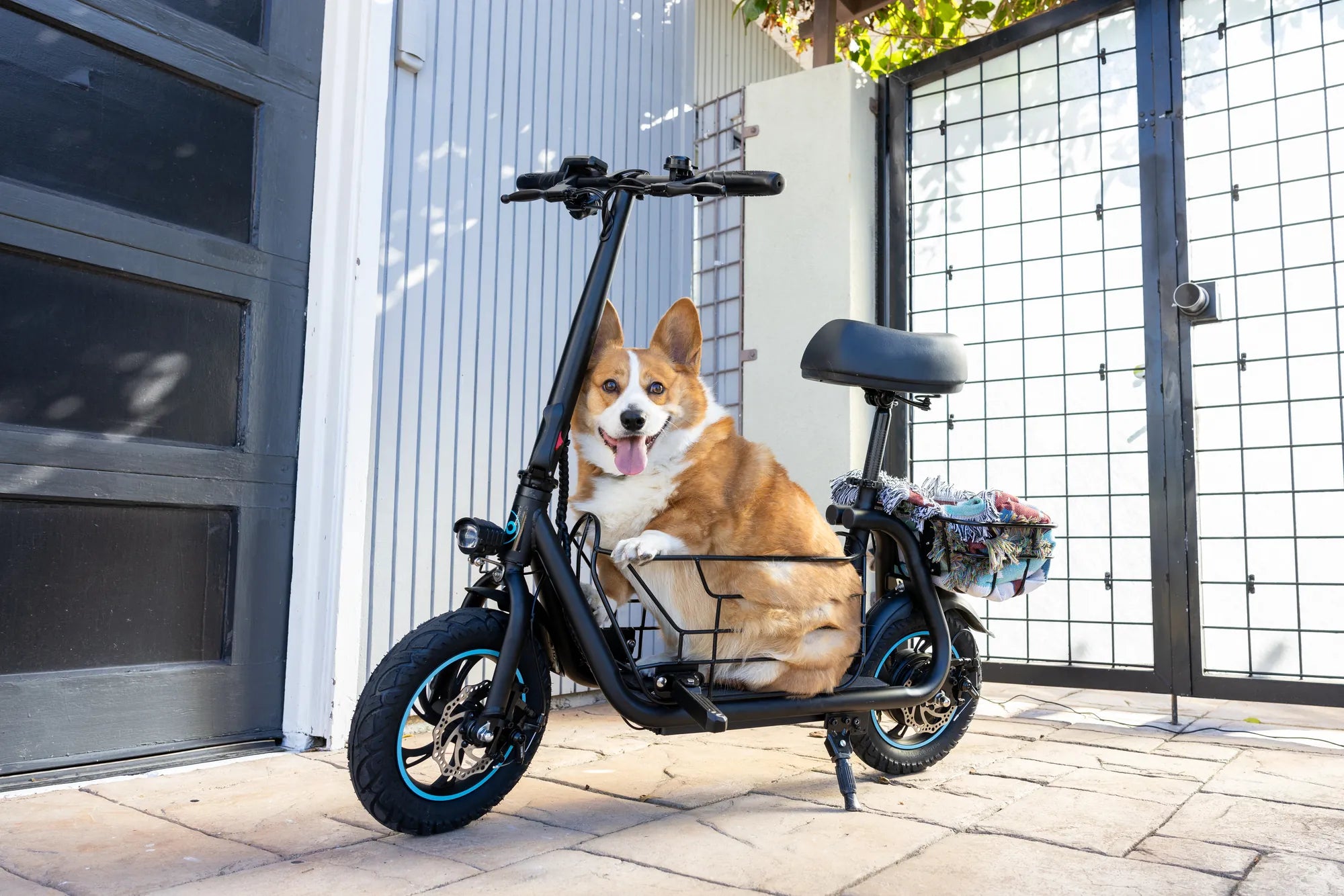
Forget the gas can and earplugs. The modern clean dirt bike redefines off-road adventure, merging exhilarating performance with environmental responsibility. This isn't just about a spotless machine; it's about a fundamentally cleaner way to ride. We're moving beyond internal combustion to explore how electric powertrains deliver instant torque, near-silent operation, and trail-friendly credentials. This guide will detail the tangible benefits, demystify the technology, and provide a clear framework for choosing your ideal electric off-road machine. You'll learn how the shift from gas to electric is transforming rider experience, trail access, and the very ethos of the sport.
Introduction to Clean Dirt Bikes: Beyond the Wash
The term clean dirt bike has evolved. Historically, it meant a meticulously maintained machine. Today, it signifies a technological leap: the electric dirt bike. This new generation prioritizes a clean power source, clean operation, and a clean conscience. The core of this movement is the electric drivetrain, which replaces the complex, polluting gas engine with a streamlined electric motor and battery pack.
This shift addresses growing restrictions on gas-powered vehicles in natural areas and noise complaints from neighboring communities. A clean dirt bike offers a solution, allowing riders to enjoy the trails without the environmental and social friction. The trend is accelerating as battery technology improves, offering longer ranges and more power, making electric models viable for serious enthusiasts, not just beginners.
The appeal is multifaceted. Riders gain immediate throttle response and simplified maintenance. Land managers and environmental groups see a path to sustainable recreation. For anyone who loves the sport but worries about its footprint, the electric clean dirt bike presents a compelling alternative. It represents not a compromise, but an upgrade in how we interact with the outdoors.
The Environmental and Practical Benefits of Going Electric
Choosing an electric clean dirt bike over a traditional gas model delivers profound advantages that extend far beyond the rider. The benefits are environmental, social, and practical, creating a more sustainable and enjoyable off-road experience for everyone involved.
The most significant impact is on the local ecosystem. Without a tailpipe, these bikes emit zero pollutants at the point of use. This means no carbon monoxide, unburned hydrocarbons, or oil mist contaminating the soil and air on the trail. It's a direct contribution to preserving the natural environments we ride in.
Zero Emissions and Trail Preservation
The absence of exhaust emissions is a game-changer for trail access and land use policy. Many public and private land managers are increasingly hesitant to permit loud, smoky gas bikes. A true clean dirt bike, with its zero-local-emissions profile, becomes a powerful advocate for the sport.
It helps in keeping trails open and can even be the key to gaining access to new, previously restricted areas. By eliminating the direct environmental impact of combustion, riders can build a stronger case for responsible, low-impact recreation. This stewardship is becoming a core part of the modern off-road community's identity.
The Advantage of Near-Silent Operation
Noise pollution is a major source of conflict between riders and other trail users, wildlife, and nearby residents. The electric motor's quiet hum, often comparable to a brisk wind, drastically reduces this friction. This allows for a more immersive riding experience where you can actually hear the environment around you.
It also minimizes disturbance to wildlife and makes multi-use trails more harmonious. The reduction in noise opens doors, both literally and figuratively, fostering better relationships with landowners and communities. A quiet clean dirt bike is a good neighbor, ensuring the sport's longevity and social license to operate.
Reduced Maintenance: Less Time Wrenching, More Time Riding
From a practical ownership standpoint, the simplicity of an electric drivetrain is a major win. There is no need for routine oil changes, air filter cleanings, spark plug replacements, or carburetor adjustments. There's no complex transmission with a clutch to maintain.
Maintenance primarily involves checking the battery, keeping the chain lubricated, and basic suspension and brake upkeep. This reliability translates to more time on the trail and lower long-term operating costs. The drivetrain has far fewer moving parts to wear out or fail, making the electric clean dirt bike a remarkably dependable machine.
Key Performance Features of Modern Electric Dirt Bikes
Performance is where modern electric dirt bikes truly shine, often surpassing gas counterparts in key areas. The characteristics of electric power delivery create a unique and highly capable riding experience that appeals to both new and experienced riders.
The immediate difference is in how power is applied. An electric motor delivers its maximum torque the instant you twist the throttle. This results in explosive acceleration out of corners and effortless hill climbs. The powerband is broad and linear, offering predictable control.
Instant Torque and Controllable Power Delivery
This instant torque provides a significant technical advantage. It allows for precise rear-wheel traction control and makes technical, low-speed maneuvers easier. Many models offer multiple ride modes (e.g., Eco, Trail, Sport) that electronically limit power and top speed, making a single bike adaptable for learners or experts.
This programmability is a hallmark of the electric clean dirt bike. Parents can set a beginner-friendly mode for a young rider, then unlock full performance as skills develop. The throttle response is crisp and direct, without the lag or stall risk associated with gas engine clutch control.
Understanding Range, Battery Life, and Charging
Range is the most common concern for prospective electric bike owners. Real-world range varies significantly based on terrain, rider weight, riding style, and selected power mode. On average, modern models offer 1.5 to 4 hours of aggressive trail riding on a single charge.
Battery longevity is measured in charge cycles. High-quality, UL-certified battery packs, like those used by reputable brands, are rated for 500+ full charge cycles while maintaining significant capacity. To maximize life, it's best to avoid consistently draining the battery to 0% or charging to 100% for storage. Charging times typically range from 3 to 8 hours on a standard household outlet. For adventure riding, solutions include carrying a spare, swappable battery or using a portable power station.
Choosing Your Clean Dirt Bike: A Buyer's Checklist
Selecting the right electric dirt bike requires careful consideration of specifications that align with your riding goals and a commitment to safety. A responsible purchase prioritizes verified safety credentials and durable construction, reflecting the true "clean" ethos.
Start by assessing your primary use case: casual trail riding, motocross practice, or hard enduro. Your skill level is equally important; a bike with overly aggressive power can be dangerous for a novice. Match the bike's capabilities to your experience for a safe and enjoyable introduction to electric off-roading.
Safety and Reliability Certifications (UL, IP Ratings)
Never compromise on battery safety. Insist on a model that uses a UL-certified battery pack. This independent certification rigorously tests for electrical, mechanical, and fire safety, drastically reducing risk. It's the single most important feature for long-term peace of mind and value protection.
Equally critical is water and dust resistance. Look for a high Ingress Protection (IP) rating, such as IPX5 or higher. An IPX5 rating means the bike can withstand low-pressure water jets from any direction, making it capable of handling mud, river crossings, and rainy conditions without electrical failure. This durability is essential for a true off-road machine.
Motor Power, Suspension, and Build Quality
Motor power is typically listed in watts (W) or kilowatts (kW), and voltage (e.g., 48V, 60V). Higher numbers generally indicate more potential power and torque. However, the quality of the suspension is what truly determines handling and comfort. Look for adjustable front forks and a rear shock with adequate travel for your intended terrain.
Inspect the frame material (aluminum is common for its strength-to-weight ratio), weld quality, and component choices (brakes, tires, chain). A well-built clean dirt bike from a reputable brand will use quality parts throughout, ensuring it can withstand the rigors of off-road use. Brands with a track record in personal electric transport, like Gyroor, often apply their expertise in UL-certified batteries and IPX5 water-resistant designs to their off-road offerings, ensuring a reliable foundation.
The Importance of Warranty and Customer Support
A strong warranty is a sign of a manufacturer's confidence in its product. Prioritize brands that offer a comprehensive 1-year warranty covering the frame, motor, controller, and battery. Transparent warranty terms and accessible customer support are non-negotiable for a significant purchase like this.
Good support means you have a direct line for troubleshooting, ordering genuine parts, and getting technical advice. Before buying, research the brand's reputation for post-sale service. A company that stands behind its product, like those trusted by over 100,000 riders, invests in your long-term satisfaction.
Clean Dirt Bike vs. Gas Dirt Bike: A Detailed Comparison
Understanding the fundamental differences between electric and gas-powered dirt bikes is crucial for making an informed decision. The following table breaks down the key comparison points across several categories.
| Feature | Clean Dirt Bike (Electric) | Traditional Gas Dirt Bike |
|---|---|---|
| Power Delivery | Instant max torque from 0 RPM; linear, predictable throttle. | Power builds with RPM; requires clutch management for optimal torque. |
| Noise Level | Very quiet (≈65-75 dB). Better for communities & wildlife. | Very loud (≈90-105 dB). Can cause noise complaints. |
| Emissions | Zero tailpipe emissions. Clean for the immediate environment. | Produces CO2, CO, NOx, and unburned hydrocarbons. |
| Maintenance | Very low. No engine oil, filters, spark plugs, or clutch adjustments. | High and frequent. Regular oil changes, air filter service, valve adjustments, etc. |
| Operating Cost | Very low. Cost of electricity is minimal compared to gasoline. | High. Ongoing cost of fuel, oil, and frequent replacement parts. |
| Refueling / Recharge | 3-8 hours on standard outlet. Can use portable power sources. | 5 minutes at a gas station. Limited only by fuel can access. |
| Trail Access | Increasingly favored. Gaining access to noise and emission-sensitive areas. | Facing more restrictions due to noise and environmental impact. |
| Beginner Friendliness | Excellent. No clutch, easy starts, programmable power modes. | Steeper learning curve due to clutch control and stall risk. |
The Future of Off-Road Riding is Clean and Electric
The trajectory of off-road motorcycling is clear: sustainability is becoming inseparable from performance. The clean dirt bike is at the forefront of this change, proving that environmental responsibility does not require a sacrifice in thrill or capability. As battery energy density improves and charging infrastructure expands, the remaining hurdles of range and recharge time will continue to diminish.
This evolution benefits the entire ecosystem. Riders get more reliable, high-torque machines. Land managers have a viable tool for promoting low-impact recreation. Communities experience less conflict. The sport itself becomes more inclusive and forward-looking. Adopting electric technology is the most effective way to ensure the long-term health and growth of off-road riding.
Leading brands are investing heavily in this future, developing models with longer ranges, swappable batteries, and advanced features like regenerative braking. The market is moving rapidly from novelty to mainstream acceptance. The clean dirt bike is no longer a niche concept; it is the logical next step for a sport deeply connected to the natural world.
FAQ: Your Clean Dirt Bike Questions Answered
Q: Are electric dirt bikes as powerful as gas bikes?
A: In terms of raw acceleration and low-end torque, many high-performance electric models match or exceed comparable gas bikes. The instant torque provides a different kind of power that is exceptionally effective on technical terrain. While top speeds may vary, the riding experience is intensely responsive and capable.
Q: How long does the battery last, and can I swap it on the trail?
A: A typical ride lasts 1.5 to 4 hours depending on use. Battery lifespan is measured in cycles; a quality UL-certified pack lasts 500+ full cycles. Swappable battery systems are a growing trend and a fantastic solution for extending range. You can carry a spare charged battery and swap it in minutes during a trailside break.
Q: Where can I charge an electric dirt bike when riding remotely?
A> Several options exist for remote charging. Portable power stations (solar generators) are popular and can fully recharge a bike multiple times. Some riders use an inverter in their truck or SUV. The most seamless method is the swappable battery system, where you simply replace the depleted pack with a fresh one from your vehicle.
Q: Are they really better for the environment if the electricity comes from coal?
A: Even when charged from a grid that includes fossil fuels, electric vehicles are far more energy-efficient than internal combustion engines. Well-to-wheel emissions are generally lower. More importantly, as the grid becomes greener, your bike automatically becomes cleaner. You can also charge directly from renewable sources like home solar panels or portable solar generators.
Q: What is the true cost of ownership compared to a gas bike?
A: The upfront cost of an electric dirt bike can be higher, but the total cost of ownership is often lower. You eliminate expenses for gasoline, engine oil, air filters, spark plugs, and frequent top-end rebuilds. Maintenance is simplified to basic items like tires, brakes, and suspension. The reliability of the electric drivetrain also means less downtime and fewer repair bills.
Embrace the Future of Responsible Riding
The evidence is overwhelming: the clean dirt bike delivers a superior, sustainable, and socially responsible riding experience. It offers the instant thrill of electric torque without the noise, fumes, and complex maintenance of a gas engine. By choosing electric, you're investing in the longevity of your sport and the preservation of the trails you love. The technology is here, proven, and evolving rapidly. It's time to experience off-roading in its purest, most focused form—where the only sound is the trail beneath you and the only emission is your excitement.
Ready to explore the world of electric off-road performance? Discover machines built with the safety and reliability credentials that matter, including UL-certified batteries and durable, water-resistant construction. Browse the full Gyroor collection at gyroorboard.com to find an electric ride that matches your adventure level and helps you ride cleaner, quieter, and further.
What's the Best 450 Dirt Bike? The 2024 Ultimate Buyer's Guide
Dirt Bike Riding Trails Near Me: Your Ultimate Guide to Finding Local Adventure