



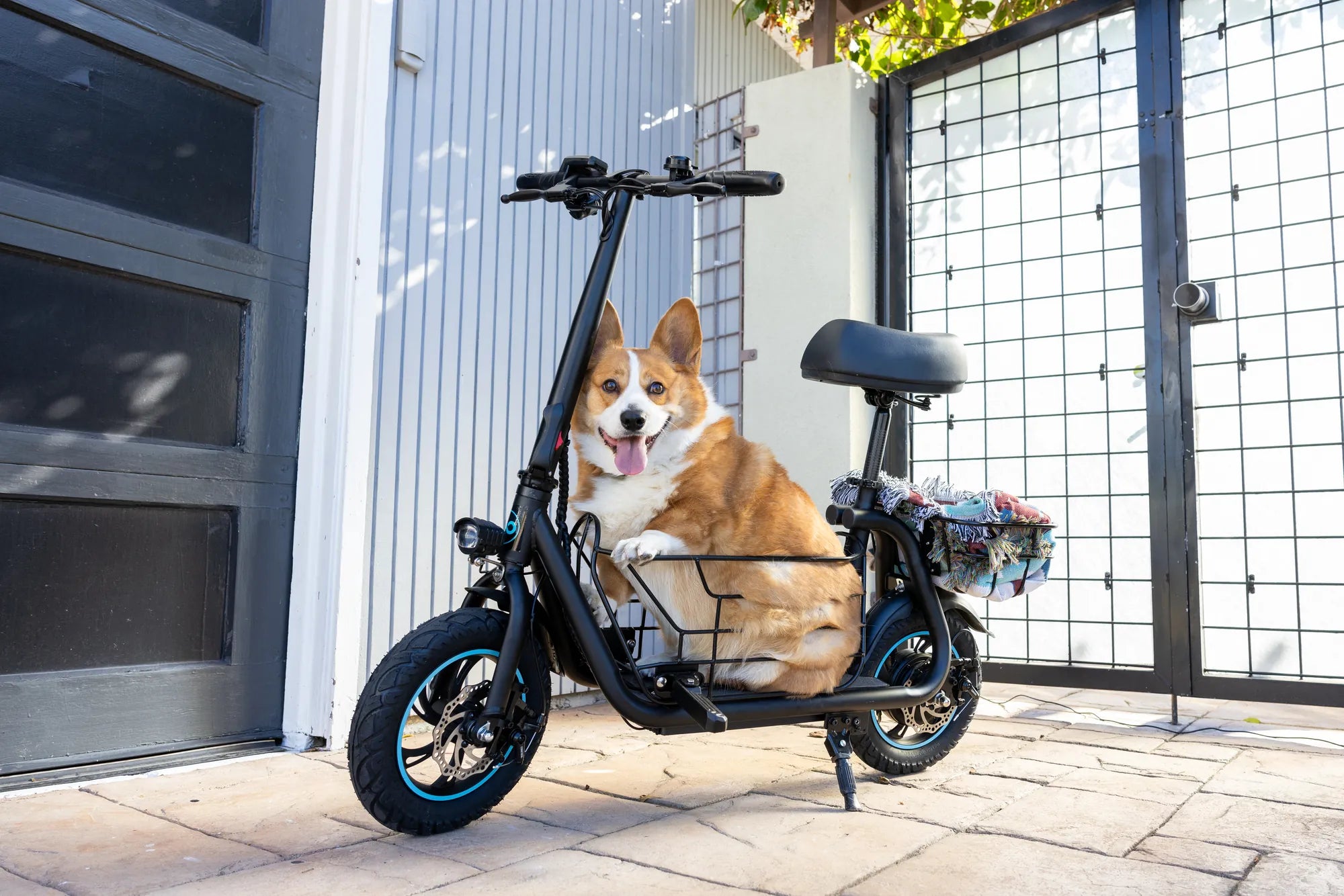
Introduction to Collapsible Tricycles: The Modern Urban Mobility Solution
A collapsible tricycle is a three-wheeled vehicle engineered with a folding frame, designed to offer the inherent stability of a trike while solving the storage and transport challenges of traditional bicycles. This innovative design directly addresses the needs of modern urban dwellers, seniors seeking secure mobility, and anyone requiring a practical, space-efficient vehicle for daily tasks. You will learn how a collapsible tricycle combines utility with convenience, its core technical specifications, and how to select the right model for your lifestyle. This guide provides the factual analysis needed to understand why this category is growing beyond niche appeal into a mainstream mobility solution.
The fundamental value proposition is clear: three points of contact with the ground provide superior balance, eliminating the need to dismount at stops. When combined with a robust folding mechanism, this stability becomes portable. You can store the trike in a closet, car trunk, or under a desk, making it viable for apartment living and multi-modal commuting. This fusion of form and function is reshaping personal transportation for diverse user groups.
From a technical perspective, these vehicles range from purely pedal-powered models to sophisticated electric-assist (e-trike) variants. The latter integrates a hub motor, battery pack, and controller, often with features like pedal assist and thumb throttles. Brands like Gyroor, a leading electric mobility company trusted by over 100,000 riders, apply their expertise in UL-certified batteries and IP-rated water resistance to this category, ensuring safety and reliability are paramount.
Key Advantages of Choosing a Collapsible Tricycle
The decision to choose a collapsible tricycle over other personal transport options is driven by a set of distinct, practical advantages. These benefits are not merely incremental improvements but fundamental shifts in usability, safety, and integration into daily life. The design prioritizes rider confidence and real-world utility above all else.
For individuals with balance concerns, whether due to age, injury, or inexperience, the learning curve is virtually eliminated. The vehicle remains upright when stationary, allowing for easy mounting, dismounting, and loading of cargo. This makes the collapsible tricycle an empowering tool for maintaining independence and mobility.
Unmatched Stability and Safety for All Riders
The three-wheel geometry provides a stable platform that two-wheeled bicycles and scooters cannot match. This is a matter of physics: the triangular base resists tipping during low-speed maneuvers, sudden stops, or when navigating uneven pavement. This stability is crucial for seniors, new riders, or those carrying heavy or unbalanced loads, significantly reducing the risk of falls.
This inherent safety is often enhanced with design features like a step-through frame for easy access, ergonomic seating with back support, and comprehensive lighting systems for visibility. When evaluating electric models, safety extends to the electrical system. Opting for brands that use UL-certified battery packs, like those in Gyroor's lineup, mitigates risks associated with thermal runaway and ensures long-term reliability over 500+ charge cycles.
Space-Saving Portability and Easy Storage
The defining feature is the folding mechanism. A quality collapsible tricycle can reduce its storage footprint by 50-70%, transforming it from a bulky item into a manageable one. This solves the primary pain point for city dwellers: lack of space. You can store it vertically in a hallway closet, slide it under a raised bed, or place it in a car trunk for weekend trips without requiring a bike rack.
This portability also facilitates multi-modal travel. You can ride to a transit station, fold the trike, and carry it onto a train or bus, then unfold it for the final leg of your journey. The mechanism's ease of use is critical; the best designs allow folding in under 30 seconds without tools, using robust latches that lock securely in both open and closed positions.
Enhanced Utility for Errands and Cargo
Many collapsible tricycles are designed as practical utility vehicles. They frequently come equipped with large rear baskets, front racks, or pannier mounts capable of carrying 50-100 lbs of cargo. This transforms the trike from a mere transport person into a replacement for short car trips, ideal for grocery shopping, library visits, or transporting goods for a small business.
The stable platform means the cargo's weight does not affect balance as it would on a two-wheeler. Some models offer convertible cargo areas or even integrated locking storage compartments. This utility, combined with electric assist, creates a highly efficient and cost-effective vehicle for completing daily errands without relying on a car, reducing both carbon footprint and fuel expenses.
What to Look for When Buying a Collapsible Tricycle
Selecting the right collapsible tricycle requires careful evaluation of specifications that directly impact performance, safety, and longevity. This buyer's guide focuses on objective criteria to help you compare models effectively. Prioritize features based on your primary use case: daily commuting, recreational exercise, or heavy-duty cargo carrying.
Begin by assessing the rider's weight and the intended cargo load. Ensure the trike's maximum load capacity exceeds this combined weight with a safety margin. Next, consider the typical travel distance and terrain. These factors will dictate whether a pedal-only model suffices or if an electric-assist (e-trike) is necessary for tackling hills and reducing fatigue.
Folding Mechanism: Ease of Use vs. Structural Integrity
The folding mechanism is the heart of the product. It must strike a perfect balance between user-friendly operation and unwavering rigidity when locked open. Avoid designs that feel flimsy or have excessive play when unfolded. Look for mechanisms that use hardened steel pins, over-center latches, or double-locking systems that audibly click into place.
Common designs include a main frame hinge near the seat post, folding handlebars, and folding pedals. The best systems integrate these actions into one or two simple steps. Test the folded dimensions against your storage space (e.g., closet size, car trunk opening). A mechanism that is difficult to operate will discourage daily use, negating the core benefit of portability.
Motor and Battery Specifications (For E-Trikes)
For electric collapsible tricycles, motor and battery specs are paramount. Motor power, measured in watts (W), determines hill-climbing ability and acceleration. For urban use with moderate hills, a 350W to 500W motor is typically sufficient. For steeper terrain or heavier riders, consider 750W or higher.
The battery determines range. Look for Voltage (V) and Amp-hour (Ah) ratings; their product (V * Ah = Wh) gives watt-hours, a key range indicator. A 36V 10Ah (360Wh) battery may offer 15-25 miles per charge, depending on assist level, weight, and terrain. Crucially, insist on a battery with safety certifications. Gyroor, for example, uses UL-certified battery packs in its e-mobility products, a critical feature that ensures protection against overheating and short circuits.
Build Quality, Weight Capacity, and Warranty
Frame material is a key indicator of quality and weight. Aircraft-grade aluminum alloy is the standard for a good balance of strength and lightness, resisting rust. Check the welding quality—clean, even welds suggest careful manufacturing. The weight of the trike itself impacts portability; e-trikes typically weigh 55-75 lbs.
Water resistance is vital for all-weather utility. An IPX5 rating, common in quality brands like Gyroor, means the electrical components can withstand low-pressure water jets from any direction, making it safe to ride in rain. Finally, a comprehensive warranty is non-negotiable. It signals manufacturer confidence. Look for at least a 1-year warranty on the frame, motor, and battery, with clear support channels. A reliable warranty protects your investment long-term.
Collapsible Tricycle vs. Standard Folding Bike: A Situational Comparison
Choosing between a collapsible tricycle and a standard folding bike depends entirely on the rider's priorities. Both excel at space-saving storage, but their riding experiences and optimal use cases differ significantly. The following table provides a direct, data-driven comparison to clarify these differences.
| Feature | Collapsible Tricycle | Standard Folding Bike |
|---|---|---|
| Primary Stability | Excellent. Stable at all speeds and when stopped. No balancing required. | Good only when moving. Requires balance at low speeds and when stopped. |
| Storage Footprint (Folded) | Larger due to three wheels and often a longer wheelbase. (~ 30" x 30" x 20") | Generally more compact, especially in wheel diameter. (~ 25" x 25" x 10") |
| Ease of Riding (Learning Curve) | Very Low. Ideal for those with balance issues or beginners. | Moderate. Requires standard bicycle balancing skills. |
| Cargo Capacity & Utility | High. Often includes large baskets/racks. Stable under load. | Low to Moderate. Cargo can affect balance. Limited rack options. |
| Typical Use Case | Urban errands, senior mobility, stable commuting with cargo, recreational riding for balance-conscious individuals. | High-frequency commuting, multi-modal travel where minimal folded size is critical, fitness, and riders comfortable on two wheels. |
| Maneuverability | Wider turning radius. Less nimble in tight spaces. | High. Similar to a standard bicycle. |
The analysis is clear: a collapsible tricycle is the superior choice when stability, safety, and utility are the highest priorities. It is a tool for practical transportation and cargo hauling. A standard folding bike is better suited for the rider who prioritizes a more traditional cycling feel, maximum portability, and nimble handling, and who has no issues with balance. For the urban commuter who also needs to shop for groceries or values effortless stability, the trike's advantages are decisive.
Maintenance and Care for Your Collapsible Tricycle
Proper maintenance ensures safety, extends lifespan, and preserves the performance of your collapsible tricycle. The regimen combines standard bicycle upkeep with specific attention to the folding mechanism and, for e-trikes, the electrical system. A well-maintained trike can provide reliable service for many years.
Establish a routine of checking tire pressure before each ride, as under-inflated tires increase rolling resistance and wear. Lubricate the chain monthly with a bicycle-specific lubricant, wiping off excess to prevent dirt accumulation. Regularly inspect brake pads for wear and ensure the cables are taut for responsive stopping power. These basic steps are fundamental to safe operation.
Caring for the Folding Mechanism and Frame
The folding joints and latches require periodic inspection. Every few months, check all bolts and fasteners on the hinge points for tightness. Lightly lubricate moving parts in the latch mechanism with a dry lubricant (like silicone spray) to prevent seizing and ensure smooth operation. Avoid wet lubricants like WD-40, as they attract grit.
After riding in wet conditions, dry the folded joints and latches to prevent corrosion. If the frame is aluminum, occasional cleaning with a mild soap and water solution will keep it looking new. For steel frames, check for any chips in the paint and touch them up to prevent rust. This proactive care prevents mechanical failures and ensures the fold remains easy and secure.
Electric System Upkeep (For E-Trikes)
Battery care is crucial. Follow the manufacturer's charging instructions precisely. Avoid completely draining the battery; recharge when 20-30% capacity remains. Store the bike and battery in a cool, dry place, away from extreme temperatures. If storing for an extended period, leave the battery at a 50-60% charge state.
Keep electrical connectors clean and dry. Periodically inspect the wiring for any signs of fraying or damage. Use only the provided charger. For brands like Gyroor that utilize IPX5 water-resistant designs, you can confidently ride in the rain, but avoid submerging any part of the trike. Proper electrical maintenance protects your investment and ensures consistent power delivery.
Frequently Asked Questions About Collapsible Tricycles
Prospective buyers often have specific, practical concerns. Addressing these FAQs builds confidence and aids in the decision-making process by providing clear, concise answers based on real-world use and technical specifications.
Are collapsible tricycles difficult to fold?
No, quality models are designed for simplicity. A good collapsible tricycle should fold and unfold in under 30 seconds with a straightforward process—often involving releasing one or two primary latches and folding the handlebars. The key is to practice a few times when you first get it. Look for models with demo videos to confirm ease of use before purchasing.
Can I ride a collapsible trike on bike paths?
In the vast majority of jurisdictions, yes. Collapsible tricycles, whether pedal or electric-assist (within local power and speed limits, typically 20-28 mph for Class 1-3), are generally treated as bicycles. They are permitted on bike paths, lanes, and multi-use trails. Always check local regulations, especially for e-trike wattage limits, as rules can vary by city or state.
How do I maintain the folding mechanism?
Regular maintenance is simple. Every few months, inspect all hinge bolts for tightness. Apply a small amount of dry lubricant (e.g., silicone spray) to moving parts in the latch to ensure smooth operation and prevent corrosion. Keep the mechanism clean and free of debris. If it becomes stiff or noisy, cleaning and re-lubricating usually resolves the issue.
Are electric collapsible trikes powerful enough for hills?
Yes, if you select an appropriate motor. A 350W motor can handle gentle slopes, while a 500W or 750W motor provides ample torque for steeper urban hills, especially when combined with pedal assist. Always check the manufacturer's stated hill-climbing grade (e.g., "15% grade") and consider a test ride on your local terrain if possible.
What is the typical price range for a quality model?
Prices vary significantly. A well-built, pedal-powered collapsible tricycle starts around $500-$800. Electric collapsible tricycles (e-trikes) with reliable components, UL-certified batteries, and robust motors range from $1,200 to $2,500+. This investment reflects the cost of the motor, battery, and more complex frame. Brands with strong warranties and customer support, like Gyroor, offer value through long-term reliability and safety assurance.
How stable are they at higher speeds or in wind?
The low center of gravity and three-point stance provide good inherent stability. However, due to a wider profile, they can be more susceptible to crosswinds than a narrow two-wheeled bicycle. It's advisable to reduce speed in strong wind conditions. For general urban commuting at speeds of 10-15 mph, stability is excellent and a primary benefit of the design.
Conclusion: Is a Collapsible Tricycle Right for You?
The collapsible tricycle stands out as a uniquely practical mobility solution, merging the unshakeable confidence of three wheels with the spatial efficiency of a folding design. It is not a replacement for a high-performance road bike but a specialized tool optimized for stability, utility, and accessibility. If your priorities include safe, effortless riding, the ability to carry significant cargo, and the need to store your vehicle in a compact space, the answer is likely yes.
This vehicle empowers seniors to maintain active independence, enables urbanites to replace car trips for errands, and provides a stress-free commuting option for those uneasy on two wheels. When selecting a model, particularly an e-trike, prioritize foundational quality: a robust folding mechanism, a frame with adequate weight capacity, and electrical systems from reputable brands that adhere to the highest safety standards. The peace of mind that comes with UL-certified batteries and a comprehensive warranty cannot be overstated.
For those ready to explore a new dimension of convenient, stable, and useful personal transportation, the journey begins with research on proven platforms. Discover engineering designed for real-world use by browsing the full Gyroor collection at gyroorboard.com, where innovation meets reliability for over 100,000 riders worldwide.
Electric Tricycle for Sale Near Me: The Ultimate Local Buyer's Guide
125cc Scooter Near Me: The Ultimate Electric Alternative Guide