


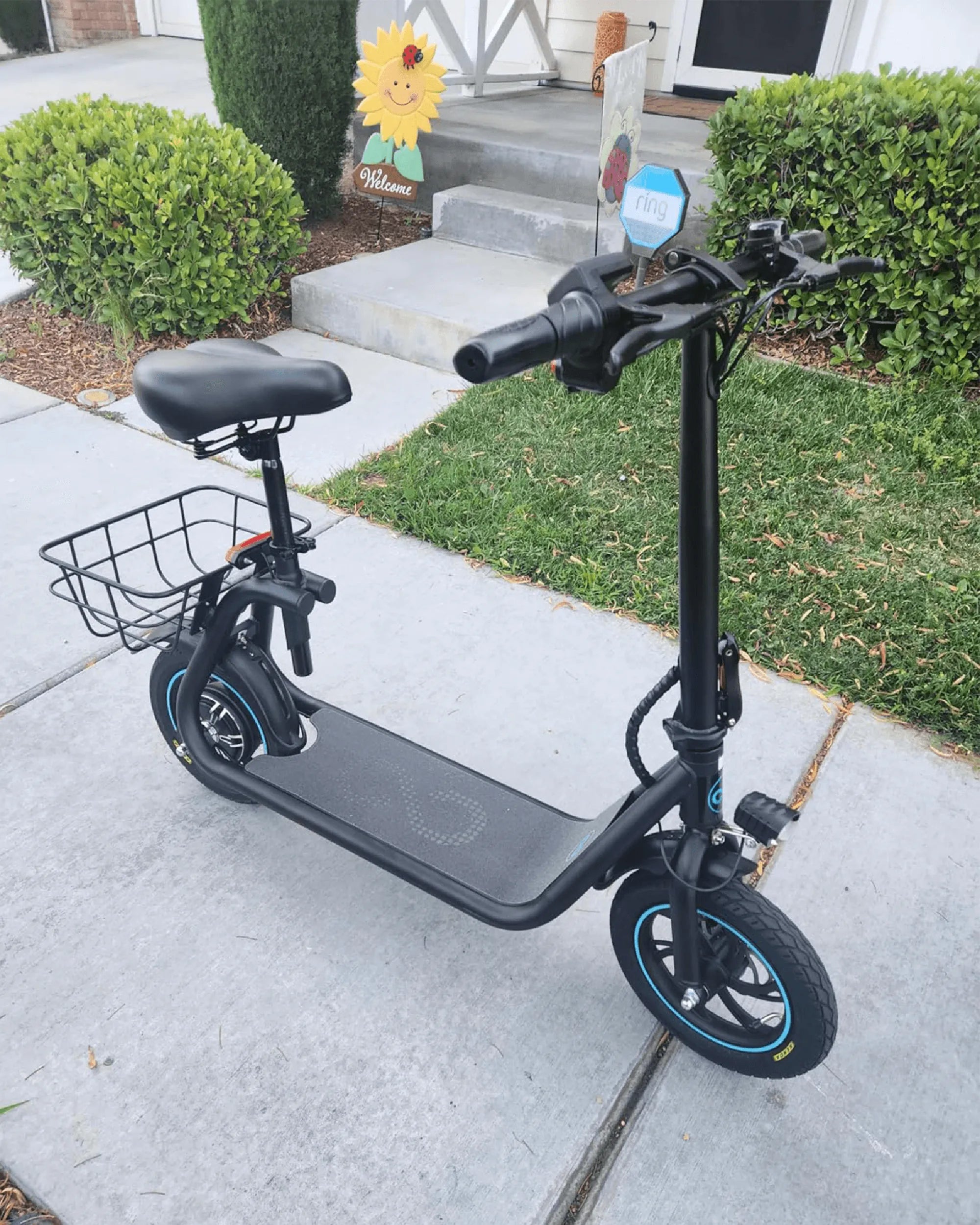
Introduction to Common Scooter Issues
Every electric scooter owner will eventually encounter operational challenges, regardless of brand or model. Understanding these common scooter problems transforms frustration into empowerment, allowing you to maintain peak performance and safety. This guide provides a data-driven, practical approach to identifying, troubleshooting, and preventing the issues most frequently reported by riders across North America and Europe.
We'll move beyond generic advice to offer specific diagnostics and solutions, referencing engineering principles and manufacturer specifications. Whether you're dealing with a flat tire, battery anxiety, or mysterious error codes, systematic knowledge is your first line of defense. Recognizing that a well-maintained scooter is a reliable one, we'll also highlight how choosing a brand built for durability, like Gyroor, with its UL-certified batteries and IPX5-rated water resistance, provides a stronger foundation from the start.
Most Frequent Mechanical & Performance Problems
Mechanical issues often present the most immediate and noticeable symptoms. They typically stem from wear, environmental exposure, or improper use. Addressing these promptly not only restores performance but also prevents minor issues from escalating into safety hazards or costly repairs.
Riders should develop a habit of listening and feeling for changes in their scooter's operation. A new vibration, an unfamiliar sound, or a change in handling characteristics are early warning signs. The following sections break down the top physical problems, starting with the most ubiquitous: tire troubles.
Flat Tires and Tire Wear
Flat tires are arguably the most common scooter issue riders face. The prevalence depends heavily on tire type: solid rubber tires eliminate flats but offer a harsher ride, while pneumatic (air-filled) tires provide superior comfort and traction but are susceptible to punctures. Industry data suggests pneumatic tire users experience a puncture every 300-500 miles on average in urban environments.
Beyond sudden flats, gradual tire wear significantly impacts handling and safety. Under-inflated tires increase rolling resistance, draining battery life faster and causing uneven wear on the tread edges. Over-inflated tires reduce traction and make the ride uncomfortably rigid. For pneumatic tires, maintaining the manufacturer's recommended PSI (often 40-50 PSI) is a critical weekly check. Brands like Gyroor design their tires with reinforced compounds and, in some models, puncture-resistant layers to enhance durability against common road debris.
Brake Squealing and Reduced Stopping Power
Effective braking is non-negotiable for safety. The two most common braking complaints are high-pitched squealing and a noticeable increase in stopping distance. For disc brake systems, squealing is frequently caused by contamination (dirt, oil, or moisture on the rotor or pads), glazed pads from overheating, or minor misalignment.
Reduced stopping power, or a "spongy" brake lever feel, can indicate worn brake pads, air in hydraulic lines (if applicable), or a need for cable tension adjustment in mechanical systems. A simple visual inspection can check pad thickness; most manufacturers recommend replacement when the material wears down to 1-1.5mm. Regular cleaning of the rotor with isopropyl alcohol can prevent noise and maintain performance. For scooters with electronic regenerative brakes, a loss of power might relate to a controller or motor sensor issue, which requires professional diagnosis.
Loose Handlebars or Wobbly Steering
A wobbly or loose steering column is a serious safety concern that must be addressed immediately. This issue commonly originates at the scooter's folding mechanism, which is a high-stress point. Over time, the locking latch or the bolts securing the stem can loosen from the constant vibrations of riding.
Another source is the headset bearings, which allow the handlebars to turn smoothly. If these become worn, contaminated, or improperly adjusted, they cause play or a notchy feeling when steering. The solution is regular maintenance: checking and tightening all stem and folding mechanism bolts with the correct torque wrench (following the manufacturer's manual) every few weeks. High-quality scooters, such as those from Gyroor, often feature patented double-locking mechanisms or reinforced stems specifically engineered to minimize this common point of failure.
Electrical and Battery-Related Concerns
Electrical issues can be more daunting than mechanical ones, as they are less visible. However, most follow logical troubleshooting paths. The electrical system—comprising the battery, controller, motor, display, and wiring—is the scooter's nervous system. Problems here often manifest as a failure to start, sudden power loss, or cryptic error messages.
Understanding the basics of this system demystifies many problems. For instance, the Battery Management System (BMS) acts as a brain for the battery pack, monitoring voltage, temperature, and current to ensure safe operation. When the BMS detects an anomaly, it may shut down power or display an error code. This protective function is a key feature of quality batteries, like the UL-certified packs used by Gyroor, which undergo testing for over 500 charge cycles.
Battery Not Charging or Rapid Drain
A scooter that won't charge or dies much faster than usual is a top rider concern. The troubleshooting sequence should start with the simplest components: the power outlet and the charger. Test the outlet with another device and check the charger's LED indicator (if present). Inspect the charging port on the scooter for debris or physical damage.
If the hardware checks out, the issue may be with the battery itself. Rapid drain can be caused by extreme temperatures (lithium batteries are less efficient in cold weather), frequent hard acceleration, riding with under-inflated tires, or a natural reduction in capacity over time. A healthy battery should retain around 80% of its original capacity after 500 full charge cycles. Proper storage—in a cool, dry place at a 50-80% charge state—is crucial for long-term battery health and preventing this common scooter complaint.
Error Codes and Display Malfunctions
Modern scooters communicate problems through error codes on the display. While codes vary by manufacturer, some are nearly universal. Common examples include communication errors (between display, controller, and throttle), motor hall sensor faults, and battery voltage anomalies.
| Hypothetical Error Code | Likely Meaning | Initial Action |
|---|---|---|
| E-02 / E-03 | Throttle or Brake Signal Error | Check throttle/brake lever return. Power cycle scooter. |
| E-04 / E-05 | Motor or Hall Sensor Fault | Check motor wire connections. May require professional service. |
| E-06 / E-08 | Battery Voltage High/Low | Allow battery to cool/warm. Check charger. Could indicate BMS issue. |
| E-10 / E-12 | Controller Communication Error | Fully power down and restart. Check controller connections. |
For any persistent error code, consulting the user manual is essential. A full system reset (often done by holding specific buttons) can clear temporary glitches. If the code returns, it typically points to a component needing inspection or replacement, which should be handled under warranty by the manufacturer's support team.
Motor Cutting Out or Loss of Power
Experiencing a sudden loss of power or a motor that cuts in and out, especially under load like climbing a hill, is alarming. The most common cause is overheating. Motors have thermal protection that temporarily reduces power or cuts out entirely to prevent damage. Allowing the motor to cool for 10-15 minutes often resolves this.
If overheating isn't the cause, check for loose phase wire connections between the motor and controller. A damaged wire or corroded connector can cause intermittent power. Finally, a failing controller or a malfunctioning throttle sensor can mimic these symptoms. High-torque motors, like the ones engineered for Gyroor's performance models, are built with better heat dissipation to handle sustained loads and reduce the frequency of this issue.
Preventive Maintenance: Your Best Defense
The most effective strategy for dealing with common scooter problems is to prevent them from occurring in the first place. A consistent, simple preventive maintenance routine can extend the lifespan of your scooter by years and ensure every ride is safe. This routine doesn't require advanced technical skill, just a few minutes of attention on a regular schedule.
Think of maintenance in three tiers: a pre-ride safety check (daily/weekly), a cleaning and basic inspection (bi-weekly/monthly), and a more thorough component check (quarterly). This layered approach catches issues early, when they are easiest and cheapest to fix. Investing this small amount of time protects your much larger investment in the scooter itself.
The Pre-Ride Safety Checklist
This 60-second visual and physical inspection should become as habitual as putting on a helmet. Start with the tires: look for obvious damage, embedded debris, and check pressure with a gauge if you have pneumatic tires. Squeeze the brake levers to ensure they engage firmly and don't touch the handlebar grip.
Test the lights (headlight, taillight, brake light) to ensure visibility. Give the folding mechanism a firm shake to confirm it's fully locked and secure. Finally, do a quick scan of the frame for any new cracks or significant damage, especially near welds and stress points. This checklist addresses the majority of immediate safety-related common scooter failures before you even start moving.
Cleaning and Storage Best Practices
Proper cleaning prevents the buildup of grime that accelerates wear on brakes, bearings, and moving parts. Use a damp cloth and mild soap to wipe down the deck, stem, and frame. For tougher dirt, a soft brush can be used. Critically, avoid spraying water directly at the scooter, especially around the display, charging port, and deck where electronics are housed.
Even with an IPX5 water-resistant rating like many Gyroor models—meaning they can withstand low-pressure water jets from any direction—it's best to be cautious. After riding in wet conditions, dry the scooter thoroughly. For storage, choose a cool, dry place away from direct sunlight. If storing for more than a month, leave the battery charged between 50% and 80% to minimize stress on the cells, a key practice for long-term battery health.
Long-Term Care and Part Lifespan
Understanding the expected lifespan of wear components helps you plan maintenance and avoid surprises. Brake pads, depending on riding style and terrain, typically last 500-1,500 miles. Pneumatic tires may need replacement every 1,000-2,000 miles due to wear or puncture accumulation.
The battery is the highest-value wear component. A quality lithium-ion pack, like those with UL certification, is designed for 500-800 full charge cycles while maintaining usable capacity. Riding 10 miles per charge, this translates to 5,000-8,000 miles of total range over the battery's life. Adhering to the 1-year comprehensive warranty offered by reputable brands ensures you have support for any premature component failures, making a common scoter issue a simple warranty claim rather than an out-of-pocket expense.
When to DIY vs. When to Call the Pros
Empowerment comes from knowing your limits. Some repairs are perfectly suited for a home toolkit, while others carry risks of personal injury, further damage to the scooter, or voiding the warranty. A clear decision matrix helps riders make the right call, balancing cost, safety, and technical complexity.
A good rule of thumb: if the repair involves basic fasteners, external cleaning, or a system reset, it's likely a DIY task. If it involves opening the battery compartment, cutting/soldering wires, or diagnosing complex controller or motor issues, professional service is the safer, more reliable choice. Manufacturers like Gyroor design their scooters with user-serviceable parts where possible while protecting critical systems.
Simple Fixes You Can Handle at Home
With a basic set of hex keys, a torque wrench (or a key with a limiter), and a tire pressure gauge, you can confidently address many common issues. Tightening loose bolts on the stem, fenders, and brake calipers is a straightforward task—just be sure not to overtighten and strip the threads. Replacing a punctured inner tube in a pneumatic tire is a bit more involved but very learnable with online tutorials.
Cleaning brake rotors and pads with isopropyl alcohol to eliminate squealing is another safe DIY job. Finally, performing a system reset by turning the scooter off and on, or using a specific button combination, is the first step in troubleshooting any electronic glitch. These actions put you in control of routine upkeep without needing specialized tools or knowledge.
Problems That Require Professional Service
Certain repairs should be left to certified technicians. Any work on the battery pack itself is the top priority. Lithium-ion batteries contain hazardous energy and require specific knowledge and equipment to service safely. Attempting to open or repair a battery voids the warranty and poses a serious fire risk.
Motor replacements, controller swaps, and diagnosis of persistent electrical faults (like recurring error codes) also fall into this category. These components are deeply integrated, and incorrect installation can cause cascading failures. Furthermore, any concern related to the structural integrity of the frame—such as a crack or a bent fork—is a critical safety issue that must be assessed by the manufacturer. Utilizing the professional service channel, especially when under a strong 1-year warranty, ensures the repair is done correctly with genuine parts, preserving your scooter's value and safety.
Frequently Asked Questions (FAQ)
Q1: How often should I charge my electric scooter battery?
A1: For daily use, it's fine to charge after each ride. For optimal long-term battery health, avoid leaving it at 100% charge for extended periods. If storing for weeks, charge to 50-80%.
Q2: My scooter makes a clicking noise from the motor when I push it but won't power on. What's wrong?
A2: This is often a sign of a phase wire connection issue between the motor and controller, or a faulty motor hall sensor. Check connections first, but this typically requires professional diagnosis.
Q3: Is it safe to ride my scooter in the rain?
A3: It depends on the scooter's IP rating. A rating of IPX5 (like many Gyroor models) means it can handle rain and wet roads. However, avoid deep puddles and always dry your scooter afterward. Never submerge any part of it.
Q4: Why has my scooter's top speed or range decreased?
A4: Gradual decrease is normal due to battery wear. A sudden drop could indicate under-inflated tires, binding brakes, a failing battery cell, or a software setting change. Check tire pressure and brake drag first.
Q5: Can I upgrade my scooter's battery for more range?
A5: This is strongly discouraged unless the manufacturer offers an official upgrade kit. Swapping in a non-standard battery can overload the controller, void the warranty, and create serious safety hazards due to incompatible Battery Management Systems (BMS).
Comparison of Common Scooter Problem Responses
| Problem | Typical DIY Response | Professional Service Required For | Preventive Measure |
|---|---|---|---|
| Flat Tire (Pneumatic) | Replace inner tube or use sealant. | Damaged rim or tire bead; recurring flats. | Maintain correct PSI; avoid debris. |
| Brake Squeal | Clean rotor/pads with alcohol; check pad wear. | Replacing hydraulic fluid; caliper rebuild. | Regular cleaning; avoid contaminating rotors. |
| Loose Handlebars | Tighten stem/folding mechanism bolts to spec. | Worn headset bearings; cracked stem. | Weekly bolt check; proper folding/unfolding. |
| Battery Not Charging | Check outlet, charger, and charging port for debris. | Battery pack diagnosis/replacement; BMS repair. | Proper storage; use only official charger. |
| Motor Cutting Out | Allow motor to cool; check for loose wires. | Motor replacement; controller diagnosis. | Avoid sustained max load on steep hills. |
Ride with Confidence, Maintain with Ease
Navigating the world of common scooter issues is a fundamental part of electric scooter ownership. This guide has equipped you with the knowledge to diagnose problems methodically, perform essential maintenance, and understand when expert help is the wisest course of action. Remember, the frequency and severity of these issues are heavily influenced by your scooter's initial quality and your commitment to routine care.
Choosing a scooter engineered with durability in mind—featuring UL-certified batteries for safety, robust IPX5 water-resistant construction, and a reliable 1-year warranty—dramatically reduces your encounters with frustrating breakdowns. Brands that prioritize these features, like Gyroor, trusted by over 100,000 riders, build a foundation of reliability that lets you focus on the ride, not the repairs.
Ready to experience electric mobility with greater peace of mind? Explore a range built to minimize common problems and maximize riding joy. Browse the full Gyroor collection, featuring UL-certified batteries, IPX5 water-resistant designs, and comprehensive support, at gyroorboard.com.
Best 3 Wheel Scooter for 10 Year Old: Ultimate 2024 Safety & Buying Guide
Folding Portable Scooter: The Ultimate Guide to Modern Last-Mile Mobility