



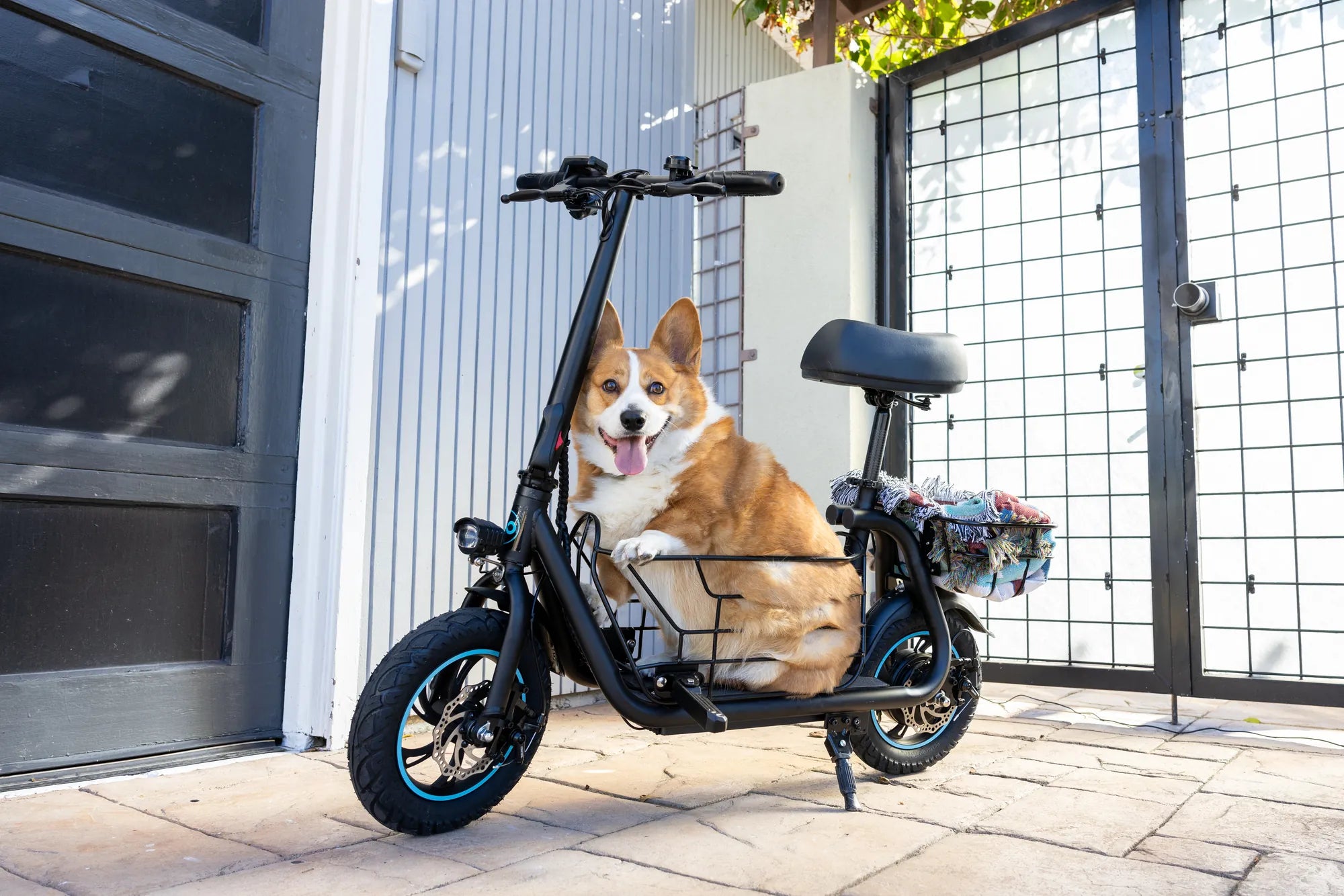
Your Ultimate Guide to Finding the Perfect Commuter Bike for Sale
Navigating the search for a commuter bike for sale can feel overwhelming. The market is flooded with options, from sleek urban fixies to rugged electric models. This guide cuts through the noise. You will learn how to match a bike to your specific route and lifestyle, identify the non-negotiable features for daily use, and understand where to find quality and value. We focus on practical, data-driven advice to transform your commute from a chore into the best part of your day.
Defining Your Commuter Bike Needs: The Pre-Purchase Checklist
Before you click 'add to cart,' you must define your personal commuting parameters. This self-assessment is the most critical step in finding the right commuter bike for sale. A bike perfect for a flat, three-mile city dash is ill-suited for a ten-mile hilly trek. Start by mapping your actual route, not just the distance.
Consider your total daily distance, including any errands. Terrain is a major factor; significant hills demand gears or electric assist. Evaluate your cargo needs: do you carry a laptop, change of clothes, or groceries? This dictates the necessity for a rack or panniers. Finally, assess your storage situation at home and work. Secure, indoor storage allows for lighter materials, while outdoor exposure requires superior rust resistance and a robust lock strategy.
Key Features to Look for in a Modern Commuter Bike
A true commuter bike is a tool, not just a toy. It must blend durability, comfort, and practicality. When evaluating any commuter bike for sale, use this checklist to separate marketing fluff from genuine utility. The right components will save you time, money, and frustration over thousands of miles.
Frame & Build: Durability Meets Practicality
The frame is the bike's backbone. For commuting, lightweight aluminum is the standard for its excellent balance of strength, weight, and corrosion resistance. Look for a geometry that promotes an upright riding position for better visibility and comfort. Step-through or low-step frames are invaluable for quick mounts and dismounts in traffic or with bags.
Integrated mounting points for fenders and a rear rack are essential. These should be braze-ons, not cheap clamp-on solutions that can slip or damage the frame. A well-designed commuter frame anticipates the need to carry your life with you, rain or shine.
The Power System: Motor, Battery, and Range
For electric commuter bikes, the power system is the heart of the investment. Safety is paramount; insist on a UL-certified battery pack like those used by Gyroor. These undergo rigorous testing for stability and longevity, often rated for 500+ charge cycles. A hub motor in the rear wheel provides smooth, quiet assistance ideal for urban flats and moderate hills.
Manufacturer range estimates are best-case scenarios. Real-world range depends on rider weight, assist level, terrain, and temperature. For a reliable daily commute, choose a bike whose rated range is at least 50% greater than your round-trip distance. This ensures you won't be left pedaling a heavy bike home with a dead battery.
Practical Commuter Components
Component choice separates a fair-weather bike from a true daily driver. Puncture-resistant tires with a smooth center tread are crucial for reducing flats. Built-in, always-on front and rear lights powered by the main battery (or a dynamo hub) are a major safety and convenience win.
Full-length fenders keep you and the bike clean. A comfortable, supportive saddle designed for upright riding is a must. Finally, an IPX water-resistance rating, such as IPX5, indicates the bike can handle rain and road spray, ensuring electronic components remain protected during your commute.
Why an E-Bike Might Be Your Best Commuter Investment
The data makes a compelling case for electric commuter bikes. They flatten hills, neutralize headwinds, and dramatically reduce sweat and exertion. This makes them practical for a wider range of distances and fitness levels. An e-bike turns a 10-mile commute from a daunting workout into a pleasant, consistent 30-minute journey.
This consistency is key. By removing the 'hard day' excuse, e-bikes increase commute frequency, replacing car trips more effectively. They also expand your effective range, opening up more housing or job opportunities. When you analyze cost per mile, including savings on fuel, parking, and public transit, a quality e-bike often pays for itself within a year or two of dedicated use.
Navigating the Market: Where to Find Quality Commuter Bikes for Sale
Your purchasing channel impacts price, service, and long-term satisfaction. Each option has distinct advantages tailored to different buyer priorities. Understanding these trade-offs is essential before you commit to a specific commuter bike for sale.
Direct-to-Consumer Brands (Like Gyroor)
Direct-to-consumer (DTC) brands offer exceptional value by cutting out the retail middleman. You typically get higher-spec components and modern designs built for commuters at a more accessible price point. Brands like Gyroor provide direct warranty support and often include comprehensive 1-year warranties.
The trade-off is the lack of immediate local service. Bikes arrive 90% assembled, requiring final setup. However, this process is straightforward, and many brands offer detailed video guides and responsive customer support. For the savvy buyer, DTC offers the best blend of performance, price, and purpose-built design.
Local Bike Shops (LBS)
The local bike shop provides invaluable expertise and service. You get professional assembly, a proper bike fit, and the chance to test ride multiple models. Building a relationship with an LBS guarantees access to tune-ups, repairs, and advice. This support network is priceless for new commuters.
The cost is usually higher, as prices include overhead and service. The selection may also be limited to a few traditional brands. For those who prioritize convenience, service, and hands-on buying, an LBS is the ideal choice.
Big-Box Retailers & Online Marketplaces
Big-box stores and general online marketplaces offer tempting low prices. Extreme caution is advised. Assembly quality is highly variable, often performed by staff without specific bike training. Component brands are frequently lesser-known, and frames may be heavier and less refined.
Warranty claims can be challenging, routed through third parties. If you pursue this route, budget immediately for a professional safety check and tune-up at a local bike shop. This channel can work for very casual use but is a risky proposition for a dependable daily commuter bike for sale.
The Gyroor Commuter Advantage: Engineered for the Daily Grind
In the crowded market for a commuter bike for sale, Gyroor stands out by engineering specifically for reliability and rider peace of mind. Trusted by over 100,000 riders, the brand's philosophy centers on safe, durable, and practical transportation. This is evident in three core pillars that directly address commuter pain points.
First, every Gyroor e-bike uses a UL-certified battery pack. This isn't just a feature; it's a fundamental safety standard that mitigates risk for a device stored at home and work. Second, an IPX5 water-resistant design means a sudden downpour or wet roads won't end your ride or damage electronics. Finally, a straightforward 1-year comprehensive warranty, backed by US-based support, protects your investment and underscores the brand's confidence in its products.
Making the Final Decision: Test Rides, Reviews, and Warranty
With your needs defined and options narrowed, take these final steps. If possible, seek a test ride. Many local bike shops host demo days, and some DTC brands have pop-up events or partner with local retailers for test rides. Nothing compares to feeling the bike's fit and response.
Scour in-depth, long-term user reviews. Look for patterns in feedback about real-world range, component durability, and customer service experiences. Spec sheets tell one story; owner experiences after 500 miles tell another. Finally, read the warranty document. A strong, clear warranty from a reputable brand is your best insurance policy. It should cover the frame, motor, and battery for a significant period, reflecting the manufacturer's commitment to quality.
Frequently Asked Questions (FAQ)
Q: How much should I spend on a good commuter bike?
A> A reliable traditional commuter bike starts around $600-$800. For a quality electric commuter bike for sale with reputable components and a UL-certified battery, expect to invest $1,200 to $2,000. This investment pays dividends in durability, safety, and daily enjoyment.
Q: Can I use a commuter bike for weekend fitness rides?
A> Absolutely. A commuter bike with multiple gears is perfectly capable for recreational rides. While it may be slightly heavier than a dedicated road bike, its comfortable geometry and sturdy build make it versatile for mixed-use.
Q: How do I secure my commuter bike from theft?
A> Use a high-quality U-lock or heavy-duty folding lock (rated Sold Secure Gold or Diamond) to secure the frame and rear wheel to a fixed object. A secondary cable for the front wheel adds security. Always lock in well-lit, high-traffic areas, and remove any easily detachable accessories like lights or bags.
Q: What maintenance does a commuter bike need?
A> Regular maintenance includes monthly chain cleaning and lubrication, checking tire pressure weekly, and ensuring brakes are responsive. A professional tune-up every 6-12 months (or every 500-1,000 miles) is recommended to adjust gears, true wheels, and inspect bearings and wear items.
Q: Are electric commuter bikes difficult to pedal if the battery dies?
A> Most modern e-bikes, including Gyroor models, have pedal-assisted systems. If the battery depletes, you can still pedal, but you'll feel the added weight of the motor and battery. It will be more strenuous, akin to pedaling a heavier traditional bike, so it's best to keep the battery charged.
Commuter Bike Type Comparison
| Bike Type | Best For | Key Advantages | Considerations |
|---|---|---|---|
| Traditional Hybrid | Flat to rolling terrain, short-medium distances (3-10 mi), budget-focused riders. | Lightweight, low maintenance, inexpensive to own and operate. | Requires more rider effort, especially on hills. Sweat can be an issue. |
| Electric Hybrid (E-Bike) | Hilly terrain, longer distances (5-20+ mi), riders seeking consistency & reduced effort. | Flattens hills, reduces sweat, extends range, makes commuting enjoyable and consistent. | Higher upfront cost, requires battery charging and management. |
| Folding Bike | Multi-modal commuters (bus/train), minimal storage space at home/work. | Extremely portable, can be stored under a desk or in a closet. | Smaller wheels can feel less stable, often has a weight limit, may have fewer gears. |
| Gravel/Adventure Bike | Mixed-surface commutes (paved paths, gravel, light trails), versatile riders. | Very stable, wide tire clearance for comfort, rugged and capable on rough roads. | Can be slower on pure pavement due to tire rolling resistance. Often more expensive. |
Your Smarter, Greener Commute Awaits
The journey to find the right commuter bike for sale is an investment in your time, health, and wallet. By defining your needs, prioritizing durable and practical features, and choosing a reputable brand that stands behind its product, you secure more than just transportation. You gain freedom from traffic, a boost to your physical and mental well-being, and a tangible way to reduce your environmental footprint. The perfect commuter bike transforms your daily journey from a cost into a benefit. Ready to explore models built for reliability and designed for the real world? Browse the full Gyroor collection, featuring UL-certified, water-resistant e-bikes backed by a strong warranty, at gyroorboard.com.
1000 Dollar Scooter: The Ultimate Commuter Investment Guide
What Is the Top Speed of a 125cc Dirt Bike? A Complete Guide