

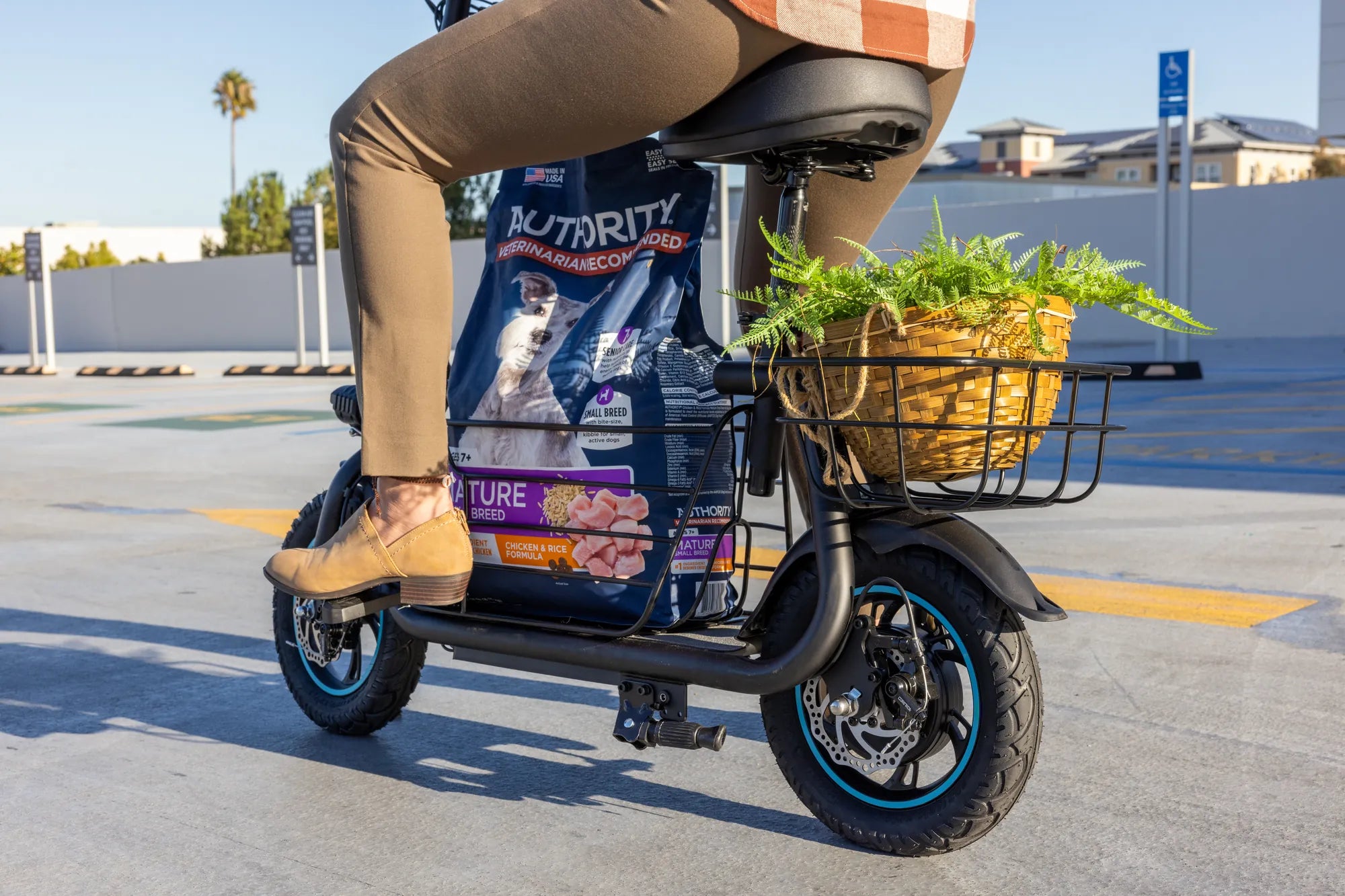
Electric bikes have revolutionized urban commuting, offering an eco-friendly and cost-effective alternative to traditional transportation. But how much does it really cost to charge an electric bike? Whether you're a daily commuter or a weekend adventurer, understanding the expenses involved can help you make informed decisions and maximize your savings. Let's dive into the details.
Understanding the Basics of Electric Bike Charging
Charging an electric bike is surprisingly affordable compared to fueling a car or even using public transport. The cost primarily depends on the battery capacity, local electricity rates, and charging frequency. Most e-bikes use lithium-ion batteries, which are efficient and long-lasting, but their charging costs can vary.
Battery Capacity and Energy Consumption
The battery capacity of an electric bike is measured in watt-hours (Wh). A typical e-bike battery ranges from 300Wh to 700Wh, with high-performance models reaching up to 1,000Wh. To calculate the cost to charge, you'll need to know your local electricity rate, usually measured in kilowatt-hours (kWh).
For example, if your e-bike has a 500Wh battery and your electricity costs $0.15 per kWh, a full charge would cost:
(500Wh / 1000) * $0.15 = $0.075 per chargeThat's less than a dime for a full charge!
Factors Influencing the Cost to Charge an Electric Bike
While the above calculation provides a baseline, several factors can influence the actual cost:
- Local Electricity Rates: Rates vary by region, time of day, and even the provider. Some areas offer discounted rates during off-peak hours.
- Battery Age and Efficiency: Older batteries may lose efficiency, requiring more energy to reach a full charge.
- Charging Habits: Frequent partial charges or overcharging can slightly increase costs over time.
- Charger Efficiency: Higher-quality chargers may convert electricity more efficiently, reducing waste.
Comparing Costs to Other Transportation Methods
To put the cost to charge an electric bike into perspective, let's compare it to other common transportation options:
| Transportation Method | Cost per Mile |
|---|---|
| Electric Bike | $0.004 - $0.008 |
| Gasoline Car | $0.10 - $0.20 |
| Public Transport | $0.15 - $0.30 |
As you can see, e-bikes are a fraction of the cost, making them an unbeatable choice for budget-conscious commuters.
Tips to Reduce Your Electric Bike Charging Costs
Want to save even more? Here are some practical tips to minimize your charging expenses:
- Charge During Off-Peak Hours: Many utility companies offer lower rates at night or early morning.
- Maintain Your Battery: Store it in a cool, dry place and avoid extreme temperatures to prolong its lifespan.
- Use a Smart Charger: These devices optimize charging cycles to reduce energy waste.
- Ride Efficiently: Pedal assist modes and smooth acceleration can extend your battery range.
Solar Charging: A Sustainable Alternative
For the eco-conscious rider, solar charging is an innovative way to power your e-bike. Portable solar panels or home solar systems can offset your electricity costs entirely. While the initial investment is higher, the long-term savings and environmental benefits are substantial.
The Environmental Impact of Charging an Electric Bike
Beyond cost savings, charging an e-bike has a minimal environmental footprint. Unlike gasoline vehicles, e-bikes produce zero emissions during operation. Even when accounting for electricity generation, their carbon footprint is significantly lower. By choosing an e-bike, you're contributing to cleaner air and a healthier planet.
Ready to embrace the electric bike revolution? With charging costs as low as a few cents per ride, there's never been a better time to switch. Say goodbye to expensive fuel and hello to a greener, more affordable way to get around.
How to Reset Electric Bike Display: A Step-by-Step Guide
How to Reset Electric Bike Display: A Step-by-Step Guide