



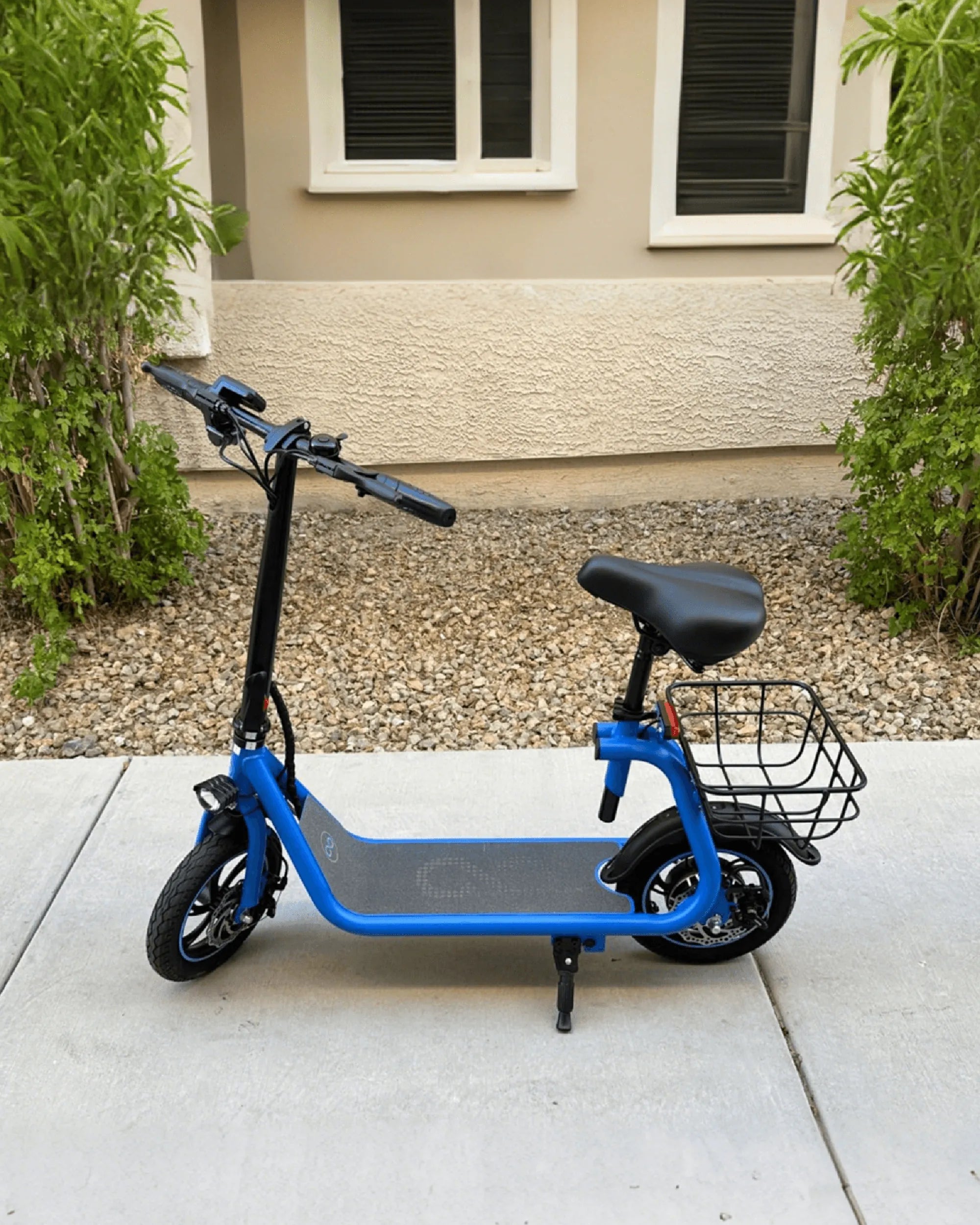
Choosing between an electric and gas scooter can be a tough decision, especially with the growing popularity of eco-friendly transportation. Both options have their pros and cons, and understanding the difference between electric and gas scooters is crucial before making a purchase. Whether you're a daily commuter or a weekend rider, this guide will help you weigh the factors that matter most.
Performance and Speed
When it comes to performance, gas scooters have long been the go-to choice for riders who prioritize speed and power. Gas-powered models typically offer higher top speeds and quicker acceleration, making them ideal for highway commuting or longer distances. However, electric scooters are rapidly catching up, with newer models delivering impressive torque and smooth acceleration, especially in urban settings where stop-and-go traffic is common.
Cost and Fuel Efficiency
One of the biggest differences between electric and gas scooters is their operating cost. Electric scooters are significantly cheaper to run since they rely on electricity, which is far less expensive than gasoline. Charging an electric scooter costs just a fraction of filling up a gas tank, and maintenance expenses are also lower due to fewer moving parts. On the other hand, gas scooters may have a lower upfront cost but can become more expensive over time due to fuel and frequent maintenance.
Environmental Impact
If sustainability is a priority, electric scooters are the clear winner. They produce zero emissions, reducing your carbon footprint and contributing to cleaner air. Gas scooters, while more efficient than cars, still emit greenhouse gases and contribute to pollution. For eco-conscious riders, the difference between electric and gas scooters in terms of environmental impact is a major deciding factor.
Maintenance and Reliability
Gas scooters require regular maintenance, including oil changes, spark plug replacements, and exhaust system checks. Electric scooters, by contrast, have fewer mechanical components, meaning less wear and tear and lower maintenance needs. However, battery life is a consideration—electric scooter batteries degrade over time and may need replacement after a few years, which can be costly.
Range and Charging vs. Refueling
Gas scooters generally offer a longer range on a full tank, making them better suited for long-distance travel. Electric scooters, while improving, still lag behind in range, and charging times can be a drawback if you don't have easy access to charging stations. However, for short commutes, the convenience of plugging in at home often outweighs the need for frequent gas stops.
Noise and Ride Comfort
Electric scooters are nearly silent, providing a peaceful ride without the rumble of a gas engine. This makes them ideal for residential areas or early-morning commutes. Gas scooters, while louder, often provide a more traditional riding experience with vibration and engine feedback that some riders prefer.
Ultimately, the difference between electric and gas scooters comes down to your lifestyle, budget, and priorities. Whether you value speed and range or sustainability and low maintenance, there's a scooter out there that fits your needs. Ready to make the switch? The perfect ride is just a decision away.
Age Limit to Drive Electric Scooter in India: What You Need to Know
Top 5 Long Range Electric Scooter in India: Best Picks for 2024