



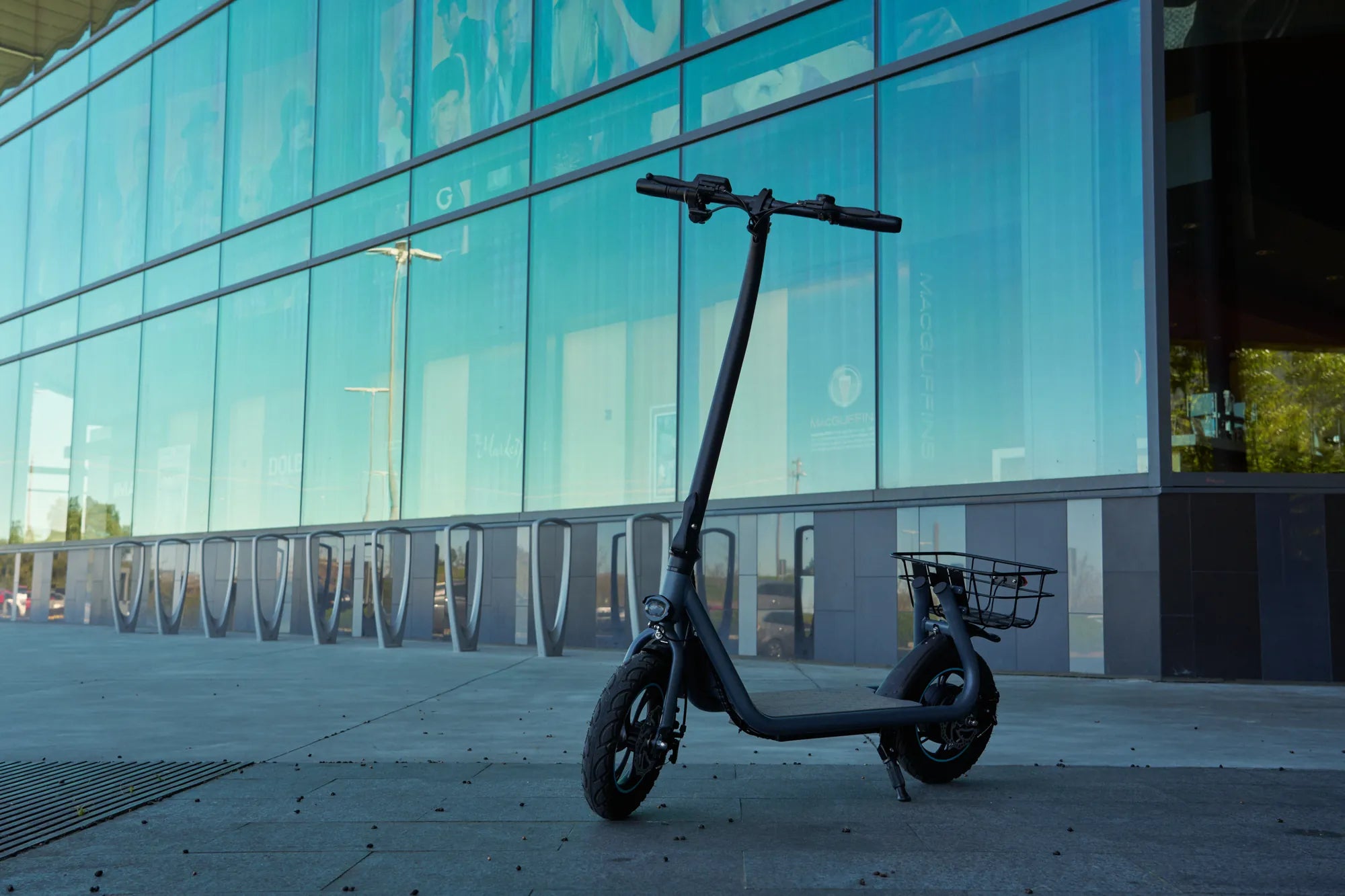
Choosing Your Off-Pavement Powerhouse
The debate between a traditional dirt bike and a modern electric bike (e-bike) for trail riding is more relevant than ever. It's a fundamental choice between the raw, visceral power of internal combustion and the quiet, accessible torque of electric mobility. This isn't just about specs; it's about matching a machine to your lifestyle, local trails, and riding philosophy. Whether you seek the pure adrenaline of motocross or the versatile exploration of backcountry paths, understanding the core differences between a dirt bike vs ebike is crucial. This guide provides a data-driven, practical comparison to inform your decision.
Defining the Contenders: Core Mechanics and Design
At their heart, these are fundamentally different machines built for overlapping terrain. A dirt bike is a lightweight motorcycle engineered exclusively for off-pavement use. An off-road e-bike is a robust bicycle augmented with an electric motor and battery, designed to tackle trails with pedal-assist power.
The Dirt Bike: Pure Combustion Power
A dirt bike's identity is its high-revving internal combustion engine, typically two-stroke or four-stroke. Power is delivered through a manual clutch and multi-gear transmission, requiring active rider input to manage the power band. The frame is minimalist and lightweight, often using high-grade steel or aluminum, with long-travel suspension to absorb massive impacts. This design prioritizes explosive power-to-weight ratios and agility for jumps and aggressive riding. The experience is defined by the sound, smell, and tactile feedback of a gasoline engine.
The E-Bike: Electric Torque and Versatility
An off-road e-bike centers on a hub-drive or mid-drive electric motor powered by a removable lithium-ion battery pack. The rider controls assistance levels via a handlebar display, with many models offering a throttle for power-on-demand. Crucially, it retains full bicycle functionality—you can always pedal. Frames are heavier-duty versions of mountain bike designs, with reinforced components to handle the added motor torque and battery weight. The core experience is defined by near-silent, instantaneous torque from a standstill and the flexibility to ride as a bicycle where motors are prohibited.
Performance Face-Off: Where Each Machine Excels
Performance extends beyond top speed. It encompasses how power is delivered, how long you can ride, and how the machine handles the terrain beneath you.
Power Delivery and Riding Experience
The dirt bike vs ebike power delivery contrast is stark. A dirt bike's power is RPM-dependent; you must clutch and shift to keep the engine in its optimal power band, especially for hill climbs. This offers a thrilling, high-skill challenge. An e-bike delivers maximum torque instantly from 0 RPM. This makes technical climbs and root-strewn sections more manageable, as the motor provides consistent, controllable power without stalling. The riding experience shifts from managing an engine to managing traction.
Range, Refueling, and Ride Duration
This is a major practical divide. A dirt bike with a 2-gallon tank can often ride for 80-100 miles off-road and refuel in minutes at a gas station. An e-bike's range is highly variable: 20 to 60 miles on a charge, depending on assist level, terrain, rider weight, and battery capacity. Recharging takes 3 to 6 hours. For a full day of aggressive riding, the dirt bike wins on logistics. For shorter, focused trail loops or mixed commuting, the e-bike's overnight charge is sufficient.
Weight, Handling, and Terrain Agility
Weight distribution dictates handling. A 250cc dirt bike may weigh around 220 lbs, offering incredible flickability for jumps and sharp turns. An off-road e-bike typically weighs 50-70 lbs, with weight concentrated low and center (battery and motor). This creates a planted, stable feel that excels in rough, chattery terrain and downhill sections but requires more effort to maneuver in the air or through very tight, slow switchbacks. The lighter dirt bike is better for airborne agility; the e-bike offers superior low-speed stability.
Practical Considerations: Cost, Access, and Upkeep
The long-term ownership experience and where you can legally ride are often the deciding factors in the dirt bike vs ebike debate.
Initial Investment and Ongoing Costs
Entry-level adult dirt bikes start around $4,000-$6,000 for reputable brands, with high-performance models reaching $10,000+. A quality off-road e-bike starts at $1,500-$2,000, with high-spec models from brands like Gyroor ranging from $2,500 to $5,000. Ongoing costs diverge sharply. Dirt bikes require premium gasoline, 2-stroke/4-stroke oil, frequent air filter service, and spark plug changes. E-bikes run on electricity, costing pennies per charge. Over a year, the e-bike's "fuel" and maintenance costs are a fraction of a dirt bike's.
Maintenance and Mechanical Complexity
Dirt bikes demand regular, hands-on maintenance: oil changes every 15-20 hours, valve clearance checks, chain adjustment/lubrication, and carburetor or fuel injection care. It's a hobby in itself. E-bike maintenance aligns with a robust mountain bike: brake pad replacement, chain cleaning, tire changes, and suspension service. The motor and battery require minimal upkeep beyond keeping connections clean and dry. The e-bike's simplicity lowers the barrier to consistent, ready-to-ride reliability.
Legal Access and Trail Etiquette
This is the most critical differentiator. Dirt bikes are generally restricted to designated Off-Highway Vehicle (OHV) areas, motocross tracks, or private land. Their noise and emissions often exclude them from multi-use non-motorized trails. E-bikes, particularly Class 1 (pedal-assist only, no throttle, up to 20 mph), are being adopted on many traditional mountain bike trails across the US and Europe. They allow riders to access vast networks of scenic singletrack quietly and without emissions, blending the benefits of a bicycle with enhanced capability. Always check local regulations.
The Gyroor Advantage: E-Biking Built for Adventure
The rise of capable off-road e-bikes is driven by brands engineering for real-world durability. Gyroor, a leader trusted by over 100,000 riders, exemplifies this by building e-mobility solutions that bridge the gap between bicycle accessibility and motorcycle-grade reliability for adventure seekers.
Engineering for the Elements: IPX5 and UL-Certified Confidence
Off-road means mud, puddles, and dust. Gyroor designs its off-road capable models with IPX5 water resistance, protecting critical electrical components from water spray from any direction. More critically, every Gyroor uses UL-certified battery packs. This third-party safety standard ensures the battery's cells, circuitry, and housing are tested for over 500 charge cycles, thermal stability, and short-circuit protection, providing essential peace of mind when you're miles from the trailhead.
Warranty and Support: Riding with Assurance
Adopting new technology for demanding use requires trust. Gyroor backs its products with a comprehensive 1-year warranty and accessible customer support. This commitment reduces the perceived risk of e-bike ownership, ensuring riders have assistance for the rare technical issue. It reflects a brand philosophy centered on reliable, long-term enjoyment rather than just a one-time sale.
Side-by-Side Comparison Table
| Feature | Dirt Bike | Off-Road E-Bike |
|---|---|---|
| Power Source | Gasoline (Internal Combustion) | Electric Battery & Motor |
| Primary Noise | Loud (80-100 dB) | Quiet (near-silent motor hum) |
| Peak Power Output | Very High (25-60+ HP) | Moderate (250-750W nominal, ~1-1.5 HP peak) |
| Torque Delivery | RPM-Dependent (Requires Clutch/Shifting) | Instantaneous from 0 RPM |
| Typical Weight | 200-250 lbs | 50-70 lbs |
| Refuel / Recharge | 5-minute gas station stop | 3-6 hour charge (110V/220V) |
| Operating Cost per Mile | High (Gas, Oil, Frequent Parts) | Very Low (Electricity, Infrequent Parts) |
| Required Maintenance | Frequent, Complex (Engine, Transmission) | Infrequent, Simple (Bicycle Components) |
| Legal Trail Access | Designated OHV/Motorized Areas Only | Often Allowed on Non-Motorized MTB Trails (Class 1) |
| Learning Curve | Steep (Clutch, Shifting, Power Control) | Gentle (Intuitive Pedal-Assist, No Gears Required) |
Matching the Machine to Your Mission
The choice in the dirt bike vs ebike debate isn't about which is objectively better, but which is better for you. Choose a dirt bike if your mission is pure motorized sport: you have access to OHV parks or tracks, you enjoy the mechanical involvement and sound of a high-performance engine, and you prioritize maximum power and airborne agility for motocross or hard enduro. Choose an off-road e-bike if your mission is versatile exploration: you want to legally access a wider network of mountain bike trails, you value low-cost, low-maintenance operation, you prefer a quiet, eco-conscious ride, or you want a machine that can also serve as a practical commuter. The modern e-bike, as exemplified by brands like Gyroor, offers a compelling blend of adventure capability and everyday practicality that is redefining off-road recreation.
FAQ: Dirt Bike vs. E-Bike
1. Can an e-bike really handle serious off-roading like a dirt bike?
Yes, modern off-road e-bikes with full suspension, hydraulic disc brakes, and robust frames are highly capable on challenging singletrack, steep climbs, and rocky descents. They excel in technical, traction-limited situations due to instant torque. However, for extreme motocross jumps, high-speed desert racing, or situations requiring sustained speeds over 30 mph, a purpose-built dirt bike remains the superior tool.
2. Which is faster, a dirt bike or an e-bike?
In top speed, a dirt bike is vastly faster, often capable of 50-70+ mph. However, on technical, twisty trail sections or steep climbs, a capable e-bike's instant torque can allow it to maintain a competitive average speed, often matching or exceeding a dirt bike rider's pace through challenging terrain, despite its 20 or 28 mph assist limit.
3. Are e-bikes allowed on motocross tracks?
Typically, no. Motocross tracks are designed and insured for licensed, purpose-built motor vehicles (dirt bikes). The weight, tire design, and suspension of an e-bike are not suited for MX jumps and landings. Some tracks may host special electric vehicle or e-moto days, but general access for consumer e-bikes is very rare.
4. How does the cost of charging an e-bike compare to gassing up a dirt bike?
The difference is dramatic. A full charge for a standard e-bike battery (e.g., 48V 15Ah) costs about $0.15 to $0.30 in electricity. Filling a 2-gallon dirt bike tank with premium gas costs $10-$15. Per mile, the e-bike is roughly 1/50th the fuel cost, a significant long-term savings.
5. Is the learning curve steeper for a dirt bike or an e-bike?
The dirt bike has a significantly steeper learning curve. It requires mastering manual clutch control, gear shifting, throttle modulation, and managing a powerful engine's power band. An e-bike is intuitive: pedal to go, with assist levels controlling the effort. Its stable, bicycle-like handling makes it accessible to almost anyone who can ride a bike, lowering the barrier to off-road adventure.
Ready to explore the trails with electric versatility? Discover the range of durable, high-performance e-bikes engineered for adventure from a brand trusted by over 100,000 riders. Browse the full Gyroor collection at gyroorboard.com to find your perfect off-road companion.
Mini Dirt Bike Price: A 2024 Buyer's Guide to Cost & Value
Electric Tricycle Adults 7 Speed 3 Wheel Review: The Ultimate Stability & Utility Guide