



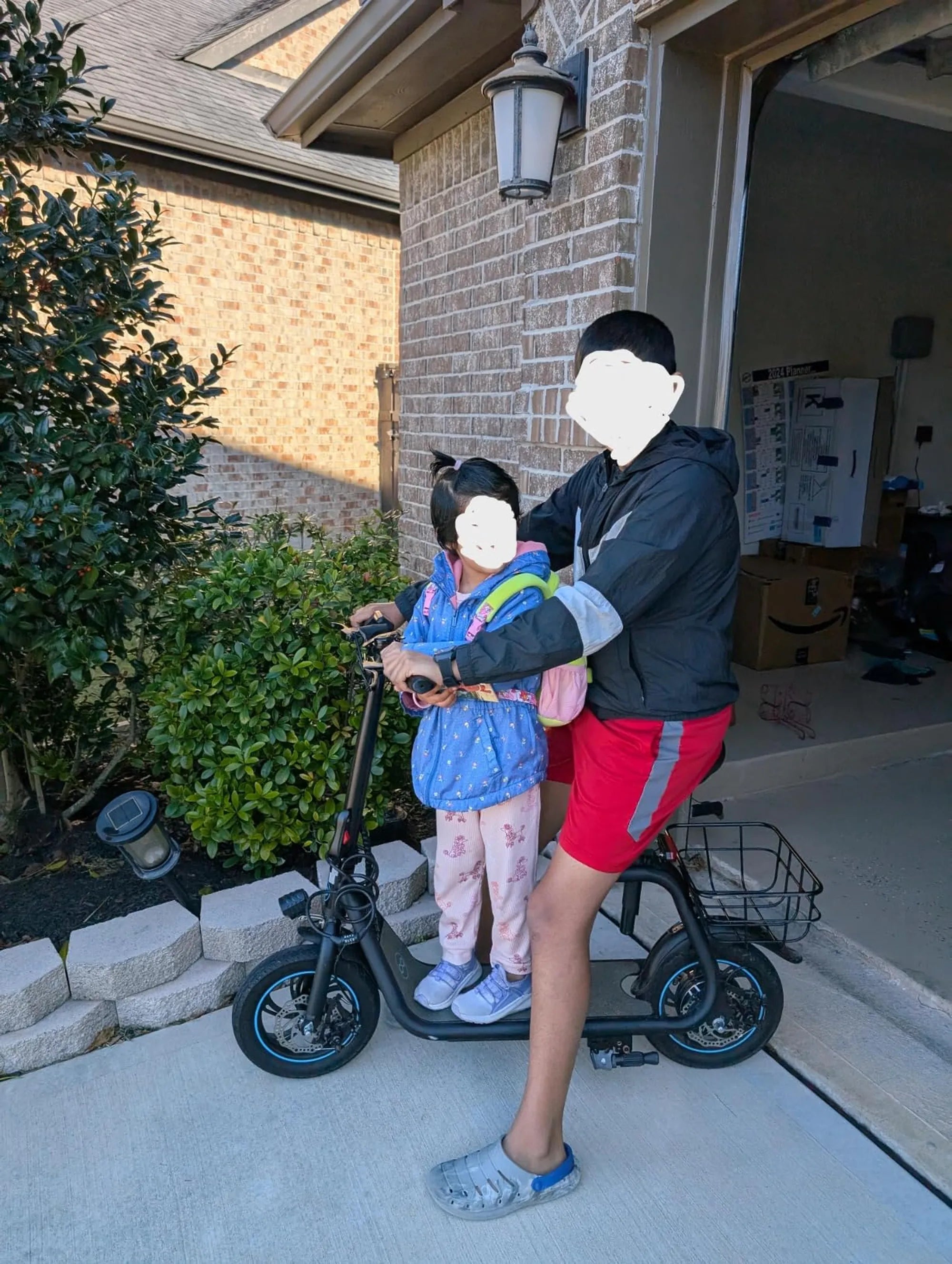
Electric scooters have become a popular mode of transportation in cities worldwide, offering a quick and eco-friendly way to navigate urban streets. But with their rise in popularity comes an important question: do electric scooters have to stop at red lights? The answer isn’t always straightforward, as laws vary by location—and ignoring the rules could lead to fines or even accidents. Let’s break down what you need to know.
Understanding Electric Scooter Traffic Laws
Electric scooters fall into a unique category of personal transportation devices, and their legal classification can differ depending on where you ride. In many places, they are treated similarly to bicycles, meaning they must follow the same traffic signals as cars and motorcycles. This includes stopping at red lights, yielding to pedestrians, and obeying stop signs.
However, some cities have specific regulations for e-scooters, especially in areas where they share bike lanes or sidewalks. For example:
- Strict Enforcement: In some jurisdictions, police actively ticket scooter riders who run red lights, treating violations the same as if a car had blown through an intersection.
- Partial Compliance: Other cities allow scooters to treat stop signs as yield signs and red lights as stop signs when no cross traffic is present.
- Local Ordinances: Certain areas ban e-scooters from roads entirely, restricting them to bike paths or sidewalks—where different rules may apply.
Why Stopping at Red Lights Matters
Even if local laws are lenient, stopping at red lights is crucial for safety. Electric scooters can reach speeds of 15-20 mph (or more), making collisions with cars or pedestrians potentially deadly. Studies show that many e-scooter accidents occur at intersections, often due to riders ignoring traffic signals.
Here’s why compliance matters:
- Preventing Accidents: A sudden collision with a turning vehicle can cause serious injuries.
- Legal Consequences: Running a red light could result in fines, points on your driver’s license (if applicable), or even impoundment of the scooter.
- Public Perception: Reckless riding contributes to negative views of e-scooters, leading to stricter regulations or bans.
How to Ride Safely at Intersections
To stay safe and avoid legal trouble, follow these best practices when approaching a red light:
- Slow Down Early: Reduce speed as you approach the intersection to prepare for a full stop.
- Check for Traffic: Even if the light is green, look for turning vehicles or pedestrians.
- Use Hand Signals: Indicate turns or stops to alert drivers and other riders.
- Stay Visible: Wear bright clothing and use lights at night to ensure you’re seen.
What Happens If You Break the Rules?
Penalties for running a red light on an electric scooter depend on local laws. In some areas, you may receive a standard traffic ticket, while others impose scooter-specific fines. Repeat offenders could face higher penalties or even have their riding privileges revoked.
In the worst-case scenario, causing an accident by ignoring traffic signals could lead to liability for damages or injuries—making it essential to ride responsibly.
The Future of E-Scooter Regulations
As cities adapt to the growing presence of electric scooters, laws are evolving. Some places are testing smart traffic signals that detect scooters, while others are implementing geofencing to automatically slow scooters in high-risk areas. Staying informed about local updates ensures you ride legally and safely.
Electric scooters offer freedom and fun, but they also come with responsibilities. Whether you’re a daily commuter or a weekend rider, knowing the rules—and stopping at red lights—keeps everyone safer on the road.
What Does E 10 Mean on Electric Scooter: A Complete Guide
E Scooter San Diego: The Ultimate Guide to Riding Safely and Efficiently