

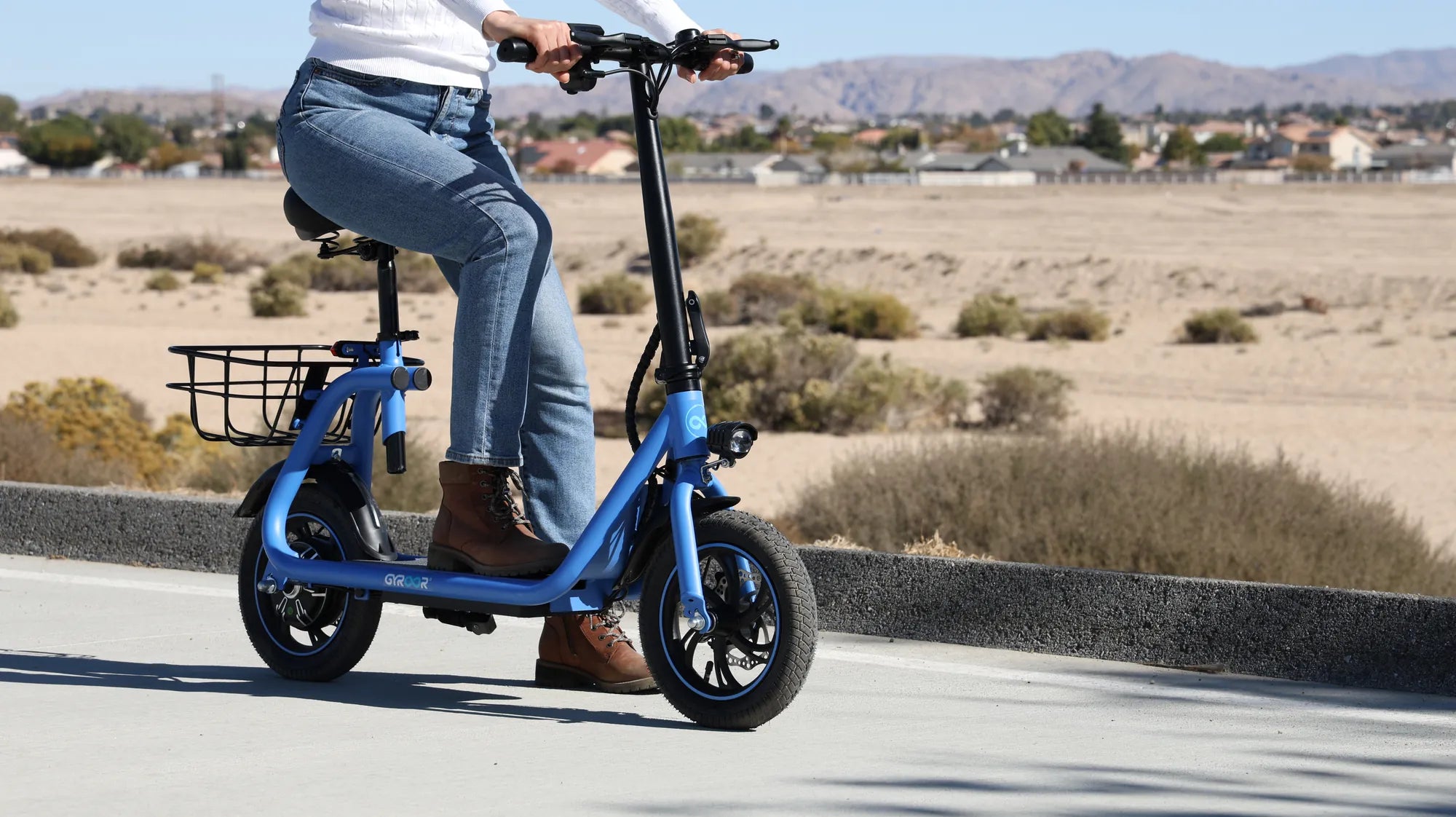
Electric scooters are often hailed as the future of urban mobility, promising a cleaner, greener way to navigate crowded cities. But how eco-friendly are they really? The question "Do electric scooters produce emissions?" isn’t as straightforward as it seems. While they don’t emit tailpipe pollutants like cars, their environmental impact depends on several factors, from manufacturing to electricity sources. Let’s unpack the truth behind their emissions—or lack thereof.
How Electric Scooters Work
Electric scooters run on rechargeable batteries, which power an electric motor. Unlike gas-powered vehicles, they don’t burn fossil fuels during operation, meaning no direct emissions of carbon dioxide (CO2), nitrogen oxides (NOx), or particulate matter. This makes them a cleaner option for short-distance travel, especially in urban areas where air quality is a growing concern.
The Hidden Emissions of Electric Scooters
While electric scooters don’t emit pollutants while in use, their environmental footprint isn’t zero. Here’s where emissions can creep in:
- Manufacturing: Producing lithium-ion batteries and scooter components requires energy and raw materials, often sourced through carbon-intensive processes.
- Electricity Generation: If the grid powering the scooter relies on coal or natural gas, charging it indirectly contributes to emissions.
- Transportation and Maintenance: Collecting, redistributing, and repairing scooters often involves gas-powered vehicles, adding to their carbon footprint.
Comparing Electric Scooters to Other Transport
To put things in perspective, let’s compare electric scooters to cars, bikes, and public transit:
| Transport Mode | CO2 Emissions per Mile |
|---|---|
| Gasoline Car | ~404 grams |
| Electric Scooter | ~50-100 grams (varies by electricity source) |
| Bicycle | 0 grams (human-powered) |
| Bus/Train | ~100-200 grams (shared transit) |
While electric scooters aren’t emission-free, they’re far cleaner than cars—especially in cities where traffic congestion worsens pollution.
The Role of Renewable Energy
The sustainability of electric scooters hinges on how their electricity is generated. In regions with high renewable energy adoption (e.g., solar or wind), their indirect emissions drop significantly. For example:
- A scooter charged via solar power has a near-zero carbon footprint.
- In coal-dependent areas, emissions can be 3-4 times higher per charge.
Advocates argue that as grids transition to renewables, electric scooters will become even greener over time.
Lifecycle Analysis: From Production to Disposal
A full lifecycle assessment reveals more about electric scooters’ environmental impact:
- Raw Material Extraction: Mining lithium, cobalt, and aluminum is energy-intensive and often ecologically damaging.
- Assembly: Factories emitting CO2 during production offset some of the scooter’s benefits.
- Usage: Low operational emissions, but dependent on charging practices.
- End-of-Life: Poor battery recycling can lead to toxic waste, though advancements are improving sustainability.
Are Electric Scooters a Net Positive for the Environment?
Despite their hidden emissions, electric scooters still offer a net reduction in urban pollution when replacing car trips. Studies show that shared e-scooters can cut CO2 emissions by up to 50% compared to short car rides. However, if they replace walking or biking, the benefits diminish.
To maximize their eco-friendliness, cities and riders should:
- Prioritize renewable energy for charging.
- Extend scooter lifespans through better maintenance.
- Recycle batteries responsibly.
Electric scooters aren’t a silver bullet for emissions, but they’re a step in the right direction—especially when paired with cleaner energy and smarter urban planning. The next time you hop on one, remember: the greenest ride is the one that replaces a car.
Mini Electric Scooter with Seat for Sales: The Ultimate Urban Commuting Solution
Electric Scooters That Go 12mph or More: Speed, Safety, and Sustainability