



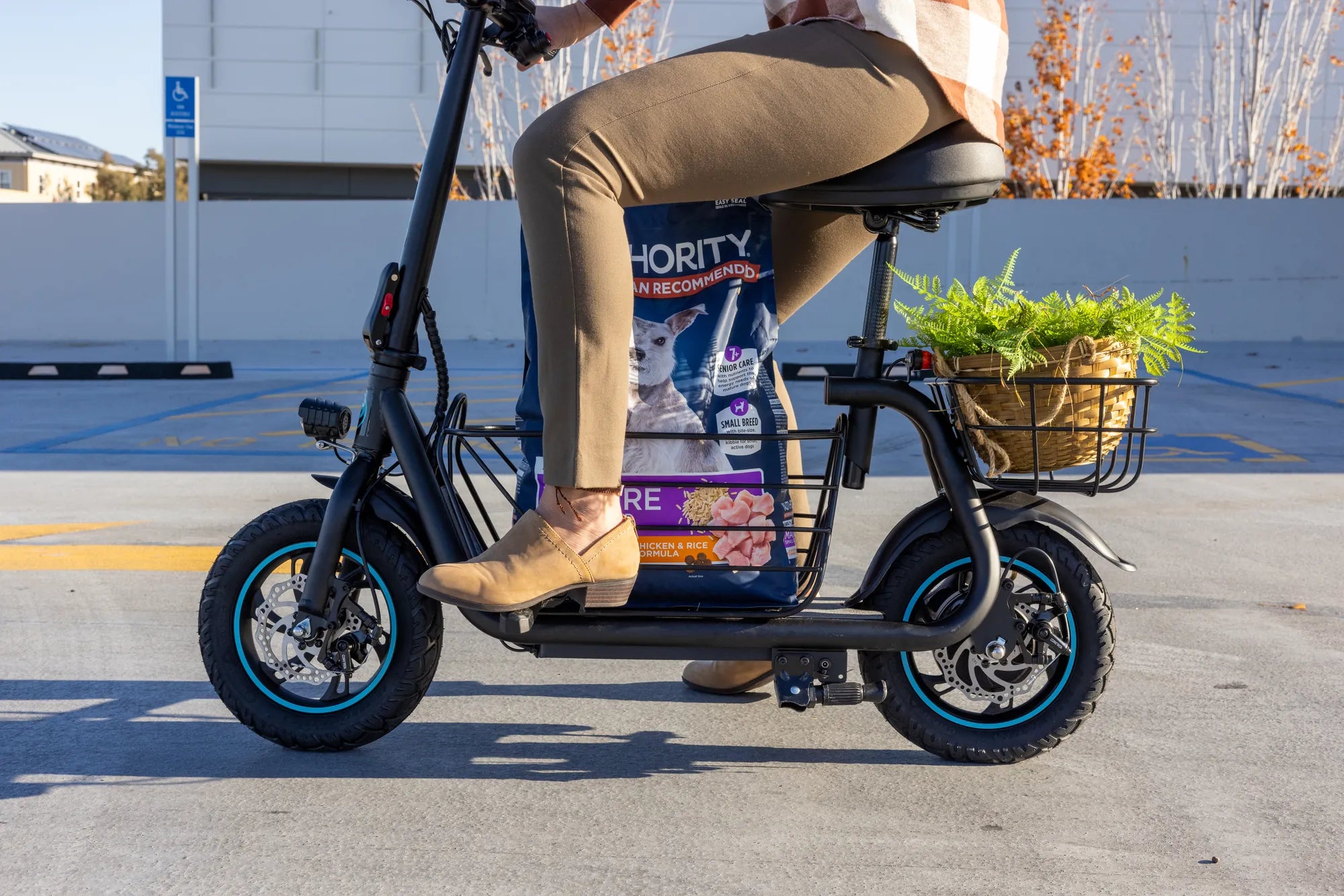
Introduction to Electric Scooter Regulations in India
Electric scooters have surged in popularity across Indian cities, offering a nimble, eco-friendly solution to traffic congestion and rising fuel costs. For new buyers and riders, navigating the legal landscape is the first major hurdle. The core question, "Do electric scooters require a license in India?" is not a simple yes or no answer; it hinges entirely on the vehicle's technical specifications as defined by law.
This article provides a clear, authoritative guide to the legal requirements for riding an e-scooter in India. We will dissect the Central Motor Vehicles Rules (CMVR), explain the critical classifications, and outline the exact steps for compliance. Whether you own a low-speed model or a high-performance scooter, understanding these rules is essential for safe, legal, and hassle-free riding.
Understanding the Legal Classification: What is an Electric Scooter?
Indian law does not treat all electric two-wheelers equally. The legal classification creates a stark divide between low-power models and more powerful ones, directly answering "Do electric scooters require a license in India?" The Ministry of Road Transport and Highways (MoRTH) provides the defining criteria through specific notifications under the CMVR.
The key distinction lies in whether the vehicle is considered a "motor vehicle." According to the Motor Vehicles Act, 1988, a motor vehicle is any mechanically propelled vehicle adapted for use on roads. However, exemptions exist for certain low-powered vehicles, treating them similarly to bicycles.
Key Parameters for License Exemption
An electric scooter is exempt from registration, licensing, and insurance mandates if it meets two precise technical criteria as per MoRTH notifications. First, the maximum continuous rated power of the electric motor must not exceed 250 watts. Second, the maximum designed speed must not exceed 25 kilometers per hour.
Vehicles meeting these specifications are officially classified as "bicycles with pedal assistance" or simply low-speed electric vehicles. They are not considered "motor vehicles" under the Act. Therefore, for these specific models, the answer to "Do electric scooters require a license in India?" is no. Riders can use them without a driving license or registration certificate.
Models That Require a License & Registration
The vast majority of electric scooters available in the market, including popular commuter and performance models, exceed the 250W/25 km/h limit. Brands like Gyroor, which prioritize reliable performance for urban commutes, offer models with motors ranging from 350W to 800W and top speeds above 25 km/h.
Any electric scooter that exceeds either the 250-watt power limit or the 25 km/h speed limit is legally classified as a "motor vehicle." This classification triggers a full set of legal requirements. For these models, yes, you absolutely need a license in India. Mandatory obligations include a valid driving license (for a two-wheeler/LMV), vehicle registration with the local RTO, a permanent number plate, and at least third-party liability insurance.
Step-by-Step Guide to Legal Compliance for Your E-Scooter
Ensuring you are riding legally requires verifying your scooter's type and following the corresponding pathway. This practical checklist helps you navigate the process correctly, whether your vehicle is exempt or requires full documentation.
For Low-Speed, Exempted E-Scooters
If your scooter is under 250W and 25 km/h, the formal process is minimal. First, verify the specifications in your user manual or the manufacturer's certificate of compliance. While no license or registration is needed, responsible riding is non-negotiable.
Always wear a BIS-certified helmet for safety. Follow all standard traffic rules applicable to cyclists. Additionally, check your local municipal corporation bylaws, as some cities may have specific restrictions on where such vehicles can be operated.
For Standard Electric Scooters (Requiring License)
For scooters exceeding the exemption limits, compliance is a multi-step process typically initiated by the dealer. You must possess a valid driving license for an LMV (Motorcycle). The dealer will facilitate the registration process with the Regional Transport Office (RTO).
Required documents usually include the sale invoice, Form 22 (Road Worthiness Certificate), Form 21 (Sale Certificate), valid PUC certificate, address proof, identity proof, and passport-sized photographs. You must obtain third-party insurance and pay the applicable road tax. The RTO will then issue a permanent registration number which must be affixed to your scooter.
Safety, Insurance, and Considerations Beyond the License
Legal compliance is the baseline, not the ceiling, for responsible ownership. A helmet is your most critical safety device, and opting for a BIS-certified model is a wise investment, regardless of legal mandates for low-speed scooters.
Insurance is another crucial layer. While third-party liability is mandatory for registered vehicles, comprehensive insurance is highly advisable for all. It covers theft, damage, and personal accident, providing financial protection that far exceeds the minimal cost. Responsible riding—being visible, signaling intentions, and respecting pedestrians—protects both you and the public.
Penalties for Non-Compliance: What You Risk
Riding a registered electric scooter without a valid license is a serious offense under the Motor Vehicles Act. Penalties can include a substantial fine, and repeated offenses may lead to higher fines or even imprisonment. The vehicle may also be impounded.
Riding without valid registration or a number plate attracts separate fines. Driving without at least third-party insurance can result in a fine and may also invalidate any claims in the event of an accident, leaving you personally liable for all damages and injuries.
Comparing Electric Scooter Types and Legal Status
The table below clarifies how different scooter specifications correlate with legal requirements, directly addressing variations of the question "Do electric scooters require a license in India?"
| Scooter Type / Example | Motor Power | Max Speed | Legal Classification | License Required? | Registration Required? |
|---|---|---|---|---|---|
| Low-Speed E-Scooter / Kick Scooter Style | ≤ 250W | ≤ 25 km/h | Bicycle with Assist | No | No |
| Commuter E-Scooter / Gyroor C1 Series | 350W - 500W | 25 - 45 km/h | Motor Vehicle (Two-Wheeler) | Yes | Yes |
| Performance E-Scooter / Gyroor Warrior Models | 500W - 800W+ | 45 - 60+ km/h | Motor Vehicle (Two-Wheeler) | Yes | Yes |
Frequently Asked Questions (FAQs) on E-Scooter Laws
Q1: Do I need a license to ride an electric scooter like the Gyroor C1?
Yes. The Gyroor C1 series features a 350W motor and speeds up to 45 km/h, which exceeds the exemption limits. It is classified as a motor vehicle, requiring a valid two-wheeler driving license, registration, and insurance.
Q2: What is the penalty for riding without a license or registration?
Penalties are severe and can be compounded. Riding without a license can incur a fine of up to ₹5,000 for a first offense. Riding an unregistered vehicle can attract a fine of up to ₹10,000. The vehicle may also be impounded by traffic police.
Q3: Can I ride an e-scooter on the sidewalk or bicycle lane?
No. Electric scooters, regardless of power, are considered vehicles and must be ridden on the road, adhering to traffic flow. Riding on sidewalks or pedestrian paths is illegal and dangerous. Some cities may allow low-speed models in bicycle lanes, but this is not a universal rule.
Q4: Is there a minimum age requirement to ride an electric scooter?
For exempted low-speed models (≤250W, ≤25 km/h), there is no legally defined minimum age, but parental discretion is advised. For any e-scooter classified as a motor vehicle, the rider must be at least 18 years old to hold a driving license and operate the vehicle legally on public roads.
Q5: How do I check if my e-scooter is compliant with the 250W rule?
Check the manufacturer's specifications on the official website, the user manual, or the compliance certificate/sticker on the scooter frame or motor. The continuous rated power (not peak power) should be clearly stated. If it says 250W or less and the top speed is 25 km/h or less, it is likely exempt.
Q6: Does the battery voltage (36V, 48V) affect the legal classification?
Not directly. The law specifies motor power (watts) and speed (km/h). Battery voltage (e.g., 36V, 48V) influences performance but is not a direct legal criterion. A 48V system can still be legal if the motor's continuous output is capped at 250W and speed is limited to 25 km/h.
The Future of E-Scooter Regulation in India
The regulatory framework for electric scooters in India is evolving. Government initiatives like the FAME-II subsidy have accelerated adoption, but clearer nationwide standards for mid-speed categories (e.g., 250W-1kW) are being discussed. Some states are also considering separate registrations or tags for all e-scooters to improve safety and accountability.
Staying informed about updates from the MoRTH and your State Transport Department is crucial. As infrastructure like dedicated lanes and charging stations grows, regulations will adapt. Choosing a reputable brand like Gyroor, which prioritizes UL-certified battery safety and clear product specifications, ensures your vehicle meets current and foreseeable standards.
Riding Responsibly into the Future
The answer to "Do electric scooters require a license in India?" is defined by your vehicle's wattage and top speed. Understanding this classification is the first step toward legal and safe riding. For the majority of riders, this means securing a license, registering the vehicle, and obtaining insurance.
This process legitimizes your ride and fosters a safer ecosystem for all road users. As a leader in personal electric mobility, Gyroor is committed to empowering riders with reliable, well-engineered scooters that meet rigorous safety standards, allowing you to focus on the joy and freedom of the ride, within the full framework of the law. For a range of UL-certified, high-performance electric scooters with clear specifications, browse the full Gyroor collection at gyroorboard.com.
Teenage Electric Scooters: The Ultimate Guide for Parents and Teens
Electric Scooters 500 Watt: The Ultimate Guide to Power and Efficiency