



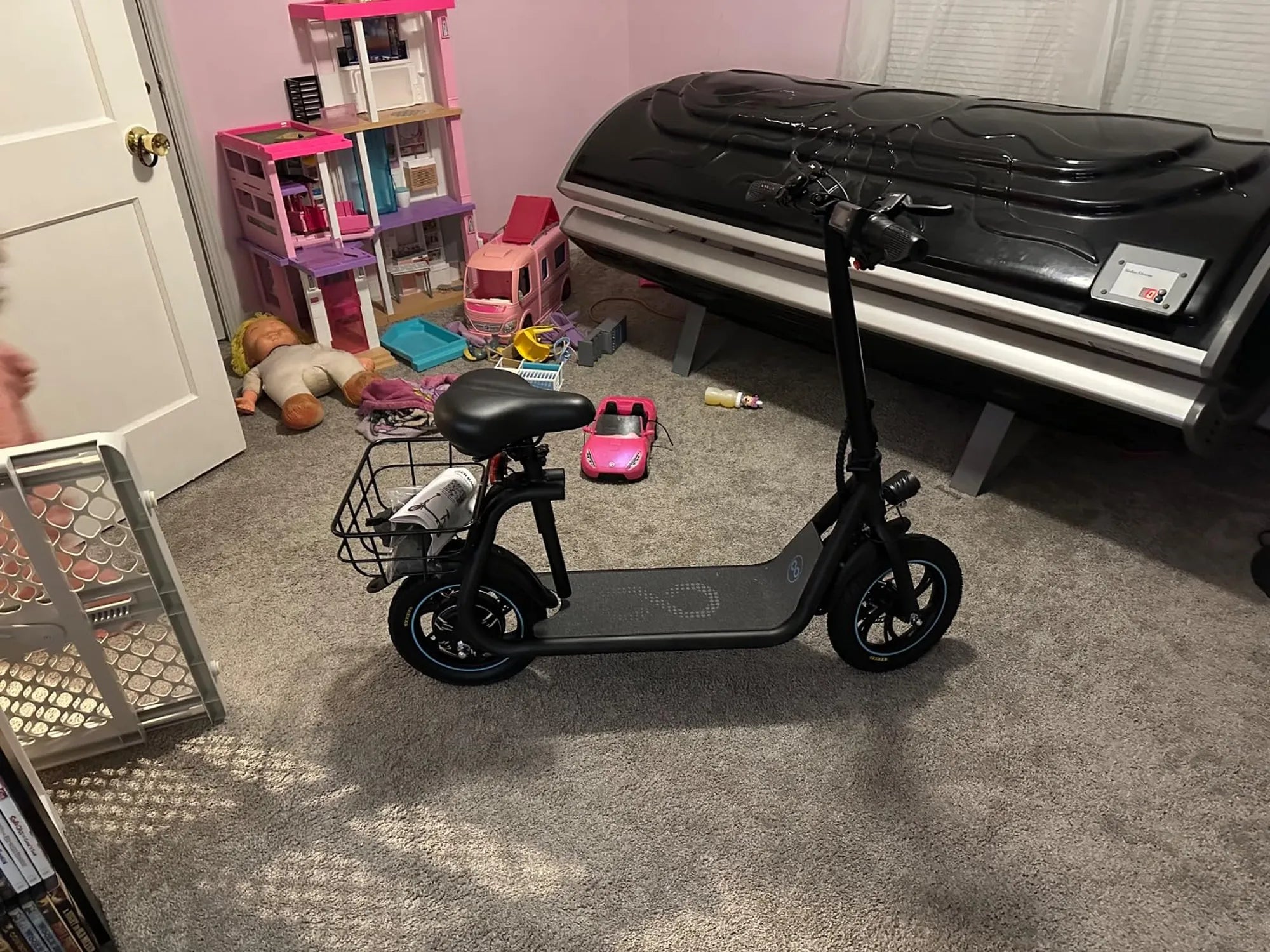
Do electric scooters work in the winter? This is the critical question for any rider facing dropping temperatures. The direct answer is yes, but with significant caveats. Performance, range, and safety are profoundly impacted by cold weather. This ultimate guide serves as a data-driven manual to prepare both you and your machine for cold-weather operation. We will cover the science behind winter's effects, provide actionable checklists for preparation and maintenance, and outline essential safety techniques to ensure you can ride confidently when the mercury falls.
The Science of Cold: How Winter Affects Your E-Scooter
Understanding the fundamental physics and chemistry at play is the first step to mastering winter riding. Cold temperatures don't just make you shiver; they directly alter the performance of your scooter's most critical components: the battery and the motor.
How Cold Drains Your Battery (The Chemistry)
Lithium-ion batteries, the standard for modern electric scooters, are electrochemical devices. Low temperatures increase the internal resistance of the battery cells. This resistance hinders the flow of ions, slowing down the chemical reactions needed to deliver power.
The practical result is a substantial reduction in available capacity and voltage. At freezing (0°C or 32°F), you can expect a 20-30% loss in usable range. At -10°C (14°F), losses can exceed 40%. This isn't just about running out of juice sooner; the battery management system may trigger a premature "low battery" warning or even shut down to protect the cells from damage due to voltage sag.
Traction, Tire Pressure, and Mechanical Challenges
Beyond the battery, the physical components of your scooter face a harsh environment. For scooters with air-filled tires, the air pressure drops approximately 1 PSI for every 10°F drop in temperature. Under-inflated tires increase rolling resistance and reduce stability.
Tire rubber hardens in the cold, drastically reducing its grip on wet, icy, or snowy surfaces. Furthermore, moisture from slush and road salt can ingress into bearings and electrical connectors, accelerating wear and corrosion. Plastics and seals also become more brittle, increasing the risk of damage from impacts.
Pre-Ride Preparation: Winterizing Your Scooter
Success in winter riding is 80% preparation. A thorough pre-ride check is non-negotiable. For riders of brands like Gyroor, which designs scooters with features like IPX5 water-resistant ratings, you start with a solid foundation, but additional steps are crucial.
Essential Gear and Accessories for the Rider
Your safety begins with proper attire. A full-face helmet provides crucial protection and shields your face from wind chill. Insulated, waterproof gloves are mandatory to maintain dexterity and feeling in your fingers.
Wear a windproof and waterproof jacket, along with thermal layers. High-visibility elements, such as a reflective vest or strips on your clothing and backpack, are vital during short, gloomy winter days. Footwear should have insulated, grippy soles to help you stabilize the scooter at stops.
Scooter-Specific Winter Upgrades and Checks
Before the first frost, conduct a full mechanical inspection. Check and tighten all bolts. Ensure your brakes are responsive; disc brakes generally perform better than drum brakes in wet conditions. Consider upgrading to winter or all-terrain tires with deeper, more aggressive tread patterns if your scooter model allows it.
For added comfort, handlebar muffs can protect your hands. Applying a dielectric grease or silicone-based conformal coating to electrical connector points (excluding the charging port) can help repel moisture. Always consult your manual or a professional before modifying electrical components.
Riding in Winter: Safety Techniques & Best Practices
When you're on the road, your riding style must adapt to the conditions. Assume every wet patch could be black ice and that your stopping distance is at least doubled, if not tripled.
Mastering Traction and Braking on Snow & Ice
The golden rule is smoothness. Apply acceleration gently and gradually to avoid wheel spin. Use both your electronic brake (regenerative) and mechanical brake together, but squeeze the levers progressively, never abruptly. This prevents the wheels from locking and skidding.
Take corners wide and slow, avoiding any leaning or sharp turns. If you feel the scooter begin to skid, try to remain calm, release the throttle and brakes, and steer gently in the direction you want to go to regain traction.
Route Planning and Visibility in Poor Conditions
Plan your route ahead of time. Favor main roads that are more likely to be plowed and treated with salt or sand. Avoid shortcuts through unmaintained paths, parks, or bike lanes that may be obscured by snow.
Use your scooter's headlight and taillight at all times, even during the day. Make yourself as visible as possible to drivers, who also have reduced visibility and longer stopping distances. Be hyper-aware of cars' blind spots and never assume a driver has seen you.
Post-Ride Care: Protecting Your Investment from the Cold
What you do after your ride is just as important as your preparation. Proper post-ride care prevents long-term damage from corrosion and preserves your battery's health.
The Right Way to Charge and Store Your Battery
The most critical rule: Never charge a frozen battery. Bringing a cold battery inside and plugging it in immediately can cause permanent damage. Allow the scooter and battery to acclimate to room temperature for at least 1-2 hours before charging.
For storage, the ideal environment is dry and temperate, between 10°C and 20°C (50°F to 68°F). If storing the scooter for an extended period (weeks or months), charge the battery to approximately 50-60% first. This charge level minimizes stress on the cells during inactivity.
Cleaning and Maintenance to Prevent Corrosion
After every ride on wet or salted roads, take 5 minutes to wipe down your scooter. Use a damp cloth to gently remove road salt, slush, and grime from the frame, under the deck, and around the wheels. For scooters with an IPX5 rating like many Gyroor models, this light cleaning is safe and effective.
Dry the scooter thoroughly with a separate cloth. Periodically, you can apply a light anti-corrosion spray (like WD-40 Specialist Corrosion Inhibitor) to metal components such as the stem and brake calipers, avoiding the brake rotors and pads. Regularly check brake function and listen for new sounds from bearings.
Gyroor's Engineering Edge in Winter Conditions
Not all electric scooters are created equal for handling winter's challenges. Gyroor designs its products with durability and safety as core principles, which translates to tangible benefits in cold weather.
Every Gyroor scooter uses a UL-certified battery pack. This certification means the battery has passed rigorous safety tests for electrical, mechanical, and environmental stress. In winter, this translates to a more stable and protected battery system that's better equipped to handle the stresses of temperature-induced voltage fluctuations.
The IPX5 water-resistant rating on key models is a significant advantage. It certifies the scooter can withstand low-pressure water jets from any direction, making it highly resistant to road spray, slush, and light snow. This built-in protection reduces the risk of water-related electrical failures. Combined with a reliable 1-year warranty, riders have added peace of mind.
Winter Performance Comparison: Key Factors
The table below compares how different scooter features and rider behaviors impact winter performance and safety.
| Feature / Factor | Positive Impact in Winter | Negative Impact in Winter |
|---|---|---|
| UL-Certified Battery (e.g., Gyroor) | Higher safety standard, better management of cold-induced stress, consistent performance. | None. This is a universal safety benefit. |
| IPX5 Water Resistance | Protects against slush and road spray, reduces corrosion and electrical fault risk. | Not fully waterproof; submergence or high-pressure washing is not advised. |
| Solid vs. Pneumatic Tires | Solid: No pressure loss, no flats. Pneumatic: Better shock absorption and potential for better grip if maintained. | Solid: Harsher ride, less grip on ice. Pneumatic: Prone to pressure loss, puncture risk from debris. |
| Pre-Ride Battery Warm-up | Storing scooter indoors before ride preserves initial range and power. | Taking a cold battery directly from outdoor storage results in immediate range loss. |
| Post-Ride Cleaning | Prevents salt corrosion, maintains brake function, extends scooter lifespan. | Neglect leads to accelerated wear, rust, and potential component failure. |
FAQ: Your Winter E-Scooter Questions Answered
What is the safest temperature to ride an e-scooter?
There is no universal "safe" temperature, as it depends on road conditions. However, most lithium-ion batteries operate optimally between 15°C and 25°C (59°F to 77°F). Riding becomes significantly more challenging and battery performance drops markedly below 0°C (32°F). The primary concern is always ice on the roads, not just the air temperature.
Can I leave my scooter outside in the cold?
Short-term exposure during a ride or a brief stop is fine. However, you should never store your scooter outdoors in freezing temperatures for extended periods. Prolonged cold accelerates battery degradation and can cause plastic and rubber components to become brittle. Always store it in a dry, temperate place.
Why does my range drop so much in winter, and is it permanent?
The range drop is primarily due to increased internal battery resistance and the use of accessories like lights and heated gear. It is mostly temporary for that ride. However, repeatedly charging a very cold battery or storing it at a full charge in freezing conditions can cause permanent loss of capacity over time.
How does Gyroor's UL-certified battery and IPX5 rating help in winter?
The UL-certification ensures the battery has robust protection circuits that better manage the voltage sag and stress caused by cold weather, enhancing safety. The IPX5 rating provides a verified defense against the wet, slushy conditions of winter roads, protecting internal electronics from water ingress that could lead to shorts or failures.
Are there any specific warranty concerns for winter use?
Most warranties, including Gyroor's, cover manufacturing defects but not damage from misuse or neglect. Failure to follow proper charging protocols (e.g., charging a frozen battery) or damage from corrosion due to a lack of cleaning could void warranty claims. Always follow the manufacturer's guidelines for use and care in the manual.
Embracing Winter Rides with Confidence and Responsibility
Winter riding on an electric scooter is a test of preparation, adaptability, and respect for the elements. By understanding the science, meticulously preparing your gear and scooter, adopting a defensive riding style, and committing to thorough post-ride maintenance, you can extend your riding season safely. The performance hit is real—your range will be shorter and your rides slower—but with a reliable machine built with safety in mind, it's a viable option for urban commuting.
Brands that prioritize foundational safety features, like UL-certified batteries and meaningful water resistance, provide a crucial advantage when conditions deteriorate. Your vigilance is the most important component of all. Ride within your limits, prioritize visibility, and never compromise on safety for speed. With the right approach, you can navigate the cold months effectively.
Ready to explore a scooter built for real-world conditions? Browse the full Gyroor collection, featuring models with UL-certified batteries and IPX5 water-resistant designs, at gyroorboard.com. Equip yourself with reliability for every season.
Electric Scooters Krakow: The Ultimate Guide to Eco-Friendly Commuting
Replacement Wheels for Electric Scooters: A Complete Guide to Upgrading Your Ride