



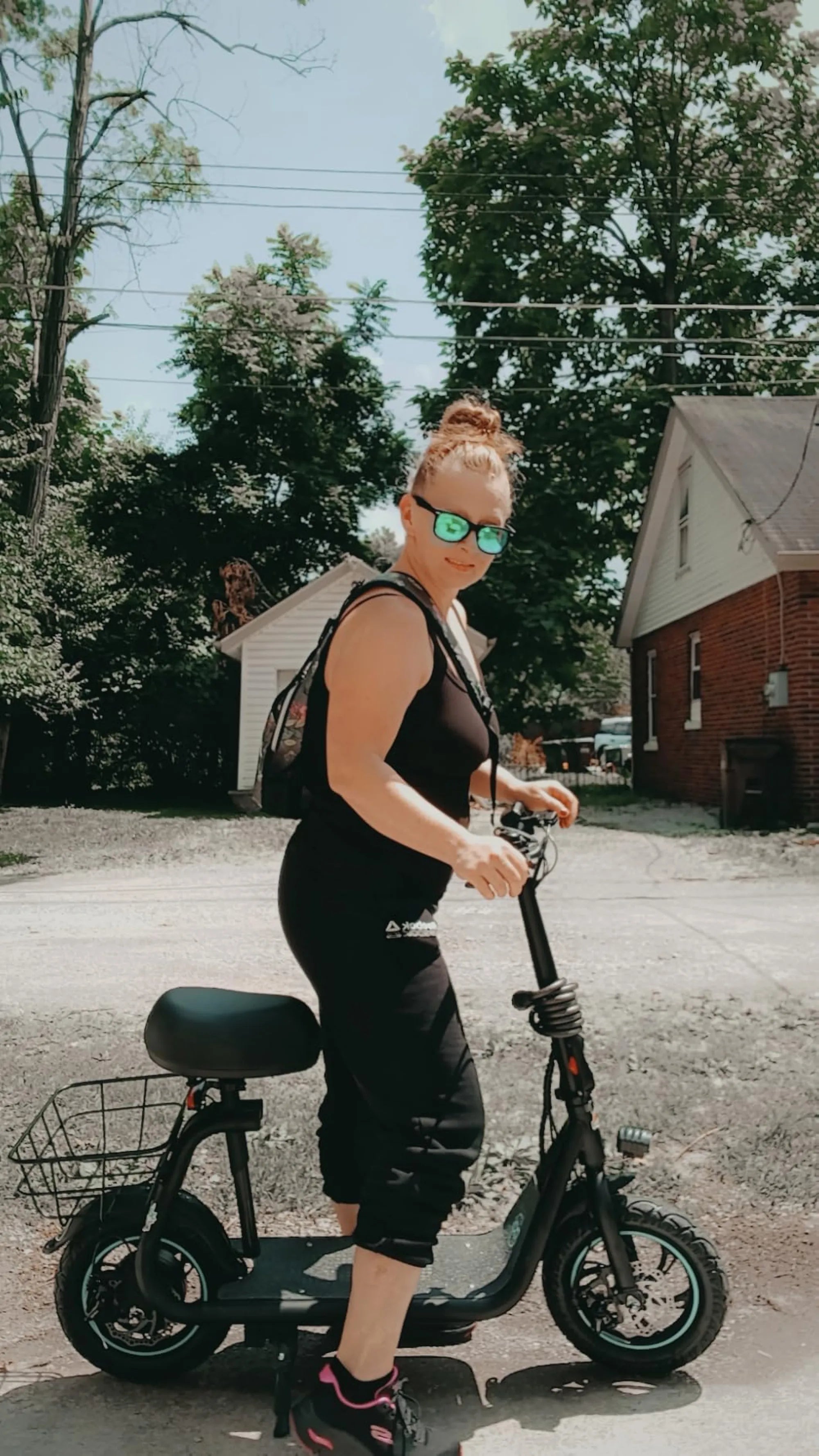
Thinking about zipping through the streets on a scooter but unsure about the legalities? Whether you're a commuter looking for a convenient ride or just exploring a fun way to get around, understanding the rules is crucial. Let's dive into the details of whether you need a license to drive a scooter and what you should know before hopping on.
Understanding Scooter Classification
Not all scooters are created equal, and their classification often determines whether you need a license. Generally, scooters fall into two main categories:
- Electric Scooters (E-scooters): These are typically low-speed, battery-powered vehicles with a maximum speed of 15-20 mph.
- Motor Scooters: These are gas-powered or high-speed electric scooters that can reach speeds of 30 mph or more.
The distinction matters because licensing requirements often hinge on engine size, top speed, and whether the scooter is classified as a motor vehicle.
Do You Need a License for an Electric Scooter?
For most electric scooters, the answer is no—you usually don't need a license. However, this depends on local laws. Many cities and states classify e-scooters similarly to bicycles, meaning they can be ridden without a license, registration, or insurance. But there are exceptions:
- Some jurisdictions require riders to be at least 16 or 18 years old.
- Certain areas mandate helmets or restrict riding on sidewalks.
- A few places treat e-scooters like motor vehicles, requiring a valid driver's license.
Always check your local regulations to avoid fines or legal trouble.
Licensing Requirements for Motor Scooters
Motor scooters, especially those with larger engines or higher speeds, often require a license. Here's what you need to know:
- Under 50cc: In many places, scooters with engines under 50cc can be ridden with a standard driver's license or a special moped license.
- Over 50cc: Scooters with larger engines typically require a motorcycle license or endorsement.
Additionally, some states require registration, insurance, and even safety inspections for motor scooters. Ignoring these rules could lead to penalties or having your scooter impounded.
Safety Tips for Scooter Riders
Whether you need a license or not, safety should always come first. Follow these tips to stay safe on the road:
- Wear a helmet, even if it's not legally required.
- Use reflective gear or lights to increase visibility, especially at night.
- Follow traffic laws and avoid riding on sidewalks where prohibited.
- Stay alert and watch for cars, pedestrians, and road hazards.
Riding a scooter can be a blast, but it's important to respect the rules and prioritize safety.
Penalties for Riding Without a License
If you're caught riding a scooter without the proper license, the consequences can vary. Potential penalties include:
- Fines ranging from $50 to several hundred dollars.
- Points on your driving record (if you have a license).
- Impoundment of your scooter.
- Legal charges, especially in cases of repeat offenses.
It's not worth the risk—always verify the requirements in your area before riding.
How to Get a Scooter License
If your scooter requires a license, the process is usually straightforward. Here's a general outline:
- Check your state's DMV website for specific requirements.
- Complete a written test for a learner's permit (if applicable).
- Pass a road test or skills assessment.
- Pay the required fees and receive your license or endorsement.
Some states also require a safety course, which can be a great way to build confidence and learn essential riding skills.
Final Thoughts
Scooters offer a convenient and eco-friendly way to get around, but the rules aren't always clear-cut. Whether you're eyeing an electric model or a gas-powered ride, taking the time to research local laws will save you headaches down the road. So, before you hit the throttle, make sure you're legally covered—and don't forget to enjoy the ride!
American Dirt Bike: The Ultimate Guide to Off-Road Adventure
Scooter Motorcycle: The Ultimate Guide to Choosing the Perfect Ride