



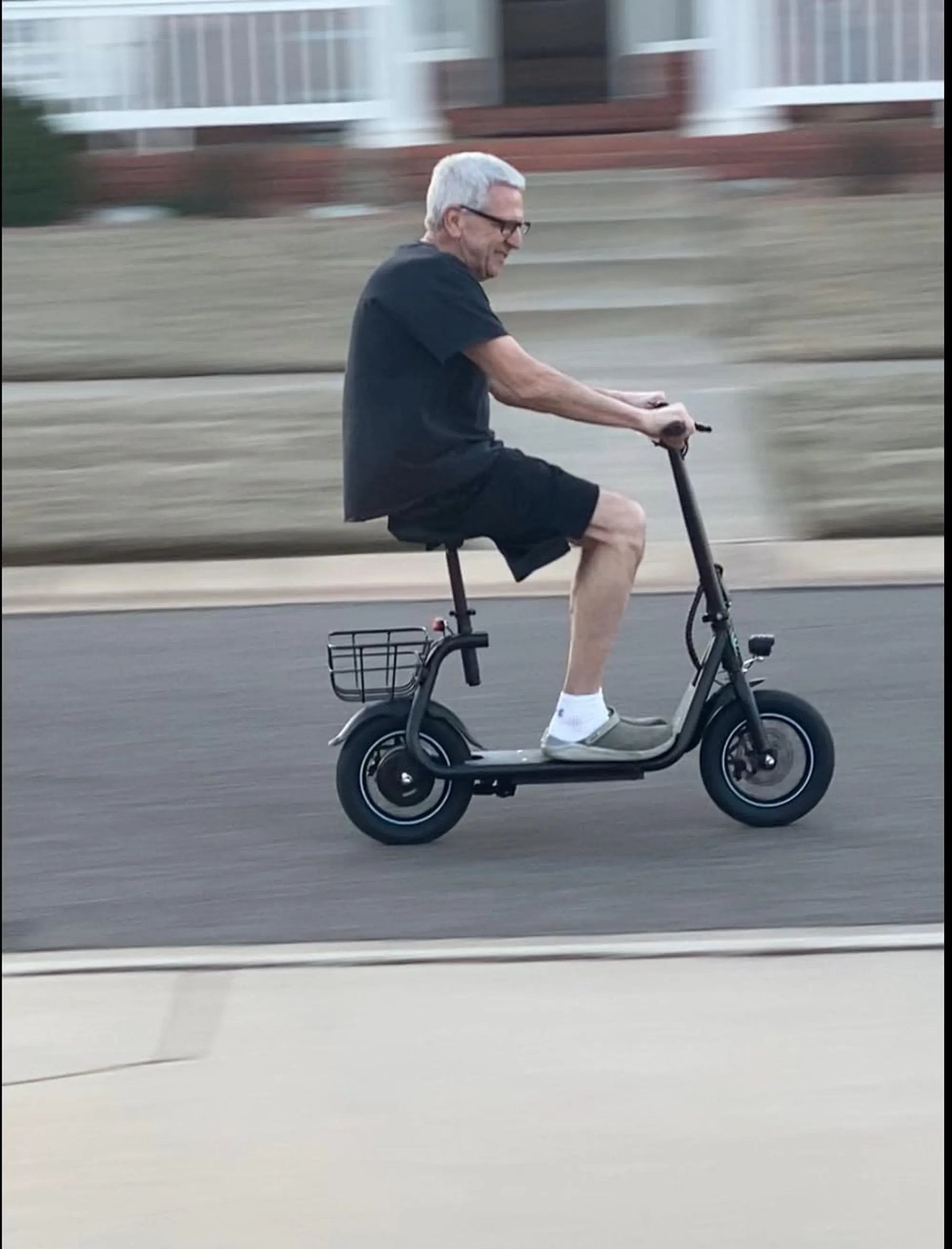
Navigating the Rules of the Road for Electric Scooters
"Do you need a licence to drive a scooter?" is one of the most common and crucial questions for new riders. The answer is not a simple yes or no; it depends entirely on what you define as a "scooter," its technical specifications, and, most importantly, your local laws. This guide provides a comprehensive, data-driven breakdown of licensing requirements across North America and Europe, empowering you to ride with confidence and legality. You'll learn how vehicle classification works, where to find authoritative local information, and why choosing a scooter from a trusted brand like Gyroor—known for UL-certified batteries and clear specifications—is a foundational step toward compliant riding.
Understanding Vehicle Classification: What Exactly is Your Scooter?
Licensing requirements are dictated by how your local transportation authority classifies your two-wheeled vehicle. The term "scooter" can refer to three distinct categories, each with different legal implications. Misunderstanding this classification is the primary source of confusion for riders.
The first category is the low-speed electric bicycle or e-scooter. In many jurisdictions, these are treated similarly to bicycles. Key defining features typically include a maximum assisted speed of 20 mph (32 km/h) or 28 mph (45 km/h), a motor wattage under 750W (in the US), and, for e-bikes, operable pedals. The second category is the motorized scooter or stand-up e-scooter used in shared mobility systems. These often have similar speed limits but lack pedals, leading to varied legal treatment. The third category is the moped or motor scooter. These are more powerful, often capable of speeds exceeding 30 mph, and are almost universally classified as motor vehicles, triggering full licensing, registration, and insurance mandates.
Licensing Requirements by Scooter Type and Jurisdiction
For most low-speed e-bikes and electric scooters (under 20 mph), a standard driver's licence is frequently not required. However, age restrictions are common. Many states and provinces require riders to be at least 16 years old. For instance, a Class 1 or Class 2 e-bike (max 20 mph) in California does not require a licence, registration, or insurance, mirroring bicycle rules.
In contrast, higher-speed electric vehicles cross a legal threshold. An e-bike classified as a Class 3 (max 28 mph) in some US states may require a driver's licence and helmet, but not registration. Once a vehicle is classified as a moped or motor-driven cycle (often based on speed >30 mph or engine size >50cc equivalent), the requirements intensify. This category universally requires a valid driver's licence (sometimes a special motorcycle endorsement), vehicle registration, licence plates, and often mandatory insurance.
The landscape for stand-up electric kick scooters is the most fragmented. Some cities explicitly permit them on bike lanes and roads under specific speed limits without a licence, while others ban them from public roads entirely or restrict them to shared fleet programs only. The European Union generally requires a type approval for personal e-scooters, but licence requirements vary by member state, often based on power and speed.
A Practical Look: State-by-State and City-Specific Variations
The complexity cannot be overstated. In the United States, regulations are set at the state level, but cities can impose stricter rules. For example, while New York State law allows local municipalities to regulate e-scooters, New York City has its own detailed rules for legal riding. Similarly, in Europe, a German law permits e-scooters up to 20 km/h on bike paths without a licence, but France requires a minimum age of 12 and prohibits sidewalk riding.
The only definitive source is your local Department of Motor Vehicles (DMV), transportation ministry, or city transportation department website. As a starting point for North American riders, reputable manufacturers like Gyroor provide general guidance and design their products with these common legal frameworks in mind, helping riders navigate the initial complexity.
The Gyroor Advantage: Engineered for Compliance and Peace of Mind
Choosing a scooter from a reputable brand is your first line of defense against legal ambiguity. Gyroor designs its electric scooters and e-bikes with clear, consistent specifications that align with common low-speed vehicle regulations. For instance, models like the Gyroor Warrior are engineered with a top speed that respects common urban limits, reducing the risk of unintentionally operating an unregistered motor vehicle.
Furthermore, features like UL-certified battery packs and IPX5 water-resistant construction are not just about safety and durability; they signal a professionally manufactured product. Authorities and insurance providers are more likely to recognize and accept vehicles with such certifications compared to uncertified, generic models. This engineering philosophy, backed by a US-based support team and a 1-year warranty, provides a foundation for responsible and legally sound ownership.
Safety and Responsibility: The Critical Steps Beyond the Licence
Legal compliance is the baseline; safe operation is the ongoing responsibility. Whether or not your jurisdiction requires a licence, adopting motorcycle-level awareness is crucial. Always wear a certified helmet—studies show it reduces head injury risk by over 60%. Use integrated front and rear lights, like those on Gyroor models, day and night for visibility.
Follow all local traffic laws: ride in the direction of traffic, use hand signals, and yield to pedestrians. Avoid sidewalk riding where prohibited. Regular maintenance, such as checking tire pressure and brake function, is essential. Gyroor's 1-year warranty and accessible customer service support this proactive approach to safety, creating a responsible riding ecosystem that extends far beyond the purchase.
Comparative Analysis: E-Bike vs. E-Scooter vs. Moped Rules
The table below summarizes typical requirements, but local laws are final authority.
| Vehicle Type | Typical Max Speed | Driver's Licence Required? | Registration/Plate | Insurance Required? | Common Use Areas |
|---|---|---|---|---|---|
| Class 1/2 E-Bike | 20 mph (32 km/h) | No (Age min: 14-16) | No | No | Bike Lanes, Roads |
| Stand-up E-Scooter | 15-20 mph (25-32 km/h) | Varies by City/State | No | No | Bike Lanes, Roads (varies) |
| Class 3 E-Bike | 28 mph (45 km/h) | Often Yes (in US) | No | No | Roads, Bike Lanes |
| Moped / Motor Scooter | 30+ mph (48+ km/h) | Yes (Moto Endorsement may be needed) | Yes | Yes | Roads |
Frequently Asked Questions (FAQ)
Do I need a licence for a Gyroor Warrior or Gyroor Swift electric scooter?
For most jurisdictions, models like the Gyroor Warrior, with speeds capped at common legal limits (e.g., 20 mph), do not require a driver's licence. However, you must verify local age restrictions and operating rules, as some areas may require a learner's permit or have a minimum age of 16 or 18.
What about riding on sidewalks versus bike lanes?
This is highly location-specific. Most cities prohibit motorized vehicles, including e-scooters, on sidewalks for pedestrian safety. Bike lanes or low-speed roads are typically the designated legal zones. Always check your city's municipal code.
Does my homeowner's or renter's insurance cover my e-scooter?
Maybe, but don't assume. Personal electric scooters and e-bikes may be covered under personal property provisions, but there are often limits on value and exclusions for motorized vehicles. For higher-value models and liability protection, a specific personal electric vehicle insurance policy is advisable.
If I don't need a licence, do I need to wear a helmet?
Helmet laws vary independently from licensing laws. Many regions mandate helmets for all e-scooter and e-bike riders, regardless of age. Even if not required by law, wearing a helmet is the single most effective safety measure you can take.
How do I find the exact law for my city?
Search for "[Your City Name] electric scooter ordinance" or "[Your State/Province] e-bike law." Official government websites (.gov, .gc.ca, etc.) are the primary source. Your local DMV or transportation department website will have the most current, authoritative information.
Ride Informed, Ride Confidently with Gyroor
The question of whether you need a licence to drive a scooter has a clear answer: it depends, and you must check your local laws. The key takeaway is to know your vehicle's class and your jurisdiction's rules. By starting with a scooter from a trusted brand like Gyroor—engineered with compliance in mind, backed by safety certifications, and supported by a warranty—you establish a solid foundation for legal and enjoyable riding. Your journey begins with informed research and the right equipment. Explore the full range of UL-certified, performance-designed electric scooters and e-bikes to find the perfect model for your needs and local regulations. Browse the full Gyroor collection at gyroorboard.com and join over 100,000 riders who prioritize safety, performance, and peace of mind.
Scooter Tricks List: From Basic Bunny Hops to Pro-Level Grinds and Spins
Mobility Scooter Battery Draining Fast: A Complete Diagnostic and Fix Guide