


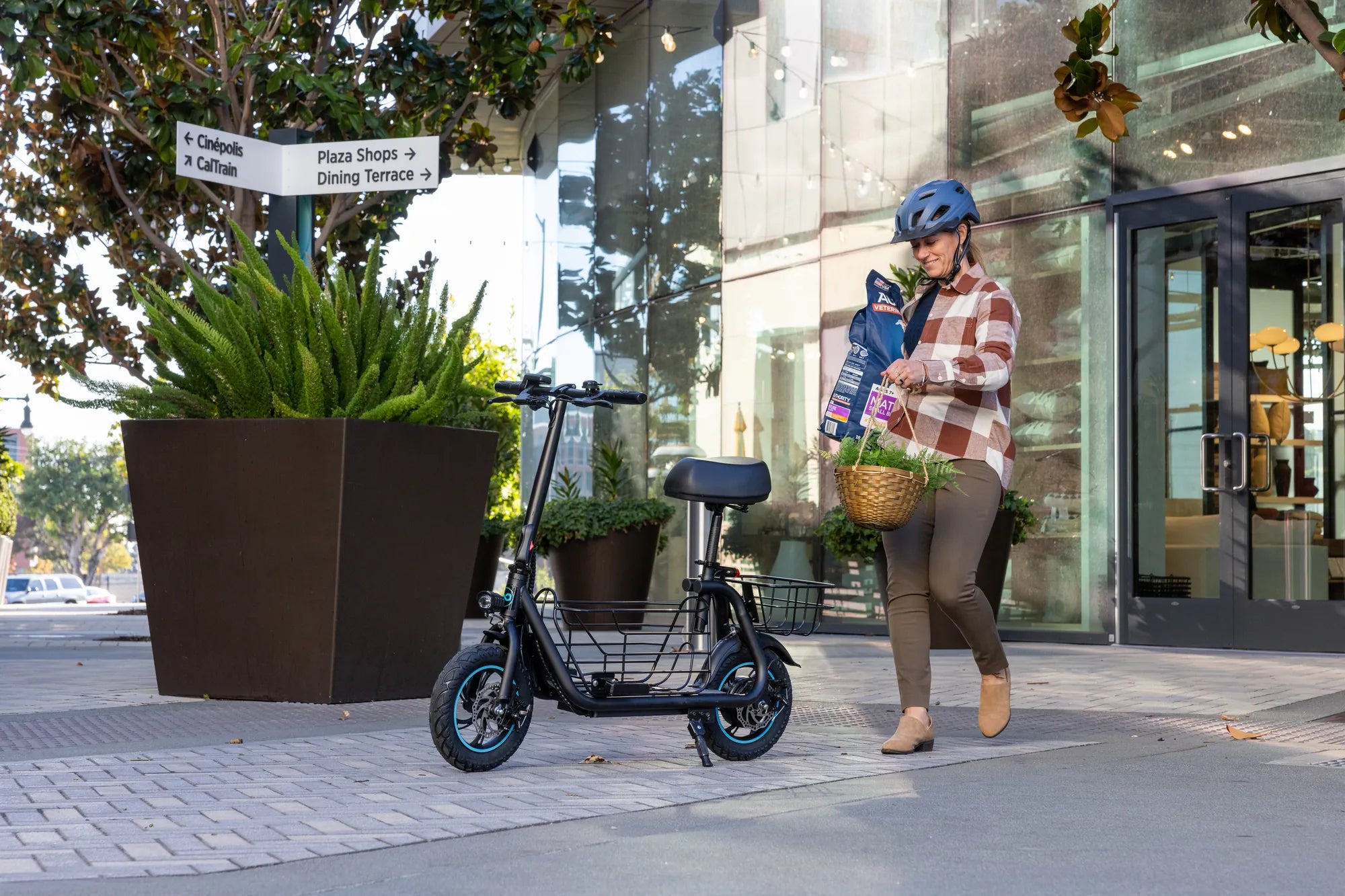
Electric bikes are revolutionizing urban transportation, offering an eco-friendly and efficient way to navigate crowded streets. But before you hop on one, you might be wondering: do you need a licence to ride an electric bike? The answer isn't as straightforward as you might think, and it largely depends on where you live and the type of e-bike you're using. Let's dive into the details to help you stay on the right side of the law.
Understanding Electric Bike Classifications
Electric bikes are typically categorized into three classes, each with different regulations:
- Class 1: Pedal-assist only, with no throttle, and a maximum speed of 20 mph.
- Class 2: Throttle-assisted, with a maximum speed of 20 mph.
- Class 3: Pedal-assist only, with a maximum speed of 28 mph.
These classifications play a significant role in determining whether you need a licence to ride your e-bike. In many regions, Class 1 and 2 e-bikes are treated similarly to traditional bicycles, while Class 3 e-bikes may have additional requirements.
Licence Requirements by Region
The need for a licence to ride an electric bike varies widely depending on your location. Here's a breakdown of the general rules in key regions:
United States
In the U.S., federal law defines electric bikes as bicycles if they meet certain criteria, such as having a motor under 750 watts and a top speed of 20 mph. Most states follow this definition, meaning no licence is required for Class 1 and 2 e-bikes. However, some states impose additional restrictions on Class 3 e-bikes, such as requiring a helmet or a minimum age.
European Union
In the EU, e-bikes with a motor output of up to 250 watts and a maximum speed of 25 km/h (15.5 mph) are classified as pedelecs and do not require a licence. However, faster e-bikes may be classified as mopeds or motorcycles, necessitating a licence, registration, and insurance.
United Kingdom
The UK follows similar rules to the EU. E-bikes with a motor under 250 watts and a top speed of 15.5 mph are considered electrically assisted pedal cycles (EAPCs) and do not require a licence. Faster models may require registration and a licence.
Australia
In Australia, e-bikes with a motor under 250 watts and a top speed of 25 km/h are treated as bicycles. However, some states require riders to wear helmets, and faster e-bikes may need a licence.
Age Restrictions and Other Legal Considerations
Even if a licence isn't required, many regions impose age restrictions on e-bike riders. For example, some U.S. states require riders of Class 3 e-bikes to be at least 16 years old. Additionally, local laws may mandate helmets, reflectors, or lights for safety.
Why Licence Requirements Matter
Understanding whether you need a licence to ride an electric bike is crucial for avoiding fines and legal trouble. It also ensures you're riding safely and responsibly. Always check your local regulations before purchasing or riding an e-bike.
Tips for Staying Compliant
- Research your local e-bike laws before riding.
- Wear a helmet, even if it's not legally required.
- Ensure your e-bike meets the legal classification for your area.
- Consider insurance for added protection.
Electric bikes offer a fantastic way to reduce your carbon footprint and enjoy the outdoors, but staying informed about licence requirements is key to a hassle-free ride. Whether you're commuting or exploring, knowing the rules will keep you safe and legal on the road.
Compare Mobility Scooter: Key Features, Benefits, and Buying Tips
Tires for Mobility Scooter: A Comprehensive Guide to Choosing the Right Ones