

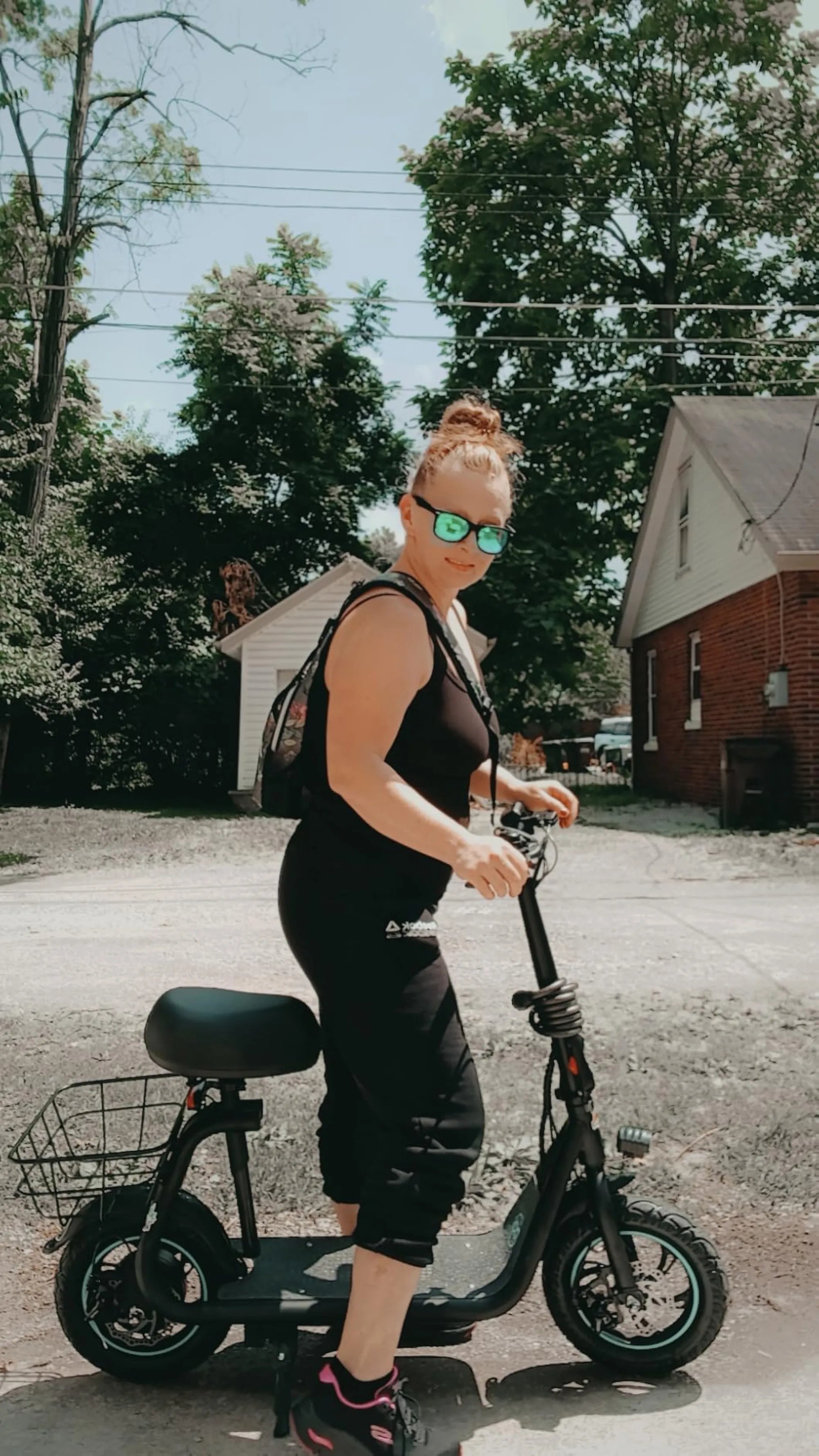
Electric bikes, or e-bikes, have revolutionized urban commuting and recreational cycling. But with their growing popularity comes a common question: Do you need a license for an e-bike? The answer isn’t always straightforward, as regulations vary by location and depend on the type of e-bike you own. Let’s dive into the details to clear up the confusion.
Understanding E-Bike Classifications
E-bikes are typically categorized into three classes, which influence whether a license is required:
- Class 1: Pedal-assist only, with no throttle, and a maximum speed of 20 mph.
- Class 2: Throttle-assisted, with a maximum speed of 20 mph.
- Class 3: Pedal-assist only, with a maximum speed of 28 mph.
These classifications help determine where e-bikes can be ridden and whether they require licensing, registration, or insurance.
Licensing Requirements by Region
Laws regarding e-bike licensing differ significantly depending on where you live. Here’s a general overview:
United States
In most U.S. states, e-bikes that meet the three-class system do not require a license, registration, or insurance. However, some states impose additional restrictions, such as age limits or helmet requirements for certain classes.
European Union
The EU regulates e-bikes under the Electrically Power Assisted Cycles (EPAC) standard. E-bikes with a motor output of up to 250W and a speed limit of 15.5 mph (25 km/h) are treated like regular bicycles and do not require a license. Faster or more powerful models may need registration and licensing.
Canada
In Canada, e-bikes with a maximum speed of 20 mph (32 km/h) and a motor under 500W typically do not require a license. However, some provinces may have additional rules.
Australia
Australia’s regulations vary by state, but most e-bikes with a motor under 250W and a speed limit of 15.5 mph (25 km/h) are exempt from licensing. Faster models may be classified as motorcycles.
Why Licensing Rules Matter
Understanding whether you need a license for an e-bike is crucial for several reasons:
- Legal Compliance: Riding an unlicensed e-bike where one is required can result in fines or penalties.
- Safety: Licensing ensures riders are aware of traffic laws and safe riding practices.
- Insurance: Some regions require insurance for licensed e-bikes, protecting riders in case of accidents.
Exceptions and Special Cases
While most e-bikes fall under standard classifications, there are exceptions:
- High-Powered E-Bikes: Models exceeding speed or power limits may be classified as mopeds or motorcycles, requiring a license.
- Modified E-Bikes: Altering an e-bike to increase speed or power can change its legal classification.
- Private Property: Licensing rules may not apply on private land, but public road use is still regulated.
How to Check Your Local Laws
To avoid legal issues, follow these steps:
- Consult your local Department of Motor Vehicles (DMV) or transportation authority.
- Review regional e-bike classifications and requirements.
- Check for updates, as laws can change over time.
The Future of E-Bike Licensing
As e-bikes grow in popularity, regulations are evolving. Some regions are considering stricter rules to address safety concerns, while others are easing restrictions to promote green transportation. Staying informed is key to enjoying your e-bike legally and safely.
Whether you’re a daily commuter or a weekend rider, knowing the answer to "Do you need a license for an e-bike?" ensures a smooth and hassle-free experience. Always ride responsibly and stay updated on local laws to avoid surprises on the road.
What Is the Point of an E-Bike? Exploring the Benefits and Future of Electric Bikes
What Is the Point of an E-Bike? Exploring the Benefits and Future of Electric Bikes