



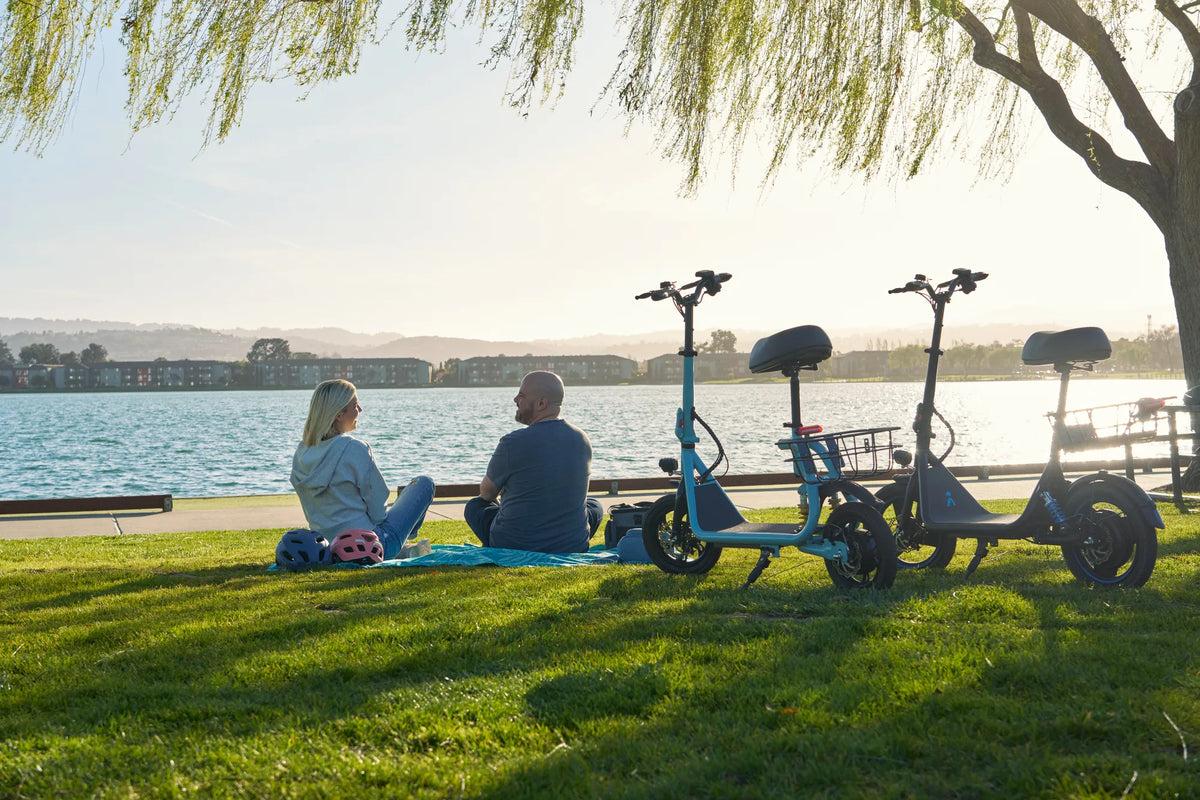
Electric bikes are revolutionizing urban transportation, offering an eco-friendly and efficient way to navigate cities. But before you hop on one, you might be wondering: do you need a license to ride an electric bike? The answer isn’t always straightforward, as laws vary by location and depend on the type of e-bike you’re riding. Let’s break down everything you need to know to stay on the right side of the law.
Understanding Electric Bike Classifications
Electric bikes are typically categorized into three classes, each with different legal requirements:
- Class 1: Pedal-assist only, with no throttle, and a maximum speed of 20 mph.
- Class 2: Throttle-assisted, with a maximum speed of 20 mph.
- Class 3: Pedal-assist only, with a maximum speed of 28 mph.
These classifications help determine whether a license is required. In many regions, Class 1 and 2 e-bikes are treated similarly to traditional bicycles, while Class 3 e-bikes may have additional restrictions.
License Requirements by Region
Laws regarding e-bike licenses vary widely depending on where you live. Here’s a general overview:
United States
In the U.S., most states follow the three-class system and do not require a license for Class 1 and 2 e-bikes. However, some states may require a license, registration, or insurance for Class 3 e-bikes. Always check your local Department of Motor Vehicles (DMV) for specific rules.
European Union
In the EU, e-bikes with a maximum power output of 250 watts and a speed limit of 25 km/h (15.5 mph) are classified as pedelecs and do not require a license. Faster or more powerful models may be classified as mopeds or motorcycles, requiring registration and a license.
Canada
Canada generally allows e-bikes with a maximum speed of 32 km/h (20 mph) and a motor under 500 watts to be ridden without a license. However, some provinces may have additional requirements.
Age Restrictions and Other Legal Considerations
Even if a license isn’t required, age restrictions may apply. For example:
- Some U.S. states require riders under 16 to wear helmets.
- In the EU, riders under 14 may need adult supervision.
- Certain areas prohibit e-bikes on bike paths or trails.
Always research local laws to avoid fines or penalties.
Why Licensing Laws Matter
Licensing laws exist to ensure rider safety and accountability. E-bikes can reach significant speeds, and understanding the rules helps prevent accidents and legal trouble. Ignorance of the law isn’t an excuse, so take the time to familiarize yourself with local regulations.
How to Stay Compliant
To ride legally and safely, follow these steps:
- Check your e-bike’s class and specifications.
- Research local laws using government or transportation authority websites.
- Wear appropriate safety gear, including a helmet.
- Obey traffic laws and ride responsibly.
By staying informed, you can enjoy the freedom of e-biking without unnecessary legal hassles.
Ready to hit the road? Whether you’re commuting or exploring, knowing the rules ensures a smooth ride. Don’t let legal confusion slow you down—get the facts and pedal with confidence!
What Is the Best Affordable Electric Bike: A Comprehensive Guide
Top Electric Scooter in China: The Ultimate Guide to Choosing the Best Ride