



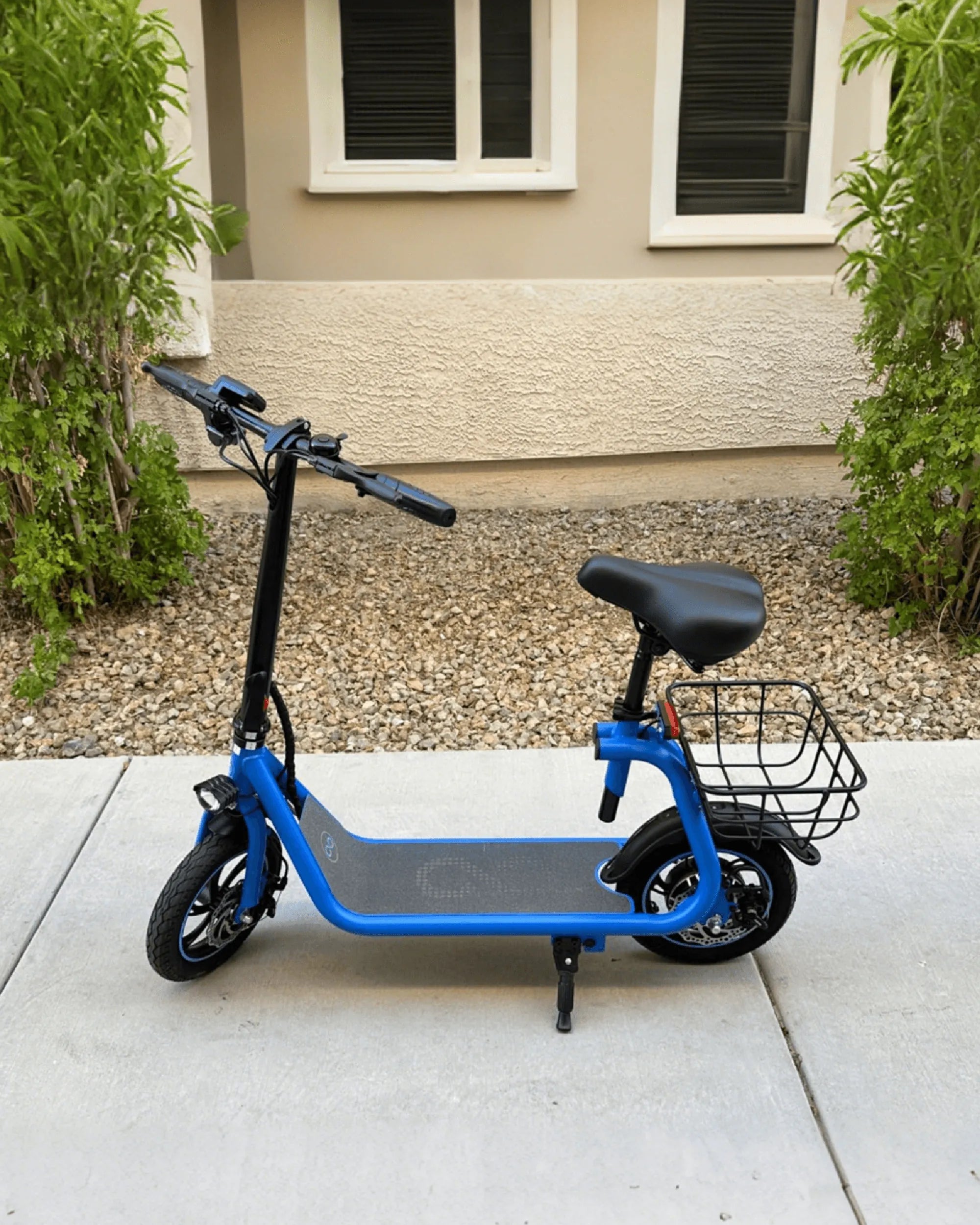
Riding a scooter looks effortless when you see seasoned riders zipping through streets, but if you're a beginner, you might be wondering: do you need balance to ride a scooter? The short answer is yes—balance plays a crucial role in scooter riding. However, that doesn't mean you need the skills of a tightrope walker to enjoy this mode of transportation. With practice and the right techniques, even those who struggle with coordination can master scooter riding.
The Role of Balance in Scooter Riding
Balance is fundamental to riding a scooter safely and efficiently. Unlike bicycles, which rely on momentum to stay upright, scooters require constant micro-adjustments in posture and weight distribution. Here's why balance matters:
- Stability: A well-balanced rider can maintain control, especially when navigating turns or uneven surfaces.
- Safety: Poor balance increases the risk of falls, particularly at higher speeds.
- Efficiency: Good balance helps conserve energy, making rides smoother and less tiring.
Can You Ride a Scooter Without Good Balance?
While balance is important, it's not an insurmountable barrier. Many people with average or even below-average coordination learn to ride scooters comfortably. Here are some ways to compensate:
- Start Slow: Begin on flat, smooth surfaces to build confidence.
- Use Both Feet: Keeping one foot on the deck and the other near the ground for stability can help.
- Practice Posture: Standing upright with knees slightly bent improves stability.
Tips to Improve Your Scooter Balance
If you're determined to enhance your balance for scooter riding, try these exercises:
- One-Legged Stands: Practice standing on one leg to strengthen your core and improve stability.
- Slow Riding: Riding at slower speeds forces you to engage your balance muscles more.
- Yoga or Pilates: These disciplines enhance overall body awareness and coordination.
Safety Tips for Riders Struggling With Balance
Even if balance isn't your strong suit, you can still ride safely by following these precautions:
- Wear Protective Gear: Helmets, knee pads, and elbow pads reduce injury risks.
- Avoid Crowded Areas: Start in low-traffic zones to minimize obstacles.
- Choose the Right Scooter: Opt for models with wider decks and sturdy wheels for better stability.
So, do you need balance to ride a scooter? Absolutely—but don't let that discourage you. With patience, practice, and the right approach, anyone can develop the skills needed to enjoy scooting around town. Whether you're a natural or still working on your coordination, the key is to start slow, stay safe, and have fun!
10000w Electric Scooter Price: What You Need to Know Before Buying
Balance Board Scooter Parts: The Ultimate Guide to Maintenance and Upgrades