


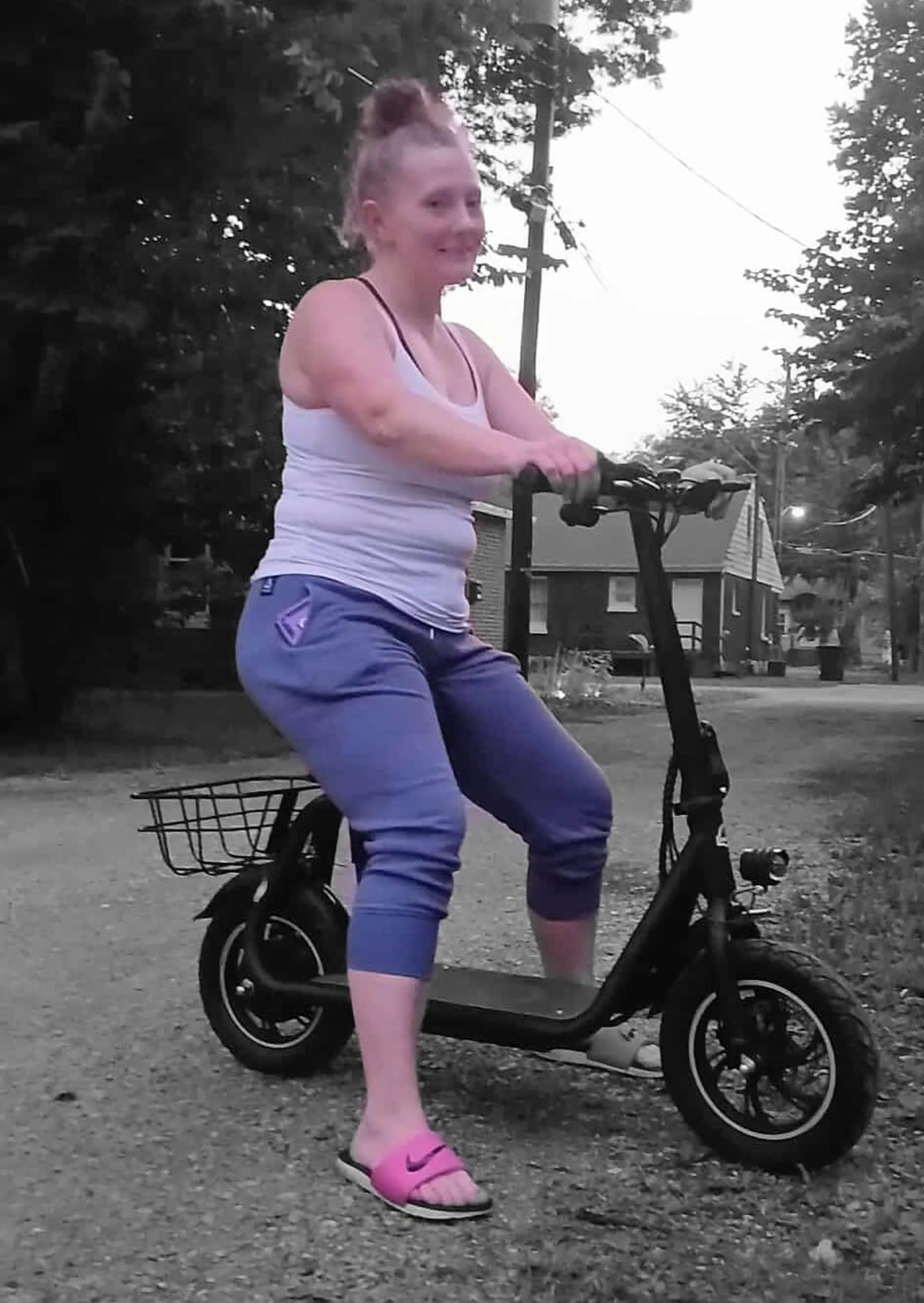
Electric bikes are revolutionizing urban transportation, offering an eco-friendly and efficient way to navigate cities. But as their popularity surges, so do questions about legal requirements—especially whether an electric bike requires registration. If you're considering hopping on an e-bike, understanding the rules can save you from fines and legal headaches.
Understanding Electric Bike Classifications
Not all electric bikes are created equal, and registration requirements often depend on their classification. Most regions categorize e-bikes into three main classes:
- Class 1: Pedal-assist only, with no throttle, and a maximum speed of 20 mph.
- Class 2: Throttle-assisted with a maximum speed of 20 mph.
- Class 3: Pedal-assist only, with a maximum speed of 28 mph.
These classifications help determine whether registration is necessary. In many areas, Class 1 and 2 e-bikes are treated similarly to traditional bicycles and don't require registration. However, Class 3 e-bikes, which reach higher speeds, may face stricter regulations.
Do Electric Bikes Need Registration?
The short answer is: it depends on where you live. In most U.S. states and many countries, low-speed electric bikes (Classes 1 and 2) are exempt from registration. They are often classified as bicycles rather than motor vehicles, meaning no license, insurance, or registration is needed.
However, some regions treat faster e-bikes (Class 3) differently. For example, certain states may require registration, a driver's license, or even insurance for higher-speed models. Always check your local laws to avoid surprises.
Why Registration Requirements Vary
Registration laws for electric bikes are shaped by safety concerns and infrastructure. Areas with heavy bike traffic may impose stricter rules to ensure rider and pedestrian safety. Additionally, some jurisdictions classify e-bikes based on wattage—typically, those under 750W are less regulated.
Countries like the UK and Australia also have specific rules. In the UK, e-bikes with a motor exceeding 250W or a speed over 15.5 mph may require registration and licensing. Meanwhile, Australia categorizes e-bikes based on power output, with stricter rules for high-performance models.
What Happens If You Don't Register?
Riding an unregistered e-bike where registration is mandatory can lead to fines, impoundment, or even legal penalties. Law enforcement agencies are increasingly aware of e-bike regulations, so ignorance isn’t a valid excuse. Always verify local laws before purchasing or riding an e-bike.
Tips for E-Bike Riders
To stay on the right side of the law, follow these steps:
- Check Local Regulations: Visit your state or country’s transportation website for e-bike laws.
- Know Your E-Bike’s Class: Confirm whether your bike is Class 1, 2, or 3.
- Consider Insurance: Even if not required, insurance can protect you in case of accidents.
- Wear Safety Gear: Helmets and reflective clothing improve safety, regardless of legal requirements.
Electric bikes offer a fantastic way to commute, exercise, and reduce your carbon footprint. But before you hit the road, make sure you’re riding legally. A quick check of local registration rules can keep your e-bike adventures smooth and hassle-free.
Do You Need a License for an Electric Bike in Victoria? Here’s What You Should Know
Mountain Biking in the Cold: Thrills, Challenges, and Essential Tips