



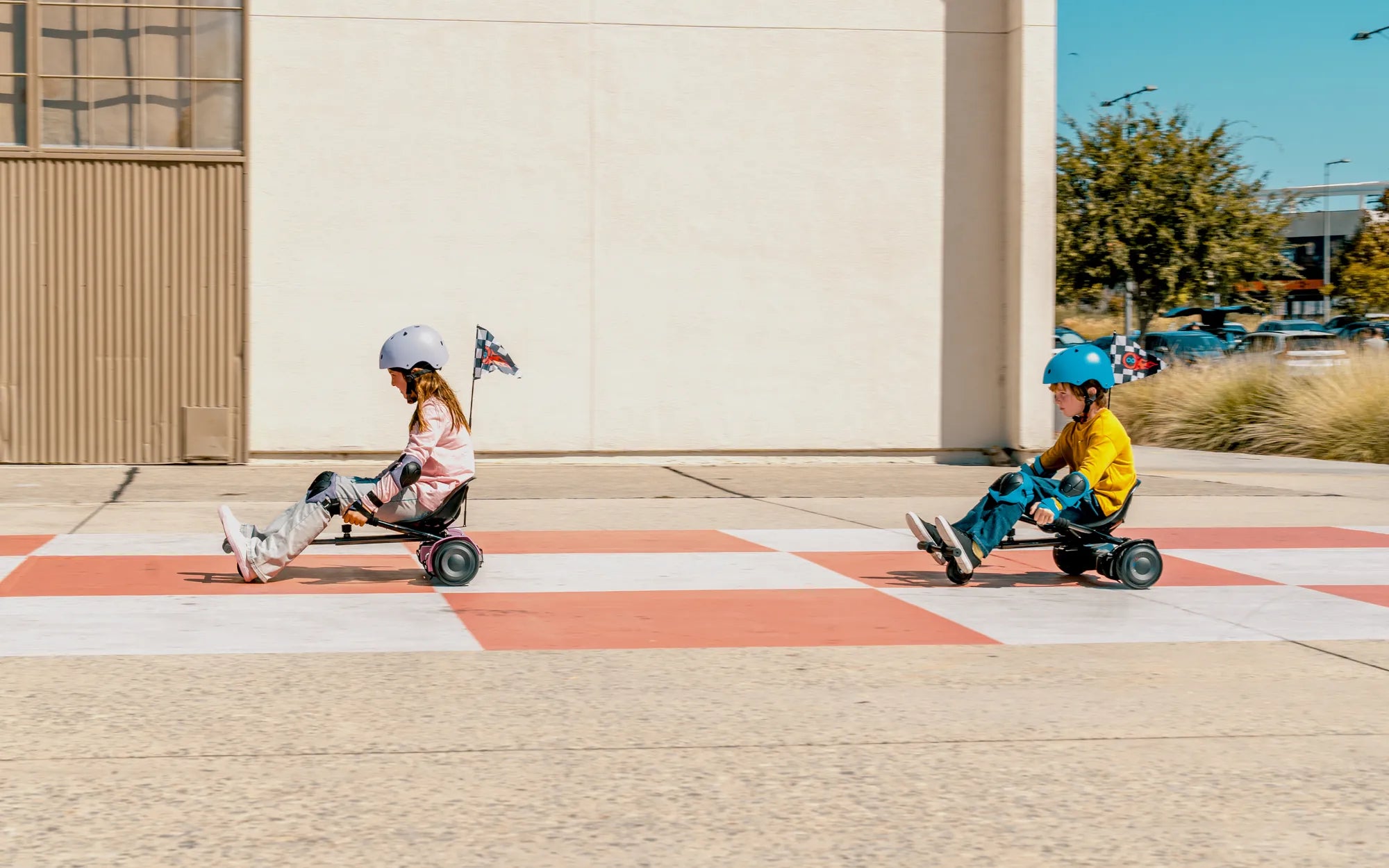
Hoverboards have become a popular mode of personal transportation, but many riders wonder: does hoverboard work on carpet? The answer isn’t as straightforward as you might think. While hoverboards are designed for smooth surfaces like pavement or hardwood floors, carpets present unique challenges. Let’s dive into the mechanics of hoverboards and how they handle different carpet textures.
How Hoverboards Function on Different Surfaces
Hoverboards rely on gyroscopic sensors and electric motors to maintain balance and movement. These components work best on flat, hard surfaces where the wheels can rotate freely. When it comes to carpets, the thickness and pile of the fabric play a significant role in performance.
Low-Pile vs. High-Pile Carpets
Low-pile carpets, such as those found in offices or commercial spaces, offer less resistance. A hoverboard may work reasonably well on these surfaces, though battery life and speed might be slightly reduced.
High-pile carpets, like plush or shag rugs, create more friction. The wheels can struggle to spin efficiently, leading to sluggish movement or even triggering safety mechanisms that stop the board entirely.
Factors That Affect Hoverboard Performance on Carpet
- Wheel Size: Larger wheels (8.5 inches or more) handle carpets better than smaller ones.
- Motor Power: A higher-wattage motor provides more torque, making it easier to overcome carpet resistance.
- Battery Life: Riding on carpet drains the battery faster due to increased effort.
- Weight Limit: Heavier riders may find it harder to maneuver on thick carpets.
Tips for Riding a Hoverboard on Carpet
If you’re determined to ride indoors, follow these tips to improve your hoverboard’s performance:
- Choose the Right Carpet: Stick to low-pile or flat-weave rugs for smoother movement.
- Check Tire Pressure: Some hoverboards have air-filled tires—ensure they’re properly inflated.
- Start Slow: Gradually increase speed to avoid sudden stops or balance issues.
- Clean the Wheels: Carpet fibers can get tangled—regular maintenance prevents jams.
Potential Risks of Using a Hoverboard on Carpet
While it’s possible to ride on carpet, there are risks:
- Overheating: Motors working harder may overheat, shortening their lifespan.
- Battery Drain: Expect reduced runtime compared to smooth surfaces.
- Safety Shutoffs: Some models may power down if they detect excessive resistance.
Alternatives for Indoor Hoverboard Use
If your hoverboard struggles on carpet, consider these alternatives:
- Use a Mat: Place a rigid board or mat under the hoverboard for stability.
- Adjust Riding Style: Lean gently and avoid sharp turns.
- Upgrade Your Model: Some hoverboards are specifically designed for all-terrain use.
Ready to test your hoverboard on carpet? Keep these insights in mind to ensure a smooth and safe ride. Whether you’re cruising over hardwood or navigating plush rugs, understanding your hoverboard’s limits will help you make the most of your experience!
Two Piece Hoverboard: The Future of Personal Transportation
Real Life Hoverboard for Sale: The Future of Personal Transportation Is Here