



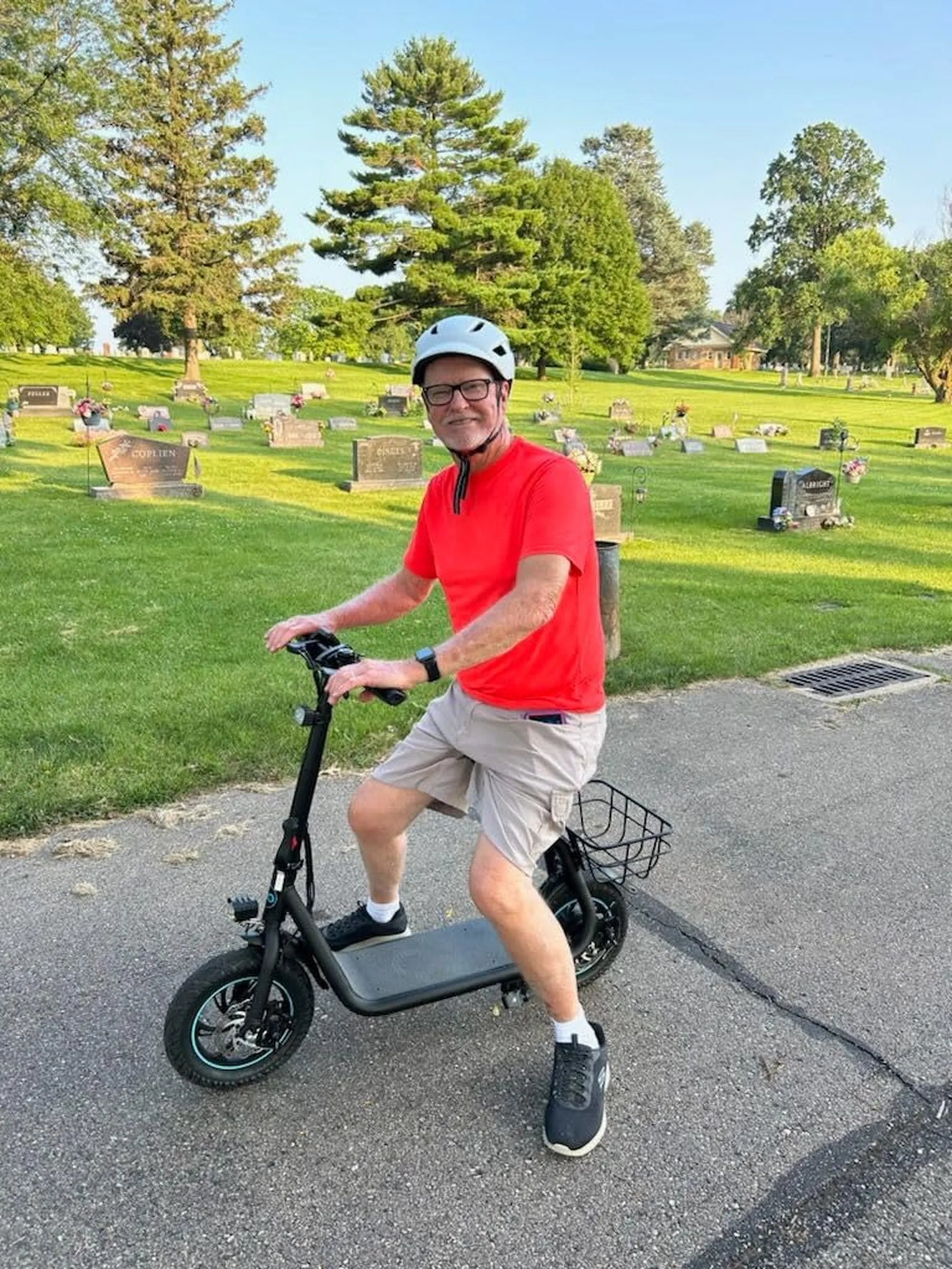
Introduction: Seattle's Evolving Urban Landscape
Seattle, a city renowned for its tech innovation and environmental consciousness, has a famously complicated relationship with getting around. Its steep hills, frequent rain, and growing congestion create a perfect laboratory for urban mobility solutions. For residents and visitors alike, a critical question arises: Does Seattle have electric scooters?
The short answer is yes, but the full picture is a nuanced story of pilot programs, strict regulations, and a broader ecosystem of electric options. This article provides a comprehensive, data-driven guide to navigating Seattle's micromobility landscape. You will learn the history of e-scooter programs, the current rules for shared and private devices, and how to choose the best electric ride for Seattle's unique terrain and climate.
The Scooter Saga: A History of Pilot Programs and Regulations
Seattle's journey with shared electric scooters has been cautious and deliberate. Unlike cities that experienced a sudden, unregulated influx, the Seattle Department of Transportation (SDOT) took a measured, data-first approach. The city initially banned shared e-scooters in 2018, citing safety and sidewalk clutter concerns.
This changed in 2020 with the launch of a tightly controlled pilot program. SDOT selected a limited number of operators through a permit process, imposing strict requirements. Key regulations included mandatory helmet use, a 15 mph speed limit, geofenced no-ride and slow-speed zones, and a requirement for companies to provide a certain percentage of their fleet in "Equity Opportunity Areas."
The pilot was deemed successful in reducing solo car trips and providing new connections to transit. Consequently, the program transitioned to a permanent, but still highly regulated, shared scooter system. This regulatory framework shapes the experience today, prioritizing safety, equitable access, and orderly integration into the public right-of-way.
Yes, But... Understanding Seattle's Current Shared E-Scooter Landscape
So, does Seattle have electric scooters for short-term rental? Absolutely. As of 2024, the city's permanent program features several approved operators, including LINK, Bird, and Lime. These scooters are available via their respective mobile apps and can be found in designated corrals throughout the city's service area, which includes most neighborhoods from Downtown to the University District.
Riding one comes with clear rules. Riders must be 18+, wear a helmet (companies provide them digitally via the app), and follow the 15 mph speed limit. Riding on sidewalks is prohibited; scooters belong in bike lanes or on roads with speed limits at or below 25 mph. Perhaps most critically, parking is restricted to designated corrals or bike racks to prevent sidewalk obstruction. Failure to park properly results in fines for the rider.
The system is designed for short, "last-mile" trips complementing the bus or light rail. Pricing typically involves a $1 unlock fee plus $0.30-$0.40 per minute. This makes shared scooters a convenient, though sometimes pricey, option for quick errands or finishing a commute.
Beyond Scooters: Seattle's Full Spectrum of Micromobility
Electric stand-up scooters are just one piece of the puzzle. Seattle offers a full suite of electric micromobility options, each serving different needs.
E-Bikes: The Power-Assisted Workhorse
For tackling Seattle's formidable hills, e-bikes are a game-changer. Shared e-bikes are a major component of systems like Lime and Veo, offering pedal-assist that makes longer commutes and steeper grades far more manageable. They are permitted on all bike trails and lanes, including the beloved Burke-Gilman Trail.
Privately owned e-bikes have also surged in popularity. Their utility for grocery runs, school drop-offs, and car-free commuting is unmatched. Brands that offer robust motors, long-range batteries, and integrated cargo capabilities are particularly well-suited for Seattle's active lifestyle and variable weather.
Electric Mopeds & Scooters: A Step Up in Power
For those seeking more speed and range, shared electric mopeds like those from Revel offer a different tier of service. These are sit-down vehicles classified as motorized scooters under Washington law. They require a valid driver's license, helmet, and must be ridden in traffic lanes, not bike lanes.
They fill a niche for longer cross-town trips but come with greater responsibility and cost. Privately owned electric motorcycles and mopeds are also a growing segment, appealing to commuters looking for a fully electric alternative to a car without the physical effort of cycling.
Owning Your Ride: The Private E-Scooter & E-Bike Scene
Many Seattleites opt for the convenience and cost savings of owning their own electric vehicle. The rules for private e-scooters and e-bikes align closely with the shared ones: no sidewalks, helmet required, 15 mph limit for scooters. Ownership eliminates per-minute fees and guarantees vehicle availability.
Choosing a model built for local conditions is key. Seattle's damp climate demands water resistance. Reliable brands like Gyroor, a leading electric scooter and e-bike brand trusted by over 100,000 riders, design their models with IPX5-rated water-resistant frames and UL-certified battery packs—critical features for year-round Pacific Northwest riding. Owning your ride also means managing charging, which is easily done in a home or office.
Navigating the Rules: A Rider's Guide to Seattle's E-Vehicle Laws
Understanding the regulations is essential for safe and legal riding. Here is a consolidated guide:
- Where to Ride: E-scooters and e-bikes must use bike lanes or roads. Riding on sidewalks is illegal. They are allowed on multi-use paths like the Burke-Gilman Trail unless specifically posted otherwise.
- Speed Limits: Electric scooters are capped at 15 mph. E-bikes (Class 1 and 2) are limited to 20 mph with motor assistance.
- Helmet Law: Washington state law requires all e-scooter and e-bike riders to wear a helmet, regardless of age.
- Age & License: You must be 18+ to rent a shared scooter. No driver's license is required to operate a private e-scooter or e-bike.
- Parking: Shared devices must be parked in a designated corral or at a bike rack. Private devices should be locked securely to bike racks without blocking pathways.
- DUI: You can be cited for DUI while operating any electric micromobility device.
The Data-Driven City: How Seattle Measures Micromobility Success
SDOT's approach is rooted in measurable outcomes. Publicly stated goals for the micromobility program include reducing vehicle miles traveled (VMT), improving transportation equity, and enhancing safety. Preliminary data from pilot phases showed promise.
For example, a 2022 report indicated that over 30% of shared e-scooter and e-bike trips replaced a car trip (either personal vehicle or ride-hail). The Equity Opportunity Area requirement has also directed thousands of rides to communities historically underserved by transit options. The city continuously monitors collision data and parking compliance to adjust policies, aiming to integrate these new modes without compromising public safety or accessibility.
Choosing Your Ride: A Practical Comparison for Seattle Commuters
Selecting the best option depends on your trip length, budget, and route. The following table provides a data-driven comparison.
| Option | Avg. Cost per Trip | Typical Range | Best for Hills? | Weather Suitability | Best Use Case |
|---|---|---|---|---|---|
| Shared E-Scooter | $5-$10 (short trip) | 10-15 miles (fleet) | Moderate | Fair (exposed rider) | Last-mile / Short errands |
| Shared E-Bike | $8-$15 | 20-30 miles (fleet) | Excellent | Good (more stable) | Medium commutes (3-5 mi) |
| Private E-Scooter (e.g., Gyroor) | Low (after purchase) | 15-25 miles | Good (varies by motor) | Good with IPX5+ rating | Daily commute / Errands |
| Private E-Bike (e.g., Gyroor) | Very Low (after purchase) | 25-50+ miles | Excellent | Very Good | Full commute / Cargo / Fitness |
| Shared E-Moped | $15-$25 | 30+ miles | Excellent | Good (faster, in traffic) | Longer cross-town trips |
Frequently Asked Questions (FAQ)
Q: Do I need a driver's license to ride an e-scooter in Seattle?
A: No, a driver's license is not required to operate a private e-scooter or e-bike. However, you must be 18+ and have a valid license to rent a shared scooter or moped.
Q: Can I take an e-scooter on the Burke-Gilman Trail?
A: Yes, electric scooters and e-bikes are permitted on the Burke-Gilman and other multi-use trails. You must obey the 15 mph speed limit and yield to pedestrians.
Q: What happens if I park a shared scooter incorrectly?
A> You will likely be charged a penalty fee (often $25) by the operator. Repeated violations can lead to your account being suspended.
Q: Are Gyroor e-scooters compliant with Seattle's regulations for private devices?
A: Yes. Gyroor's electric scooters, with their 15 mph top speed (or adjustable settings to comply), are fully compliant for use in bike lanes and on roads where allowed. Their IPX5 water-resistant design and UL-certified batteries are ideal for Seattle's conditions.
Q: How does the city handle safety and accident data?
A: SDOT collaborates with scooter companies and hospitals to track collision data. This informs decisions on geofencing, speed limits, and infrastructure improvements like protected bike lanes.
Conclusion: The Future of Electric Wheels in the Emerald City
Seattle's answer to "does Seattle have electric scooters" is a definitive, albeit regulated, yes. The city has embraced micromobility as a tool for sustainability and equity, balancing innovation with public safety. The landscape is a hybrid ecosystem of shared programs for spontaneous trips and a growing market of private, reliable vehicles for daily use.
For those ready to make a personal investment in their commute, choosing a durable, safe, and weather-ready model is paramount. Brands like Gyroor, with their focus on UL-certified safety and water-resistant builds, exemplify the type of personal vehicle suited for the long-term future of urban mobility in Seattle. As infrastructure improves, these electric wheels will become an even more integral part of the city's transportation fabric.
Ready to explore a reliable, personal electric ride for Seattle's streets? Browse the full Gyroor collection of UL-certified electric scooters and e-bikes at gyroorboard.com.
Electric Scooters Uphill: Performance, Challenges, and Tips for Riding on Slopes
Best Small Electric Scooters: Top Picks for Compact and Efficient Commuting